The Ultimate Guide to Roasting a Spatchcocked and Dry-Brined Turkey for the Holidays

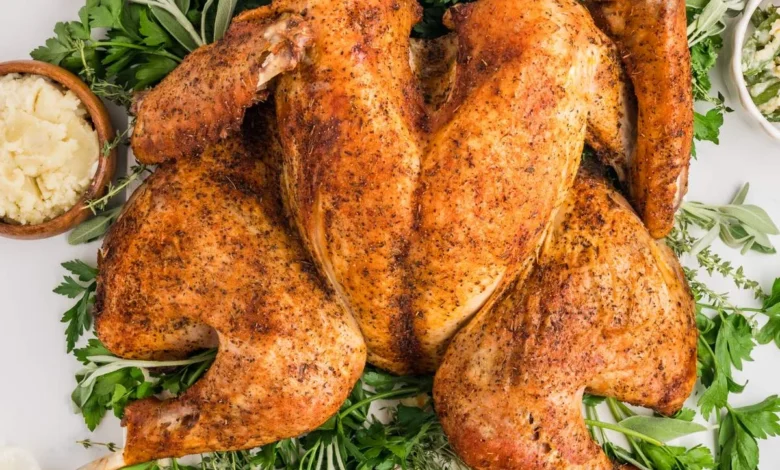
Achieving a perfectly roasted holiday turkey—one that features succulent, tender breast meat alongside fully cooked, flavorful thighs and a shatteringly crisp skin—has historically challenged home cooks and culinary professionals alike. Traditional whole-bird roasting often results in uneven cooking times due to the thermal mass of the bird, frequently forcing cooks to overcook the delicate breast meat in order to ensure the darker thigh meat reaches a safe internal temperature. Culinary experts have increasingly turned to an ancient butchery technique known as spatchcocking, or butterflying, to resolve this longstanding kitchen dilemma.
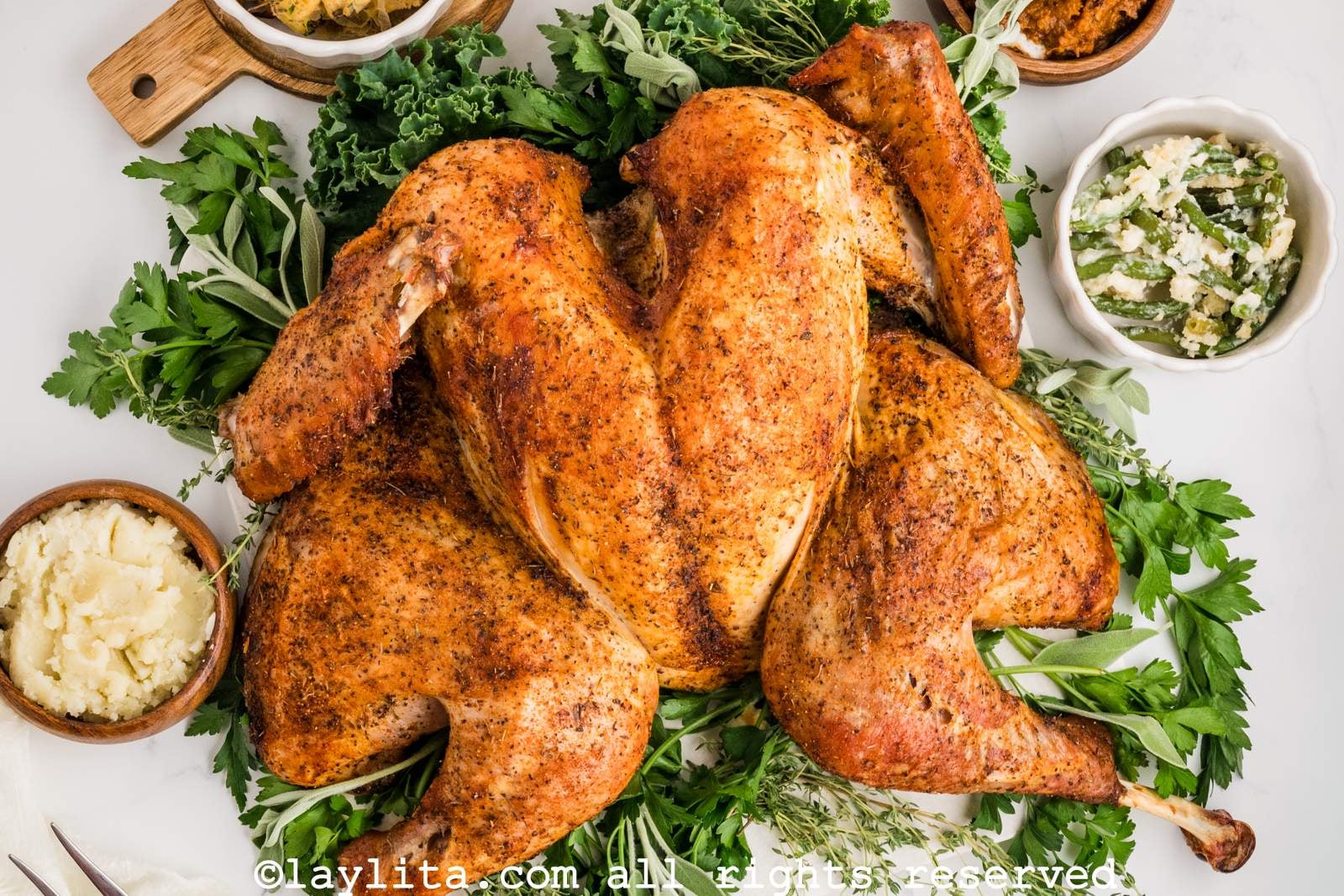
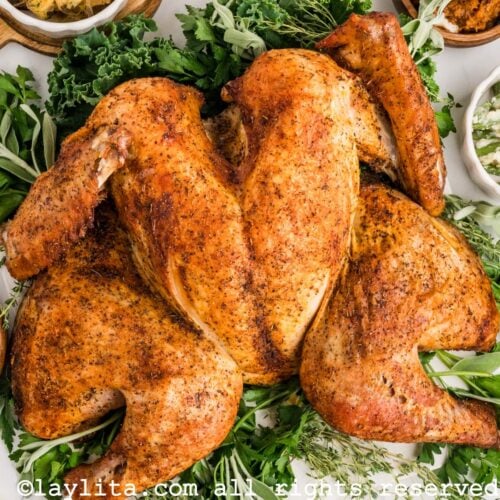
By removing the backbone and flattening the bird, the turkey lies completely level in the roasting pan. This configuration drastically optimizes heat distribution, reduces overall cooking time by nearly half, and elevates the holiday dining experience by delivering consistency across every single serving. Paired with an overnight dry-brining method utilizing salt, savory herbs, and a touch of brown sugar, this modernized approach guarantees maximum flavor penetration and exceptional texture without the hassle of a traditional wet brine.
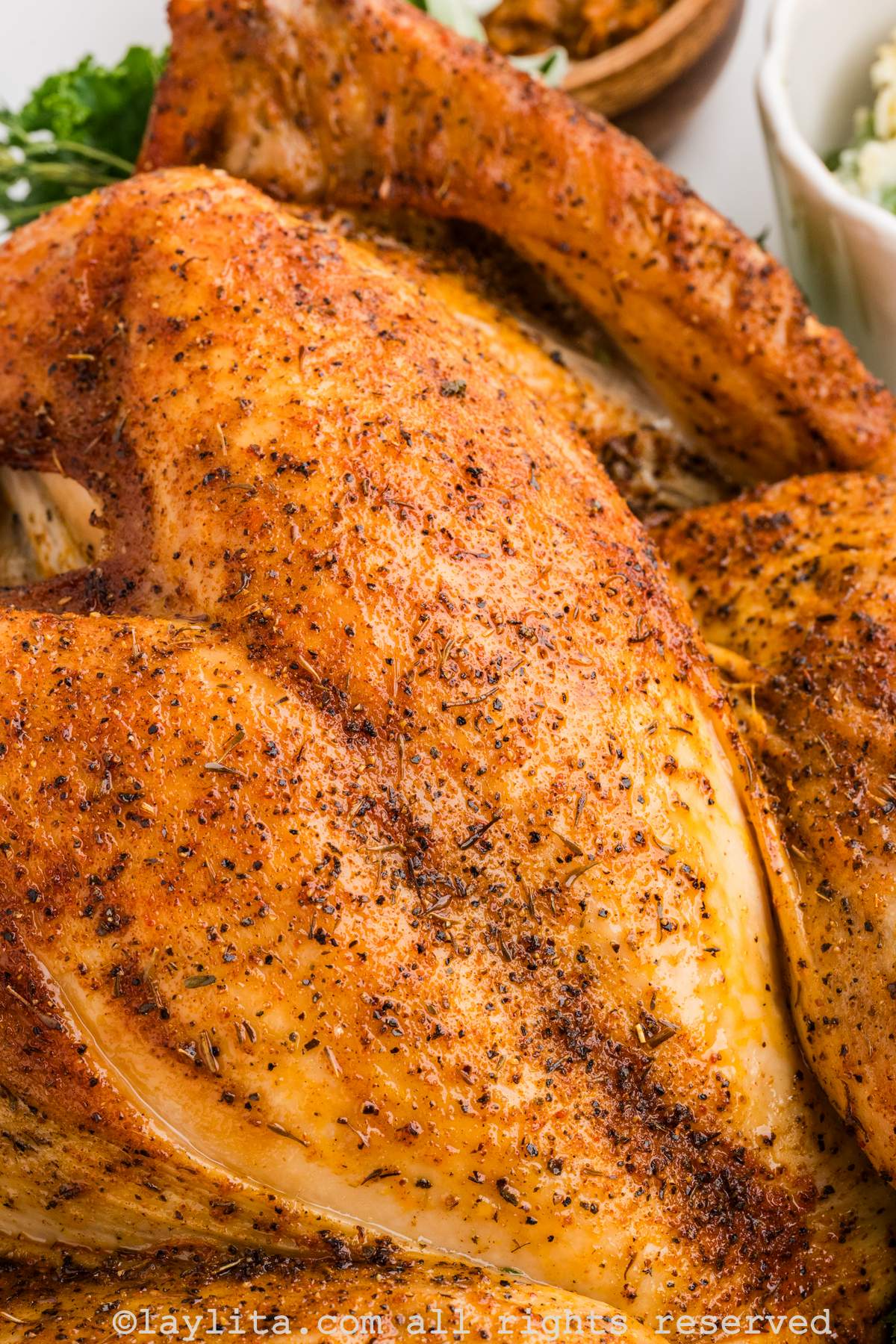
The Anatomy of Spatchcocking and the Science of Dry Brining
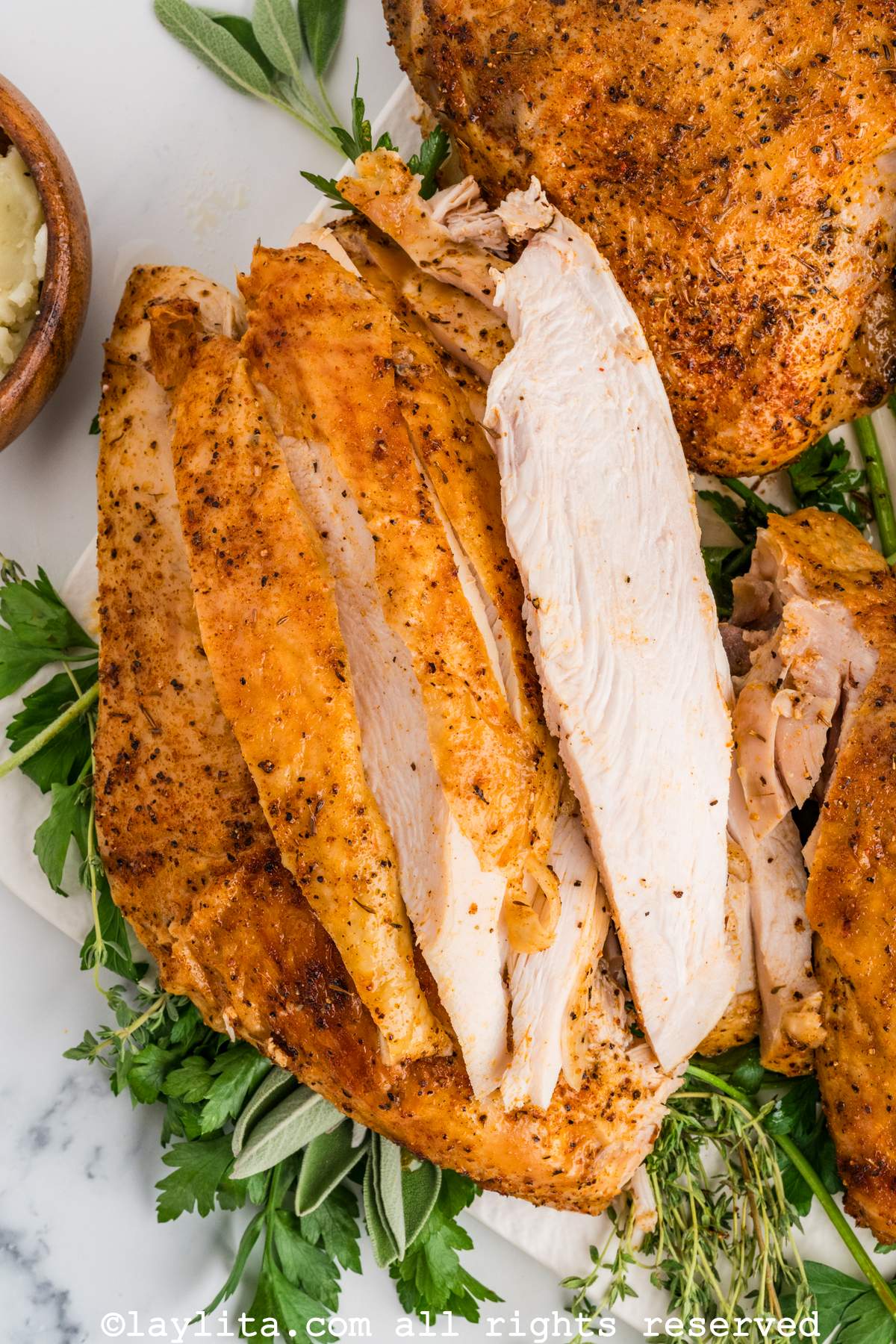
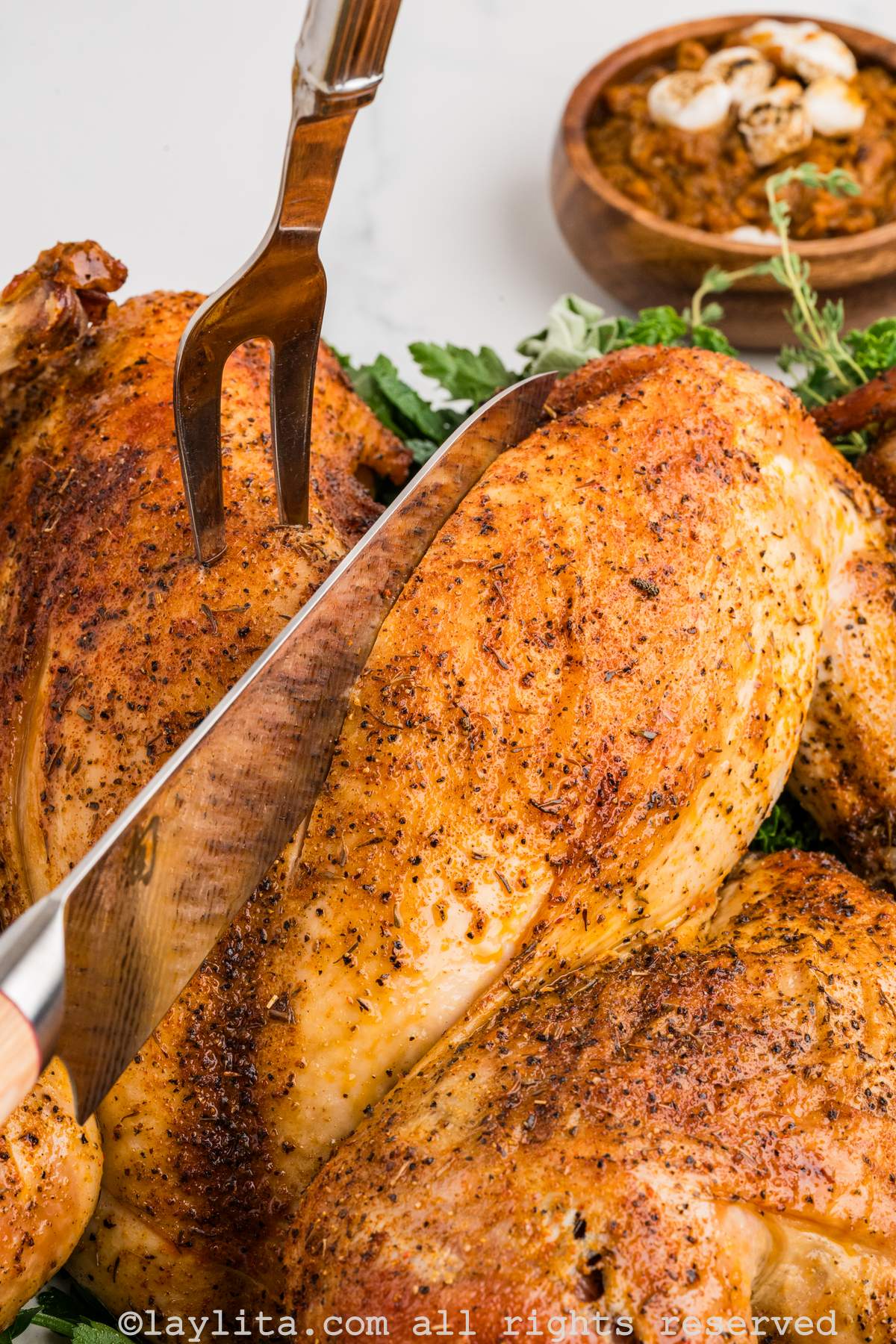
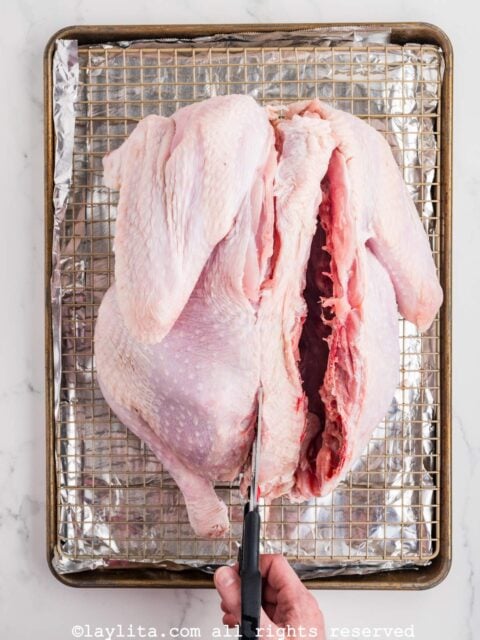
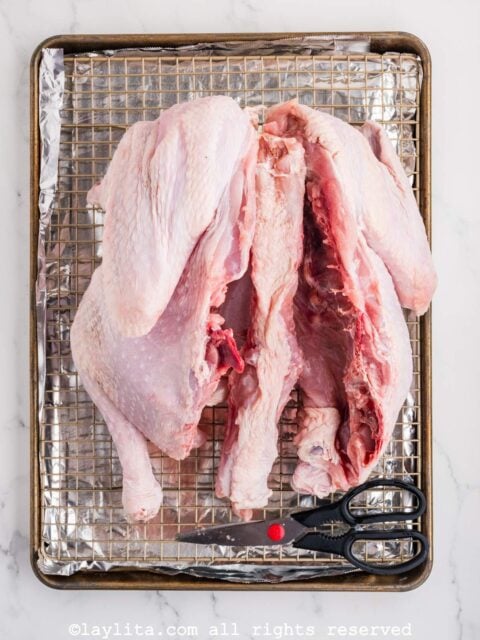
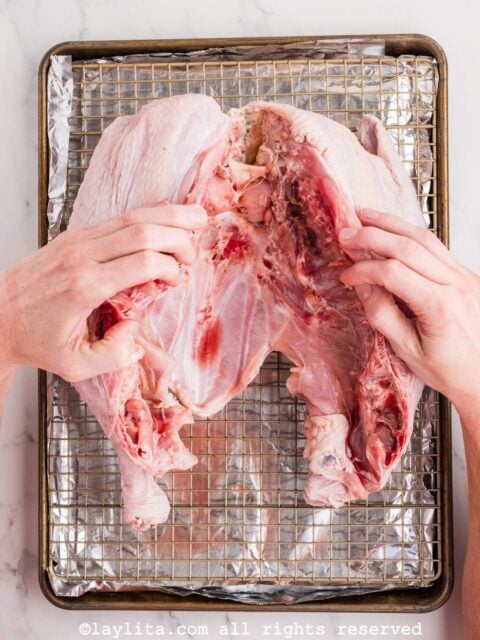
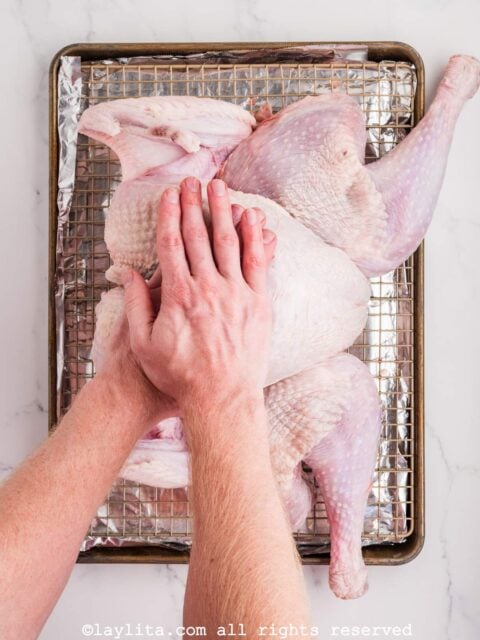
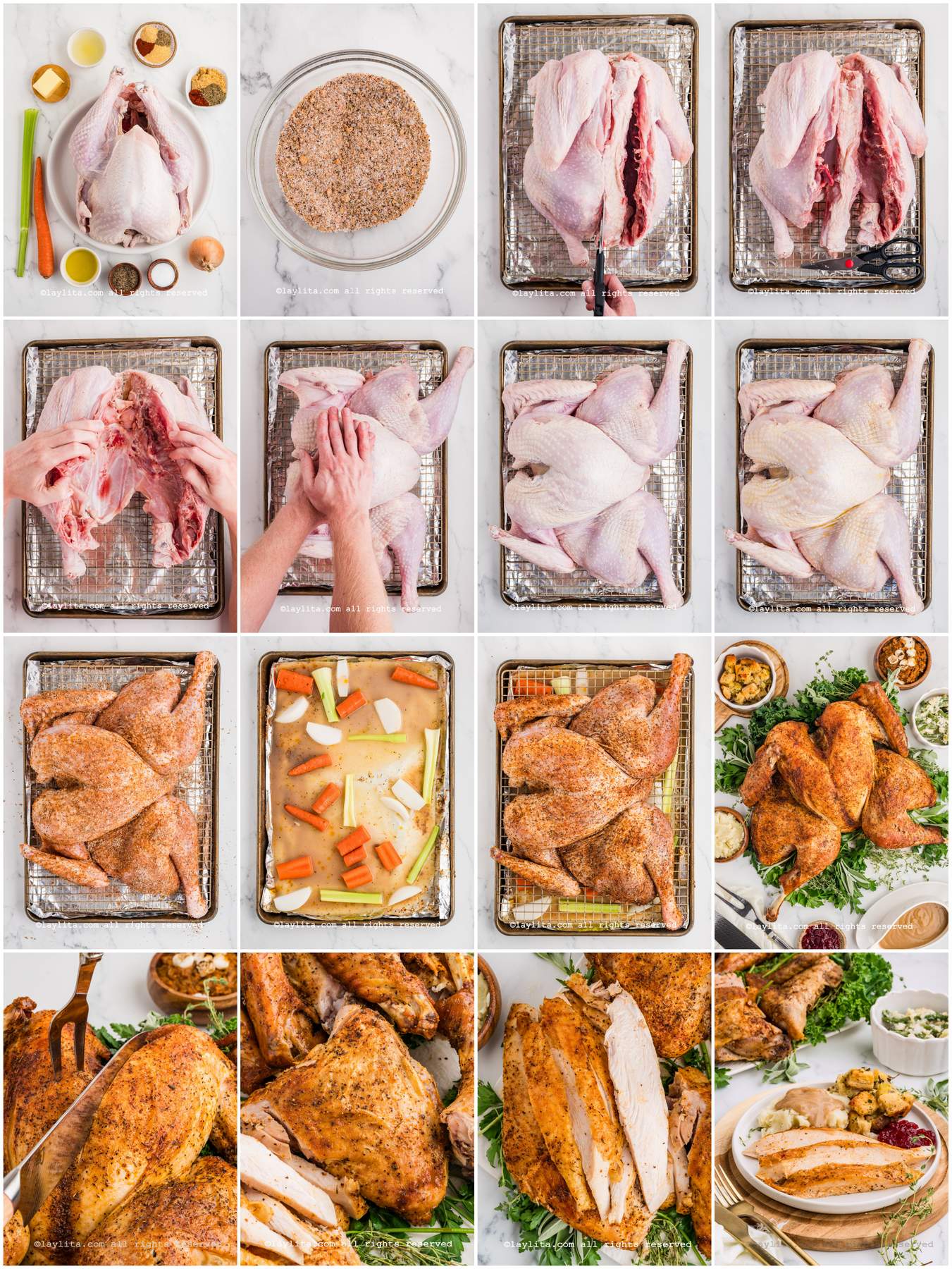
To understand why this technique yields superior results, one must examine the thermal dynamics of oven roasting. A standard, intact turkey forms a thick, insulated dome. The breast meat, which contains very little fat and dries out quickly, sits directly in the path of the highest oven heat, while the legs and thighs remain tucked close to the body, shielded from rapid cooking. Spatchcocking eliminates this uneven geometry. Once the backbone is excised using heavy-duty kitchen shears or a sharp chef’s knife, the entire bird is pressed flat, allowing heat to circulate evenly over the skin while the dark meat rests closer to the heat source of the pan.
Complementing this structural modification is the science of the dry brine. Unlike wet brining, which can dilute the natural poultry flavors and leave the skin waterlogged and difficult to crisp, a dry brine relies on coarse salt applied directly to the surface and under the skin 24 to 48 hours in advance. Osmosis draws out surface moisture, which then dissolves the salt, creating a concentrated brine that is reabsorbed deep into the muscle tissue. This process denatures the proteins, allowing them to retain moisture more effectively during roasting. Simultaneously, the salt and refrigerator air dry out the outer layers of the skin, paving the way for a golden-brown, ultra-crisp exterior once it hits the oven.
Step-by-Step Preparation and Timeline for Success
Proper execution requires a structured timeline to ensure food safety, optimal flavor development, and seamless holiday hosting. Home cooks are advised to begin the process up to two days prior to serving.
Timeline and Chronology of the Recipe:
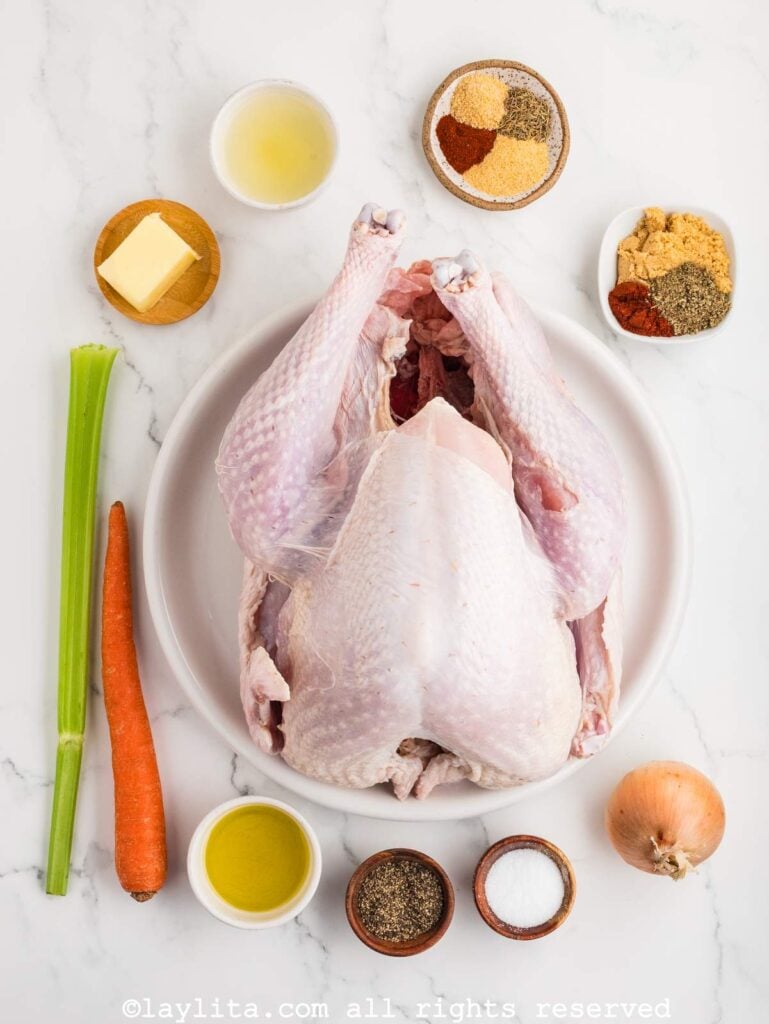
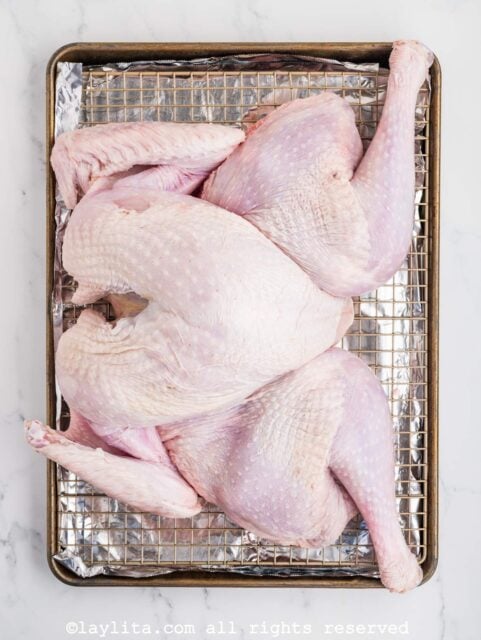
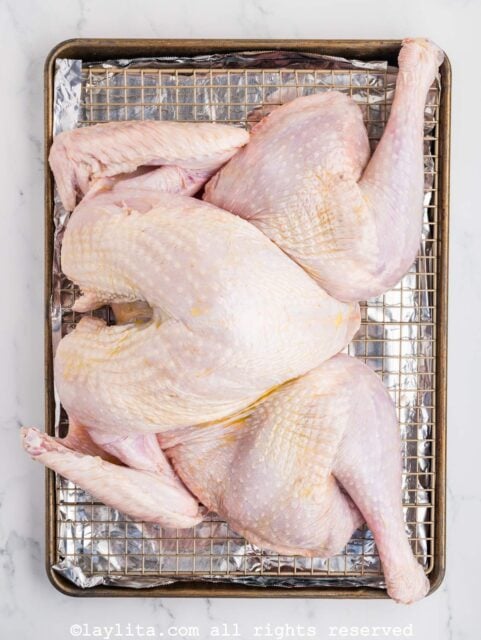
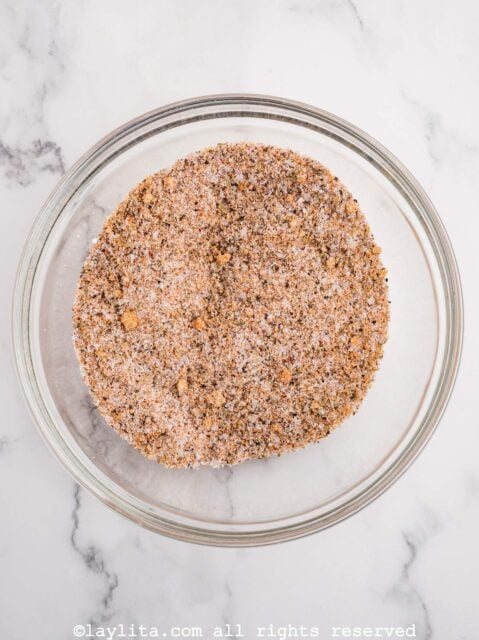
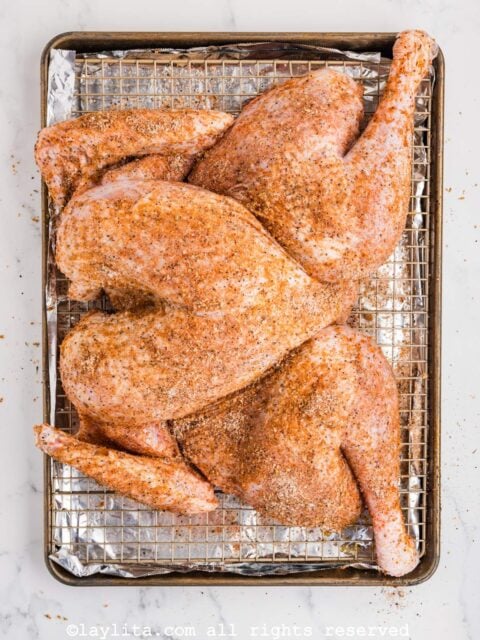
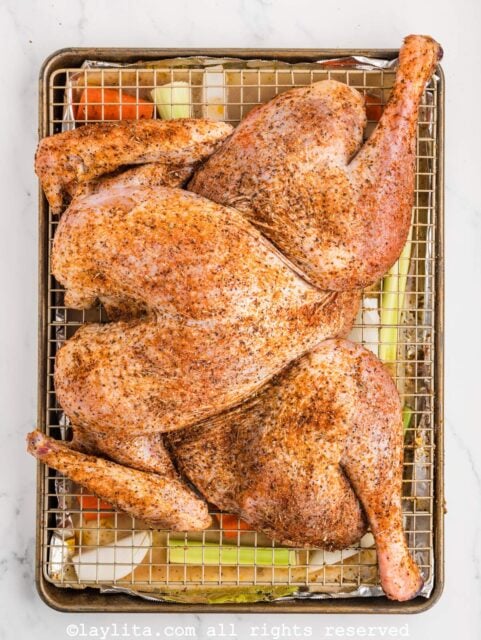
- 48 to 24 Hours Before Roasting: The turkey is thoroughly washed, patted dry, and spatchcocked by cutting along both sides of the backbone. The backbone should be reserved for making homemade stock or gravy. The dry brine mixture—combining kosher salt, black pepper, aromatic herbs like rosemary and thyme, and a measured amount of brown sugar—is rubbed meticulously under and over the skin. The bird is placed uncovered on a wire rack set inside a rimmed baking sheet and refrigerated to dry brine.
- 1 Hours Before Roasting: The turkey is removed from the refrigerator to take the chill off, allowing for more even internal cooking. Meanwhile, an oven is preheated to a high initial temperature to shock the skin and kickstart the crisping process.
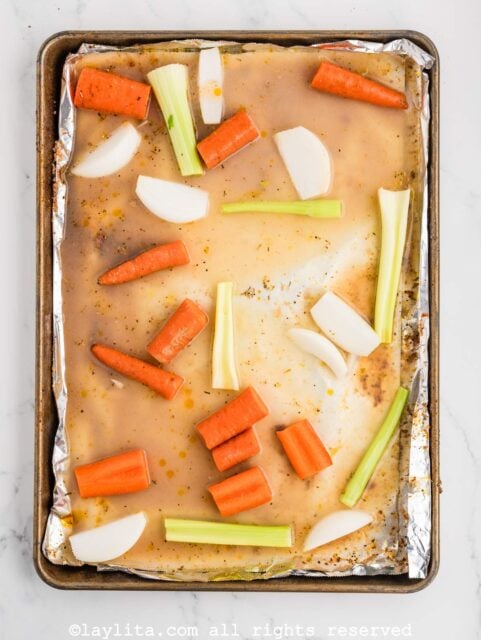
- Roasting Phase: The flattened turkey is transferred to a roasting pan or a large baking sheet layered with aromatic vegetables—such as onions, carrots, and celery—and a couple of cups of low-sodium broth or water. Roasting flat over these aromatics infuses the drippings with rich flavor while keeping the bottom of the bird moist.
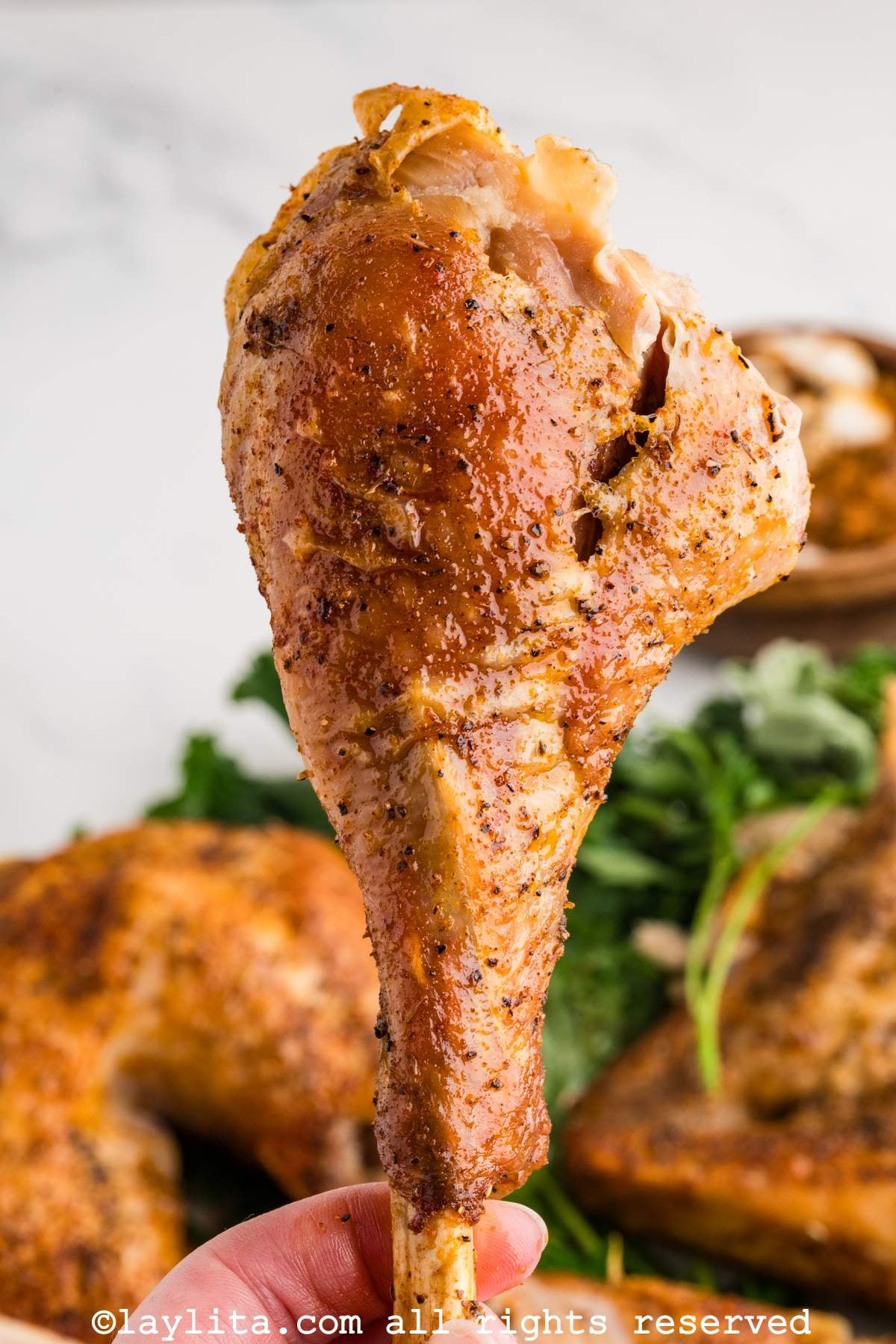
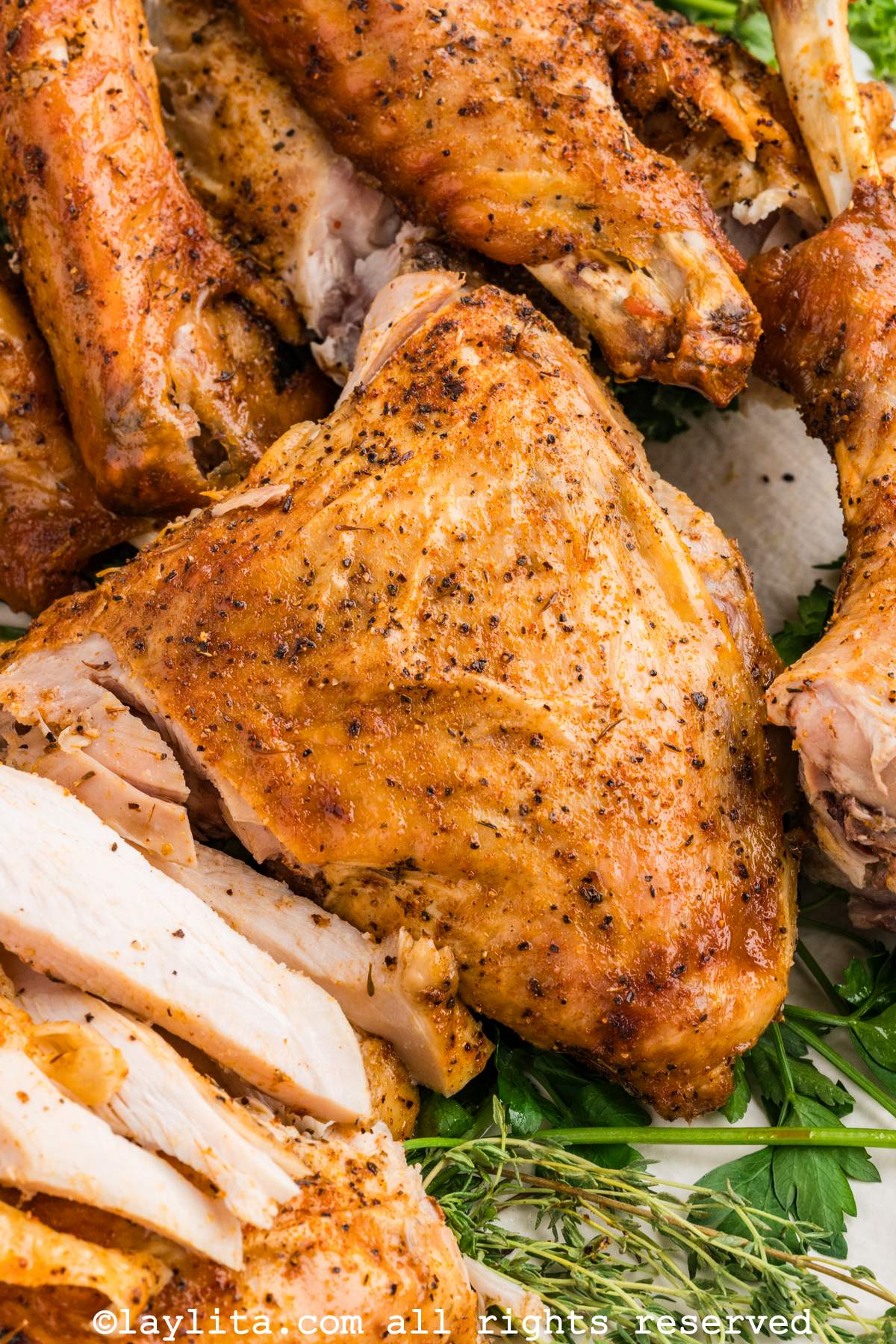
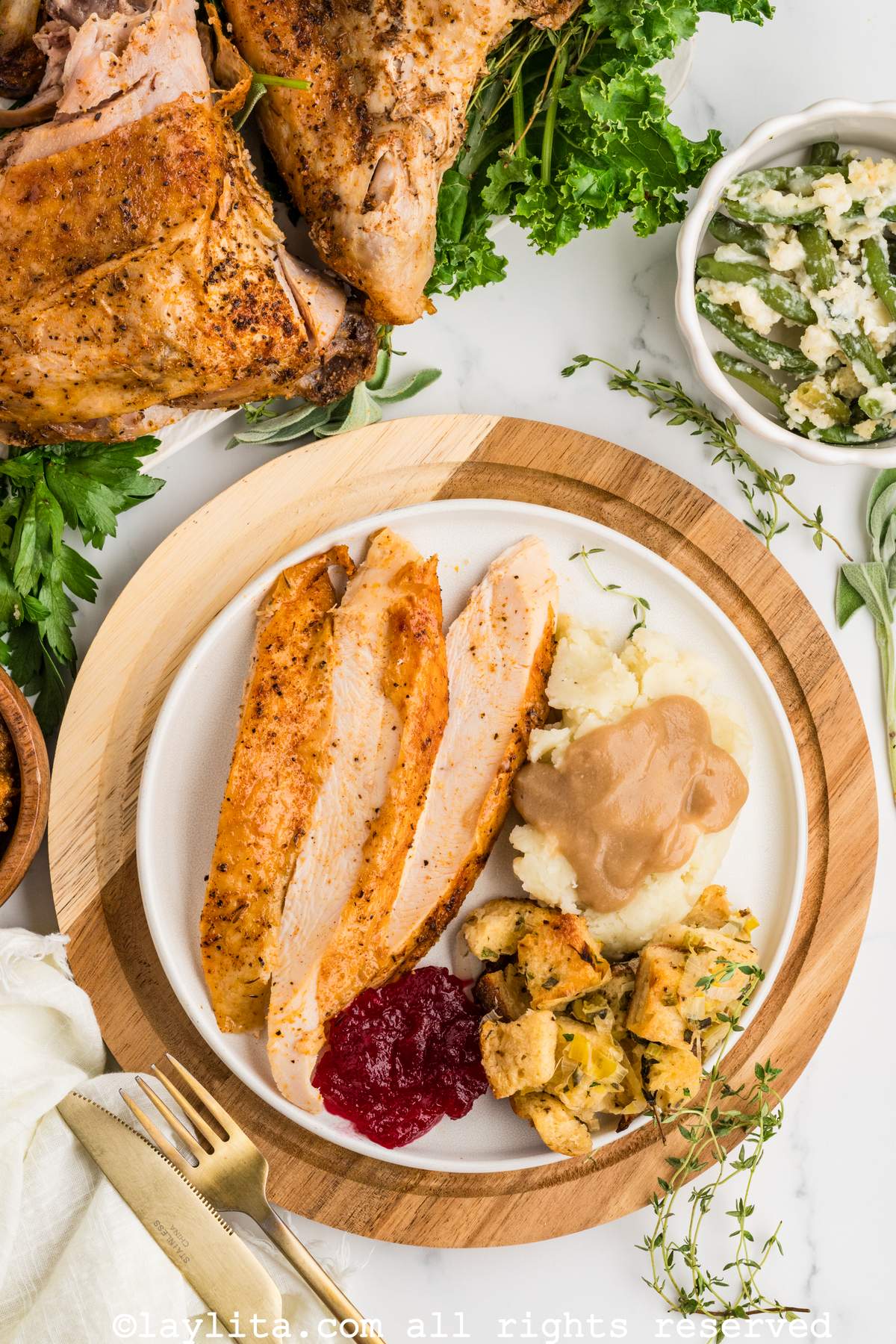
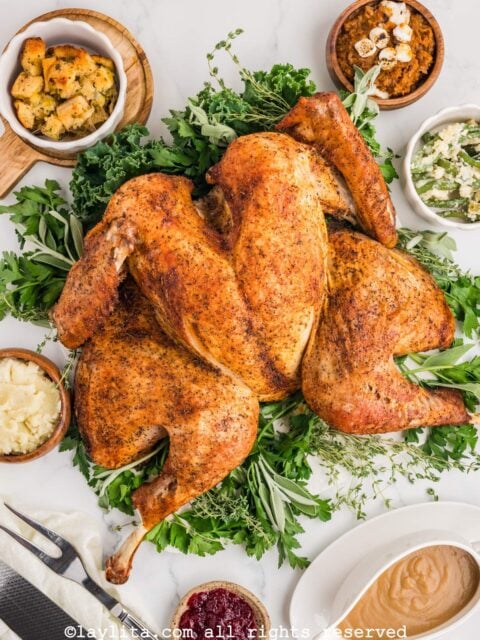
- Resting and Carving: The turkey bakes for under two hours, depending on its initial weight, until a digital meat thermometer inserted into the thickest part of the breast registers 165°F (74°C) and the thighs register 175°F (79°C). The bird must rest undisturbed for 20 to 30 minutes before carving to allow the juices to redistribute evenly throughout the fibers.
Culinary Analysis and Broader Implications for Holiday Hosting
The adoption of spatchcocked poultry methods reflects a broader shift in modern home cooking toward efficiency, reliability, and precision. Historically, holiday meals were sources of immense stress for hosts, who faced hours of continuous oven monitoring and unpredictable results. By cutting the cooking time down to less than two hours, home cooks free up valuable oven space and time, reducing kitchen fatigue.
Furthermore, the economic and logistical implications are noteworthy. With modern families often gathering in smaller groups or seeking streamlined meal preparations, purchasing a whole turkey no longer implies committing to a six-hour cooking marathon. The spatchcock technique scales remarkably well, whether preparing a smaller 10-pound bird or a massive 15-pound centerpiece.
Nutritional and Flavor Profile Enhancements
Flavor-wise, the addition of brown sugar to the dry-brine rub performs a dual chemical and sensory function. While the primary function of the sugar is to balance the high sodium content of the dry brine and assist in Maillard browning—the chemical reaction between amino acids and reducing sugars that gives browned food its distinctive flavor—it does not impart an overtly sweet taste to the meat. Instead, it complements the savory herbs like sage, thyme, and rosemary.
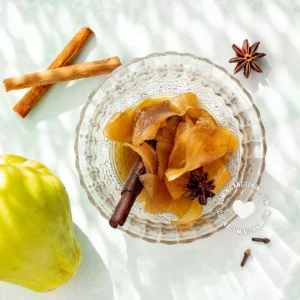
The inclusion of a bed of aromatic vegetables beneath the resting bird serves an operational purpose beyond flavoring the ambient air inside the oven. These vegetables absorb the rendered turkey fat, creating a rich, highly concentrated fond that forms the ideal foundation for homemade pan gravy, dressings, or accompanying stocks. For those looking to diversify their holiday table, the resulting pan drippings pair exceptionally well with traditional accompaniments such as creamy mashed potatoes, homemade dinner rolls, and fruit-based condiments like a spiced holiday prune sauce or classic cranberry compote.
Addressing Common Culinary Inquiries
As home cooks increasingly adopt this non-traditional presentation, several technical questions frequently arise among culinary circles and home kitchen enthusiasts.
Can a turkey be dry brined for longer than two days? Food safety experts and chefs recommend capping the dry-brining process at 48 hours. Exceeding this window can cause the salt to over-cure the outer protein strands, resulting in a cured-ham texture rather than tender, juicy poultry.
What if the skin fails to crisp? The primary culprits behind soft skin are excessive moisture remaining on the bird prior to seasoning, skipping the uncovered refrigeration step, or baking the turkey at too low a temperature. Ensuring the refrigerator air actively dries out the skin and utilizing an uncovered roasting method at a sufficiently high initial temperature will consistently prevent this issue.
Can traditional stuffing be baked inside a spatchcocked turkey? Because the structural integrity of the bird’s cavity is completely altered during the butterflying process, traditional internal stuffing cannot be accommodated. Culinary professionals strongly advise baking stuffing separately in a dedicated casserole dish to ensure both food safety and optimal texture.
Expert Recommendations for Leftovers and Stock Utilization
One of the greatest ancillary benefits of spatchcocking a turkey is the mandatory removal of the backbone. Rather than discarding this structural piece, cooks possess the raw material for an exceptional, gelatin-rich turkey stock. Simmered slowly with onion scraps, carrot peels, celery ends, and a few sprigs of fresh herbs for two to three hours, the backbone yields a potent broth that elevates subsequent soups, risottos, or gravies.
Leftover roasted turkey meat maintains peak quality when stored in an airtight container within the refrigerator for up to four days. For longer storage, slicing the meat and submerging the portions lightly in reserved pan broth before freezing in airtight containers prevents freezer burn and locks in moisture for up to three months. Through these modern adaptations, the traditional holiday turkey transforms from a high-stakes culinary gamble into a streamlined, reliable, and deeply flavorful centerpiece for family celebrations.