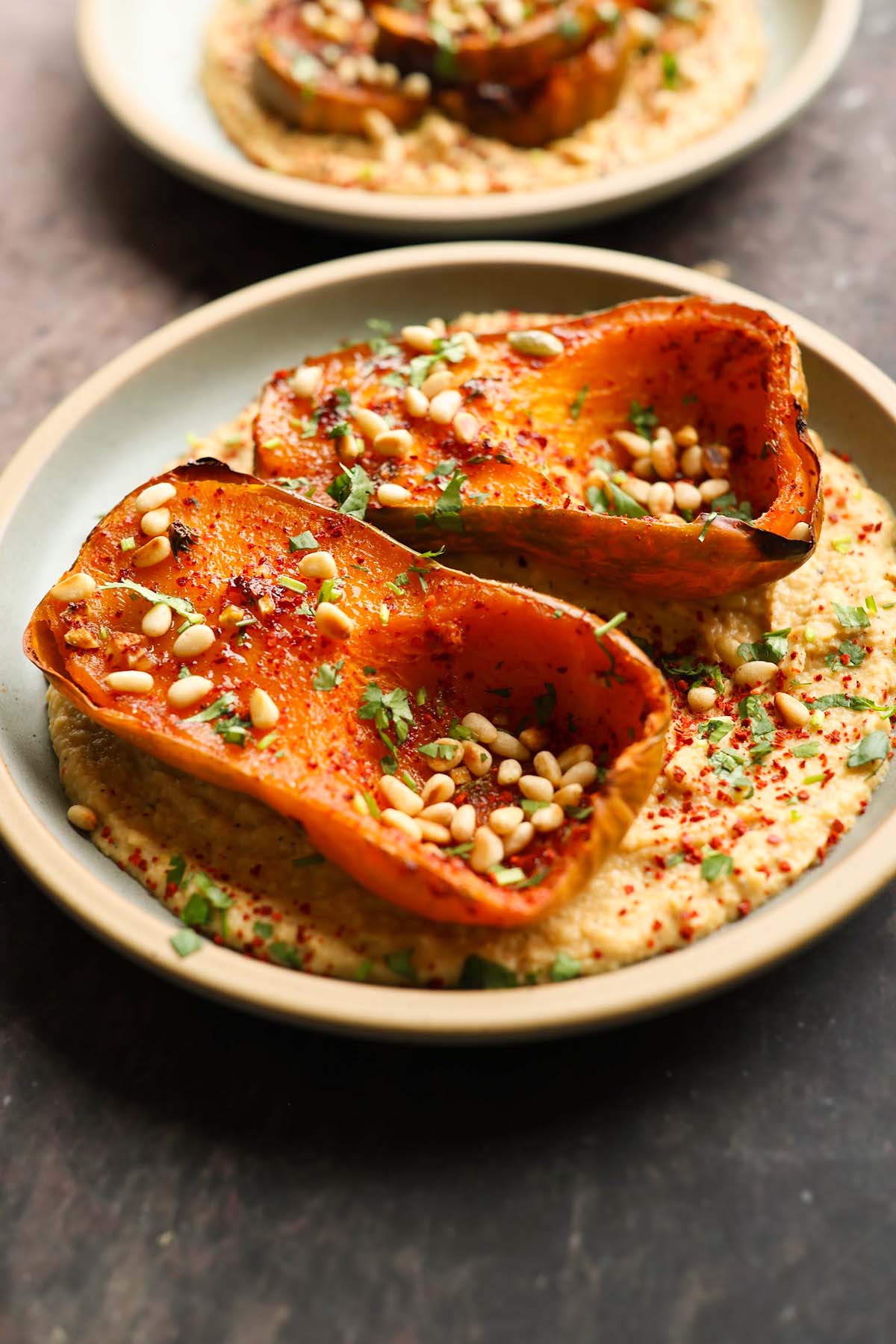
The culinary landscape of autumn 2026 has been marked by a shift toward nutrient-dense, plant-based comfort foods that prioritize seasonal produce. Among the most notable developments in home cooking this season is the emergence of the Honeynut squash—a smaller, sweeter descendant of the butternut variety—as a primary component in high-protein, fiber-rich dinner entrées. A new recipe featuring roasted Honeynut squash paired with a whipped chickpea base has gained traction for its ability to balance traditional seasonal flavors with substantial macronutrient profiles, offering 12 grams of both protein and fiber per serving.
The Evolution of Seasonal Squash Cuisine
Honeynut squash, which was developed through selective breeding at Cornell University’s School of Integrative Plant Science, has moved from a specialty farmers’ market item to a staple in modern plant-based kitchens. Unlike the larger butternut squash, which often requires significant prep time and physical effort to process, the Honeynut offers a concentrated sweetness and a thinner, edible skin.
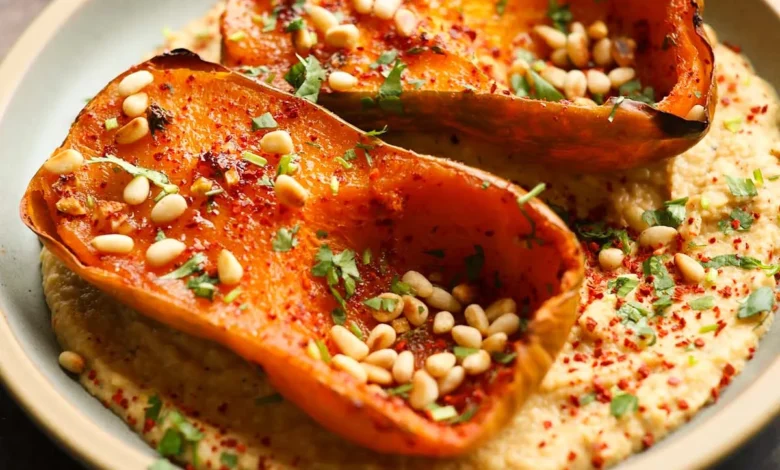
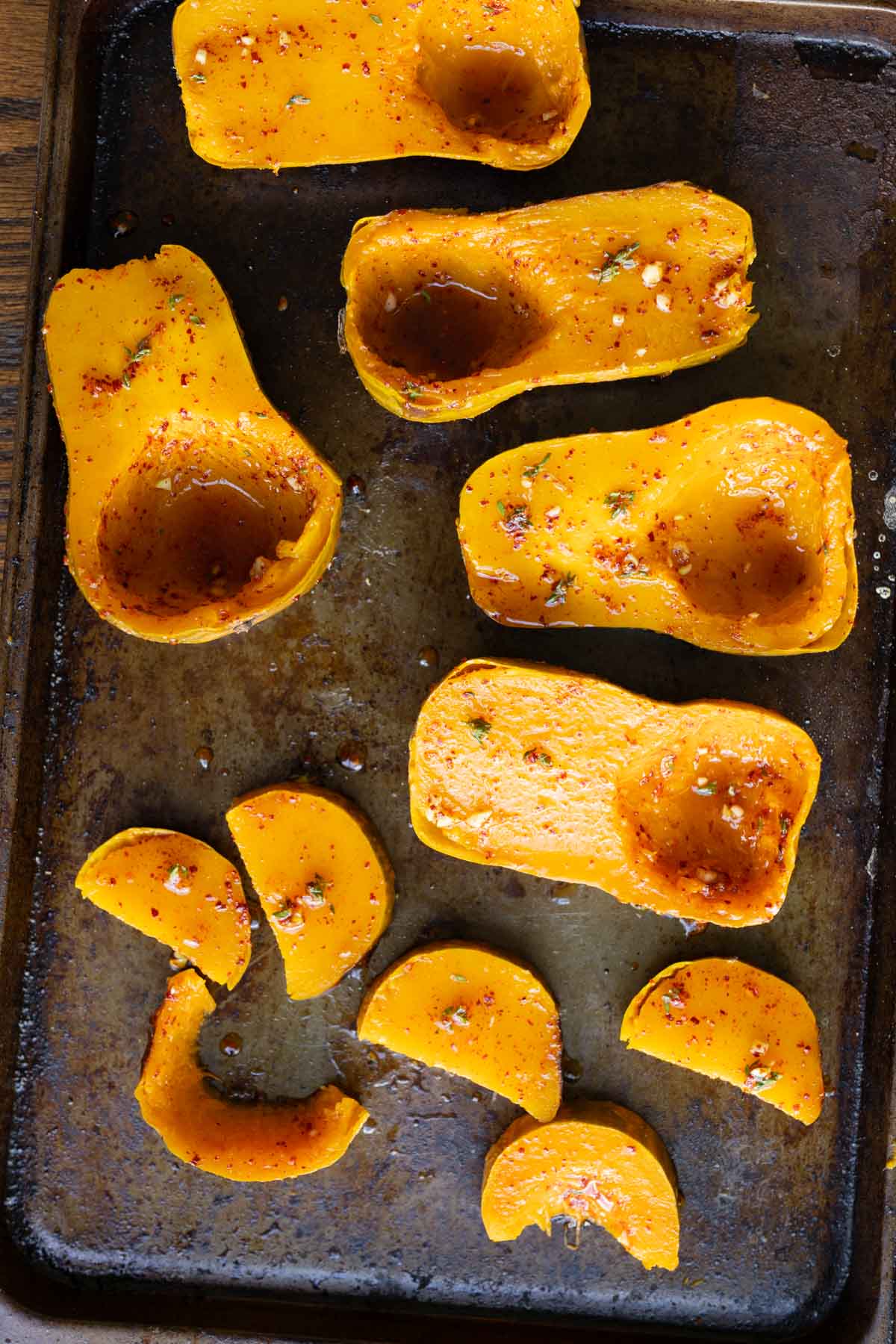
The current culinary trend, as demonstrated by this recent dish, involves a two-stage roasting process. By roasting the squash whole, cooks can circumvent the difficulty of slicing raw, hard-skinned winter squashes. This technique not only simplifies preparation but also ensures uniform caramelization. Once the squash reaches a tender consistency, it is sliced and glazed with a mixture of maple syrup, Dijon mustard, Aleppo pepper, and fresh thyme, then subjected to high-heat roasting to induce the Maillard reaction. This chemical process, occurring between amino acids and reducing sugars under heat, is essential for developing the deep, complex flavors associated with roasted vegetables.
Nutritional Profile and Dietary Implications
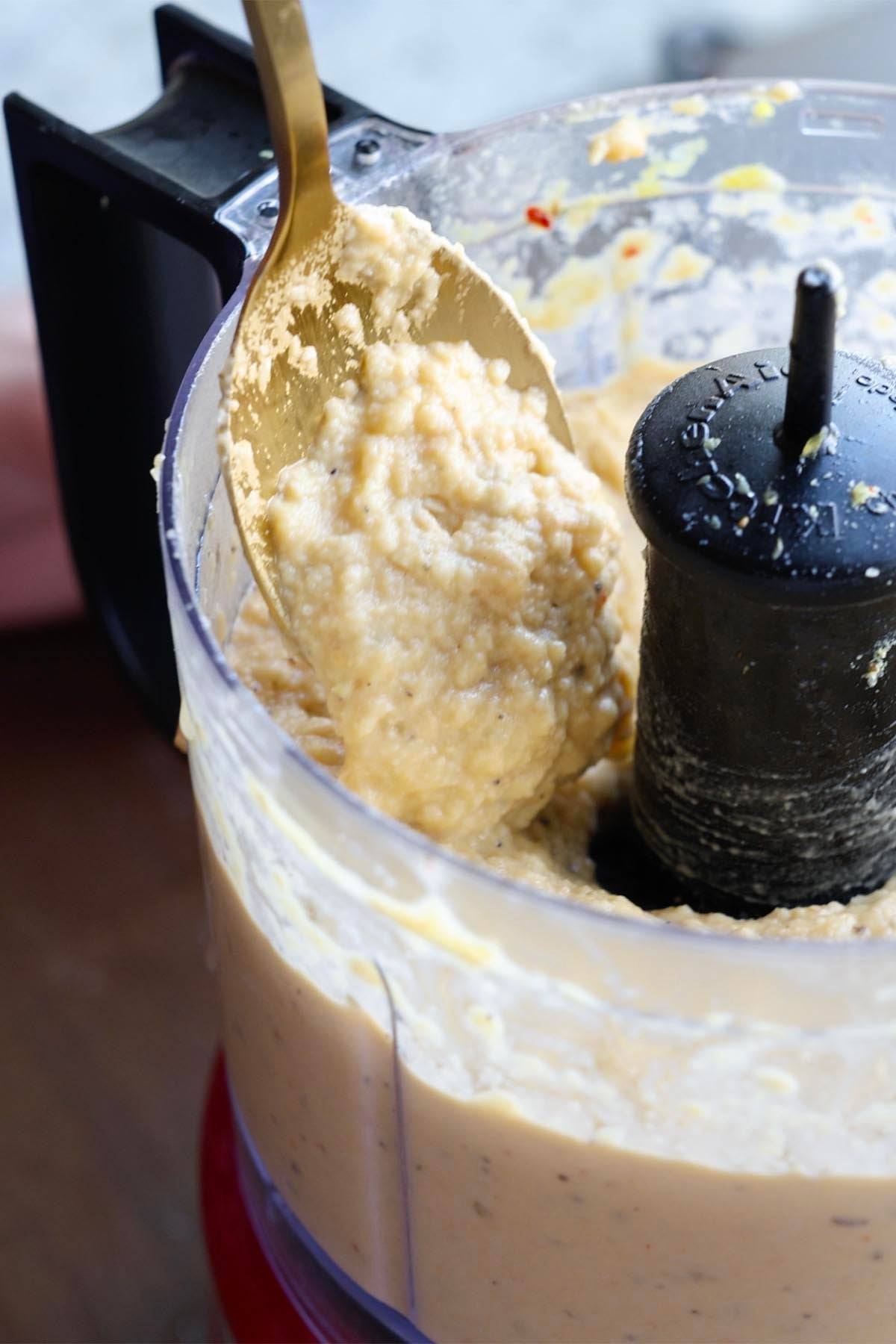
From a nutritional standpoint, the integration of legumes into squash-based meals represents a broader shift toward "functional comfort food." The inclusion of a lemon-infused chickpea puree serves a dual purpose: it provides a creamy, acidic counterpoint to the sweetness of the squash while significantly elevating the dish’s protein density.
Data analysis of this recipe indicates a total of 12 grams of protein and 12 grams of fiber per serving, a combination that is critical for sustained satiety. By incorporating chickpeas—a staple of the Mediterranean diet known for its high mineral content, including iron and manganese—the meal moves away from carbohydrate-heavy autumn dishes toward a more balanced macronutrient distribution. The recipe also offers high adaptability for various dietary restrictions, being naturally gluten-free and soy-free, with options to substitute nut-based toppings with seeds to accommodate common allergies.
Chronology of Preparation
The assembly of the dish follows a precise, efficiency-focused timeline designed for modern home kitchens:
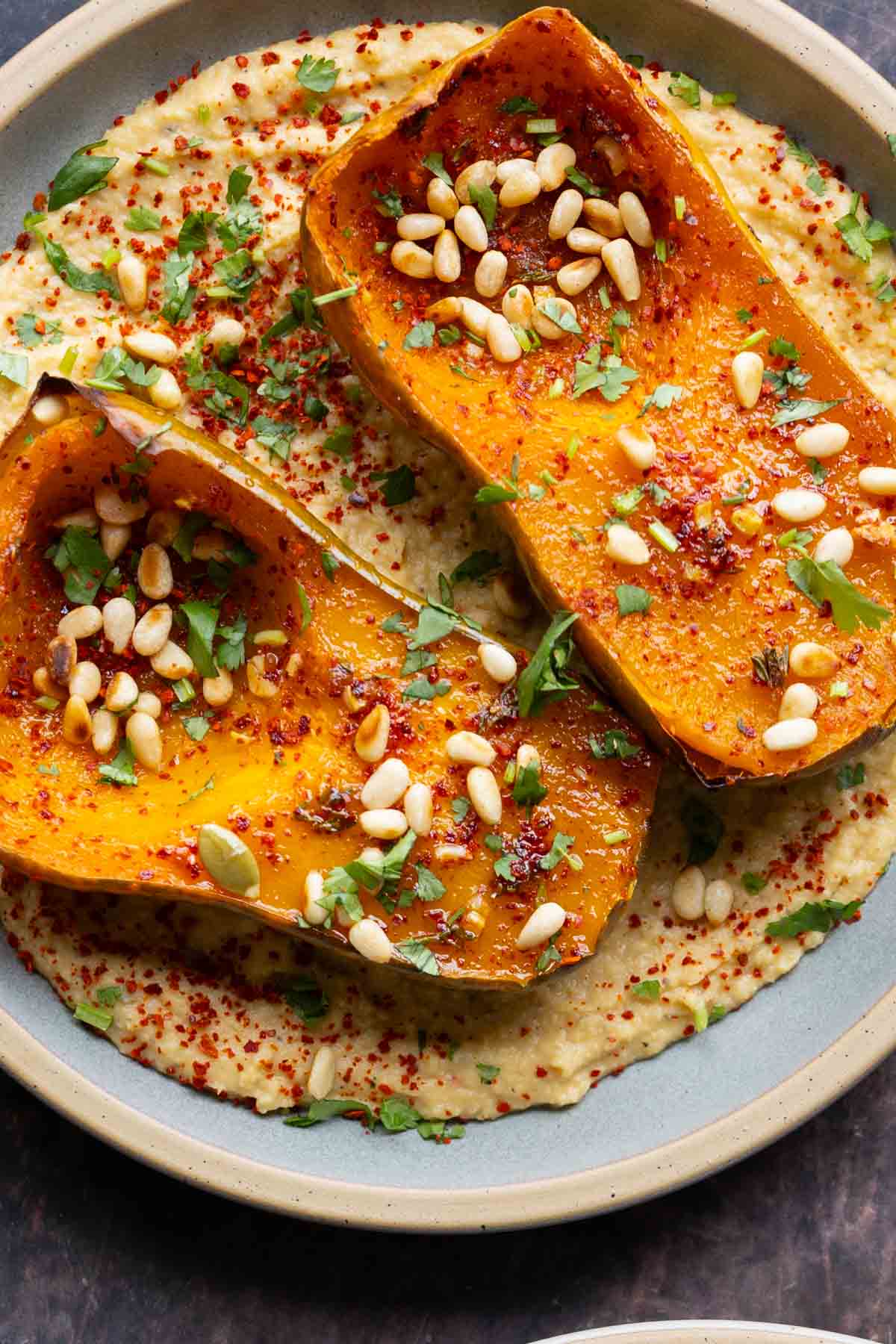
- Initial Thermal Processing: The process begins by preheating the oven to 425°F (219°C). The squash is washed and oiled before being roasted for 25 to 30 minutes. This phase is designed to soften the flesh, making the subsequent removal of seeds safer and more efficient.
- Glazing and Secondary Roasting: After a brief cooling period, the squash is opened and seeded. A glaze consisting of maple syrup, Dijon mustard, and aromatics is applied. The oven temperature is then increased to 500°F (260°C) for a 5-to-10-minute finish, which creates the final caramelized exterior.
- Puree Development: Concurrently, the chickpea base is prepared in a food processor. The incorporation of water, added in one-tablespoon increments, is necessary to achieve a smooth, mousse-like texture that supports the weight of the roasted squash halves.
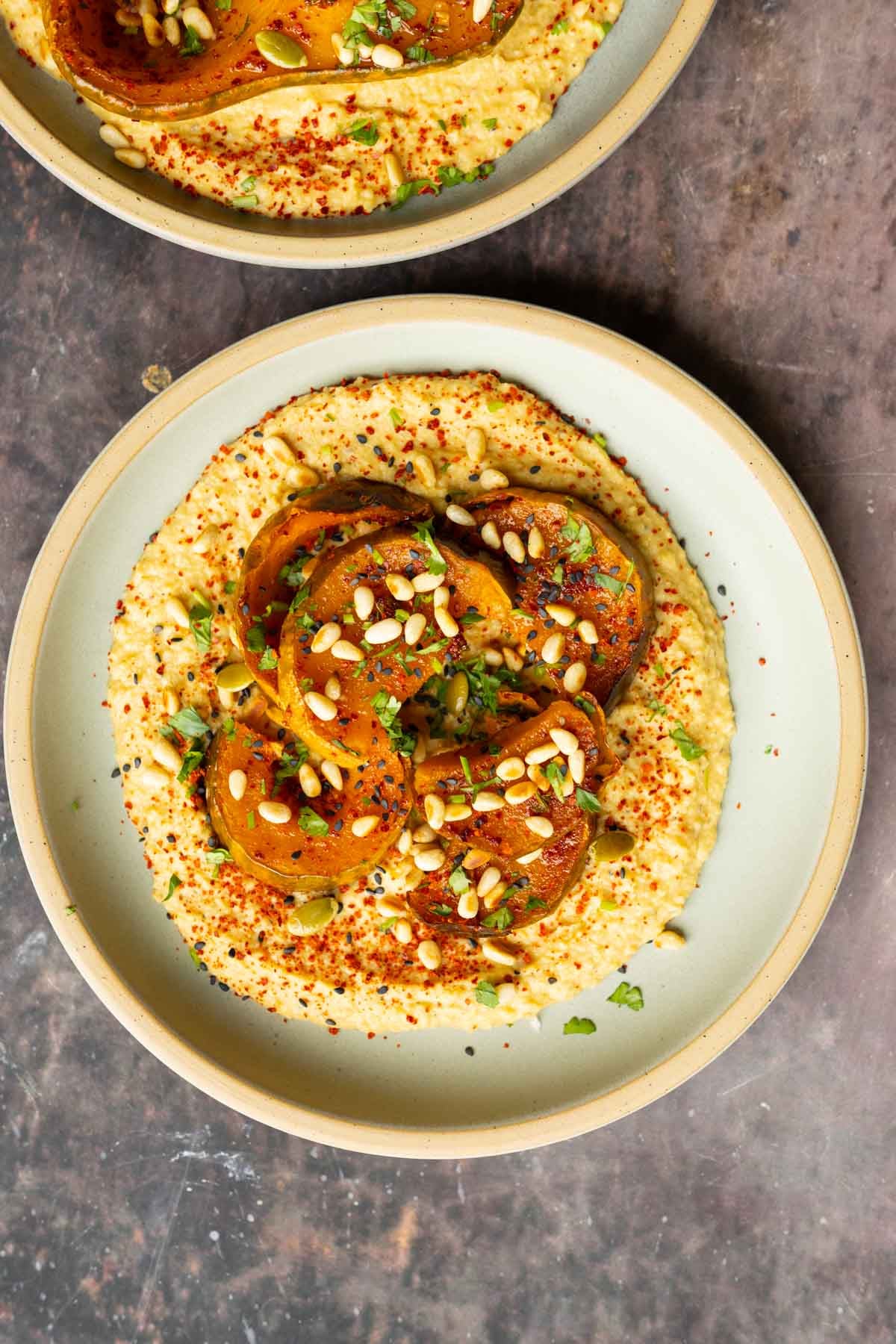
- Final Assembly: The dish is completed with toasted pine nuts, fresh herbs, and optional protein-boosting additions like hemp seeds or tempeh, depending on the desired total caloric and nutrient intake.
Expert Analysis on Ingredient Pairing
The pairing of maple and Dijon is a well-documented culinary strategy to balance the sugar content of winter squash. While the maple syrup provides a base of sweetness, the mustard introduces a sharp, vinegary profile that cuts through the starchiness of the vegetable. The addition of Aleppo pepper—a milder, fruitier chile flake—provides a subtle heat that prevents the dish from becoming overly saccharine.
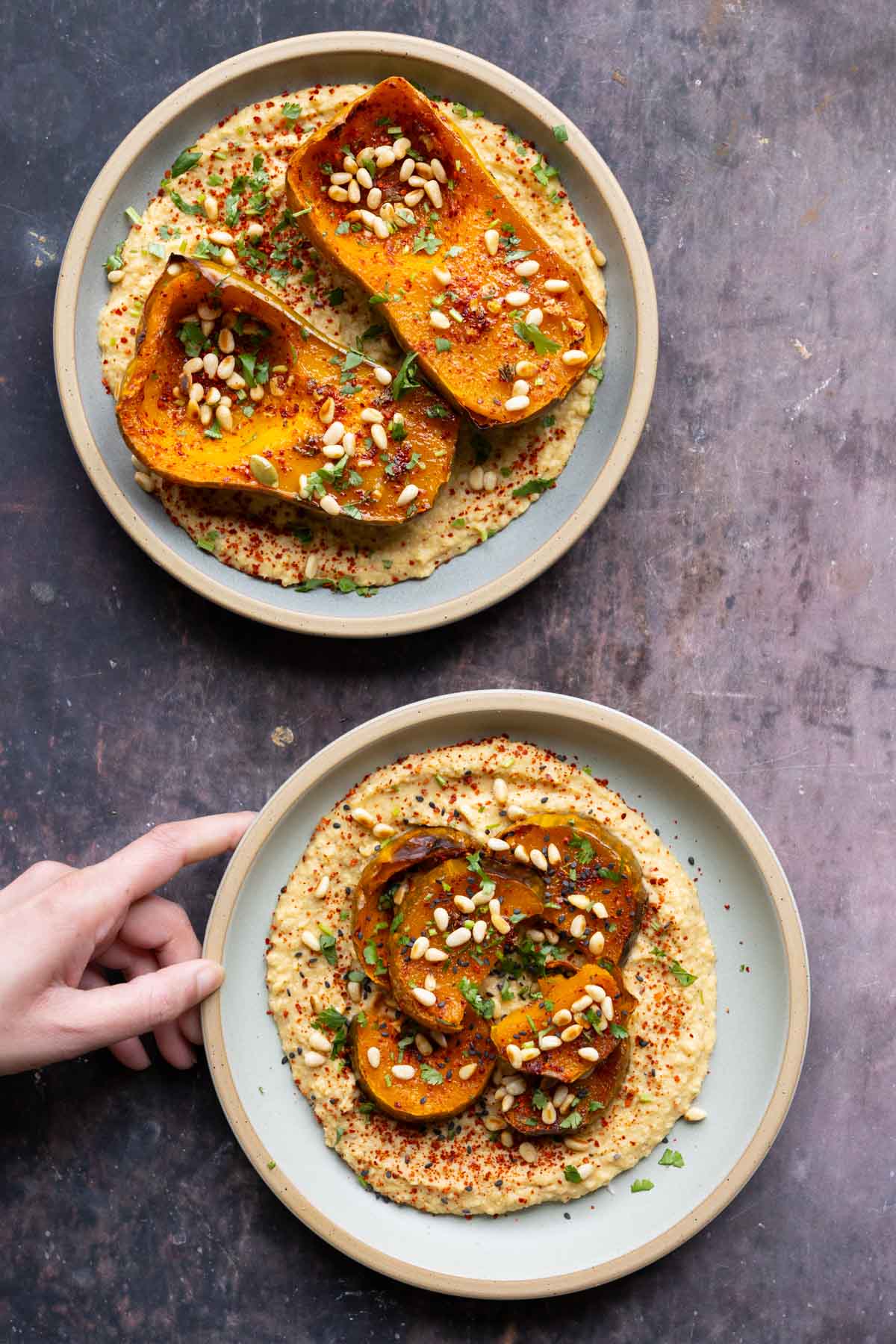
Dietitians observing these culinary trends note that the choice of accompaniments is vital for overall health outcomes. The recommendation to serve the squash over grains such as farro or quinoa, or alongside toasted multigrain bread, allows the consumer to tailor the dish’s total glycemic index. When paired with high-fiber grains, the meal becomes a comprehensive source of complex carbohydrates, which are essential for stable energy levels during the cooler months.
Broader Impact on Home Cooking Trends
The popularity of this dish reflects a larger movement in the culinary world toward "intentional sourcing." By utilizing the entire squash, including the edible skin, home cooks are engaging in practices that reduce food waste. Furthermore, the emphasis on a "whipped" texture—achieved through the mechanical action of a food processor—demonstrates an increasing preference for sophisticated textures in plant-based dining.
Industry analysts suggest that the rise of such recipes is a response to the growing demand for "accessible gourmet" meals. As consumers look for ways to prepare high-quality, plant-centric dinners without the need for expensive, processed meat alternatives, they are turning to traditional legumes and seasonal produce. The success of the Honeynut squash recipe lies in its simplicity; it relies on the natural flavor profiles of the ingredients rather than complex chemical additives or extensive preparation times.
Strategic Adjustments for Dietary Flexibility
The recipe’s design acknowledges the prevalence of modern dietary sensitivities. By utilizing chickpea-based miso for depth and avoiding common allergens, the dish can be served in a wide variety of social settings. For those with nut allergies, the instruction to swap pine nuts for toasted pumpkin seeds or sunflower seeds ensures that the essential textural component—a crunchy, fatty element—remains intact without compromising the safety of the meal.
Future Implications for Seasonal Menus
As we approach the height of the fall season, the shift toward these nutrient-dense combinations is expected to influence restaurant menus and home meal delivery kits alike. The focus on high-fiber, high-protein plant pairings aligns with public health initiatives that encourage the consumption of whole foods over processed alternatives. As more home cooks adopt these techniques—particularly the whole-roasting method for winter squash—it is likely that similar preparations will become standard for autumnal gatherings, moving away from traditional, heavier casseroles toward lighter, more vibrant, and nutritionally robust offerings.
In summary, the combination of roasted Honeynut squash and whipped chickpeas represents a thoughtful intersection of agricultural innovation, culinary science, and nutritional strategy. By leveraging the specific characteristics of seasonal produce and balancing them with high-protein legumes, home cooks are equipped to produce meals that are as health-conscious as they are flavorful.