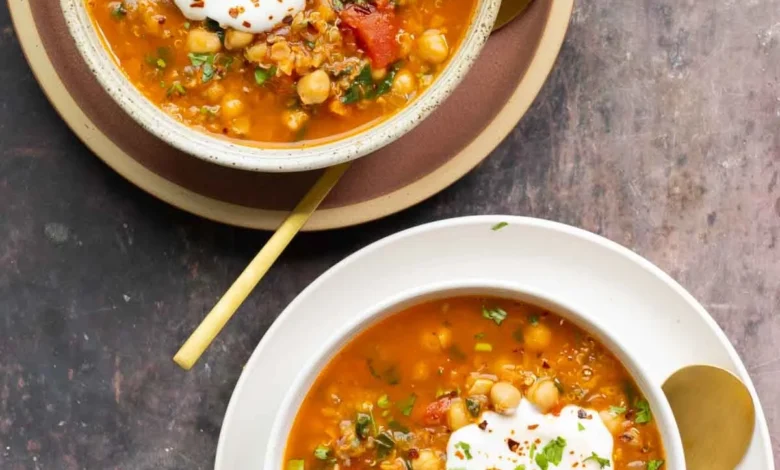
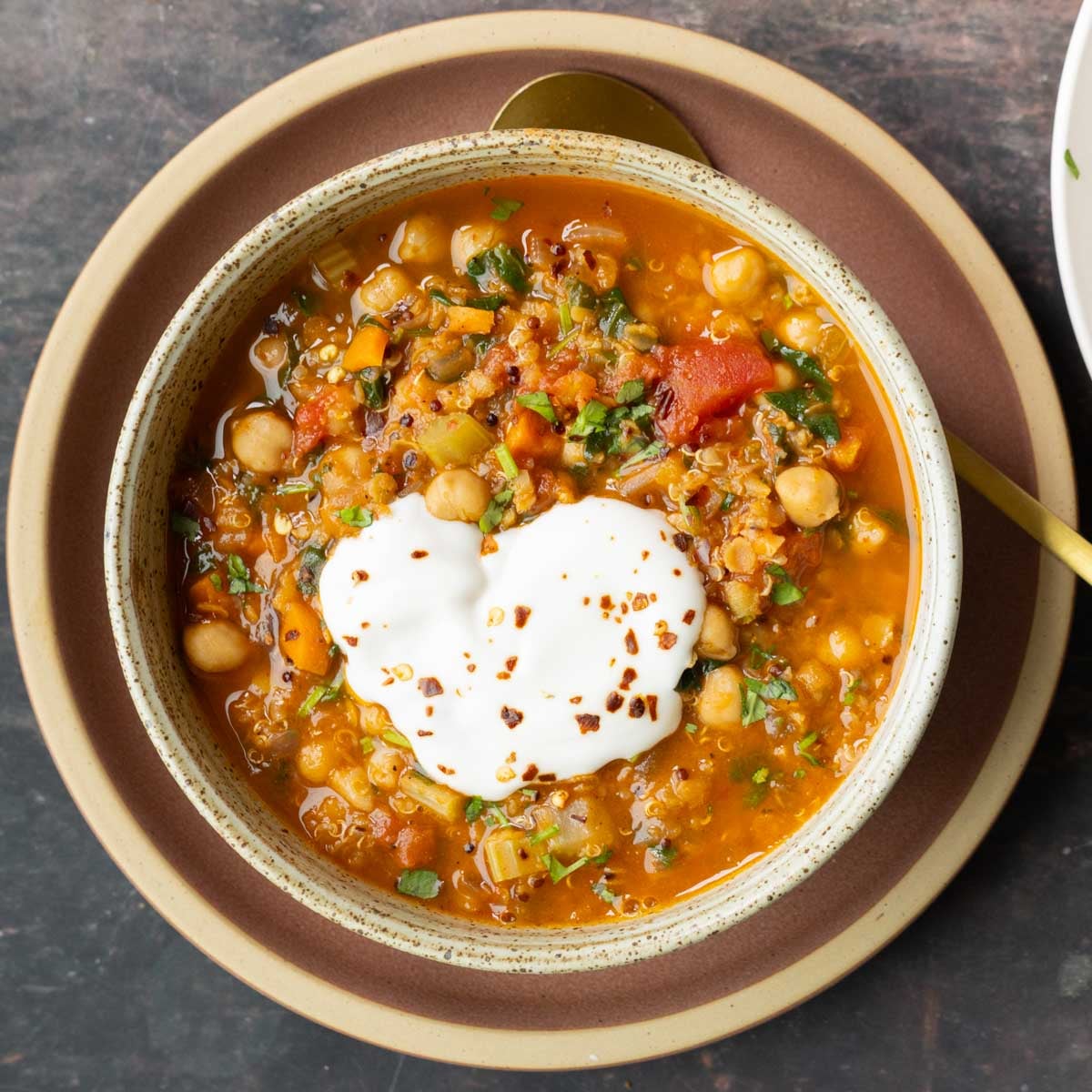
The culinary landscape of North Africa is defined by dishes that balance nutritional density with deep, complex flavor profiles, and few recipes exemplify this better than Harira. Traditionally consumed during the month of Ramadan to break the daily fast, this historic soup has transitioned into a global staple, appreciated not only for its cultural significance but for its accessibility and health benefits. A modern, plant-based adaptation of this classic dish—incorporating chickpeas, red lentils, and quinoa—has recently emerged as a focal point for home cooks seeking budget-conscious, nutrient-dense meal solutions.
Historical Context and Cultural Significance
Harira traces its roots back to the Maghreb region, particularly Morocco and Algeria. Historically, the dish served as an essential source of hydration and caloric replenishment for observers of Ramadan. Its composition—typically a base of legumes, tomatoes, and aromatic spices—was designed to provide sustained energy. The transition of the recipe into contemporary Western kitchens has maintained the integrity of these traditional flavor profiles while adapting the ingredients to meet the dietary requirements of a broader audience, including those adhering to gluten-free, soy-free, and oil-free protocols.
Nutritional Profile and Dietary Implications
The modern interpretation of Harira serves as a significant case study in plant-based nutrition. According to nutritional analysis, a single serving of this updated iteration provides 21 grams of protein and 21 grams of fiber, with a substantial iron content of 8 milligrams. These metrics are critical for individuals prioritizing plant-derived nutrients.
The inclusion of red lentils and quinoa offers a complete amino acid profile, which is often a challenge in strictly plant-based diets. Furthermore, the combination of tomatoes and aromatics provides a high concentration of antioxidants, including lycopene and vitamin C. When compared to conventional meat-based soups, this plant-forward approach maintains a favorable ratio of caloric density to micronutrient volume, making it an efficient option for meal preparation and long-term dietary health.
Chronology of Preparation and Culinary Methodology
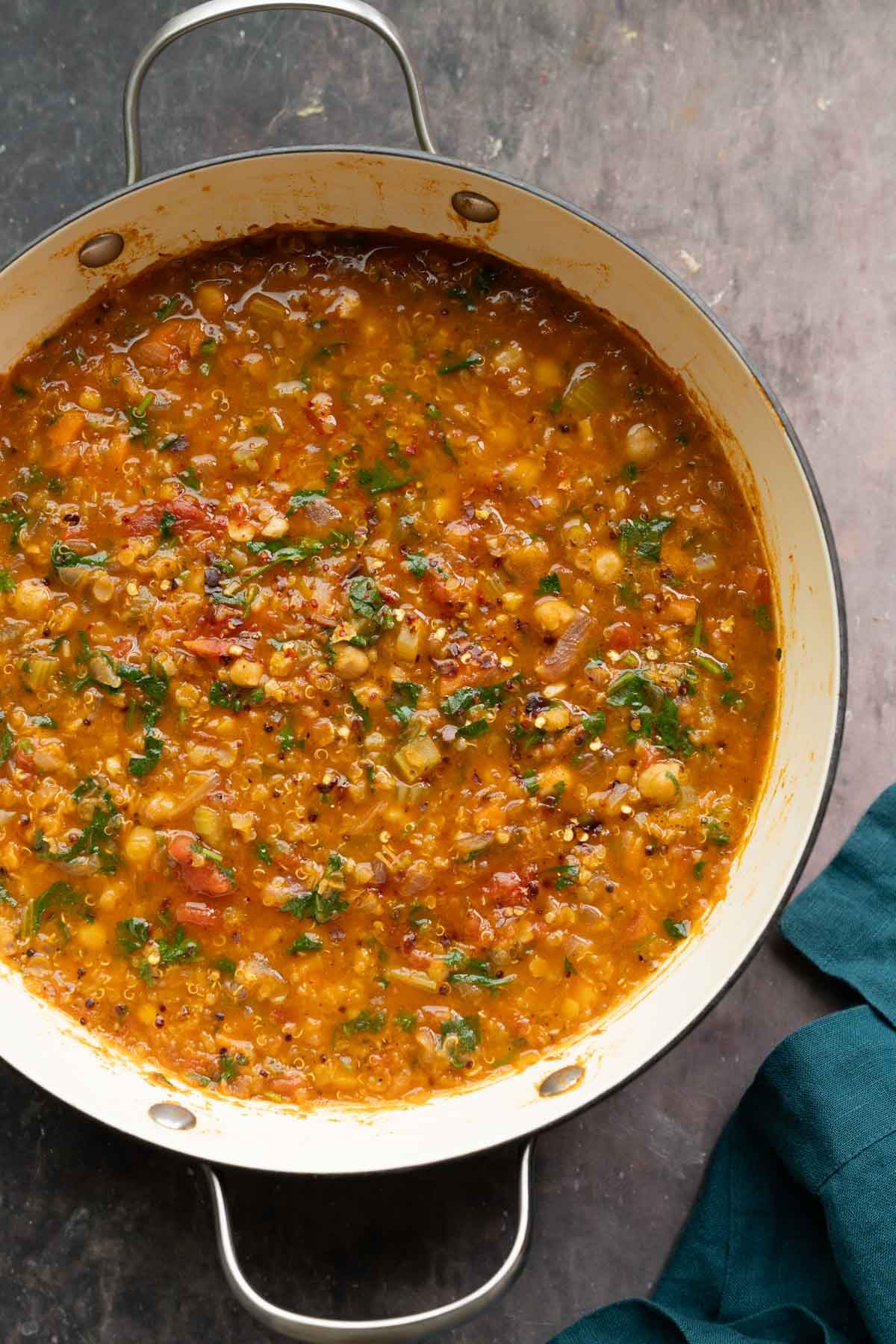
The evolution of the recipe has focused on reducing the time commitment required for traditional slow-simmering techniques without sacrificing flavor. The current standardized preparation method follows a strict, one-pot sequence:
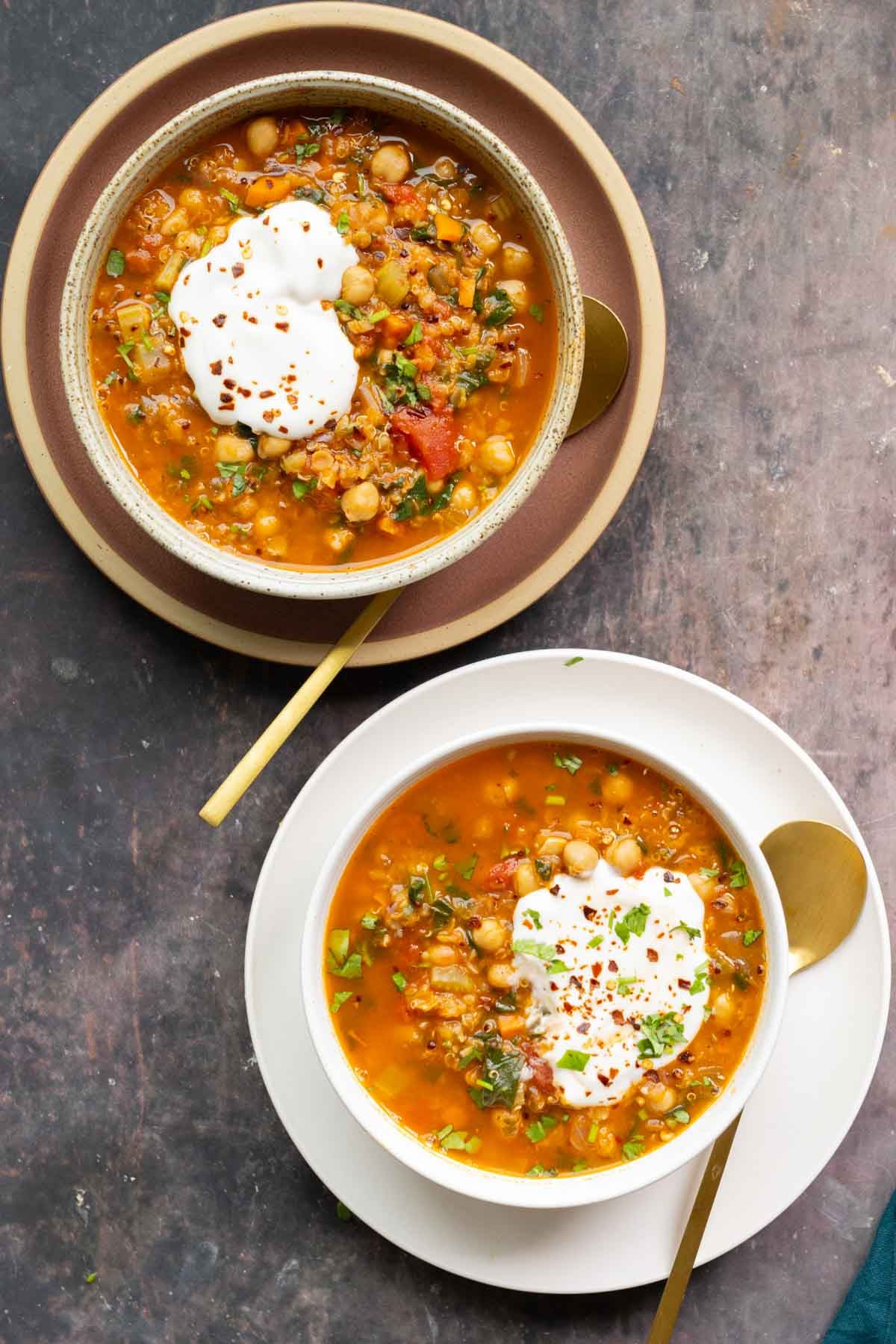
- Aromatic Base Construction: The process begins with the gentle sweating of garlic, onions, carrots, and celery. This stage is critical for building a foundational flavor profile, as the Maillard reaction—even in a moist environment—helps to release the inherent sugars in the vegetables.
- Spice Integration: The addition of traditional spices, often including ginger and cumin, combined with the browning of tomato paste, creates a "roasted" aroma that mimics the depth of flavor usually achieved through long-duration cooking.
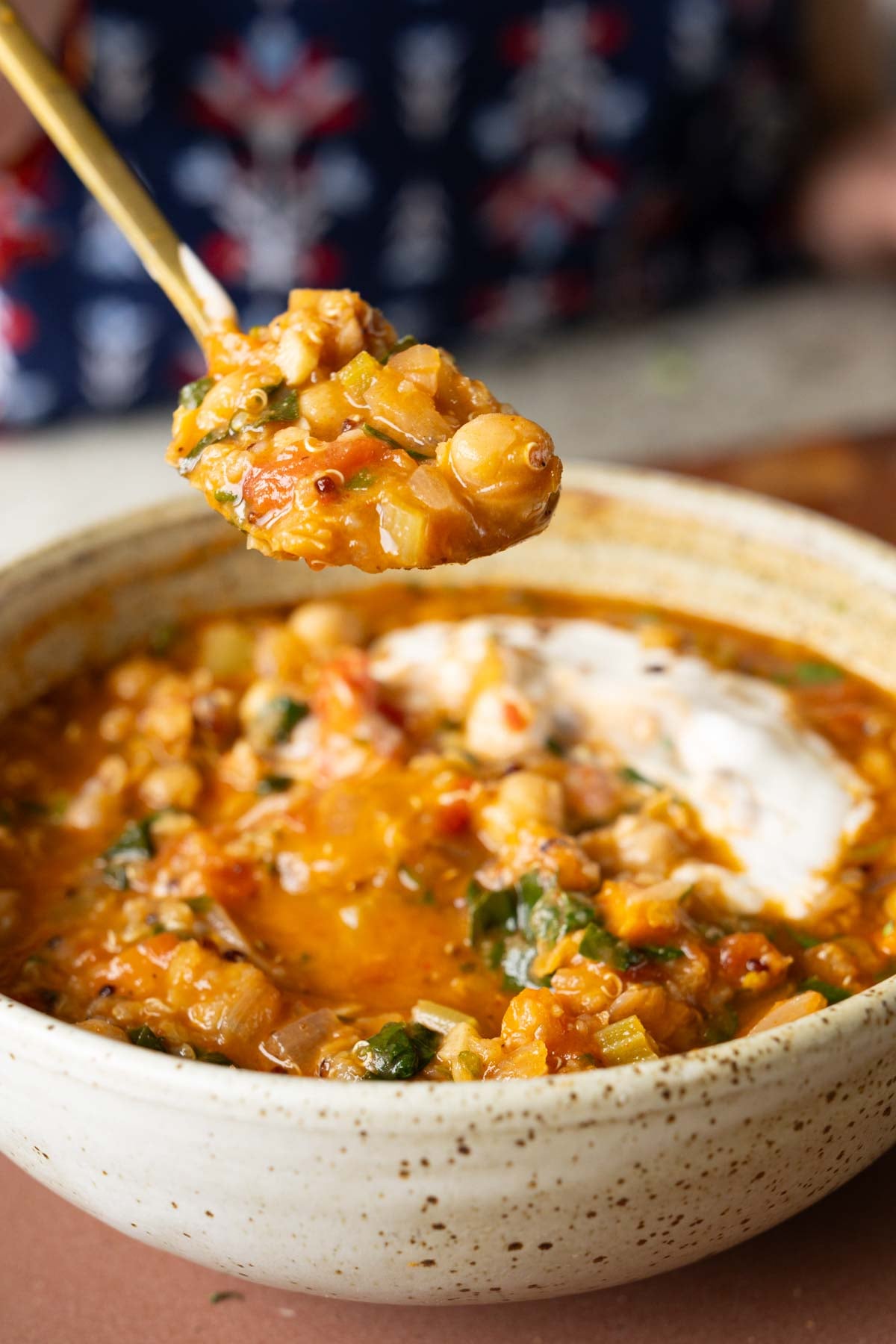
- Legume and Grain Synchronization: The timing of the protein sources is calibrated to ensure that red lentils and quinoa reach their optimal texture simultaneously, typically requiring a 20 to 30-minute simmer.
- Final Seasoning and Finishing: The concluding step involves the addition of fresh herbs, such as cilantro, and an acidic component like lemon juice, which brightens the heavy, savory notes of the legumes.
This accelerated timeline allows for a finished product in under 45 minutes, significantly lowering the barrier to entry for home cooks who lack the time for traditional, day-long preparation methods.
Economic Impact and Accessibility
In an era of rising food inflation, the economic efficiency of Harira is noteworthy. Financial analysis of the ingredient list—comprising shelf-stable staples like canned chickpeas, lentils, and dry grains—indicates that a full pot of this soup can be prepared for approximately $6.50 to $7.00. This low cost-per-serving, combined with its high shelf-life and freeze-friendly nature, positions it as a practical tool for budget management in household food planning.
The scalability of the recipe, which allows for large batches, further enhances its value as a staple for meal prep. Nutritional experts note that the affordability of such nutrient-dense meals is vital for addressing food insecurity and improving overall public health outcomes.
Professional Perspectives on Plant-Based Trends
Dietary researchers have observed a marked shift toward traditional, legume-based soups as the interest in sustainable eating grows. By removing animal-derived fats and proteins, the dish effectively addresses common modern dietary restrictions. The flexibility of the recipe—allowing for the removal of oil or the substitution of various legumes—enables a high degree of customization without compromising the structural integrity of the soup.
The consensus among food historians and nutritionists is that the endurance of Harira is due to its "open architecture." It is a dish that accepts modification based on regional availability of produce while remaining firmly rooted in its Moroccan heritage. Whether served with traditional crusty bread, toasted pita, or as a component in a larger meal over roasted vegetables, its versatility remains its primary advantage.
Broader Implications for Global Cuisine
The mainstream adoption of regional specialties like Harira highlights a broader trend in global gastronomy: the reclamation and modernization of heritage recipes. As these dishes are shared across digital platforms, they undergo a process of democratization. The ability to modify traditional recipes—such as substituting pasta with quinoa for gluten-free accessibility—reflects the changing nature of the global pantry.
The success of this specific version of the recipe in the domestic sphere suggests that consumers are increasingly seeking meals that are not only "healthy" in a generic sense but are specifically optimized for macro-nutrient goals. The 21g protein and 21g fiber counts are clear indicators of this demand. As the culinary world continues to move toward more sustainable and plant-centric models, dishes that combine ancient nutritional wisdom with modern, fast-paced convenience will likely remain at the forefront of home cooking trends.
Conclusion: A Future-Proof Staple
The Moroccan Harira, once a specialized regional dish, has evolved into a versatile, high-protein, and budget-friendly staple for the modern home. Through careful ingredient selection and the application of efficient, one-pot cooking methodologies, it provides a template for sustainable meal planning. As food costs fluctuate and interest in plant-based nutrition remains high, the relevance of this soup as both a cultural artifact and a functional health food is expected to persist, offering a reliable, nutrient-dense solution for families worldwide.
By emphasizing fresh finishing components like lemon and herbs, the dish retains its vibrant flavor profile despite its reliance on pantry-stable ingredients. It stands as a testament to the idea that traditional recipes do not need to remain static; rather, they can grow and adapt to meet the needs of each new generation while preserving the essence of their origin.