Transforming the Consumer Wine Journey: How Educational Wine Clubs Are Redefining Direct-to-Consumer Tastings

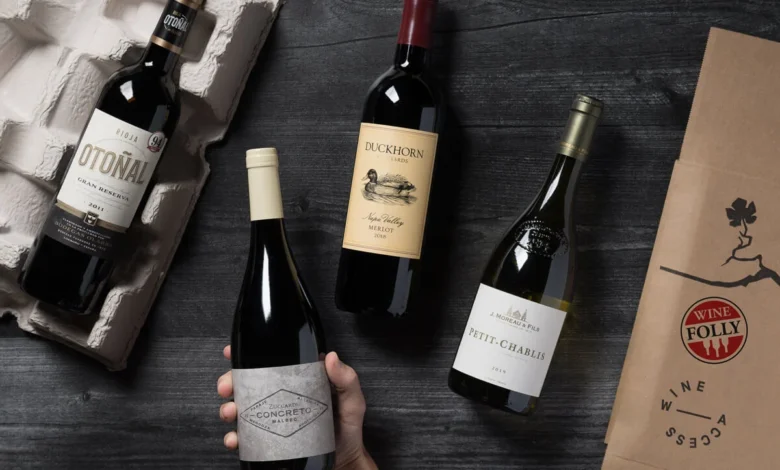
The direct-to-consumer (DTC) wine market has undergone a significant structural evolution over the past decade, shifting away from generic subscription models toward curated, highly educational experiences. As consumers increasingly seek authenticity, provenance, and deeper comprehension of their purchases, specialized wine education platforms have stepped in to bridge the gap between casual curiosity and master-level oenology. At the forefront of this movement are experiential wine clubs that prioritize the narrative, history, and science behind the bottle, transforming a routine household purchase into a guided academic exploration delivered straight to the consumer’s doorstep.
Industry analysts note that modern wine enthusiasts are no longer satisfied with simply receiving a randomized assortment of bottles based on basic color or sweetness preferences. Instead, demand has surged for comprehensive tasting journeys that unpack the nuances of terroir, grape varietal genetics, historical production methods, and the individual profiles of winemakers. This shift reflects a broader consumer trend toward experiential retail, where the value of a product is deeply intertwined with the knowledge and storytelling attached to it.
The Genesis of Experiential Wine Education

Historically, acquiring deep wine knowledge required formal certifications, expensive sommelier courses, or extensive travel to international wine regions. For the average enthusiast, the barrier to entry was remarkably high, often restricted by geographic limitations and a lack of access to rare or imported bottles that defied local retail distribution.
The introduction of guided, educational wine clubs democratized this landscape. By hand-selecting bottles from around the globe—often featuring small-batch producers whose yields are too low for traditional mass-market distribution—these programs introduced drinkers to regions and styles they could never source locally. Crucially, the model evolved to treat the physical bottle not as the end goal, but as a teaching tool. Each shipment is paired with digital assets, including regional maps, vintage reports, historical context, and expert tasting notes, enabling members to conduct structured vertical and horizontal tastings from their own dining rooms.
Anatomy of a Guided Wine Discovery Model
The architecture of a modern educational wine membership typically rests on three foundational pillars: global discovery, rigorous producer profiling, and interactive digital integration.
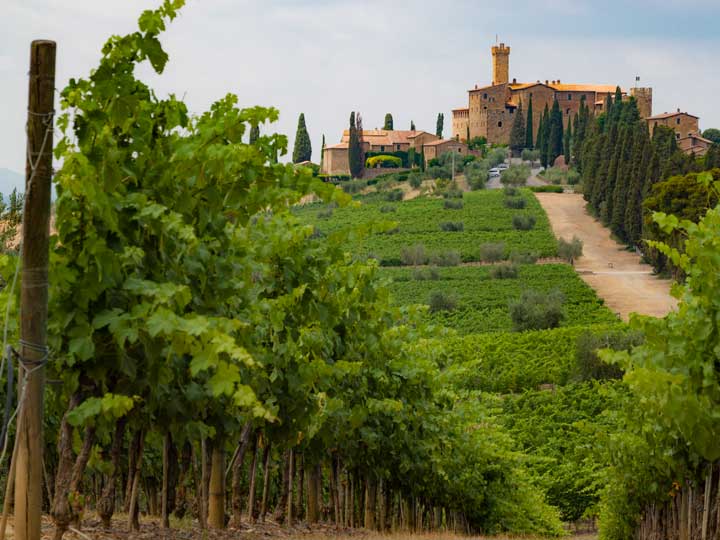
Rather than relying on algorithmic sorting that merely echoes a customer’s past purchases, curated programs intentionally disrupt predictable flavor profiles. By sourcing from emerging appellations, revivalist vineyards, and historic estates, curators expose members to unexpected varietals and lesser-known vinification techniques. This approach directly combats palate fatigue and expands the consumer’s sensory vocabulary.
Concurrently, the emphasis on the producer is paramount. Members are provided with deep-dive documentation regarding the philosophy of the winemaker, sustainable viticulture practices employed in the vineyard, and the specific geological and climatic factors—collectively known as terroir—that shaped the vintage. This contextual framework shifts the drinking experience from passive consumption to active appreciation.
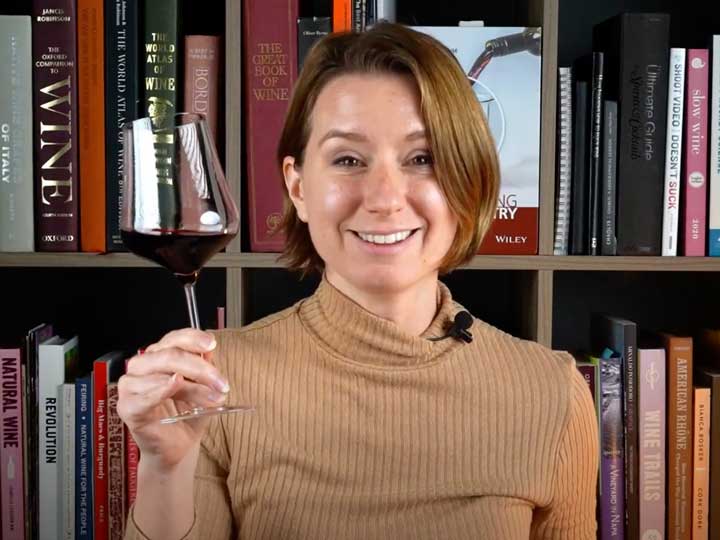
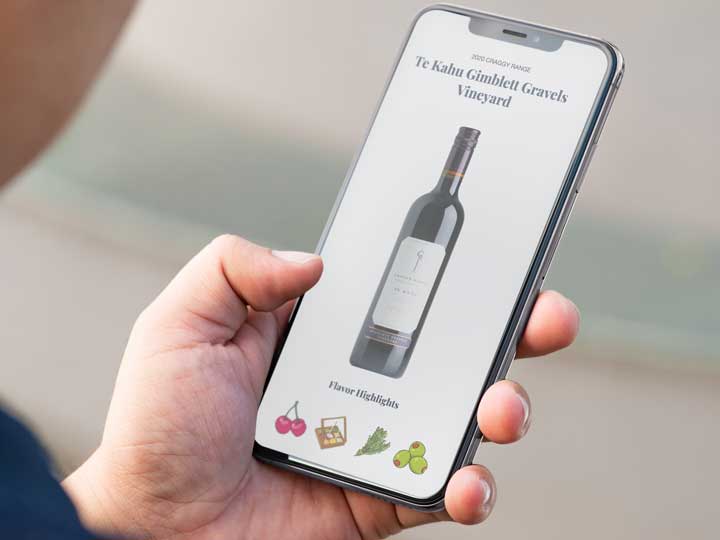
Furthermore, digital integration has become a cornerstone of retention and engagement. Members utilize secure web portals to access rich media content anytime and anywhere. These portals feature video masterclasses, food pairing matrices, detailed serving temperature guidelines, and professional tasting notes authored by certified wine experts. This multi-channel approach ensures that whether a member is opening a bold red from the slopes of Mount Etna or a crisp white from the Loire Valley, they have immediate access to professional guidance.
Consumer Reception and Quantitative Feedback

The success of the educational wine club model is reflected in high satisfaction rates and positive qualitative feedback from long-term subscribers. Market participants frequently highlight the unique balance between leisure and learning as a primary driver of their loyalty.
Laura M., a long-standing member of a premier educational wine club, praised the seamless integration of digital and physical components: "I really love your entire format for this club! You have honed this to perfection. I appreciate all the information on the members’ area on the website that includes varietal info, winery info, how to serve the particular wine, and more."
Similarly, subscribers often emphasize the value of accessing bottles that remain entirely absent from standard brick-and-mortar retail shelves. Milford C., another active subscriber, noted the logistical triumph of such programs: "You have brought wines that I cannot source locally, which is awesome. I also like comparison, vertical tasting, and exploring taste pairings. And if that is not enough, I love learning about and tasting value wines."
For many participants, the monthly delivery functions as a structured curriculum. Christine B. remarked on the cumulative educational benefit: "I love the in-depth information about the wine every month, the wineries, and your experiences with each of them. Thank you so much for helping me expand my wine knowledge and, of course, the opportunity to sample them too!"
Economic Structure and Market Implications
From an economic standpoint, structured wine clubs operate on a tiered subscription model, with baseline experiences generally starting at approximately $99 per month. This pricing reflects the higher operational costs associated with small-batch logistics, international sourcing, and the creation of proprietary educational media.
To maximize accessibility and capture seasonal demand, many providers have expanded their offerings to include flexible gifting options. Consumers can purchase prepaid memberships spanning two, three, six, or twelve months, making these educational packages popular presents for birthdays, holidays, and corporate milestones. Flexibility is further emphasized through transparent cancellation policies, allowing members to scale their participation based on personal lifestyle changes or budget considerations.
The Broader Impact on the Global Wine Industry
The rise of educational wine clubs carries significant implications for the broader wine ecosystem, particularly for independent growers and mid-tier vineyards. By creating a direct pipeline between niche international producers and engaged consumers, these platforms bypass traditional distribution bottlenecks that often favor massive commercial conglomerates.
Small-scale winemakers gain access to an international audience of appreciative buyers who understand the labor-intensive realities of artisanal production. In return, consumers gain a direct window into the traditions of global winemaking families, fostering a culture of mindful consumption.
As the direct-to-consumer landscape continues to mature, the differentiator for wine clubs will no longer be mere convenience, but the depth and quality of the educational framework they provide. By successfully bridging the gap between curiosity and mastery, these programs have permanently altered how modern consumers interact with, study, and enjoy the world of wine.