
Southern Grilled Barbecued Ribs

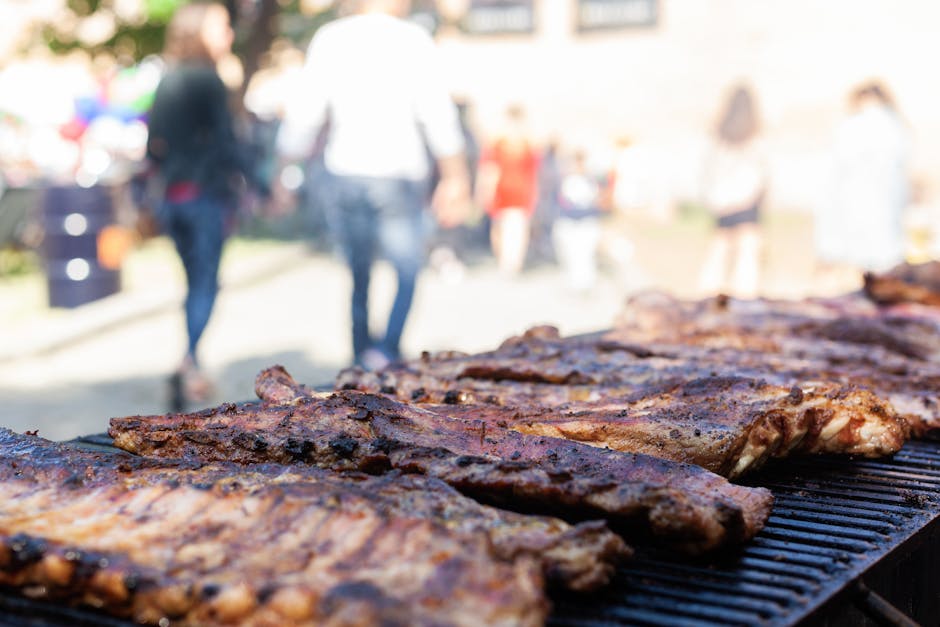
Southern Grilled Barbecued Ribs: A Definitive Guide to Smoky, Tender Perfection
The allure of southern grilled barbecued ribs transcends mere sustenance; it’s a cultural cornerstone, a testament to patience, low-and-slow cooking, and the transformative magic of smoke and spice. Achieving truly exceptional ribs on the grill requires a deep understanding of technique, the right ingredients, and a willingness to embrace the process. This comprehensive guide delves into every facet of crafting perfect southern-style ribs, from selecting the ideal cut to achieving that coveted fall-off-the-bone tenderness and irresistible smoky flavor. We’ll explore the science behind tenderizing, the art of the rub, the nuances of sauce application, and essential grilling strategies that will elevate your barbecue game from amateur to artisanal. Mastering these elements is not just about cooking; it’s about understanding the soul of southern barbecue and replicating it in your own backyard.
Understanding Rib Cuts: Pork Ribs are King in Southern Barbecue
When discussing southern grilled barbecued ribs, pork ribs are unequivocally the reigning champions. Several distinct cuts offer unique characteristics that cater to different preferences and cooking styles. The most prominent are St. Louis-style ribs and baby back ribs. St. Louis-style ribs are a portion of the sparerib, meticulously trimmed to remove the sternum bone, diaphragm, and cartilage, resulting in a more uniform, rectangular rack with a thicker, meatier profile. This cut boasts a robust pork flavor and a satisfying chew, making it a favorite for those who appreciate a substantial bite. Baby back ribs, on the other hand, are sourced from the upper rib cage near the spine. They are smaller, leaner, and more tender than St. Louis-style ribs, offering a delicate flavor and a quicker cooking time. While some may find them less forgiving due to their leanness, they are ideal for those seeking a quicker barbecue fix or a less intensely pork-forward experience. Spareribs, the un-trimmed cousins of St. Louis-style ribs, are also a popular choice, particularly in some regions of the South. They are characterized by their thicker cut, higher fat content, and a more pronounced bone structure, offering a rich, intensely porky flavor profile. The choice between these cuts often comes down to personal preference, desired cooking time, and the specific textural outcome sought. For maximum flavor infusion and that signature sticky glaze, St. Louis-style ribs or well-trimmed spareribs are often the preferred canvas for southern barbecue enthusiasts.
The Foundation of Flavor: The Dry Rub
The dry rub is the bedrock of southern barbecued ribs, laying the groundwork for the complex flavor profile that defines this culinary art form. A well-balanced rub is not merely a collection of spices; it’s an alchemical blend designed to enhance the natural sweetness of the pork, introduce savory notes, and create a beautiful, caramelized crust during the smoking and grilling process. The core components of a classic southern rub typically include brown sugar, paprika (smoked paprika is a particularly excellent choice for depth), black pepper, salt, garlic powder, and onion powder. The brown sugar, a crucial element, caramelizes under heat, contributing to the sticky glaze and adding a subtle sweetness that balances the savory and spicy elements. Paprika, beyond its vibrant color, offers a range of flavor profiles depending on the variety used – sweet, smoked, or even hot. Smoked paprika, in particular, imbues the ribs with an additional layer of smoky complexity, even before they hit the smoker. Black pepper provides a pungent kick, while salt is essential for both flavor enhancement and drawing out moisture from the meat, aiding in crust formation. Garlic and onion powder offer aromatic depth and savory undertones that are indispensable to the classic barbecue experience. Beyond these fundamentals, regional variations abound. Some rubs incorporate cayenne pepper or chili powder for added heat, cumin for earthy notes, mustard powder for a subtle tang, or even herbs like dried thyme or oregano. The key is balance – no single ingredient should overpower the others. Experimentation is encouraged; a perfectly tailored rub is a personal journey. Apply the rub generously to all surfaces of the ribs, ensuring even coverage. For optimal flavor penetration, it’s often recommended to let the rubbed ribs rest in the refrigerator for at least a few hours, or even overnight. This allows the salt to begin its tenderizing work and the spices to meld, creating a more profound and integrated flavor.
Tenderizing Techniques: The Science of Fall-Off-the-Bone Ribs
Achieving that coveted fall-off-the-bone texture in southern grilled barbecued ribs is a result of understanding and manipulating the connective tissues within the meat. Ribs, particularly spareribs and St. Louis-style ribs, contain a significant amount of collagen, a tough protein that breaks down into gelatin when subjected to prolonged, low-temperature cooking. This gelatin not only tenderizes the meat but also contributes to its succulence and mouthfeel. The primary method for this breakdown is slow cooking. Grilling at temperatures between 225°F and 275°F (107°C to 135°C) is paramount. This low heat allows the collagen to gradually liquefy without drying out or overcooking the muscle fibers. A common technique to accelerate this process and enhance moisture retention is the "Texas Crutch." Once the ribs have developed a desirable bark (the flavorful crust formed by the rub and smoke), they are typically wrapped tightly in aluminum foil. This creates a steaming environment that further tenderizes the meat and prevents it from drying out. Some pitmasters add a small amount of liquid to the foil packet, such as apple cider vinegar, broth, or even a splash of barbecue sauce, to further enhance moisture and flavor. After an initial period on the grill (often 2-3 hours), the ribs are unwrapped and returned to the grill, unwrapped, to allow the bark to re-crisp and the sauce to caramelize. Another effective tenderizing technique, often employed in conjunction with slow cooking, is the "pull-back" method. As the ribs cook, the meat will naturally begin to retract from the ends of the bones. A significant pull-back, often exceeding an inch, is a strong indicator that the connective tissues have sufficiently broken down and the ribs are approaching peak tenderness. Resist the urge to overcook; while tenderness is desirable, mushy ribs are a sign of excessive heat or time. The ideal texture offers a slight resistance when bitten, with the meat cleanly separating from the bone with minimal effort.
The Art of the Sauce: Sweet, Tangy, and Smoky Finishes
While the dry rub provides the initial flavor foundation, barbecue sauce often serves as the finishing touch, adding a layer of sweetness, tanginess, and often, an extra punch of smoky complexity to southern grilled barbecued ribs. The southern barbecue sauce landscape is vast and diverse, with regional variations dictating preferred flavor profiles. In Kansas City, a thick, sweet, and tangy sauce, often tomato-based with molasses and vinegar, is iconic. Carolina barbecue is known for its thinner, vinegar-based sauces, often with a hint of spice, particularly in the eastern part of the state. In Memphis, a dry rub is often favored, but when sauce is used, it tends to be a thinner, slightly sweet, and tangy glaze. When applying sauce to ribs on the grill, timing is critical. Applying sauce too early can lead to burning due to its sugar content. The optimal window for sauce application is typically during the final stages of cooking, often in the last 30-60 minutes. This allows the sauce to heat through, caramelize, and adhere to the ribs without scorching. Basting the ribs every 10-15 minutes during this phase builds up layers of flavor and creates that irresistible sticky glaze. Some pitmasters prefer to finish their ribs with a sauce that has been warmed separately before application, ensuring it heats evenly and contributes to the overall cooking process rather than cooling the meat. For those seeking an authentic southern experience, consider making your own barbecue sauce. This allows for complete control over the flavor profile, enabling you to adjust sweetness, tanginess, and spice levels to your exact preferences. A homemade sauce can be as simple as a ketchup and vinegar base enhanced with brown sugar, Worcestershire sauce, and your favorite spices, or it can be a more complex concoction featuring fruits, chilies, and various aromatic ingredients.
Grilling Strategies: Mastering the Low-and-Slow Method
The success of southern grilled barbecued ribs hinges on mastering the low-and-slow grilling technique. This approach emphasizes indirect heat and consistent, moderate temperatures to gently cook the ribs, allowing smoke to permeate the meat and connective tissues to break down. Direct heat, as with searing steaks, is detrimental to tender ribs, leading to charring and dryness before the meat is cooked through. Charcoal grills offer superior flavor infusion from the wood coals and are a popular choice for authentic barbecue. Kettle-style grills, with their adjustable vents, provide excellent control over temperature. For charcoal grilling, it’s recommended to arrange the coals on one side of the grill, creating a hot zone and a cooler, indirect zone. The ribs are placed on the cooler side, away from the direct heat source. Wood chunks or chips, such as hickory, mesquite, or applewood, are essential for imparting that signature smoky flavor. These should be soaked in water for at least 30 minutes to an hour to prevent them from burning too quickly and producing acrid smoke. Place the soaked wood directly onto the hot coals to generate smoke. Maintaining a consistent temperature is paramount. Aim for a grill temperature between 225°F and 275°F (107°C to 135°C). This can be achieved by carefully managing the vents on the grill – opening them increases airflow and temperature, while closing them restricts airflow and lowers temperature. Use a reliable meat thermometer to monitor the internal temperature of the ribs, aiming for an internal temperature of around 195°F to 205°F (90°C to 96°C) for optimal tenderness. Patience is a virtue in barbecue. Ribs typically require 3 to 5 hours of cooking, depending on the cut, thickness, and grill temperature. Resist the urge to constantly flip or move the ribs; allow them to cook undisturbed on the indirect heat side for extended periods, turning them only occasionally to ensure even cooking and bark development.
Wood Smoke: The Soul of Southern Barbecue
Wood smoke is not merely an aroma; it is an integral component of southern grilled barbecued ribs, infusing the meat with nuanced flavors that transform it into something truly extraordinary. The type of wood used significantly impacts the final taste. Hickory, a classic choice, imparts a strong, assertive, smoky flavor that is a hallmark of southern barbecue. Mesquite offers a more intense, earthy smoke flavor, often favored in Texas barbecue. Fruitwoods like applewood and cherrywood provide a milder, sweeter smoke that complements pork beautifully, adding a delicate fruity undertone. Pecan wood offers a flavor profile somewhere between hickory and fruitwoods, with a pleasant nutty essence. The form of wood used also matters. Wood chunks, larger pieces of wood, burn slower and produce a more sustained smoke, ideal for long cooks. Wood chips, smaller pieces, burn more quickly and are often used for shorter periods or to supplement smoke production. For optimal smoke flavor, wood should be added to the coals when the grill is at temperature. Soaking wood chunks or chips for at least 30 minutes to an hour before use is crucial. This prevents them from igniting too quickly and burning out, ensuring a consistent, smoldering smoke rather than a harsh, acrid flame. Too much smoke, particularly early in the cooking process, can lead to an overpowering, bitter flavor. The goal is a gentle, aromatic smoke that permeates the meat without overwhelming its natural pork flavor. Monitor the smoke – it should be a thin, bluish-white haze, not thick, white, acrid smoke. This indicates the wood is smoldering effectively, not burning. The duration of smoking also plays a role. Longer smoking times, within the low-and-slow parameters, allow for deeper smoke penetration.
Resting and Serving: The Grand Finale
The final crucial step in crafting perfect southern grilled barbecued ribs is the resting period. Once removed from the grill, the ribs should be allowed to rest for at least 15-30 minutes. This allows the juices within the meat to redistribute. During cooking, the muscle fibers contract, pushing juices towards the surface. Resting allows these juices to flow back into the meat, resulting in more succulent and flavorful ribs. If sliced immediately after cooking, these juices will escape, leaving the meat drier. Many pitmasters will loosely tent the ribs with foil during the resting period to retain warmth. Serving southern grilled barbecued ribs is a celebratory affair. They are typically served whole racks, allowing diners to appreciate their visual appeal, or they can be sliced between the bones into individual portions. Classic accompaniments include coleslaw, potato salad, baked beans, cornbread, and pickles. A variety of barbecue sauces should also be offered, allowing for personal preference. The goal is a harmonious presentation that showcases the culmination of careful preparation, patient cooking, and the vibrant flavors of southern barbecue. The appreciation for well-executed ribs is often in the visual – the glistening glaze, the perfectly rendered fat, the clean separation of meat from bone, and the lingering aroma of smoke and spice.


