Tag Key Lime Poke Cake
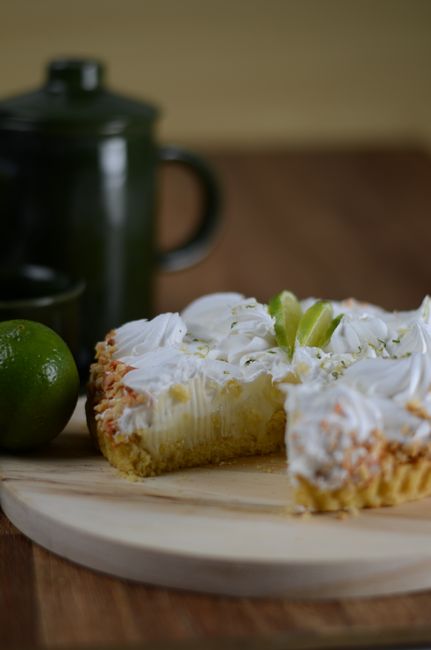
Key Lime Poke Cake: A Zesty Dive into Tropical Bliss
This article explores the multifaceted appeal of Key lime poke cake, a dessert that masterfully blends tart citrus notes with the moist, tender crumb characteristic of poke cakes. We will delve into its origins, essential ingredients, the science behind its unique texture, popular variations, troubleshooting tips, and its undeniable place in both casual gatherings and more formal dessert spreads. The goal is to provide comprehensive information for home bakers and dessert enthusiasts seeking to understand, recreate, and optimize this beloved treat. The bright, tangy flavor of Key limes offers a refreshing counterpoint to the sweetness of the cake and frosting, making it a sophisticated yet approachable dessert.
The fundamental components of a Key lime poke cake are straightforward, yet their interplay is crucial to the final flavor and texture. The cake itself typically starts with a standard white or yellow cake mix. This provides a neutral base that readily absorbs the flavorful liquids poured over it. The key ingredient, of course, is Key lime. These small, intensely aromatic limes possess a unique tartness and floral aroma distinct from Persian limes. Their juice is essential for both the cake’s filling and the frosting. Other integral components include sweetened condensed milk, which contributes moisture and sweetness, creating the signature "poke cake" texture, and a creamy topping, most commonly a whipped cream frosting or a cream cheese frosting, often infused with additional lime zest for an extra punch of flavor. Sugar, eggs, and oil or butter are standard cake-making ingredients that contribute to structure, richness, and tenderness. The quality of these ingredients, particularly the freshness of the Key lime juice and zest, directly impacts the depth of flavor in the finished product. For optimal results, using freshly squeezed Key lime juice is highly recommended over bottled alternatives, which can sometimes have a metallic or artificial taste.
The magic of a poke cake lies in its unique preparation method, which imbues the cake with an unparalleled moistness and allows for the infusion of intense flavors. After the cake is baked and still warm, a series of holes are meticulously poked into its surface. This is typically achieved with the handle of a wooden spoon, a skewer, or even a fork. The density of the holes and their depth are important; too few or too shallow, and the liquid won’t penetrate effectively. Too many or too deep, and the cake’s structure can be compromised, leading to a gummy texture. Into these holes, a liquid mixture is poured. For Key lime poke cake, this mixture is predominantly composed of sweetened condensed milk, often thinned slightly with Key lime juice or even a touch of evaporated milk. The sweetened condensed milk, rich in sugar and milk solids, caramelizes slightly upon contact with the warm cake, creating pockets of concentrated sweetness and moisture. The Key lime juice within this mixture not only adds its signature tartness but also begins to "cook" the starches in the cake, further contributing to its incredibly tender and almost pudding-like texture in the areas where the liquid has penetrated. This process is what differentiates a poke cake from a standard cake, creating a dessert that is consistently moist throughout, without being dense or heavy.
The creation of a truly exceptional Key lime poke cake involves careful attention to ingredient ratios and preparation techniques. When selecting Key limes, look for firm, smooth-skinned fruits. The smaller size is indicative of their intense flavor. To extract maximum juice, gently roll the limes on a countertop before cutting them in half. For the cake itself, adhering to the instructions of a reliable recipe is paramount. Overmixing the batter can develop gluten excessively, resulting in a tough cake. The baking time is also critical; an underbaked cake will be gummy, while an overbaked one will be dry and crumbly, making it less receptive to the filling. The temperature of the cake when poking is another key factor. A cake that is too hot can cause the sweetened condensed milk mixture to spread too thinly and evaporate too quickly. Conversely, a cake that is completely cool will not absorb the liquid as effectively. Aim for a cake that is still warm to the touch but not piping hot. When pouring the sweetened condensed milk mixture, ensure it is distributed as evenly as possible across the entire surface of the cake to achieve uniform moisture distribution.
The topping for Key lime poke cake plays a vital role in both flavor and presentation. A classic choice is a simple whipped cream frosting. To achieve a stable and flavorful whipped cream, ensure it is made with cold heavy cream and sweetened with powdered sugar, which dissolves more readily than granulated sugar. Infusing the whipped cream with fresh Key lime zest adds an extra layer of bright citrus aroma and flavor that complements the filling beautifully. Another popular and equally delicious option is a cream cheese frosting. The tanginess of the cream cheese provides a delightful counterpoint to the sweetness of the cake and condensed milk, creating a richer and more decadent flavor profile. When making a cream cheese frosting, softened cream cheese is essential for a smooth, lump-free texture. Both butter and cream cheese contribute to the richness and spreadability of the frosting. For both types of frosting, adding a touch of Key lime juice and zest further enhances the overall Key lime experience, creating a harmonious blend of flavors. The key to a successful frosting is to ensure it is applied when the cake has cooled sufficiently. Applying frosting to a warm cake will cause it to melt and slide off.
Variations on the classic Key lime poke cake abound, offering bakers the opportunity to personalize this tropical delight. One popular adaptation involves incorporating a layer of Key lime curd as part of the filling or even as a standalone layer between the cake and frosting. The intense, concentrated flavor of a well-made Key lime curd adds a sophisticated tartness and a silken texture that elevates the dessert. Another approach is to introduce coconut into the mix. This can be done by adding shredded coconut to the cake batter, using a coconut milk-based frosting, or toasting shredded coconut for a crunchy garnish. This coconut-Key lime combination evokes the quintessential flavors of a tropical paradise. For those who enjoy a more intense citrus experience, some recipes suggest adding a layer of lime gelatin to the cake before pouring the condensed milk mixture. This adds a jiggly texture and an extra burst of lime flavor. Edible decorations are also a common addition, with candied lime slices, fresh mint leaves, or even a dusting of green-tinted powdered sugar adding visual appeal and further enhancing the tropical theme.
Troubleshooting common issues encountered during the creation of Key lime poke cake is crucial for consistent success. A cake that is too dry, despite the poking process, might be due to overbaking or insufficient liquid. Ensure the cake is baked just until a toothpick inserted into the center comes out clean, and that the sweetened condensed milk mixture is poured generously and evenly. A gummy or overly dense poke cake can result from overmixing the batter, using a cake that is too hot when poked, or too much liquid being absorbed. It’s important to find that delicate balance in cake texture and liquid absorption. If the frosting is too runny, it might be due to insufficient chilling of the whipped cream or not allowing the cream cheese to soften adequately. If the frosting is too stiff, adding a tablespoon of milk or lime juice at a time can help achieve the desired consistency. Preventing the sweetened condensed milk mixture from soaking all the way to the bottom can sometimes be a challenge. This can be mitigated by ensuring the cake is not excessively thin and that the holes are not poked all the way through to the bottom of the pan.
The nutritional profile of Key lime poke cake, while not a health food, can be considered in terms of its components. The cake base, typically made from a mix, will contain carbohydrates and some protein. The sweetened condensed milk contributes significant sugar and fat, providing the energy and richness that define the poke cake’s texture. Key limes, while low in calories, offer Vitamin C and antioxidants. The frosting, whether whipped cream or cream cheese-based, adds further sugar and fat. For those seeking a slightly lighter version, low-fat cream cheese and reduced-fat whipped topping can be explored, though this may impact the final texture and flavor. Portion control remains the most effective strategy for managing the caloric intake of this indulgent dessert. The bright, refreshing citrus notes can, however, provide a perceived lightness that might encourage smaller serving sizes.
The culinary history of poke cakes is relatively recent, gaining significant popularity in the latter half of the 20th century. Their invention is often attributed to a desire for moist, flavorful desserts that were relatively simple to prepare. The concept of "poking" holes to infuse flavor is a clever culinary hack that transforms a standard cake into something more extraordinary. Key lime, with its distinctive tartness, gained prominence as a popular flavor profile, particularly in American cuisine, thanks to its association with Florida and its vibrant tropical identity. The fusion of the poke cake technique with the beloved Key lime flavor was a natural progression, resulting in a dessert that embodies both ease of preparation and a sophisticated, tropical taste. This dessert has become a staple at potlucks, family gatherings, and summer barbecues, celebrated for its crowd-pleasing qualities and its ability to transport diners to a sunnier climate with every bite. Its enduring popularity speaks to the universal appeal of a perfectly balanced sweet and tart dessert.
From a food science perspective, the transformation of the cake during the poke cake process is fascinating. The warm starch molecules in the cake absorb the liquid from the sweetened condensed milk and lime juice. The sugar in the condensed milk attracts water, helping to keep the cake moist. The acidity of the lime juice also plays a role in tenderizing the cake by breaking down some of the gluten structure. The caramelization of sugars from the condensed milk as it interacts with the warm cake contributes to the development of complex flavors and a slightly chewy texture in the infused areas. The fat content in the condensed milk and frosting contributes to the overall richness and mouthfeel of the dessert. The interaction between the different components – the dry cake, the liquid infusion, and the creamy topping – creates a multi-layered sensory experience.
The presentation of Key lime poke cake can range from rustic to refined. A simple, unfussy presentation often involves serving it directly from the baking dish, allowing the beauty of the poked surface and the creamy topping to speak for themselves. For a more elegant presentation, the cake can be inverted onto a serving platter after the topping has set, revealing a smooth, inviting surface. Garnishes are key to elevating the visual appeal. Freshly grated Key lime zest sprinkled generously over the top provides a burst of color and aroma. Candied lime slices, meticulously arranged, add a touch of sophistication and a delightful chewy texture. A few sprigs of fresh mint can provide a vibrant green contrast and a hint of herbaceous freshness. For a truly tropical aesthetic, small edible flowers or even a sprinkle of toasted shredded coconut can complete the look. The goal is to visually communicate the zesty, tropical essence of the dessert.
The versatility of Key lime poke cake extends beyond individual servings. It can be a stunning centerpiece for a dessert table, its vibrant color and appealing texture inviting guests to indulge. It pairs exceptionally well with other tropical-themed desserts, such as mango sorbet or pineapple upside-down cake, creating a cohesive and celebratory dessert experience. For a more casual setting, individual portions can be served in small glasses or ramekins, making them portable and easy to manage. The inherent moistness of the cake means it holds up well for several days, making it an excellent make-ahead dessert for busy hosts. This practicality, combined with its exceptional flavor, solidifies its status as a go-to dessert for a wide range of occasions.
In conclusion, Key lime poke cake represents a perfect synergy of simple technique and vibrant flavor. Its unique moistness, derived from the ingenious poke method, combined with the zesty tang of Key limes and the rich sweetness of condensed milk and frosting, creates a dessert that is both comforting and exciting. Whether enjoyed at a casual backyard barbecue or as a sophisticated finale to a special meal, this tropical delight continues to captivate taste buds and evoke feelings of sunshine and relaxation. Understanding its components, preparation, and potential variations allows for endless customization, ensuring that every Key lime poke cake is a memorable culinary experience.