Moroccan Harira Bean Soup
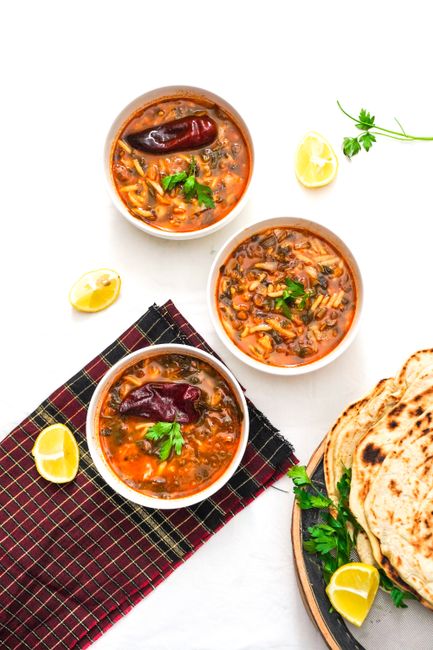
Moroccan Harira Bean Soup: A Comprehensive Guide to This Nutrient-Rich, Flavorful Staple
Moroccan harira bean soup, a cherished and deeply traditional dish, stands as a cornerstone of Moroccan cuisine. Its significance transcends mere sustenance; it’s a symbol of hospitality, a communal meal, and a vital part of religious observances, particularly during Ramadan. This hearty, nutrient-dense soup is celebrated for its complex flavor profile, a harmonious blend of savory, sweet, and tangy notes, achieved through a meticulous layering of aromatic spices, tender legumes, and a rich tomato base. Understanding the nuances of harira, from its core ingredients and preparation to its cultural importance and health benefits, provides a profound insight into Moroccan culinary heritage and its enduring appeal. The name "Harira" itself is thought to derive from the Arabic word "hurir," meaning silk, perhaps alluding to the soup’s smooth texture when finely blended or its luxurious, satisfying nature. Its widespread popularity stems not only from its delicious taste but also from its accessibility and versatility, making it a beloved dish across all socio-economic strata in Morocco.
The foundation of an authentic harira recipe rests upon a carefully curated selection of core ingredients. At its heart lie the legumes, primarily chickpeas and lentils. These provide the soup’s characteristic creaminess and significant protein content, making it a satisfying and filling meal. Yellow lentils (often masoor dal) are commonly used for their quick cooking time and ability to break down, contributing to the soup’s texture. Chickpeas, whether canned or dried and pre-soaked, offer a firmer texture and nutty flavor. Beyond the legumes, a robust tomato base is essential. Freshly grated or pureed tomatoes form the primary liquid element, providing sweetness, acidity, and a vibrant color. This is often enhanced with tomato paste for a concentrated depth of flavor. The aromatic backbone of harira is built with a potent blend of spices. Cumin, coriander, turmeric, ginger, and cinnamon are nearly always present, each contributing a distinct layer of warmth and complexity. Black pepper adds a subtle heat, and sometimes a pinch of cayenne pepper or chili flakes are included for a more pronounced kick. Fresh herbs are crucial for freshness and brightness. Cilantro and parsley are finely chopped and added both during the cooking process and as a garnish, infusing the soup with herbaceous notes. Onions and garlic are sautéed at the beginning, forming an indispensable aromatic base that permeates the entire dish. Some variations may include celery or leeks for added vegetal depth. The inclusion of a small amount of flour or rice, dissolved in water and stirred into the simmering soup, acts as a natural thickener, further contributing to the velvety texture that defines excellent harira. This combination of humble ingredients, when expertly combined, results in a soup that is both deeply comforting and remarkably complex.
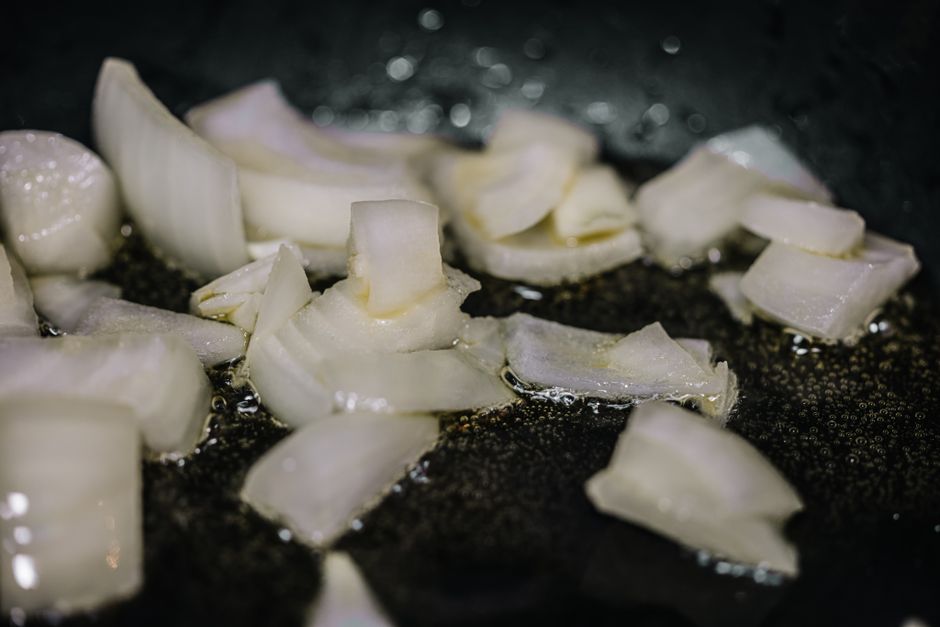
The preparation of Moroccan harira is a labor of love, a process that can be undertaken with varying degrees of complexity depending on desired outcomes and available time. The initial step typically involves sautéing finely chopped onions and garlic in olive oil until softened and translucent, releasing their fragrant aromas. To this, the ground spices – cumin, coriander, turmeric, ginger, and cinnamon – are added and toasted for a minute or two, allowing their essential oils to bloom and intensify the flavor. This blooming process is crucial for unlocking the full aromatic potential of the spices. Next, the tomatoes, either fresh or canned, are added, along with tomato paste. This forms the rich, savory base of the soup. The rinsed chickpeas and lentils are then incorporated, followed by enough water or broth to generously cover all ingredients. A bay leaf is often added at this stage to impart a subtle herbal note. The soup is brought to a boil, then reduced to a simmer, and cooked until the legumes are tender and beginning to break down. This simmering period is essential for melding the flavors and allowing the ingredients to soften. Towards the end of the cooking process, fresh cilantro and parsley are added, contributing their vibrant herbaceousness. A small amount of flour or rice, mixed with a little cold water to form a smooth slurry, is then gradually whisked into the simmering soup. This thickening agent helps to create the characteristic velvety texture of harira. The soup is cooked for a further 10-15 minutes, allowing it to thicken to the desired consistency. Some cooks might opt for a longer simmering time to further develop the flavors. Seasoning with salt and pepper is adjusted to taste throughout the cooking process. The final step often involves a squeeze of fresh lemon juice, which brightens the flavors and adds a welcome touch of acidity, cutting through the richness of the soup. For those seeking an even smoother texture, the soup can be partially or fully blended using an immersion blender or a standard blender, though many prefer to leave some of the legumes whole for textural contrast.
While the core ingredients and preparation methods form the bedrock of harira, regional and family variations abound, each offering a unique twist on this beloved dish. In some parts of Morocco, particularly the northern regions, lamb or beef bones are often simmered with the legumes and vegetables to create a deeply flavorful meat broth, adding an additional layer of richness and umami. This creates a more substantial and savory rendition. Conversely, vegetarian and vegan versions are equally popular and can be just as satisfying, relying solely on the legumes and vegetables for their heartiness. Certain families may incorporate a small amount of vermicelli or small pasta shapes towards the end of the cooking process, adding a delightful chewiness and making the soup even more filling. The type of lentils used can also vary; while yellow lentils are common, red lentils might be employed for their faster cooking time and propensity to dissolve, contributing to a smoother, creamier texture. The spice blend itself can be personalized. Some cooks might add a pinch of ground cloves or nutmeg for a subtle sweet warmth, while others might opt for a touch more cayenne pepper for a spicier kick. The addition of a small amount of dried mint, particularly towards the end of cooking, can offer a refreshing counterpoint to the savory flavors. Some recipes call for the inclusion of a small piece of preserved lemon rind, adding a distinct tangy and salty depth that is characteristic of Moroccan cuisine. The final garnish can also be a point of differentiation, with some serving harira with a dollop of Greek yogurt or a drizzle of harissa for added spice and tang. These variations, though seemingly minor, contribute to the rich tapestry of harira traditions, ensuring that each bowl, even from neighboring households, possesses its own unique character and appeal.
The cultural significance of harira is deeply interwoven with Moroccan life, particularly its role in the holy month of Ramadan. During Ramadan, the dawn-to-dusk fast is broken with Iftar, and harira is almost universally the dish of choice to commence this breaking of the fast. Its nourishing and easily digestible nature makes it ideal for rehydrating and providing essential nutrients after a day of fasting. The warmth and heartiness of harira are profoundly comforting, offering a sense of satiety and well-being as families gather to share this communal meal. Beyond Ramadan, harira is a staple at celebrations, gatherings, and even as a welcome appetizer before a more elaborate meal. It embodies Moroccan hospitality, a gesture of warmth and generosity offered to guests. The act of preparing and sharing harira is a social ritual, fostering connection and reinforcing family bonds. In homes across Morocco, the aroma of harira simmering on the stove is a familiar and comforting scent, evoking memories of family meals and shared traditions. Its presence on the table signifies comfort, sustenance, and community. It is a dish that transcends social divides, enjoyed by all, from bustling city households to remote rural villages. This universal appeal underscores its importance as a unifying element within Moroccan society. The act of breaking bread, or in this case, soup, together is a fundamental human experience, and harira plays a pivotal role in facilitating this communal bond in Morocco.
Beyond its cultural weight and delicious flavor, Moroccan harira bean soup is a nutritional powerhouse, offering a wealth of health benefits. The primary ingredients, chickpeas and lentils, are exceptional sources of plant-based protein and dietary fiber. Protein is essential for muscle repair and growth, while fiber aids in digestion, promotes satiety, and helps regulate blood sugar levels. The complex carbohydrates found in these legumes provide sustained energy, making harira a truly filling and satisfying meal. The abundance of vitamins and minerals within harira is also noteworthy. Chickpeas are rich in iron, crucial for oxygen transport in the blood, and folate, vital for cell growth and DNA formation. Lentils are excellent sources of potassium, which helps regulate blood pressure, and magnesium, important for numerous bodily functions, including muscle and nerve function. The tomatoes used in the base are packed with lycopene, a powerful antioxidant known for its potential to protect against chronic diseases, and Vitamin C, a vital immune booster. The aromatic spices, often overlooked for their health properties, also contribute significantly. Turmeric, for instance, contains curcumin, a potent anti-inflammatory compound. Ginger is renowned for its digestive benefits and its ability to alleviate nausea. Cinnamon has been linked to improved insulin sensitivity and blood sugar control. The olive oil used in the preparation contributes healthy monounsaturated fats, beneficial for heart health. The combination of these nutrient-dense ingredients creates a soup that is not only delicious but also profoundly nourishing, supporting overall health and well-being. Its balanced macronutrient profile and rich micronutrient content make it an excellent choice for a wholesome meal, suitable for people of all ages and dietary needs.
The versatility of Moroccan harira bean soup extends to its serving suggestions and pairings. Traditionally, harira is often served with crusty bread, such as Moroccan khobz, perfect for dipping and soaking up every last drop of the flavorful broth. A dollop of plain yogurt or a drizzle of harissa paste can be offered as accompaniments, allowing individuals to customize the soup’s flavor profile and spice level to their preference. For a more complete Iftar meal during Ramadan, harira is typically the first course, followed by dates, a glass of milk or juice, and then a more substantial main dish. Outside of Ramadan, it can be served as a light lunch or a starter for a larger meal. When paired with a side salad, it makes for a balanced and satisfying vegetarian meal. Some might opt to serve it with a simple grilled chicken or fish for a heartier non-vegetarian option. The vibrant flavors of harira also lend themselves well to pairing with other North African dishes. It complements tagines, couscous dishes, and grilled meats beautifully. The acidity from a squeeze of fresh lemon juice served alongside the soup also encourages its consumption with a variety of flavor profiles. The key is to allow the soup to shine as the star, while any accompaniments serve to enhance or complement its inherent deliciousness. Ultimately, the beauty of harira lies in its ability to adapt and be enjoyed in numerous culinary contexts, a testament to its enduring appeal and inherent deliciousness.