
Sopa De Lima Mexican Lime Soup

Sopa de Lima: A Zesty Yucatecan Delight and Its Culinary Significance
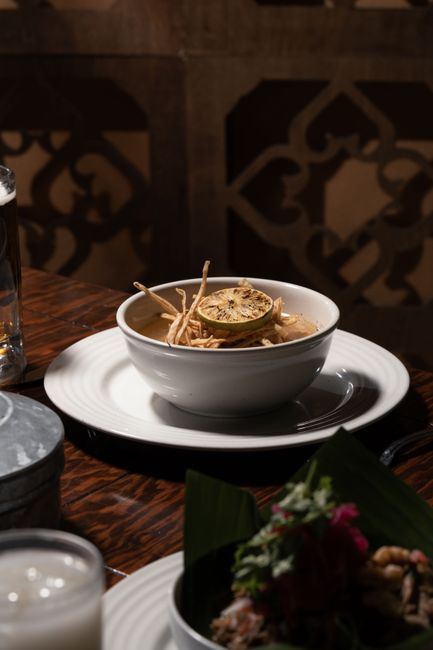
Sopa de lima, often translated as Mexican lime soup, is a vibrant and intensely flavorful soup originating from the Yucatán Peninsula of Mexico. Its defining characteristic is the liberal use of key limes (limón real), whose tartness and aromatic zest form the backbone of its refreshing profile. This soup is more than just a dish; it’s a cultural emblem, reflecting the agricultural bounty and culinary traditions of its region. Unlike many other Mexican soups that rely on rich broths and complex spice blends, sopa de lima embraces simplicity, allowing the bright, citrusy notes to shine. The foundation is typically a light chicken broth, often infused with roasted chicken or turkey for depth, and studded with shredded chicken, tender tortillitas (small, fried tortilla strips), and a generous amount of that distinctive key lime juice. Its delicate yet assertive flavor makes it a popular appetizer or a light, satisfying meal, especially in the warm climate of Yucatán where its cooling properties are highly valued. The visual appeal is equally striking, with the vibrant green of the lime juice contrasting with the white of the chicken and the golden hue of the tortilla strips, creating a dish that is as pleasing to the eye as it is to the palate.
The heart of sopa de lima lies in the quality and specific varietal of lime used. While other limes can be substituted in a pinch, the key lime (Citrus aurantiifolia) is paramount. These small, potent fruits possess a unique floral aroma and a sharp, less bitter acidity compared to Persian limes, which are more commonly found in North American supermarkets. The key lime’s juice provides the characteristic tang, cutting through the richness of the chicken broth and creating a beautifully balanced flavor profile. Beyond the juice, the zest of the key lime is often incorporated into the soup, adding another layer of aromatic complexity and a subtle, lingering citrus essence. The practice of using both juice and zest highlights a respect for the entire fruit, a hallmark of resourceful and traditional cooking. The specific cultivation of key limes in the Yucatán region further solidifies their importance in this dish. Farmers have perfected growing these limes, leading to an abundance of high-quality fruit that naturally lends itself to being the star ingredient in local cuisine. This regional specificity is what gives sopa de lima its authentic character and distinguishes it from any other lime-based soup.
The broth forms the essential base of sopa de lima, providing the liquid medium for all the other flavors to meld. Traditionally, this broth is made from chicken or turkey. A richer flavor can be achieved by simmering a whole chicken or turkey carcass, along with aromatics like onion, garlic, and cilantro, for several hours. Alternatively, a simpler version can be made with good quality chicken stock, enhanced with roasted chicken for a deeper, more savory undertone. The broth itself is usually kept relatively light and clear, allowing the vibrant flavors of the lime and the chicken to be the prominent elements. It’s important to achieve a good balance; the broth should be flavorful enough to stand on its own but not so overwhelming that it masks the essential lime notes. Some recipes call for a subtle infusion of spices in the broth, such as a bay leaf or a pinch of cumin, but these are typically used sparingly to complement, rather than dominate, the primary flavors. The clarity of the broth is also visually important, as it allows the garnishes to be showcased effectively.
Shredded chicken is another non-negotiable component of authentic sopa de lima. The chicken used is typically breast meat, which cooks quickly and shreds easily into tender strands. It’s often poached in the broth or roasted separately and then shredded. The chicken provides a substantial protein element, making the soup a more complete meal. The texture of the shredded chicken is important, offering a soft, yielding counterpoint to the crispness of the tortilla strips. The flavor of the chicken, infused with the broth and the eventual addition of lime, contributes to the overall savory depth of the soup. It’s a grounding element that prevents the soup from becoming too one-dimensionally tart. The way the chicken absorbs the broth and lime juice as it sits in the soup further enhances its flavor, making each bite a delightful combination of textures and tastes.
The characteristic garnishes elevate sopa de lima from a simple broth to a complete culinary experience. Among the most iconic are the tortillitas, small, crisp tortilla strips. These are typically made from corn tortillas, cut into thin strips, and then fried until golden brown and crunchy. The frying process imbues them with a satisfying texture and a slightly nutty flavor that contrasts beautifully with the liquid elements of the soup. The crunch of the tortillitas provides a crucial textural dimension, preventing the soup from becoming uniformly soft. Beyond the tortillitas, finely diced white onion is a common addition, offering a sharp, pungent bite that complements the sweetness of the broth and the tang of the lime. Cilantro, with its fresh, herbaceous notes, adds another layer of aroma and flavor. Some variations include finely diced jalapeño or serrano peppers for a touch of heat, though this is often an optional addition, as the primary focus remains on the lime. Avocado, sliced or diced, can also be added just before serving, contributing a creamy richness that mellows the acidity of the lime.
The preparation of sopa de lima is a process that prioritizes freshness and bright flavors. While it’s possible to make a quick version, allowing time for the broth to develop its flavor is essential. The typical process begins with preparing the chicken broth, simmering chicken bones, aromatics, and water until a rich, flavorful liquid is obtained. This broth is then strained for clarity. While the broth simmers, the chicken is cooked, often by poaching it directly in the broth, which infuses both the chicken and the broth with flavor. Once cooked, the chicken is removed, cooled, and shredded. The tortillas are then cut into thin strips and fried until crisp. The final assembly involves gently heating the broth, adding the shredded chicken, and then, crucially, adding a generous amount of fresh key lime juice just before serving. The lime juice is typically added at the end to preserve its bright, fresh flavor and aroma, as prolonged cooking can diminish its potency. The garnishes, including the tortillitas, diced onion, and cilantro, are added to individual bowls.
The nutritional profile of sopa de lima is surprisingly robust, despite its seemingly simple ingredients. The chicken broth provides hydration and minerals. The shredded chicken is a good source of lean protein, essential for muscle repair and satiety. The key limes, beyond their flavor, are a valuable source of Vitamin C, an important antioxidant that supports immune function. While the fried tortilla strips add carbohydrates and a touch of fat, their portion size is typically moderate. The vegetables, like onion and cilantro, contribute small amounts of vitamins and fiber. When prepared with minimal added fat and a focus on lean protein, sopa de lima can be a healthy and satisfying meal. Its lower calorie count compared to many other rich soups makes it an appealing option for those seeking a lighter yet flavorful dish. The emphasis on fresh ingredients further contributes to its positive nutritional aspects.
The cultural significance of sopa de lima cannot be overstated within the Yucatán culinary landscape. It represents a connection to the land and its agricultural products, particularly the ubiquitous key lime. The soup is a staple in homes and restaurants across the region, enjoyed for its comforting yet refreshing qualities. It’s a dish that speaks of warmth, hospitality, and a deep understanding of flavor. Its presence at family gatherings, celebrations, and even as a comforting remedy for illness underscores its integral role in Yucatecan life. The simplicity of its preparation, relying on core, readily available ingredients, also makes it accessible and representative of everyday Yucatecan cooking. The tradition of serving it with its distinct garnishes further solidifies its unique identity.
Variations on the classic sopa de lima exist, reflecting regional adaptations and individual preferences. While the core ingredients of chicken broth, shredded chicken, key lime, and tortillitas remain constant, some cooks might incorporate other vegetables into the broth, such as carrots or celery, for added sweetness and depth. The type of chili used for heat can vary, with some opting for a milder poblano pepper for a smoky undertone. Some chefs might lightly char the lime halves before juicing them, imparting a subtle smoky flavor. The tortillitas can also be seasoned before frying, perhaps with a pinch of salt or a touch of chili powder. The inclusion of other proteins, such as shredded turkey or even firm white fish, is less common but not unheard of. However, any significant deviation from the core components risks altering the fundamental character of this iconic dish. The beauty of sopa de lima lies in its elegant simplicity, and most variations aim to enhance, rather than fundamentally change, its essential lime-forward profile.
The culinary appeal of sopa de lima extends far beyond the Yucatán Peninsula. Its bright, refreshing flavor profile has found favor with palates worldwide. Its appeal lies in its ability to be both comforting and invigorating. For those unaccustomed to the sharp tang of key limes, the initial experience can be surprising, but it quickly becomes addictive. The soup’s accessibility also contributes to its popularity; the ingredients, while specific in the case of key limes, are generally available, and the preparation, while requiring some attention to detail, is not overly complex. It’s a dish that can be enjoyed year-round, offering a taste of sunshine and zest. Its versatility as an appetizer or a light main course further broadens its appeal. As global interest in authentic regional cuisines continues to grow, sopa de lima has rightly earned its place as a beloved representative of Mexican culinary diversity. Its SEO potential is high due to its unique ingredients and its growing international recognition.
In conclusion, sopa de lima is a culinary masterpiece of the Yucatán Peninsula, celebrated for its bright, invigorating flavor, its reliance on the distinct tang of key limes, and its symbolic connection to regional identity. The harmonious interplay of chicken broth, tender shredded chicken, crisp tortillitas, and the essential zesty embrace of lime juice creates a soup that is both sophisticated and profoundly comforting. Its preparation, while rooted in tradition, offers room for subtle personal expression, yet always pays homage to its core essence. Beyond its deliciousness, sopa de lima offers nutritional benefits and a captivating glimpse into the soul of Yucatecan cuisine, making it a truly indispensable dish within the vast and varied tapestry of Mexican gastronomy. Its enduring popularity and growing international acclaim solidify its status as a treasured culinary icon.


