
Beef And Guinness Stew

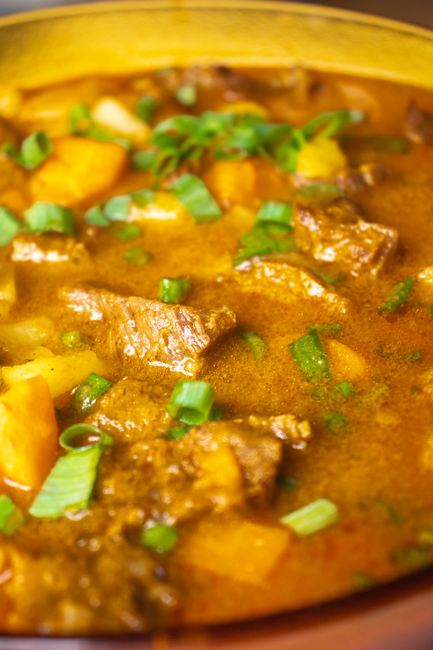
The Ultimate Guide to Beef and Guinness Stew: A Deep Dive into Flavor, Tradition, and Perfect Execution
Beef and Guinness stew, a dish synonymous with Irish comfort food, transcends mere sustenance; it’s an experience. The rich, dark, and profoundly savory broth, infused with the malty depth of Guinness stout, cradles tender, slow-cooked chunks of beef and root vegetables, creating a symphony of textures and flavors that warms the soul. This isn’t a quick weeknight meal; it’s a culinary endeavor that rewards patience and attention to detail with a deeply satisfying result. The magic lies in the interplay of high-quality ingredients, slow cooking, and the unique contribution of the stout, which tenderizes the meat and imparts an unparalleled depth of flavor.
The foundational element of any exceptional Beef and Guinness stew is, of course, the beef. Choosing the right cut is paramount. Tougher, collagen-rich cuts like chuck roast, brisket, or short ribs are ideal. These cuts, when subjected to low and slow cooking, break down beautifully, becoming incredibly tender and lending their rich, beefy essence to the stew. Leaner cuts will become dry and stringy. Aim for cuts with good marbling, as this fat renders during cooking, contributing significantly to the overall flavor and richness of the stew. Cut the beef into generous, 1.5 to 2-inch cubes. This size ensures they don’t disintegrate during the extended cooking process and provides satisfying mouthfuls. Seasoning the beef generously with salt and freshly cracked black pepper before searing is a crucial first step in developing a robust flavor profile. Don’t underestimate the power of simple, effective seasoning.
The searing process is non-negotiable for developing a deeply flavorful base for the stew. Heat a generous amount of oil or rendered beef fat in a heavy-bottomed pot, such as a Dutch oven, over medium-high heat. Sear the beef cubes in batches, ensuring not to overcrowd the pot. Overcrowding will steam the meat rather than sear it, preventing the development of the essential Maillard reaction. The Maillard reaction, a chemical process that occurs between amino acids and reducing sugars when heated, is responsible for the browning and complex flavor development that is critical to a truly delicious stew. Aim for a deep, dark brown crust on all sides of the beef. Once seared, remove the beef from the pot and set aside. This browning is where much of the stew’s foundational flavor originates.
Aromatics form the next layer of flavor. In the same pot, add a tablespoon or two more of oil if needed and sauté chopped onions, carrots, and celery – the mirepoix – until softened and lightly browned. Onions provide sweetness and depth, carrots offer a subtle sweetness and earthy note, and celery contributes a savory, aromatic base. For an extra layer of complexity and a hint of Irish tradition, garlic is indispensable. Finely minced garlic should be added towards the end of the sautéing process to prevent it from burning, which would impart a bitter flavor. A common addition, especially in more traditional recipes, is pearl barley. The barley adds body to the stew, thickening the sauce and contributing a pleasing, slightly chewy texture. It also absorbs the rich flavors of the broth, becoming plump and delicious. Some recipes also incorporate diced parsnips for their earthy sweetness.
The deglazing step is vital for capturing all the flavorful browned bits left in the bottom of the pot after searing the beef and sautéing the vegetables. This is where the Guinness truly shines. Pour in a generous amount of Guinness stout, scraping the bottom of the pot with a wooden spoon to loosen all the browned fond. The stout not only adds its signature malty, slightly bitter, and roasted flavor but also acts as a tenderizer for the beef due to its acidity. Allow the stout to simmer and reduce slightly, concentrating its flavor. The aroma at this stage is a promise of the deliciousness to come.
Following the deglazing, the beef is returned to the pot, along with any accumulated juices. Now, it’s time to introduce the liquid that will transform these ingredients into a rich, hearty stew. Beef broth or stock is the standard. Opt for a good quality, low-sodium beef broth to control the salt content and allow the flavors of the beef and Guinness to dominate. Some cooks prefer to use a combination of beef broth and Guinness, while others use a majority of Guinness. The ratio is a matter of personal preference, but the stout should be a prominent, yet balanced, flavor. Bay leaves, a sprig or two of fresh thyme, and a sprig of fresh rosemary are classic additions that infuse the stew with herbaceous notes and complement the richness of the beef. These herbs should be tied together with kitchen twine for easy removal later.
The cooking process for Beef and Guinness stew is all about patience and low, gentle heat. Once all ingredients are in the pot, bring the liquid to a simmer, then reduce the heat to low, cover the pot tightly, and let it cook for at least 2-3 hours, or until the beef is fork-tender. The longer it simmers, the more the flavors will meld and deepen, and the more tender the beef will become. Some recipes advocate for an even longer cooking time, up to 4-5 hours, particularly for tougher cuts. Alternatively, this stew is an excellent candidate for slow cooker preparation, requiring a similar low and slow cooking time of 6-8 hours on low or 4-5 hours on high. The oven is another excellent option, with the pot covered and baked in a preheated oven at 300-325°F (150-160°C) for the same duration. Regardless of the cooking method, the goal is a consistently low temperature that allows the connective tissues in the beef to break down slowly and gracefully.
Root vegetables are typically added during the latter stages of cooking to prevent them from becoming mushy. Potatoes, cut into substantial chunks, are a staple. Carrots, if not added with the mirepoix, can be added here as well. Other additions can include parsnips or rutabaga for added sweetness and earthiness. The key is to cut them large enough to hold their shape throughout the remaining cooking time. The potatoes will absorb some of the broth, becoming tender and flavorful.
As the stew approaches the end of its cooking time, it’s essential to check for seasoning and consistency. The sauce should have thickened naturally from the rendered collagen of the beef and the starches released from any added barley or potatoes. If a thicker sauce is desired, a slurry of cornstarch or flour mixed with a little cold water can be stirred in and simmered until thickened. However, the best stews achieve their ideal consistency through slow reduction and the natural thickening agents. Taste the stew and adjust seasoning with salt and pepper as needed. The flavors should be well-melded, with the rich beefiness balanced by the malty, slightly bitter notes of the Guinness.
Serving Beef and Guinness stew is an event in itself. It’s traditionally served with crusty bread to soak up every last drop of the magnificent broth. Mashed potatoes, creamy and comforting, are another classic accompaniment, providing a soft contrast to the tender beef and vegetables. For a slightly more refined presentation, a dollop of fresh parsley or chives can be sprinkled over the top for a pop of color and a hint of freshness. Some people also enjoy a side of pickled red onions or a simple green salad to cut through the richness.
The versatility of Beef and Guinness stew extends beyond traditional accompaniments. Many modern interpretations incorporate ingredients like mushrooms, which add an extra layer of umami and earthy flavor. A splash of Worcestershire sauce can enhance the savory depth. Some chefs even add a touch of dark chocolate or cocoa powder towards the end of cooking to deepen the color and add a subtle, complex bitterness that complements the Guinness. These variations allow for personalization and can elevate the dish to new heights.
The SEO potential of this article lies in its comprehensive coverage and keyword-rich content. Phrases like "Beef and Guinness Stew recipe," "Irish stew," "slow cooker beef stew," "Dutch oven beef stew," "tender beef recipe," "hearty stew," "comfort food," "best beef stew," and "Guinness stout recipes" are naturally integrated throughout the text. The detailed instructions and explanations of culinary techniques further enhance its value for search engine rankings. By providing in-depth information on ingredient selection, cooking methods, and flavor development, this article aims to be a definitive resource for anyone seeking to master the art of Beef and Guinness stew. The focus on actionable advice and explanations of the "why" behind each step makes it highly informative and shareable, further boosting its SEO performance.
Beyond the immediate enjoyment, Beef and Guinness stew is a dish that benefits from time. While delicious fresh, the flavors often deepen and meld further on the second day. Leftovers can be gently reheated on the stovetop or in the oven, ensuring a consistently satisfying meal. The collagen breakdown that makes the beef so tender continues to work its magic, even after the initial cooking. Freezing is also a viable option for longer-term storage, though it’s best to freeze the stew without the potatoes if possible, as they can sometimes become watery upon thawing.
In conclusion, Beef and Guinness stew is a testament to the power of simple, high-quality ingredients treated with respect and time. It’s a dish that embodies warmth, comfort, and the rich culinary heritage of Ireland. From the careful selection of beef to the slow simmer that transforms humble ingredients into a masterpiece, every step contributes to a profoundly satisfying gastronomic experience. The iconic flavor of Guinness is not merely an ingredient but an integral partner in this culinary dance, providing a dark, malty foundation that is both bold and beautifully balanced. This comprehensive guide aims to equip home cooks with the knowledge and confidence to create an unforgettable Beef and Guinness stew, a dish that will undoubtedly become a cherished staple.


