The Global Shift Toward Keratin Based Circularity Repurposing Human Hair And Animal Fiber For Agricultural And Ecological Restoration
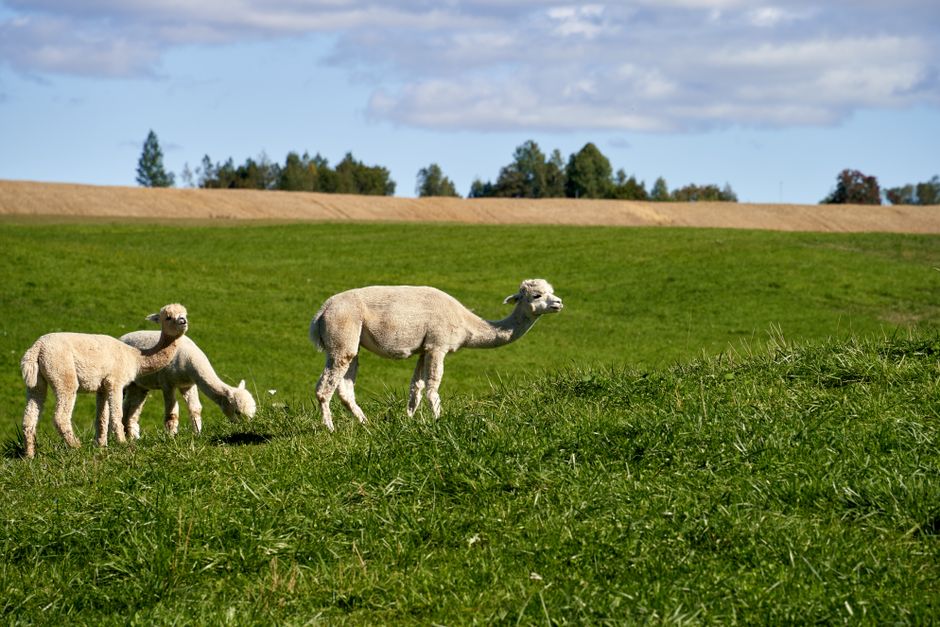
Keratin’s Circular Revolution: Repurposing Human Hair and Animal Fiber for Agricultural and Ecological Restoration
The growing global imperative for sustainable resource management and waste reduction has spurred innovative solutions across diverse sectors. Among the most promising is the burgeoning field of keratin-based circularity, which focuses on repurposing abundant, naturally occurring proteinaceous materials – primarily human hair and animal fibers – for impactful applications in agriculture and ecological restoration. This paradigm shift moves beyond traditional waste disposal, transforming what was once considered refuse into valuable resources that enhance soil health, combat erosion, and promote biodiversity. The inherent properties of keratin, including its rich nitrogen content, slow decomposition rate, and complex polypeptide structure, make it an ideal candidate for integration into circular economy models, offering a sustainable alternative to conventional fertilizers and land remediation techniques.
Human hair, a ubiquitous byproduct of personal grooming, and animal fibers, such as wool and feathers derived from livestock and poultry industries, represent a massive, largely untapped reservoir of keratin. Globally, millions of tons of these materials are generated annually, often ending up in landfills, contributing to methane emissions, and representing a significant loss of valuable organic matter. Keratin-based circularity aims to intercept this waste stream and reintegrate these proteinaceous resources into productive ecological cycles. The process typically involves collecting, cleaning, and processing these materials into various forms, such as chopped fibers, powders, or biochar amendments, each tailored for specific agricultural or ecological benefits. This approach not only diverts waste but also offers a bio-based, renewable solution that can reduce reliance on synthetic fertilizers, which have significant environmental footprints associated with their production and application.
The agricultural applications of keratin-based materials are multifaceted. As a slow-release nitrogen fertilizer, keratin offers a sustained nutrient supply to crops, minimizing nutrient leaching and runoff, which are major contributors to water pollution. The breakdown of keratin in the soil releases amino acids and peptides, which are readily absorbed by plants, promoting robust growth and increased yields. Studies have demonstrated that keratin amendments can improve soil structure, enhance water retention, and increase microbial activity, all of which are crucial for healthy plant development. Furthermore, keratin’s resistance to rapid microbial decomposition ensures a more consistent and prolonged nutrient availability compared to faster-degrading organic materials, making it an efficient and environmentally sound alternative to synthetic nitrogen fertilizers, which can be energy-intensive to produce and prone to volatilization and leaching. The unique amino acid profile of keratin, particularly its high sulfur content, also contributes to soil health by supporting beneficial microbial communities involved in nutrient cycling.
Beyond direct fertilization, keratin-based products are proving invaluable in ecological restoration efforts. Erosion control is a primary area of application, where chopped keratin fibers can be incorporated into geotextiles or directly applied to degraded slopes and barren land. The fibrous nature of keratin helps to bind soil particles together, creating a protective mat that significantly reduces water and wind erosion. This is particularly critical in arid and semi-arid regions prone to desertification, as well as in areas affected by deforestation or industrial activity. The biodegradable nature of these keratin-based erosion control measures ensures that they do not become persistent environmental pollutants, gradually breaking down to further enrich the soil. This natural integration into the ecosystem contrasts sharply with synthetic erosion control materials, which can pose long-term environmental challenges.
The ability of keratin to absorb and retain water makes it an effective soil conditioner for improving drought resilience. In arid and semi-arid environments, where water scarcity is a significant impediment to plant establishment and ecosystem recovery, keratin amendments can act as a sponge, increasing the soil’s capacity to hold moisture. This enhanced water retention benefits not only agricultural crops but also native vegetation in restoration projects, allowing plants to survive and thrive during dry periods. The slow release of nutrients from keratin also complements this water retention capacity, ensuring that plants have access to essential elements as they utilize the stored moisture. This dual benefit is a compelling advantage for large-scale ecological restoration initiatives in water-stressed regions.
The role of keratin in enhancing soil biodiversity is another significant ecological advantage. As keratin decomposes, it provides a nutrient-rich substrate for a wide array of soil microorganisms, including bacteria and fungi. These microbes play vital roles in nutrient cycling, organic matter decomposition, and the suppression of soil-borne plant pathogens. By promoting a more diverse and active soil microbiome, keratin amendments contribute to a healthier and more resilient ecosystem. This symbiotic relationship between keratin decomposition and microbial proliferation underscores its potential to foster self-sustaining ecological systems. The breakdown products of keratin, such as peptides and amino acids, also serve as direct food sources for various soil invertebrates, further enriching the soil food web.
The processing of human hair and animal fibers into usable keratin products involves several key steps. Collection and sorting are crucial to ensure the quality and safety of the raw material, separating contaminants and unwanted substances. Cleaning and sterilization are vital to eliminate any potential pathogens or allergens. Various mechanical and thermal treatments are then employed to break down the tough keratin structure, making it accessible for microbial decomposition and plant uptake. These treatments can include shredding, grinding, or enzymatic hydrolysis. More advanced techniques involve thermochemical conversion processes, such as pyrolysis, to create biochar from keratin, which possesses excellent soil amendment properties, including improved aeration, water retention, and carbon sequestration potential. The specific processing method dictates the final form and application of the keratin product.
Human hair, in particular, presents a unique opportunity for circularity due to its consistent availability and relatively low processing complexity. The proteinaceous structure of hair, rich in amino acids like cysteine, contributes to its strength and durability, which translates to slow decomposition in the soil. This slow-release characteristic is a significant advantage for agricultural and ecological applications, providing long-term benefits. The collection of hair from barbershops, salons, and households offers a decentralized and readily accessible source of this valuable material, minimizing transportation costs and environmental impact. Innovations in hair collection and processing are making it increasingly feasible to integrate this waste stream into productive circular loops.
Animal fibers, such as wool, present a similar, albeit sometimes more complex, processing pathway. Wool, for instance, contains lanolin, which can be a valuable byproduct in itself, but the keratin fiber component is the primary focus for agricultural and ecological applications. The crimped structure of wool fibers can also contribute to soil aeration and water retention. Feathers, another abundant animal byproduct, are also rich in keratin and can be processed into effective soil amendments. The scale of animal agriculture provides a substantial volume of these fibers, making them an important component of keratin-based circularity strategies.
The economic viability of keratin-based circularity is a critical factor in its widespread adoption. As the demand for sustainable products grows, and as regulations on waste management become more stringent, the cost-effectiveness of repurposing keratin is becoming increasingly apparent. The reduction in disposal costs, coupled with the value derived from agricultural and ecological benefits, presents a compelling economic case. Furthermore, the development of innovative processing technologies and the creation of new markets for keratin-based products are driving down production costs and increasing profitability. The potential for job creation in collection, processing, and application further strengthens the economic argument for this circular approach.
The environmental impact of conventional agricultural practices, including the heavy reliance on synthetic fertilizers and pesticides, is a major driver for the adoption of keratin-based solutions. Synthetic fertilizers are energy-intensive to produce, contribute to greenhouse gas emissions, and can lead to soil degradation and water pollution. Keratin offers a bio-based, renewable, and biodegradable alternative that can mitigate these negative impacts. By reducing the need for synthetic inputs, keratin-based circularity contributes to a more sustainable and environmentally friendly agricultural system. The sequestering of carbon in keratin-based biochar also offers a pathway to mitigate climate change.
Challenges remain in scaling up keratin-based circularity. Consistent sourcing and quality control of raw materials, development of standardized processing methods, and effective public education are crucial for widespread adoption. Overcoming market inertia and convincing farmers and land managers of the efficacy of these novel materials requires robust scientific evidence and successful demonstration projects. However, the inherent advantages of keratin – its abundance, biodegradability, rich nutrient content, and versatility – position it as a key player in the future of sustainable agriculture and ecological restoration.
The regulatory landscape is also evolving to support circular economy initiatives. Governments are increasingly implementing policies that encourage waste reduction, resource recovery, and the use of bio-based materials. These policies can provide incentives for businesses and researchers to invest in keratin-based technologies and applications. As more successful case studies emerge and the environmental and economic benefits become undeniable, regulatory frameworks are likely to become even more supportive, fostering a more favorable environment for the growth of the keratin circular economy.
In conclusion, the repurposing of human hair and animal fibers for keratin-based circularity represents a significant advancement in sustainable resource management. By transforming waste into valuable agricultural amendments and ecological restoration tools, this innovative approach addresses pressing environmental challenges, enhances soil health, combats erosion, and promotes biodiversity. The continued development of processing technologies, coupled with growing market demand and supportive regulatory frameworks, promises to solidify keratin’s role as a cornerstone of the circular economy, driving a more sustainable future for both agriculture and the environment. The transition towards keratin-based circularity is not merely an incremental improvement but a fundamental reimagining of waste as a resource, offering tangible solutions for a planet in need of ecological renewal.