
A Culinary Journey To The Coast Vegan Richa Unveils A Plant Based Twist On Mangalorean Paneer Ghee Roast

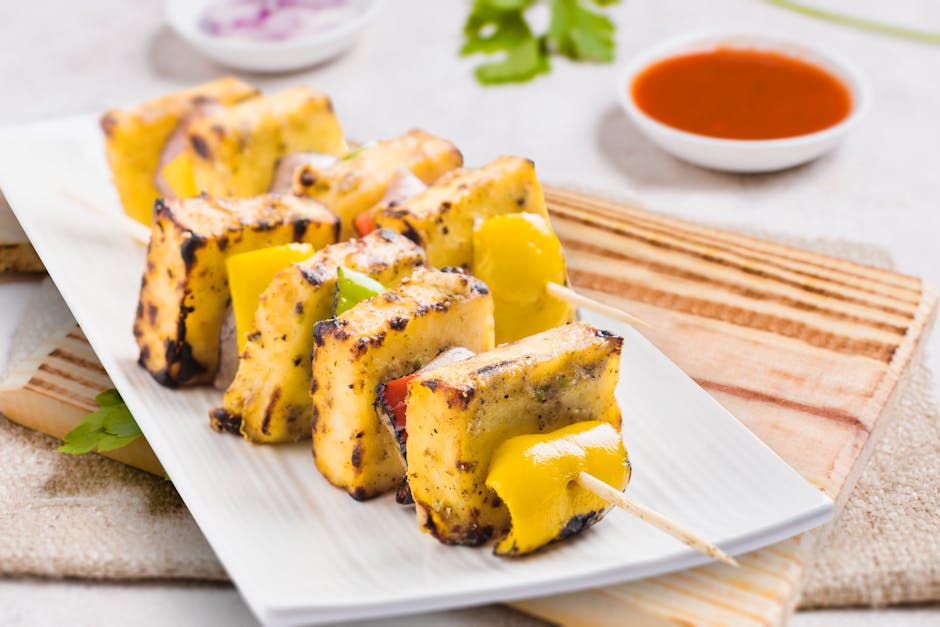
A Culinary Journey to the Coast: Vegan Richa Unveils a Plant-Based Twist on Mangalorean Paneer Ghee Roast
Mangalorean cuisine, a vibrant tapestry of coastal flavors hailing from the Karnataka region of India, is renowned for its bold spices, aromatic seafood, and rich, indulgent dishes. Traditionally, many of these preparations, like the iconic Paneer Ghee Roast, rely heavily on dairy and ghee, making them inaccessible to those following a vegan lifestyle. However, the burgeoning world of plant-based cooking has witnessed a culinary revolution, and at the forefront of this movement is blogger and author Vegan Richa, whose latest creation, a Vegan Mangalorean Paneer Ghee Roast, promises to deliver all the authentic, fiery, and deeply satisfying flavors of the original, without any animal products. This article delves into the nuances of this innovative vegan adaptation, exploring its ingredients, techniques, and the culinary philosophy that makes it a standout addition to plant-based Indian cuisine.
The essence of a Mangalorean Paneer Ghee Roast lies in its complex spice blend and the rich, unctuous mouthfeel imparted by ghee. The traditional dish typically features paneer, a firm, non-melting Indian cheese, pan-fried to a golden crisp and then coated in a fiery, deeply flavored gravy. The gravy’s characteristic richness comes from liberal use of ghee, a clarified butter, which lends a nutty aroma and a silky texture. The spice profile is equally crucial, usually involving a potent combination of dried red chilies, coriander seeds, cumin seeds, black peppercorns, and fenugreek seeds, often tempered with curry leaves and mustard seeds. Achieving a truly authentic taste and texture in a vegan version presents a significant culinary challenge, one that Vegan Richa expertly navigates with her signature blend of creativity and deep understanding of traditional Indian cooking.
Vegan Richa’s approach to veganizing classic Indian dishes is rooted in her ability to deconstruct the original components and thoughtfully substitute them with plant-based alternatives that mimic their functional and flavor properties. For the Paneer Ghee Roast, the primary challenge is twofold: replicating the creamy, slightly chewy texture of paneer and achieving the unctuousness and nutty aroma of ghee. Her solution for paneer typically involves using firm tofu, pressed to remove excess moisture and then cut into cubes. This tofu is then often marinated and pan-fried or baked until it develops a firm exterior and a pleasingly chewy interior, providing a satisfying bite that stands up well to the rich gravy. The marination itself can contribute to the flavor and color, often including ingredients like turmeric, chili powder, and a touch of yogurt (vegan, of course) or lemon juice.
The most critical element for achieving the "ghee roast" characteristic in a vegan context is the replacement of ghee. This is where Vegan Richa’s ingenuity truly shines. Instead of relying on a single substitute, she often employs a combination of ingredients to build layers of flavor and richness. A common and effective vegan ghee substitute involves combining neutral oils with ingredients that contribute a nutty, buttery aroma. This can include browned cashews or other nuts, or even a touch of toasted coconut. The process of "browning" these elements is crucial to unlocking their deeper, more complex flavors, mirroring the Maillard reaction that occurs when cooking with traditional ghee. Another key element in replicating the richness is the use of a fat that can achieve a similar mouthfeel. Coconut oil, particularly virgin coconut oil, can offer a subtle sweetness and a creamy texture, though care must be taken to balance its flavor if it becomes too dominant. Vegan butter, specifically those formulated for high-heat cooking, can also play a role, though discerning home cooks will note the subtle differences in aroma and flavor compared to true ghee. Vegan Richa’s mastery lies in her judicious use of these components, often combining them to create a complex, satisfying fat base that coats the spices and paneer beautifully.
The spice blend in Vegan Richa’s recipe is, as expected, a testament to her meticulous attention to detail. The foundation of most Mangalorean spice mixes involves a roasting and grinding process, which intensifies the flavors and aromas of the whole spices. This includes whole dried red chilies (often a mix of Kashmiri for color and a hotter variety for heat), coriander seeds, cumin seeds, and fenugreek seeds. These are typically dry-roasted until fragrant, then ground into a fine powder. The tempering, or tadka, is another crucial step, usually involving mustard seeds, curry leaves, and sometimes asafoetida (hing), all sizzled in hot oil or the vegan ghee substitute. This aromatic explosion of flavors, when combined with the finely ground spice paste, forms the heart of the "roast" element. Vegan Richa’s recipes often encourage users to toast their spices carefully, emphasizing the importance of not burning them, which can lead to a bitter taste. The inclusion of fresh ingredients like ginger, garlic, and onions, finely minced or pureed, adds further depth and body to the gravy.
The preparation of the gravy itself is a carefully orchestrated dance of flavors. After the initial tempering, the ground spice paste is added and sautéed until it darkens and releases its oils. This is followed by the addition of aromatics like ginger-garlic paste and finely chopped tomatoes or tomato puree, which contribute acidity and body. The key to a rich, emulsified gravy is often the slow simmering and the gradual incorporation of liquid. Water or vegetable broth is typically used, and the gravy is allowed to reduce and thicken, allowing the flavors to meld and intensify. The vegan paneer, usually pan-fried to a golden brown before being added to the gravy, absorbs these incredible flavors, becoming succulent and infused with the fiery spice blend. The final flourish often involves a garnish of fresh cilantro and a squeeze of lemon or lime juice, which brightens the entire dish and cuts through the richness.
Beyond the specific ingredients and techniques, Vegan Richa’s success lies in her understanding of the sensory experience of food. While the recipe meticulously details measurements and steps, it also implicitly encourages cooks to engage their senses – to smell the toasting spices, to listen to the sizzle of the tempering, and to taste and adjust the seasoning. This approach empowers home cooks, both experienced and novice, to connect with the culinary process and to achieve authentic-tasting results. Her recipes are often accompanied by clear instructions, helpful tips, and high-quality photographs, making even seemingly complex dishes accessible.
The impact of recipes like the Vegan Mangalorean Paneer Ghee Roast extends far beyond simply providing a plant-based alternative. It opens up a world of flavor for individuals who may have previously felt excluded from certain culinary traditions due to dietary restrictions. It also challenges the notion that traditional, indulgent dishes cannot be recreated in a vegan format, proving that with creativity, knowledge, and a well-stocked pantry, it is possible to honor and reimagine beloved recipes. This dish, in particular, serves as a gateway to exploring the diverse and exciting landscape of South Indian vegan cuisine, a region often overlooked in mainstream vegan discourse.
Furthermore, the availability of such well-tested and flavorful vegan recipes contributes to the broader conversation around sustainable and ethical food choices. By demonstrating that traditional, satisfying meals can be prepared without animal products, these recipes empower more people to consider plant-based eating. The popularity of Vegan Richa’s work, and the enthusiastic reception of dishes like her vegan paneer, signals a growing appetite for delicious, accessible, and ethically conscious food. It highlights a shift in culinary paradigms, where innovation and tradition can coexist harmoniously, creating dishes that are not only good for the palate but also for the planet and its inhabitants.
The meticulous development of a vegan ghee substitute is a recurring theme in successful vegan Indian cooking, and Vegan Richa’s expertise in this area is evident. By combining fats like refined coconut oil (which has a neutral flavor) with ingredients that impart a nutty aroma and color, she effectively mimics the sensory qualities of ghee. The browning process of nuts, or even certain seeds, can create a depth of flavor that is surprisingly close to the original. This careful layering of fat and flavor is what elevates her vegan adaptations from mere substitutes to culinary triumphs. The integration of these techniques into a dish as iconic as Mangalorean Paneer Ghee Roast is a significant achievement, offering a truly authentic taste experience to a wider audience.
In conclusion, Vegan Richa’s Vegan Mangalorean Paneer Ghee Roast is more than just a recipe; it is a testament to the power of culinary innovation and the boundless possibilities of plant-based cooking. It offers a vibrant, flavorful, and deeply satisfying journey into the heart of Mangalorean cuisine, proving that tradition and modernity, taste and ethics, can converge to create something truly extraordinary. This dish stands as a beacon for those seeking to explore the rich tapestry of Indian flavors through a vegan lens, demonstrating that no culinary experience needs to be off-limits in the pursuit of delicious, conscious eating. The meticulous deconstruction and thoughtful reconstruction of traditional elements, from the paneer substitute to the complex spice blend and the crucial vegan ghee element, showcase a profound understanding of both Indian cookery and the nuances of vegan ingredients. This recipe is a valuable addition to the plant-based culinary landscape, inviting enthusiasts worldwide to experience the fiery, aromatic, and deeply satisfying essence of Mangalorean cuisine, re-imagined for a compassionate and delicious future.


