
Better Than Olive Garden Alfredo Sauce

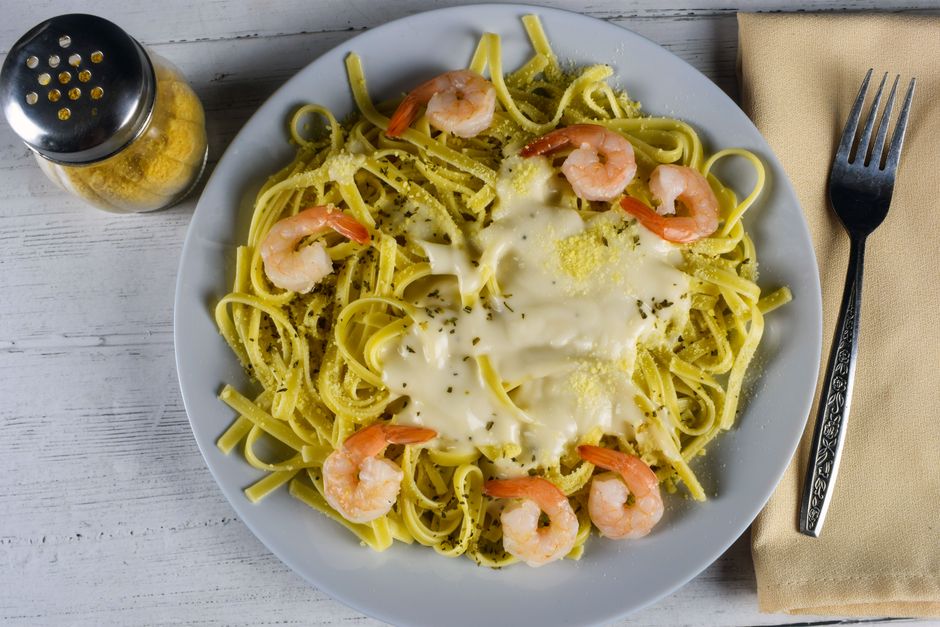
The Ultimate Guide to Making Alfredo Sauce Better Than Olive Garden
Olive Garden’s Alfredo sauce is a beloved comfort food for many, a creamy, garlicky, cheesy indulgence that evokes nostalgia and satisfaction. However, for the home cook seeking to elevate their culinary game, a sauce that can surpass this familiar benchmark is not only achievable but also remarkably rewarding. This comprehensive guide delves deep into the science and artistry behind creating an Alfredo sauce that transcends the ordinary, offering a richer, more complex flavor profile and a silken texture that will leave your guests begging for the recipe. We will explore the foundational ingredients, the critical techniques, and the subtle yet impactful enhancements that differentiate a good Alfredo from an exceptional one. Prepare to unlock the secrets to a sauce so good, it will redefine your understanding of this classic Italian-American dish.
At its heart, Olive Garden’s Alfredo sauce relies on a simple yet effective combination of butter, heavy cream, and Parmesan cheese. However, achieving a superior result requires a meticulous approach to each component. The quality of your butter, for instance, plays a more significant role than many realize. Opting for high-quality, unsalted European-style butter, with a higher fat content (often 82-84% compared to standard American butter’s 80%), will contribute a more nuanced, richer flavor and a smoother emulsion. The fat molecules in this butter are smaller, leading to a creamier texture. Furthermore, the absence of salt allows for precise control over the final seasoning of your sauce. When sourcing Parmesan cheese, steer clear of pre-grated varieties. These often contain anti-caking agents that can hinder smooth melting and compromise the sauce’s texture. Instead, invest in a wedge of genuine Parmigiano-Reggiano. Its complex, nutty, and slightly sharp flavor is unparalleled and will imbue your Alfredo with an authentic depth. Grate it fresh, ideally using a microplane or the finest setting on your box grater, to ensure it melts seamlessly into the sauce without clumping.
The foundation of any great Alfredo sauce is the roux, a cooked mixture of fat and flour that acts as a thickening agent. While some Olive Garden-inspired recipes might skip this step or use a minimal amount of flour, incorporating a proper roux, cooked to a pale blonde stage, provides a stable base that prevents the sauce from splitting and offers a subtle chewiness to the final product. The ratio of butter to flour is critical. A good starting point is a 1:1 ratio by weight. For example, 2 tablespoons of butter to 2 tablespoons of flour. Melt the butter over medium-low heat, then whisk in the flour gradually, ensuring no lumps form. Cook this mixture, stirring constantly, for about 1-2 minutes until it loses its raw flour aroma and develops a very light, straw-like color. This process cooks out the starchiness of the flour, preventing a pasty taste and contributing to a smoother, more refined texture. Overcooking the roux can lead to a darker flavor that might not be desirable in a classic Alfredo.
The cream component is where significant flavor enhancement can occur. While heavy cream is the standard, consider enriching your sauce with a combination of heavy cream and whole milk. The milk introduces a slightly lighter body while still providing ample fat for richness. For an even more luxurious texture and taste, a small addition of half-and-half can also be incorporated. The key is to achieve the perfect balance of richness and fluidity. The cream should be heated gently, never brought to a rolling boil, as this can cause it to separate. Warm the cream in a separate saucepan over low heat while your roux is developing. Once the roux is ready, gradually whisk in the warm cream, a little at a time, ensuring each addition is fully incorporated before adding more. This gradual incorporation prevents lumps and allows for a smooth, homogenous emulsion to form. This is a crucial step for achieving that signature velvety consistency.
Garlic is another cornerstone of Alfredo sauce, and its preparation profoundly impacts the final flavor. Simply mincing raw garlic and adding it to the sauce can result in an overpowering, acrid bite. For a more mellow, sweet, and integrated garlic flavor, consider two superior methods: infusing the butter with garlic or roasting the garlic. To infuse the butter, gently sauté minced garlic in your butter before proceeding with the roux. Cook it over very low heat until it is fragrant and just begins to turn golden, but not brown. This gentle cooking mellows the harshness of the raw garlic and allows its sweet, aromatic compounds to meld with the butter. Alternatively, roasting whole garlic cloves (either wrapped in foil with a drizzle of olive oil or directly in the oven until soft and caramelized) yields an incredibly sweet and creamy garlic paste that can be mashed and whisked into the sauce. This method offers a depth of flavor that is truly transformative, adding a subtle sweetness and complexity that raw garlic cannot replicate.
The integration of Parmesan cheese is paramount. Once your roux and cream mixture has thickened, remove the saucepan from the heat. This is vital to prevent the cheese from becoming oily and separating. Gradually add the freshly grated Parmigiano-Reggiano, a handful at a time, whisking continuously until each addition is completely melted and incorporated. The residual heat of the sauce is sufficient to melt the cheese without compromising its texture. Continue adding cheese until you reach your desired level of cheesiness and thickness. Taste and adjust seasoning. At this stage, you can add freshly ground black pepper, a pinch of nutmeg (which complements dairy beautifully), and salt if necessary, remembering that Parmigiano-Reggiano is already quite salty. The goal is a harmonious balance of flavors.
To elevate your Alfredo sauce beyond Olive Garden’s rendition, consider adding a few key flavor boosters. A tablespoon or two of white wine, added to the pan after cooking the garlic-infused butter (before the flour), can be reduced until almost dry. This deglazing process adds a subtle acidity and a layer of complexity that cuts through the richness of the cream and butter. The alcohol will evaporate, leaving behind a nuanced flavor. Another exceptional addition is a touch of lemon zest. Just a ¼ teaspoon of finely grated lemon zest, stirred in at the very end, provides a bright, fresh counterpoint to the creamy, savory sauce, preventing it from tasting heavy or one-dimensional. It’s a secret weapon for achieving that restaurant-quality balance. For an extra layer of umami, a tiny pinch of nutritional yeast can be incorporated. It adds a subtle cheesy, savory note without altering the classic Alfredo profile significantly.
Texture is as crucial as flavor in an exceptional Alfredo sauce. Achieving that desired silken, emulsified consistency requires attention to detail during the cooking process. Avoid over-stirring once the cheese is incorporated, as this can sometimes lead to the sauce becoming stringy. Instead, gentle folding and constant, even heat are your allies. If your sauce appears too thick, you can thin it down with a splash of warm milk or a bit of the pasta cooking water. The starch from the pasta water acts as an emulsifier and helps to bind the sauce, creating a more cohesive texture. Conversely, if it’s too thin, you can continue to cook it gently over low heat, stirring occasionally, until it reaches your desired consistency. Patience is key here; rushing the process can lead to an inferior result.
The choice of pasta also plays a role in how well the Alfredo sauce clings and is enjoyed. While fettuccine is the classic pairing, other broad, flat pasta shapes like tagliatelle or pappardelle are also excellent choices as their surfaces allow the rich sauce to adhere beautifully. The pasta should be cooked al dente – firm to the bite – as it will continue to cook slightly when tossed with the hot sauce. Reserve a cup or two of the starchy pasta cooking water before draining your pasta. This is invaluable for adjusting the sauce’s consistency and ensuring a perfect coating on every strand.
For those seeking an even more decadent experience, consider incorporating a small amount of mascarpone cheese into your sauce. Mascarpone, a creamy Italian cheese, adds an unparalleled smoothness and a subtle tang that elevates the overall richness without making it overly heavy. Stir in a tablespoon or two of mascarpone along with the Parmesan, ensuring it melts smoothly. This addition is a game-changer for achieving an ultra-luxurious Alfredo.
Furthermore, experimentation with different finishing touches can elevate your Alfredo sauce from delicious to unforgettable. A sprinkle of freshly chopped parsley adds a pop of color and a hint of freshness. Toasted pine nuts offer a delightful crunch and a nutty aroma that complements the Parmesan. A drizzle of high-quality extra virgin olive oil just before serving can add a subtle fruity note and a glossy sheen. For those who enjoy a bit of heat, a pinch of red pepper flakes can be added during the garlic infusion stage or sprinkled on top for a subtle warmth.
The true secret to a better-than-Olive Garden Alfredo sauce lies in respecting the fundamental ingredients while embracing techniques that unlock their full potential. It’s about understanding the role of each component, from the fat content of the butter to the aging of the Parmesan, and employing methods like proper roux formation and gentle ingredient integration. By focusing on quality, technique, and subtle flavor enhancements, you can consistently create an Alfredo sauce that is not only superior in taste and texture to its popular restaurant counterpart but also a testament to your culinary skill and dedication to creating truly memorable meals. The journey to the ultimate Alfredo is one of delicious discovery, and with these insights, you are well on your way to mastering this classic dish.


