
Peanut Butter Microwave Fudge

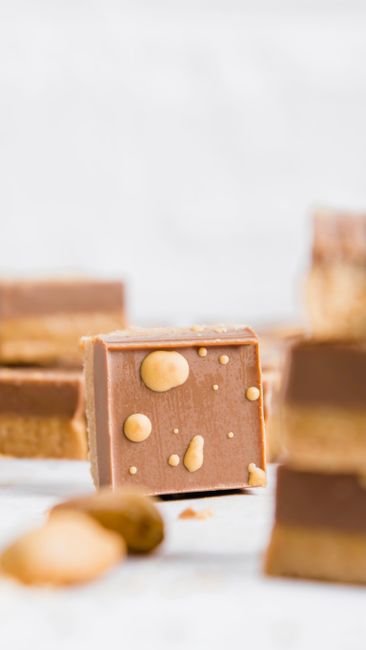
The Ultimate Peanut Butter Microwave Fudge: A Quick, Easy, and Irresistible Treat
This article provides a comprehensive guide to making peanut butter microwave fudge, a surprisingly simple yet incredibly satisfying dessert that requires minimal effort and ingredients. Microwave fudge offers a shortcut to rich, decadent flavors, making it an ideal option for busy individuals, novice bakers, or anyone craving a sweet fix without the fuss of traditional stovetop methods. The beauty of this recipe lies in its speed; from preparation to finished product, you can have warm, gooey fudge ready in under 15 minutes. This rapid turnaround makes it perfect for impromptu dessert cravings, last-minute party contributions, or even a quick after-school treat. We will delve into the essential ingredients, the straightforward microwave technique, variations, troubleshooting tips, and storage suggestions to ensure you achieve fudge perfection every time. The goal is to empower you with the knowledge to replicate this delightful confection with confidence and ease, transforming simple pantry staples into an indulgent, homemade delicacy.
The core of any successful peanut butter microwave fudge recipe lies in its carefully selected ingredients, each playing a crucial role in achieving the desired texture and flavor. At its heart is the peanut butter itself. Opt for creamy, regular peanut butter. Natural peanut butters, which tend to be more oily and may require stirring, can sometimes lead to a less consistent texture. The oil separation in natural varieties can affect the emulsification process, potentially resulting in a greasier fudge. Sweetened condensed milk is another indispensable component. This concentrated milk product provides the necessary sugar and fat for a smooth, fudgy consistency. Its high sugar content is crucial for preventing the formation of large sugar crystals, which would result in a grainy texture. The fat content contributes to the rich mouthfeel and helps bind the ingredients together. Unsalted butter is essential for adding richness, moisture, and a velvety smooth finish to the fudge. It also helps to stabilize the mixture and prevent it from becoming too dry. The fat in the butter contributes to the characteristic chewiness and melt-in-your-mouth quality of good fudge. For a touch of sweetness and to enhance the overall flavor profile, granulated sugar is typically used. While the sweetened condensed milk already contains sugar, an additional amount helps to achieve the perfect level of sweetness and contributes to the fudge’s structure. Vanilla extract is a flavor enhancer that rounds out the peanut butter and chocolate notes, adding depth and aroma to the final product. Ensure you use pure vanilla extract for the best flavor. Finally, optional additions like chocolate chips, either milk, semi-sweet, or dark, can elevate the fudge to another level. These chips not only add bursts of chocolate flavor but also contribute to a more complex texture and visual appeal. The quality of your chocolate chips will directly impact the taste of your fudge.
The microwave method for creating peanut butter fudge is remarkably efficient, relying on controlled bursts of heat to melt and combine the ingredients. Begin by preparing your chosen baking dish. An 8×8 inch square pan is ideal for this recipe, as it allows for an even thickness of fudge. Line the pan with parchment paper, leaving some overhang on the sides. This overhang will act as handles, making it easy to lift the cooled fudge out of the pan for cutting. Ensure the parchment paper lies flat and fits snugly into the corners of the pan. In a microwave-safe bowl, combine the creamy peanut butter, unsalted butter, and granulated sugar. It is crucial to use a bowl that is large enough to accommodate the ingredients and allow for stirring without spillage. Microwave this mixture on high power in short intervals, typically 30-second bursts. After each interval, remove the bowl from the microwave and stir the contents thoroughly. This stirring is vital for even heating and to prevent scorching. Continue this process until the butter is completely melted and the sugar is largely dissolved. You should have a smooth, well-combined mixture at this stage. Once the peanut butter mixture is smooth, stir in the sweetened condensed milk and vanilla extract. Mix until all ingredients are fully incorporated and the mixture is uniform in color and consistency. At this point, if you are adding chocolate chips, stir them into the mixture. The residual heat from the melted peanut butter and butter will begin to soften and melt the chocolate chips. Continue stirring until the chocolate chips are mostly melted and the mixture is smooth and glossy. Do not overmix at this stage, as this can affect the texture. The microwave step for the sweetened condensed milk and subsequent ingredients is generally very brief, often just about 1-2 minutes total, again using short intervals and stirring in between. The key is to melt the chocolate chips and ensure everything is well combined, not to cook the mixture further. Overcooking in the microwave can lead to a tough or grainy fudge. Once all ingredients are thoroughly combined and smooth, pour the mixture into the prepared baking dish. Use a spatula to spread the fudge evenly into the pan, ensuring an even thickness for consistent baking and cutting. You can also gently tap the pan on the counter to help settle the fudge and eliminate any air bubbles. The fudge will appear soft and somewhat liquid at this stage, but it will firm up as it cools.
The beauty of this microwave fudge recipe lies in its adaptability, allowing for numerous variations to suit diverse palates and preferences. The most obvious customization involves the type of peanut butter used. While creamy is standard, crunchy peanut butter can introduce a delightful textural contrast, offering satisfying bites of peanut pieces within the smooth fudge. For those with nut allergies or seeking alternative flavors, other nut butters can be substituted. Almond butter, cashew butter, or even sunflower seed butter can be used, each imparting its unique flavor profile. Be mindful that the consistency and oil content of different nut butters can vary, potentially requiring slight adjustments to the cooking time or the addition of a binder like a tablespoon of melted coconut oil. Another popular alteration involves incorporating chocolate. Beyond just stirring in chocolate chips, you can introduce different types of chocolate. For a richer, more intense chocolate flavor, dark chocolate chips or chopped dark chocolate can be used. Milk chocolate chips will result in a sweeter, creamier fudge. White chocolate chips can add a different sweetness and visual appeal, though they tend to melt at a lower temperature and may require more careful microwaving. For a truly decadent experience, consider adding a few tablespoons of unsweetened cocoa powder to the initial peanut butter and butter mixture. This will intensify the chocolate flavor and create a more deeply colored fudge. The amount of cocoa powder may need slight adjustment based on desired chocolate intensity. For a touch of sophistication, consider adding a pinch of sea salt to the mixture. A sprinkle of flaky sea salt on top of the fudge before it sets can provide a delightful sweet and salty contrast. Extracts offer another avenue for creative flavor layering. Beyond vanilla, consider adding a few drops of peppermint extract for a mint-chocolate-peanut butter fusion, or a touch of almond extract for a richer, nuttier aroma. For a boozy twist, a tablespoon of bourbon or rum can be added to the mixture, though it will introduce a slightly different texture and flavor. Even the toppings can be varied. Sprinkles, chopped nuts (peanuts, almonds, pecans), or even a drizzle of melted chocolate can transform the appearance and taste of the finished fudge. Experimenting with these variations allows you to personalize the recipe and cater to specific cravings or occasions, making each batch of microwave fudge uniquely yours.
Troubleshooting common issues is key to mastering the art of peanut butter microwave fudge. One frequent problem is grainy fudge. This typically occurs due to sugar crystallization. To prevent this, ensure your granulated sugar is fully dissolved in the initial melting stage. Overheating can also contribute to graininess, as it can cause the sugar to recrystallize. Another issue is oily fudge. This can happen if the peanut butter separates significantly, or if too much butter is used. Using a standard, creamy peanut butter rather than a natural, separated variety can help. If your fudge turns out too hard, it likely means it was overcooked. The microwave is a powerful tool, and even a few extra seconds can make a difference. Conversely, if the fudge is too soft and doesn’t set, it may have been undercooked, or there might have been an imbalance in the sugar or fat content. Ensure you are using the correct measurements of sweetened condensed milk, as this is crucial for setting. Scorching is another potential pitfall, especially when microwaving. Always use short intervals and stir frequently to ensure even heating. If you notice any signs of burning, discard the batch and start again, being more vigilant with the heating process. Unevenly set fudge can result from an uneven distribution of ingredients or an uneven microwave. Stirring the mixture thoroughly before pouring it into the pan can help, as can rotating the dish midway through the microwaving process (if the recipe calls for more than one initial heating phase for the peanut butter mixture). If the fudge appears too dry, it might be due to insufficient fat (butter or peanut butter) or overcooking, which evaporates moisture. If the fudge has a chalky texture, it could be a sign of insufficient fat or an overabundance of sugar that hasn’t fully dissolved. The key to preventing these issues is careful attention to detail, accurate measurements, and understanding the subtle nuances of microwave cooking. When in doubt, err on the side of undercooking slightly, as the fudge will continue to set as it cools.
Proper storage of peanut butter microwave fudge is crucial to maintaining its delightful texture and flavor. Once the fudge has completely cooled and set in the pan, you can lift it out using the parchment paper overhang. Place it on a clean cutting board and cut it into desired portion sizes using a sharp knife. For best results, allow the fudge to cool for at least 1-2 hours at room temperature before cutting. Cutting it while still warm can lead to smearing and an unappealing appearance. For immediate enjoyment or if you plan to consume it within a few days, store the cut fudge in an airtight container at room temperature. Fudge is best enjoyed when it has a slightly firm but still chewy texture, which is typically maintained at room temperature. Avoid storing it in the refrigerator unless the ambient temperature is extremely high. Refrigeration can cause the fudge to become very hard and brittle, significantly altering its enjoyable texture. If you live in a very warm climate or are concerned about the fudge softening too much at room temperature, you can store it in an airtight container in the refrigerator for a maximum of two weeks. However, be prepared for the change in texture. For longer-term storage, freezing is an excellent option. Cut the fudge into individual portions and wrap each piece tightly in plastic wrap, then place the wrapped pieces in a freezer-safe bag or airtight container. Properly stored in the freezer, peanut butter microwave fudge can maintain its quality for up to 3 months. To thaw frozen fudge, remove the pieces from the freezer and allow them to come to room temperature in their wrapping to prevent condensation. The ideal storage method will depend on your consumption rate and the ambient temperature of your environment. However, for optimal texture and flavor, room temperature storage in an airtight container for short-term use is generally recommended. Enjoying your homemade fudge at its intended consistency is paramount to the overall experience.


