
A Culinary Revolution Rediscovering Authentic Chinese Lemon Chicken At Home 3

The Lemon Chicken Renaissance: Reclaiming Authentic Chinese Flavors for the Home Kitchen
The comforting tang of authentic Chinese lemon chicken, a dish that once graced countless restaurant tables, has experienced a curious eclipse in recent years, often overshadowed by its sweeter, more Westernized cousins. This article embarks on a culinary revolution, a deep dive into rediscovering and recreating the true essence of this beloved classic within the home kitchen. We’re not talking about the syrupy, overly sweet versions that have become commonplace; we are advocating for a return to the vibrant, zesty, and perfectly balanced flavors that define genuine Chinese lemon chicken, a journey that will empower home cooks to achieve restaurant-quality results with accessible ingredients and techniques. This is a call to arms for anyone seeking a taste of culinary history, a chance to connect with the roots of Chinese-American cuisine, and a delicious adventure that promises unparalleled satisfaction. The current landscape often presents a diluted experience, where the delicate interplay of sour and savory is lost in a sea of sugar. This renaissance seeks to rectify that, to bring back the bright, sharp citrus notes that cut through the richness of the fried chicken, creating a symphony of flavors that is both invigorating and deeply satisfying. It’s about understanding the foundational principles of this dish and then applying them with intention and precision in your own culinary space.
The genesis of Chinese lemon chicken, like many beloved Chinese-American dishes, lies in a fascinating evolution of culinary traditions. While the exact origins are somewhat debated, it’s widely accepted that the dish emerged as Chinese immigrants adapted their culinary heritage to ingredients and palates prevalent in their new homes, particularly in North America. Early iterations likely focused on balancing the natural tartness of lemons with the umami-rich flavors of soy sauce and the subtle sweetness of other seasonings. The key was to create a sauce that was both refreshing and savory, complementing the crispy fried chicken without overpowering it. The typical restaurant rendition, however, often underwent a significant transformation. To appeal to a broader, more Western palate, sugar levels were drastically increased, and the lemon flavor became more of a sweet citrus glaze than a bright, tangy counterpoint. This shift, while perhaps initially successful commercially, led to a dilution of the dish’s authentic character. The vibrant zest and the sharp, cleansing acidity that are the hallmarks of a truly exceptional lemon chicken were sacrificed for a universally palatable sweetness. This article aims to guide home cooks back to those original flavor profiles, emphasizing the subtle nuances and the crucial balance that make this dish so extraordinary. Understanding this historical context is paramount to appreciating the journey we are embarking on. It’s not just about following a recipe; it’s about understanding the why behind the ingredients and the techniques, enabling you to adapt and perfect the dish to your own discerning taste.
The foundation of superior Chinese lemon chicken lies in the meticulous preparation of the chicken itself. Forget pre-marinated, pre-cut, or overly processed options. The ideal starting point is fresh, bone-in chicken thighs. Their higher fat content ensures moisture and a richer flavor profile that stands up beautifully to the sauce. The cut is crucial: while boneless thighs can be used, bone-in pieces, when expertly prepared, offer a more authentic texture and prevent the chicken from drying out during the frying process. The initial marination is a critical step that imbues the chicken with foundational flavors. A simple yet effective blend of Shaoxing wine, a splash of soy sauce (preferably a light soy sauce for its saltiness without adding excessive color), a pinch of white pepper, and a small amount of cornstarch is ideal. The Shaoxing wine acts as a tenderizer and imparts a subtle, complex aroma. The soy sauce provides the initial savory base, and the white pepper adds a gentle warmth. The cornstarch is not just for thickening; it plays a vital role in creating a protective coating that contributes to a superior crispiness during frying. This initial marination should be at least 30 minutes, but an hour or more allows the flavors to penetrate deeper, resulting in a more nuanced and satisfying chicken. For those seeking an even more intense flavor, a touch of minced ginger or garlic can be added to this marinade, but for a truly classic lemon chicken, restraint is key, allowing the lemon to be the star of the sauce. The quality of your chicken and the care you take in its initial preparation will directly translate to the success of the final dish.
The frying technique for achieving that coveted crispiness is as important as the ingredients. Deep-frying is the traditional and most effective method for this dish. The ideal oil temperature is between 325°F and 350°F (160°C to 175°C). This temperature range ensures that the chicken cooks through evenly without burning on the outside, creating a golden-brown, delightfully crunchy exterior. For optimal results, fry the chicken pieces in batches, ensuring not to overcrowd the wok or pot. Overcrowding will lower the oil temperature, leading to greasy, soggy chicken. The chicken should be fried until it is cooked through and beautifully golden. This typically takes about 6-8 minutes per batch, depending on the size of the pieces. Once cooked, remove the chicken from the oil and drain it thoroughly on a wire rack set over a baking sheet. This allows air to circulate, preserving the crispiness. The initial crispness is a non-negotiable element of authentic lemon chicken. It provides a textural contrast that is essential to the dish’s appeal, a satisfying crunch that yields to tender, flavorful meat. A common pitfall is frying at too high a temperature, resulting in a burnt exterior and undercooked interior, or too low a temperature, leading to oil-logged, flabby chicken. Precision in oil temperature and batch cooking are your allies in achieving this crucial element.
The soul of authentic Chinese lemon chicken lies in its vibrant, balanced sauce. This is where the departure from sweeter, Westernized versions is most pronounced. The goal is a sauce that is predominantly tangy and savory, with just a hint of sweetness to round out the flavors. The cornerstone ingredient, of course, is fresh lemon juice. Opt for freshly squeezed juice, as bottled varieties can lack the bright, authentic zest. The amount of lemon juice is critical – it should be prominent, providing a refreshing counterpoint to the richness of the fried chicken. A good starting point is often a ratio of 2-3 parts lemon juice to 1 part chicken broth or water. The broth adds a savory depth, while water can be used if a lighter sauce is desired. For the savory base, light soy sauce is essential. It provides salinity and umami without overwhelming the delicate lemon flavor. A touch of rice vinegar can be added for an extra layer of acidity, further enhancing the tang. Sugar is used sparingly, not as the dominant flavor, but to temper the sharpness of the lemon and vinegar, creating a harmonious balance. A small amount of granulated sugar or honey is sufficient. The thickening agent is typically cornstarch, dissolved in a small amount of water or broth to create a slurry. This slurry is then gradually whisked into the simmering sauce until it reaches the desired consistency. The sauce should coat the back of a spoon, but not be overly thick or gloopy. Finally, a touch of toasted sesame oil, added at the very end, provides a subtle nutty aroma that elevates the entire dish. Some recipes might include a tiny amount of grated fresh ginger or minced garlic in the sauce, but for a purist approach to lemon chicken, these are often omitted to let the lemon shine. The careful balancing of these elements – the tartness of the lemon, the savory notes of soy sauce and broth, the subtle sweetness, and the aromatic sesame oil – is what defines an authentic and truly delicious lemon chicken.
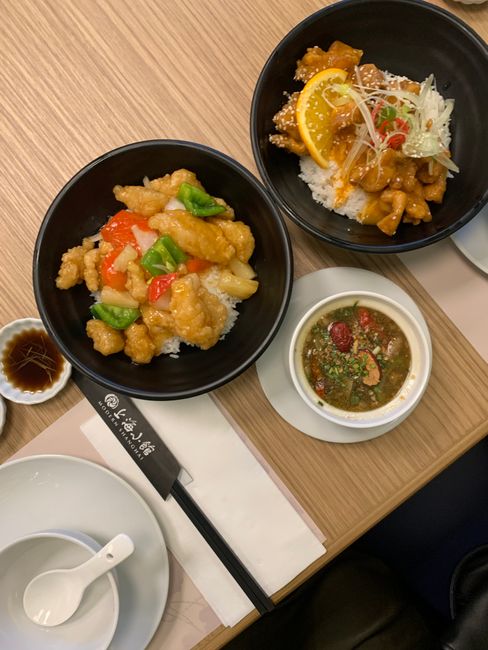
The crucial step of combining the fried chicken with the sauce is often where many home cooks falter, leading to a loss of that hard-earned crispiness. The ideal approach is to lightly coat the chicken, not drown it. Once the sauce has reached its desired consistency and is simmering gently, add the fried chicken pieces to the wok or pan. Toss them quickly and efficiently, ensuring each piece is lightly coated with the glossy sauce. The goal is to create a thin, even glaze, not to submerge the chicken in a pool of liquid. This immediate coating helps to seal in the crispness, creating a delightful textural contrast between the tender chicken and the slightly softened, yet still present, crunchy exterior. Overcooking at this stage will result in soggy chicken, negating all the effort put into achieving the perfect fry. For those who prefer an even crisper result, an alternative method is to serve the sauce on the side, allowing diners to spoon it over their chicken as desired. However, the classic preparation involves a light coating, so a swift and decisive toss is the recommended method for achieving that authentic restaurant-style finish. The visual appeal of the glossy, lightly coated chicken, with hints of vibrant green from garnishes, is also a testament to a well-executed lemon chicken.
The final flourish and presentation of authentic Chinese lemon chicken are as important as the preparation. Once the chicken is lightly coated in the sauce, it’s ready to be served immediately. A scattering of finely sliced scallions (green onions) provides a fresh, peppery bite and a beautiful visual contrast. For an even more vibrant aesthetic and a subtle citrus aroma, a few slivers of fresh lemon peel can be added as a garnish. Avoid the common practice of over-garnishing with excessive chili peppers or other ingredients that detract from the clean, bright flavors of the lemon chicken itself. The ideal accompaniment to this dish is steamed white rice, which acts as a neutral canvas, allowing the complex flavors of the lemon chicken to take center stage. The fluffy texture of the rice perfectly complements the tender chicken and the tangy sauce. Some might opt for a side of steamed or stir-fried vegetables, such as gai lan (Chinese broccoli) or bok choy, to add a healthy and colorful dimension to the meal. The key to a truly authentic presentation is simplicity and elegance, allowing the star of the show – the perfectly cooked chicken with its bright, zesty lemon sauce – to shine. This emphasis on clean flavors and a focused presentation is a hallmark of traditional Chinese cuisine and is essential for capturing the true essence of this dish.
Embracing the rediscovery of authentic Chinese lemon chicken at home is more than just a culinary endeavor; it’s an act of culinary reclamation. It’s about understanding the history, respecting the ingredients, and mastering the techniques that bring this classic dish back to its vibrant, flavorful roots. By focusing on fresh ingredients, precise cooking methods, and a balanced sauce, home cooks can unlock a world of authentic Chinese flavors, transforming their kitchens into temples of taste. This movement away from overly sweet imitations and towards the tangy, savory, and utterly delicious reality of genuine lemon chicken is a testament to the enduring power of well-executed cuisine. The journey might require a bit more attention to detail than some contemporary interpretations, but the reward is an unparalleled depth of flavor and a profound connection to a culinary heritage that deserves to be celebrated and enjoyed in its truest form. The satisfaction derived from recreating this dish authentically, from the perfect crunch of the chicken to the invigorating zest of the sauce, is a testament to the enduring appeal of well-crafted food. This is not just about making dinner; it’s about experiencing a piece of culinary history, brought to life in your own home. The accessibility of high-quality ingredients and the wealth of information available today empower any home cook to embark on this delicious revolution. The true essence of Chinese lemon chicken is within reach, waiting to be rediscovered and savored.


