The Enduring Simplicity And Healthful Power Of Cretan Horta A Spotlight On Sauteed Spinach With Lemon
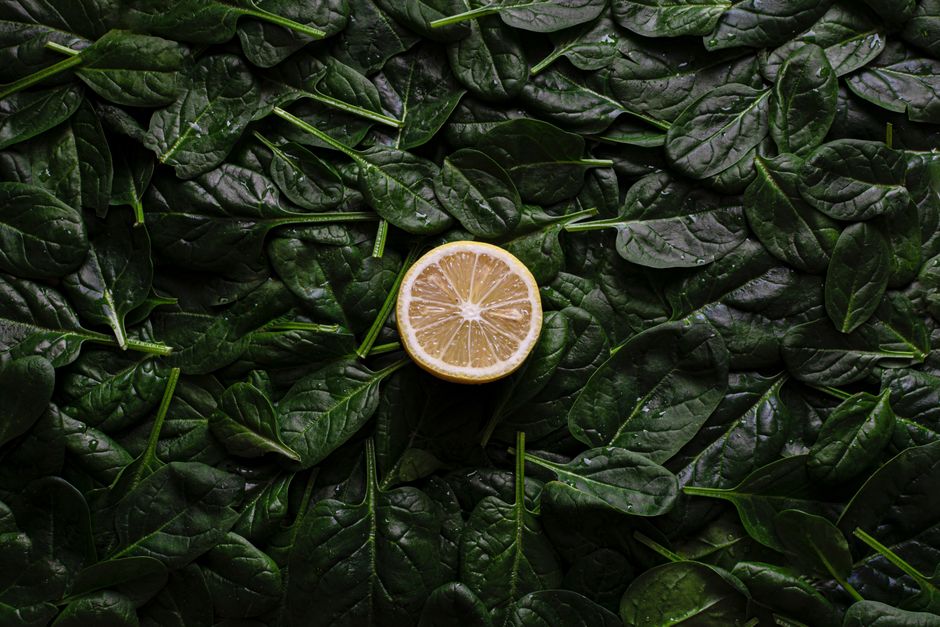
Cretan Horta: The Enduring Simplicity and Healthful Power of Wild Greens, Spotlight on Sauteed Spinach with Lemon
Cretan horta, a cornerstone of the Mediterranean diet, represents more than just a culinary tradition; it embodies a philosophy of living in harmony with nature and prioritizing nutritional density. This ancient practice of foraging and preparing wild greens has sustained generations of Cretans, contributing significantly to their renowned longevity and robust health. The simplicity of horta preparation belies its profound nutritional impact, offering a potent dose of vitamins, minerals, and antioxidants often overlooked in modern, processed diets. At its heart, horta is about celebrating the inherent goodness of the earth, transforming humble, often overlooked plants into delicious and incredibly beneficial meals. The beauty of horta lies in its accessibility and versatility. In Crete, where fertile land meets rugged terrain, a vast array of wild greens flourishes, each possessing unique flavors and health properties. From the slightly bitter dandelion and chicory to the tender purslane and amaranth, the Cretan landscape provides a vibrant palette of edible flora. This natural bounty forms the foundation of a diet that is inherently wholesome and deeply satisfying. The act of foraging itself, a practice deeply embedded in Cretan culture, connects individuals to their environment, fostering a respect for the land and its provisions. This connection, coupled with the unprocessed nature of the ingredients, underpins the enduring healthful power of horta.
The specific preparation of sauteed spinach with lemon, while seemingly basic, perfectly encapsulates the essence of horta. Spinach, though often cultivated today, shares many of the foraging characteristics of its wild cousins, growing readily and offering a rich nutritional profile. When combined with the bright acidity of fresh lemon juice, the natural bitterness and earthy notes of the spinach are harmonized, creating a flavor profile that is both refreshing and deeply satisfying. This simple dish, requiring minimal ingredients and preparation time, delivers a concentrated dose of essential nutrients. Spinach is a powerhouse of Vitamin A, crucial for vision and immune function, and Vitamin K, vital for blood clotting and bone health. It also boasts significant amounts of Vitamin C, a potent antioxidant that supports collagen production and immune defense, along with folate, important for cell growth and DNA formation. The iron content, while non-heme and less readily absorbed than heme iron from animal sources, is still a valuable contribution, especially when paired with Vitamin C which enhances its absorption. Beyond these well-known vitamins, spinach is rich in minerals like magnesium, essential for muscle and nerve function, potassium, which helps regulate blood pressure, and manganese, involved in metabolism and bone development.
The addition of lemon juice elevates this simple dish from merely healthy to exceptionally so. Lemon is renowned for its Vitamin C content, further boosting the antioxidant capacity of the meal. The citric acid in lemon also plays a crucial role in facilitating the absorption of iron from the spinach. Beyond its vitamin contribution, lemon juice provides a natural detoxifying effect, aiding the liver in its crucial functions. Its alkalizing properties, despite its acidic taste, are thought to contribute to overall bodily balance. The natural compounds within lemon zest, such as limonene, have been studied for their potential anti-inflammatory and anti-cancer properties. When sauteed, spinach undergoes a transformation. The heat breaks down some of the tougher cell walls, making certain nutrients more accessible to the body. This gentle cooking method, as opposed to over-boiling which can leach out water-soluble vitamins, preserves the integrity of the nutrients. The oil used in sauteing, ideally a good quality extra virgin olive oil, the very bedrock of Cretan cuisine, introduces healthy monounsaturated fats. These fats are crucial for nutrient absorption, cell function, and cardiovascular health, further enhancing the overall nutritional value of the dish. Extra virgin olive oil also contains polyphenols, potent antioxidants that contribute to its anti-inflammatory and protective effects.
The concept of horta extends beyond individual dishes to a holistic approach to eating. The seasonality and wild nature of many of these greens mean that the Cretan diet naturally follows the rhythm of the earth, providing a diverse array of nutrients throughout the year. This diversity is key to a robust immune system and overall well-being. Unlike modern diets that often rely on a limited number of staple crops, the traditional Cretan diet, with its emphasis on horta, offered a broader spectrum of phytochemicals and micronutrients. These compounds, often present in plants for their defense mechanisms, can offer similar protective benefits to humans, acting as antioxidants, anti-inflammatories, and even potential anti-carcinogens. The slightly bitter taste of many wild greens is not a flaw but a desirable characteristic. Bitterness is often associated with beneficial compounds that stimulate digestion and bile production, aiding in the breakdown of fats and the absorption of fat-soluble vitamins. This is a stark contrast to many processed foods which are engineered to be overwhelmingly sweet, often at the expense of nutritional value and digestive health.
The simplicity of horta preparation is a crucial element of its enduring appeal and health benefits. In a world increasingly characterized by complex recipes and processed ingredients, the ease with which horta can be prepared is a welcome antidote. Typically, horta involves a brief boiling or steaming followed by a simple dressing of olive oil and lemon. Sauteed spinach with lemon follows this minimalist approach perfectly. The key is to avoid overcooking, which can diminish the vibrant color and nutrient content. The goal is to achieve a tender yet still slightly firm texture, retaining the freshness and inherent goodness of the greens. This simplicity also makes horta a highly adaptable dish. While spinach and lemon are a classic combination, the principles can be applied to a vast array of greens, both wild and cultivated. This adaptability ensures that horta remains relevant and accessible, even in regions where specific wild greens may not be readily available. The focus remains on the inherent nutritional value of the greens and the simple, healthful additions that enhance their flavor and benefits.
Furthermore, the economic and environmental sustainability of horta is a significant factor in its enduring presence. Foraging wild greens requires minimal resources, making it an accessible and affordable food source. It also promotes a deeper understanding and appreciation of local ecosystems, encouraging responsible harvesting practices that ensure the continued availability of these natural resources. This contrasts sharply with the resource-intensive nature of large-scale agriculture and industrial food production. The act of foraging itself can be seen as a form of environmental stewardship, fostering a connection to the land and a commitment to its preservation. The knowledge of which plants are edible, when they are in season, and how to prepare them is passed down through generations, representing a living heritage that is both practical and profoundly cultural. This intergenerational transfer of knowledge is a vital component of maintaining the tradition of horta.
The health benefits attributed to the Cretan diet, of which horta is a fundamental part, are well-documented. Studies have consistently shown lower rates of cardiovascular disease, certain cancers, and neurodegenerative conditions among populations that adhere to this dietary pattern. The emphasis on plant-based foods, healthy fats from olive oil, and lean proteins, combined with the regular consumption of nutrient-dense greens like horta, creates a synergistic effect that promotes overall health and longevity. The anti-inflammatory properties of the abundant antioxidants found in horta, such as those in spinach and lemon, are particularly important in combating chronic diseases, which are often rooted in inflammation. The fiber content of these greens also contributes to a healthy gut microbiome, which is increasingly recognized as playing a critical role in immune function and mental well-being. The low caloric density of horta also makes it an excellent food for weight management, providing satiety and essential nutrients without excess calories.
In conclusion, the enduring simplicity and healthful power of Cretan horta, exemplified by sauteed spinach with lemon, lies in its profound connection to nature, its nutritional density, and its inherent accessibility. It represents a return to fundamental principles of healthy eating, celebrating the vibrant goodness of the earth in its most unadulterated form. The effortless preparation of this dish, requiring only a few wholesome ingredients, unlocks a treasure trove of vitamins, minerals, and antioxidants. As we navigate the complexities of modern nutrition, the wisdom of horta offers a compelling reminder that some of the most profound health benefits can be found in the simplest of foods, prepared with respect for the natural world and a focus on pure, unadulterated nourishment. The act of preparing and consuming sauteed spinach with lemon is not merely a meal; it is an embrace of a holistic lifestyle that prioritizes well-being through the power of plants and the wisdom of tradition, a testament to the enduring legacy of Cretan cuisine and its profound impact on human health and longevity.