
Old Fashioned Hamburger Stew

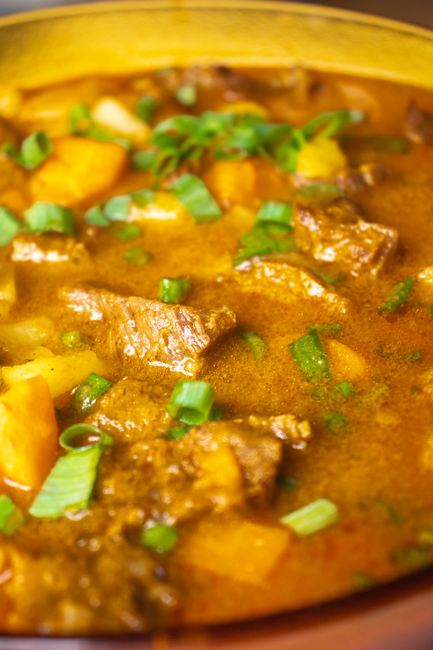
Old Fashioned Hamburger Stew: A Hearty, Comforting Classic Recipe and Guide
Old-fashioned hamburger stew embodies a foundational pillar of American comfort food, a dish born from resourcefulness and a desire for robust flavor. Its origins are deeply rooted in agrarian and working-class kitchens where making the most of readily available ingredients was paramount. This stew isn’t about complex culinary techniques; it’s about building layers of savory goodness from simple, accessible components. The humble ground beef, combined with hearty vegetables like potatoes, carrots, and onions, simmered in a rich broth, creates a deeply satisfying meal. Historically, hamburger stew was a practical way to stretch a pound of ground meat into a meal for a family, often incorporating leftover vegetables or pantry staples. Its enduring appeal lies in its unpretentious nature and its ability to deliver immense flavor with minimal fuss. The term "old-fashioned" conjures images of slow simmering, the aroma filling a cozy kitchen, and a meal that nourishes both body and soul. This stew is a testament to the power of simple ingredients transformed through patient cooking into something truly special.
The foundation of any excellent old-fashioned hamburger stew begins with the quality of the ground beef. While lean beef is often preferred for health reasons, a slightly higher fat content (around 80/20) is ideal for stew. The fat renders during cooking, contributing significantly to the overall flavor and richness of the stew. Browning the ground beef thoroughly is a critical step. This process, known as the Maillard reaction, develops deep, complex savory notes that are essential to the stew’s character. Don’t overcrowd the pan when browning the meat; doing so will steam the beef rather than sear it, resulting in a less flavorful outcome. Drain off excess fat, but reserve a tablespoon or two to sauté the aromatics. The aroma of onions and garlic softening in rendered beef fat is the first whisper of the deliciousness to come.
The vegetables are the backbone of this hearty stew. Potatoes, typically Yukon Gold or Russets, provide starchy substance and absorb the rich flavors of the broth. Cut them into roughly uniform, bite-sized pieces to ensure even cooking. Carrots add a touch of sweetness and vibrant color, while onions form the aromatic base, their sweetness mellowing and deepening as they cook. Other commonly included vegetables that enhance the flavor and texture include celery, which offers a subtle savory note, and peas or corn, often added towards the end of cooking for bursts of sweetness and color. The selection and preparation of these vegetables are straightforward: wash, peel (if necessary), and chop them into manageable pieces. Consistency in size is key for uniform cooking times, preventing some vegetables from becoming mushy while others remain undercooked.
The broth is the liquid soul of the stew. A good quality beef broth or stock is essential for building a deep, savory flavor profile. For an even richer taste, consider using a combination of beef broth and water, or even a splash of red wine if you have it on hand. Red wine adds a layer of complexity and acidity that can cut through the richness of the beef and vegetables. Tomato paste, a small but mighty ingredient, is another flavor booster. Sautéing the tomato paste with the aromatics before adding the liquid intensifies its flavor and adds a desirable depth and a hint of umami to the stew. Some recipes call for a can of diced tomatoes, which contributes both liquid and tomato flavor, along with a pleasing texture.
The cooking process for old-fashioned hamburger stew is characterized by slow, gentle simmering. Once the beef is browned and the aromatics are softened, the vegetables and broth are added, and the stew is brought to a gentle simmer. This low and slow cooking method allows the flavors to meld and deepen, and it tenderizes both the meat and the vegetables. Avoid boiling the stew vigorously, as this can result in tough meat and a cloudy broth. The lid should be partially or fully covered, depending on how much evaporation you want to control. Simmering times can vary, but generally, 30-60 minutes is sufficient for the vegetables to become tender and the flavors to fully develop. Patience is a virtue here; the longer and slower it simmers, the more profound the flavor.
Seasoning is crucial to elevating hamburger stew from good to great. Salt and freshly ground black pepper are the fundamental building blocks. Beyond the basics, a bay leaf added during simmering imparts a subtle, herbaceous aroma. Fresh or dried thyme and rosemary are also excellent additions, their earthy notes complementing the beef and vegetables beautifully. A pinch of paprika can add a touch of color and a hint of smoky sweetness. Taste and adjust seasoning throughout the cooking process. As the broth reduces, the flavors concentrate, so it’s important to re-evaluate the salt and pepper levels towards the end. Some cooks also enjoy a dash of Worcestershire sauce for an extra layer of umami and tang.
Thickening the stew is a matter of personal preference. Some prefer a thinner, brothy stew, while others enjoy a thicker, more gravy-like consistency. A classic and effective method for thickening is to create a slurry of flour or cornstarch mixed with a little cold water. Whisk this slurry into the simmering stew and cook until thickened. Alternatively, you can mash some of the cooked potatoes against the side of the pot to release their starch and thicken the broth naturally. If you’ve used a significant amount of potatoes, this method can be quite effective without the need for additional thickeners. The goal is a stew that coats the back of a spoon without being overly gloopy or gummy.
Serving old-fashioned hamburger stew is typically a simple affair, focusing on hearty accompaniments that complement its robust nature. Crusty bread is an absolute must for sopping up every last drop of the savory broth. Toasted sourdough or a good quality baguette are excellent choices. A simple side salad with a light vinaigrette can provide a refreshing contrast to the richness of the stew. For a more substantial meal, consider serving it with mashed potatoes (if you haven’t used them to thicken the stew) or a side of buttered noodles. The visual appeal of the stew, with its vibrant vegetables and rich brown broth, is enhanced by a sprinkle of fresh parsley or chives as a garnish, adding a touch of brightness and freshness.
The versatility of old-fashioned hamburger stew is one of its many charms. While the core ingredients remain constant, variations abound. Some home cooks add diced tomatoes for a tangier flavor, while others incorporate parsnips or turnips for added sweetness and earthiness. Mushrooms, sautéed until golden brown, can add another layer of umami. For a spicier version, a pinch of red pepper flakes or a dash of hot sauce can be added. The stew can also be adapted for different dietary needs. Using ground turkey or chicken can create a lighter version, though it will alter the traditional flavor profile. For a vegetarian option, lentils or extra vegetables can be used in place of the ground beef, though this deviates significantly from the classic "hamburger" stew.
Storage and reheating are straightforward for this forgiving dish. Hamburger stew can be stored in an airtight container in the refrigerator for up to 3-4 days. The flavors often deepen and improve upon resting. Reheating can be done on the stovetop over low heat, stirring occasionally, or in the microwave. Be mindful not to overheat, which can dry out the stew or toughen the meat. For longer storage, hamburger stew freezes exceptionally well. Allow the stew to cool completely before transferring it to freezer-safe containers or heavy-duty freezer bags. It can be stored in the freezer for up to 2-3 months. Thaw overnight in the refrigerator before reheating.
When discussing SEO for old-fashioned hamburger stew, keywords such as "hamburger stew recipe," "ground beef stew," "easy beef stew," "comfort food recipes," "hearty stew," "old fashioned cooking," "simple stew," "vegetable beef stew," and "family dinner ideas" are highly relevant. Including these terms naturally throughout the article, especially in headings and subheadings, will improve its visibility in search engine results. The article’s structure, with its clear progression from ingredients to preparation and serving, also contributes to readability and SEO. Focusing on practical, actionable advice and providing a detailed recipe further enhances its value for users searching for this specific dish. The emphasis on "old-fashioned" and "classic" appeals to a specific search intent.
The nutritional profile of old-fashioned hamburger stew is surprisingly well-rounded. It’s a good source of protein from the ground beef, essential for muscle repair and satiety. The various vegetables provide dietary fiber, vitamins (such as Vitamin A from carrots, Vitamin C from potatoes and other vegetables), and minerals. While it can be a calorie-dense meal due to the beef and potatoes, the inclusion of plenty of vegetables helps to balance this. For those mindful of fat content, opting for leaner ground beef and draining off more fat after browning can be helpful. The broth, especially if made with low-sodium beef broth, can contribute to hydration. The stew is a complete meal in itself, offering carbohydrates for energy, protein for building, and fiber and micronutrients for overall health.
In conclusion, old-fashioned hamburger stew is more than just a meal; it’s a culinary tradition, a symbol of resourceful cooking, and a testament to the power of simple, honest ingredients. Its enduring popularity stems from its comforting nature, its satisfying flavors, and its adaptability. This hearty, one-pot wonder is perfect for a chilly evening, a family gathering, or simply when you crave a taste of home. Mastering this classic recipe provides a foundation for countless variations, ensuring that this beloved dish can be enjoyed for generations to come. The emphasis on browning the beef, building flavor with aromatics, and slow simmering are the key takeaways for achieving an authentic and delicious old-fashioned hamburger stew. Its accessibility and comforting appeal make it a perennial favorite in kitchens across the country.


