
A Culinary Revolution Rediscovering Authentic Chinese Lemon Chicken At Home

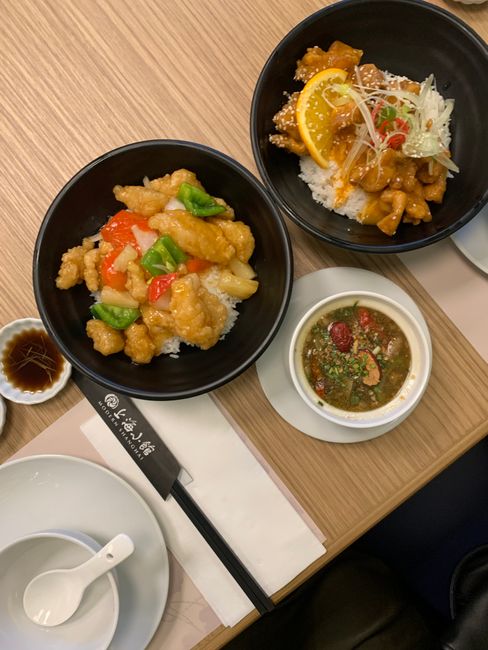
The Culinary Renaissance: Reclaiming Authentic Chinese Lemon Chicken in the Home Kitchen
The allure of Chinese takeout, particularly the ubiquitous lemon chicken, has long captivated Western palates. Yet, the sweet, tangy, and often deeply fried rendition commonly found in restaurants bears only a superficial resemblance to its true origins. A quiet culinary revolution is brewing in home kitchens, driven by a desire to peel back the layers of globalization and rediscover the authentic flavors of traditional Chinese lemon chicken. This isn’t merely about replicating a dish; it’s about understanding its history, its regional variations, and the techniques that elevate it from a fast-food staple to a nuanced culinary experience. The modern home cook, armed with readily available information and a growing appreciation for ingredient integrity, is embarking on a journey to demystify and master this beloved yet often misunderstood dish, transforming their kitchens into laboratories of authentic flavor. This resurgence is fueled by a growing dissatisfaction with overly sweetened, one-dimensional versions and a yearning for the bright, zesty, and balanced profile that defines its heritage.
Understanding the core of authentic Chinese lemon chicken lies in its namesake ingredient: the lemon. In its true form, the lemon is not merely a sauce component but a foundational element, its juice and zest infusing the dish with a vibrant acidity that cuts through richness and elevates the inherent flavors of the chicken and accompanying aromatics. The misconception often lies in the perceived sweetness. While a touch of sugar is present in many authentic recipes to balance the tartness, it is never the dominant flavor profile. Instead, the interplay between sharp citrus, savory notes from soy sauce and Shaoxing wine, and the subtle warmth of ginger and garlic creates a complex and satisfying symphony of tastes. This rediscovery process involves moving beyond the gloopy, cornstarch-laden sauces of generic takeout and embracing a more refined approach to sauce building, where each ingredient plays a crucial role in achieving harmony.
The foundation of any truly authentic lemon chicken dish rests upon the quality and preparation of the chicken itself. Unlike the heavily battered and deep-fried nuggets often encountered, traditional recipes favor cuts that offer both tenderness and a pleasant chew. Thigh meat, with its higher fat content, is often preferred for its ability to remain moist and flavorful during the cooking process. The marination is equally critical, setting the stage for the depth of flavor that will unfold. A typical authentic marinade will include a combination of Shaoxing wine, a cornerstone of Chinese cooking, providing its characteristic malty, slightly sweet, and umami-rich essence. Soy sauce, preferably a light variety to avoid overwhelming the other flavors, adds saltiness and depth. A pinch of white pepper contributes a subtle warmth, and cornstarch acts not just as a tenderizer but also to create a delicate coating that will hold the sauce beautifully. Some regional variations might incorporate a touch of sesame oil for its nutty aroma, or even a whisper of five-spice powder, though the latter is less common in pure lemon chicken recipes.
The cooking method for the chicken is another area where authenticity diverges significantly from popular takeout versions. While deep-frying is prevalent in Westernized adaptations, many traditional recipes opt for pan-frying or stir-frying. Pan-frying, particularly in a well-seasoned wok, allows for a controlled crisping of the chicken pieces, achieving a delightful golden-brown exterior without the greasiness often associated with deep-frying. The goal is a light, crispy coating that yields to tender, juicy meat within, not a thick, bread-like shell. Stir-frying, when done at high heat, also achieves a rapid cook and a pleasing texture. The key is to not overcrowd the pan, ensuring each piece has sufficient contact with the heat to brown properly. This meticulous attention to the cooking process ensures the chicken remains the star, not a vehicle for an overly assertive batter.
The sauce, the soul of lemon chicken, is where the true art of authentic Chinese cooking shines. The vibrant, zesty lemon sauce is built upon a foundation of fresh lemon juice, carefully balanced with other key ingredients. The sweetness, if present, comes from a modest amount of sugar, often rock sugar for its clean sweetness, or honey for a slightly different floral note. The acidity is paramount, and the fresh lemon juice is non-negotiable. To achieve the desired viscosity and sheen, cornstarch is again employed, but with precision. A slurry of cornstarch and water, added judiciously, thickens the sauce to a light glaze rather than a heavy, cloying goo. Savory elements are introduced through soy sauce, and often a touch of chicken broth or water to create the right consistency. The aromatic base for the sauce is typically built with finely minced ginger and garlic, sautéed until fragrant to release their pungent oils. Some authentic recipes might include a hint of dried chilies for a subtle background heat, or a splash of rice vinegar to further enhance the acidity. The process of creating this sauce is a dance of flavors, a delicate calibration of sweet, sour, savory, and aromatic, all working in concert to complement, not overwhelm, the chicken.
Regional variations offer a fascinating glimpse into the diverse interpretations of lemon chicken across China. While the Sichuan version might lean towards a bolder, spicier profile with the inclusion of chili bean paste and Sichuan peppercorns, the Cantonese rendition is typically more refined, emphasizing the delicate balance of sweet and sour with a focus on fresh, bright flavors. Coastal regions might incorporate a touch of seafood or other fresh ingredients into the sauce, adding another layer of complexity. This exploration of regional differences allows home cooks to move beyond a singular definition and discover a spectrum of authentic experiences. It encourages experimentation with different types of citrus, such as calamansi or Meyer lemons, to achieve unique flavor profiles. Understanding these nuances empowers the home chef to tailor the dish to their personal preferences while still adhering to the core principles of authentic Chinese cooking.
The rediscovery of authentic Chinese lemon chicken in home kitchens is not merely a trend; it’s a testament to the power of culinary curiosity and a growing appreciation for genuine flavors. It’s about challenging preconceived notions and actively seeking out the techniques and ingredients that define a dish’s true identity. This culinary revolution empowers individuals to recreate restaurant-quality dishes at home, offering a healthier, more controlled, and ultimately more satisfying alternative to takeout. The SEO advantage of this movement lies in the keywords people are actively searching for: "authentic lemon chicken recipe," "traditional Chinese lemon chicken," "real lemon chicken sauce," and "how to make lemon chicken from scratch." By focusing on these authentic approaches, food bloggers, recipe developers, and home cooks can tap into a significant and growing audience eager to elevate their understanding and enjoyment of this classic dish.
The integration of fresh ingredients is paramount in this rediscovery. Moving away from pre-packaged sauces and concentrated lemon juices, the authentic approach champions the use of freshly squeezed lemon juice, its bright acidity providing an unparalleled freshness. Zesting the lemon further amplifies its aromatic qualities, infusing the sauce with a more profound citrus essence. Similarly, fresh ginger and garlic, finely minced or grated, form the aromatic backbone of the dish, their pungent oils releasing a complex fragrance during the sautéing process. The quality of the soy sauce also plays a significant role; opting for a good quality light soy sauce or even a tamari for a gluten-free option ensures a cleaner, more nuanced salty flavor that doesn’t overpower the delicate citrus notes. Shaoxing wine, a staple in Chinese cooking, is crucial for its unique malty depth, and substitutes can significantly alter the authentic flavor profile.
The textural contrast in authentic lemon chicken is a carefully orchestrated element. The chicken should possess a light crispness on the exterior, achieved through careful frying or stir-frying, giving way to a tender, succulent interior. This is in stark contrast to the often dense, bread-like coating found in many Westernized versions. The sauce itself should be a glossy glaze, clinging lightly to the chicken without being overly thick or cloying. Achieving this balance requires precise management of cornstarch slurry, adding it gradually and stirring constantly until the desired consistency is reached. The goal is a sauce that enhances the dish, providing a burst of flavor and moisture without masking the inherent qualities of the chicken.
Furthermore, the educational aspect of this culinary renaissance is key to its SEO success. Providing detailed guides on ingredient sourcing, explaining the purpose of each component in the marinade and sauce, and offering step-by-step instructions on mastering the cooking techniques will resonate with a broad audience. Recipes that delve into the nuances of wok cooking, the correct heat levels for stir-frying, and the art of thickening sauces will be highly valued. Sharing tips on how to adjust the sweetness and sourness of the sauce to personal preference, while still maintaining an authentic flavor profile, will further empower home cooks. This focus on education and skill-building elevates content beyond simple recipes, establishing authority and fostering a loyal readership.
The visual appeal of authentic Chinese lemon chicken also plays a crucial role in its online discoverability. High-quality photography that showcases the vibrant colors of the sauce, the golden hue of the perfectly cooked chicken, and the fresh garnishes will be instrumental in attracting clicks and encouraging engagement. Aesthetically pleasing presentations can be achieved through the use of fresh spring onions, thinly sliced red chilies, or even a sprinkle of toasted sesame seeds, adding both visual interest and complementary flavors. This attention to detail in food styling not only enhances the user experience but also contributes to higher search engine rankings for image-based searches.
The term "culinary revolution" in the context of lemon chicken signifies a paradigm shift in how this dish is perceived and prepared. It moves beyond the realm of convenient but often inauthentic takeout and into the domain of thoughtful, ingredient-driven home cooking. This shift is driven by a growing awareness of food origins, a desire for healthier alternatives, and a genuine appreciation for the complexities of traditional cuisine. For SEO, this means targeting keywords related to "healthy Chinese recipes," "homemade Chinese food," "demystifying Chinese cooking," and "authentic flavor profiles." By positioning authentic lemon chicken as a gateway to exploring broader Chinese culinary traditions, content creators can attract a wider audience interested in more than just a single dish.
The enduring appeal of lemon chicken, even in its less authentic forms, highlights a fundamental desire for its core flavor combination: the interplay of bright citrus and savory chicken. The authentic rediscovery taps into this inherent appeal, offering a more sophisticated and balanced iteration. By focusing on the specific techniques – the precise marination, the ideal cooking temperature for the chicken, the artful construction of the lemon sauce – home cooks can unlock a flavor experience that is both familiar and revelatory. This deep dive into the mechanics of the dish is precisely what online searches are seeking. For instance, "how to get crispy chicken for lemon chicken" or "best ratio for lemon chicken sauce" are specific queries that authentic guides can effectively answer.
The social sharing aspect of this culinary revolution cannot be overstated. As home cooks successfully recreate authentic lemon chicken, they are likely to share their triumphs on social media platforms, using relevant hashtags like #AuthenticChinese, #HomemadeLemonChicken, #ChineseFoodRevival, and #TasteOfTradition. This user-generated content further amplifies the reach of authentic recipes and culinary insights, driving organic traffic and brand awareness. Encouraging readers to share their own creations and variations fosters a sense of community and shared learning, which is highly beneficial for long-term SEO success.
In conclusion, the rediscovery of authentic Chinese lemon chicken in home kitchens is a powerful culinary movement. It’s about understanding, respecting, and recreating a dish with integrity. By focusing on fresh ingredients, traditional techniques, and nuanced flavor profiles, home cooks can elevate this beloved classic into a truly exceptional culinary experience. For SEO purposes, this translates into a rich landscape of searchable terms and content opportunities, catering to a growing audience eager to move beyond the superficial and embrace the true essence of authentic Chinese cooking. This isn’t just about a recipe; it’s about a culinary journey of flavor, authenticity, and home-cooked delight.


