
Air Fryer Hamburger Patties

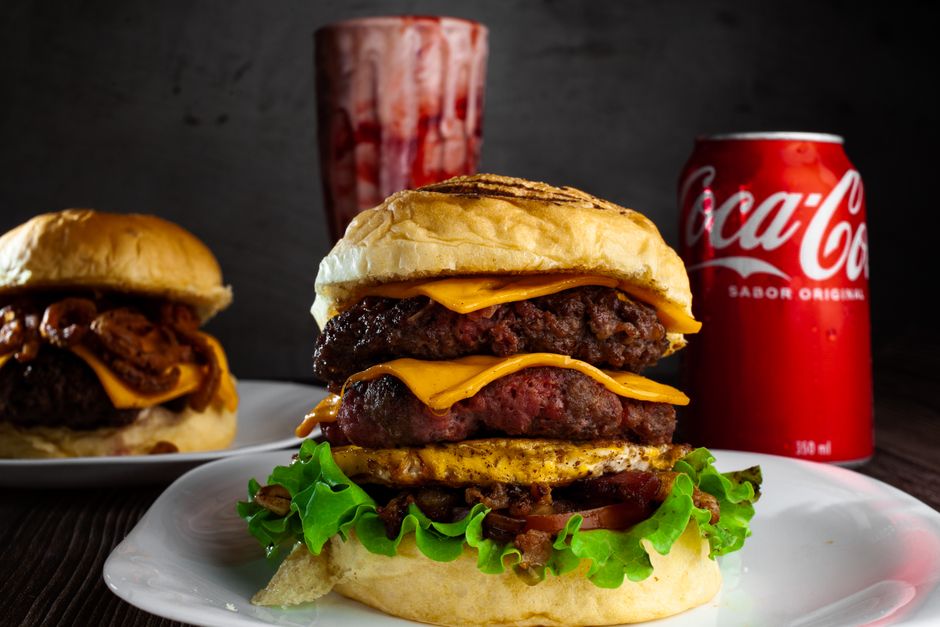
The Ultimate Guide to Air Fryer Hamburger Patties: Crispy, Juicy Perfection Every Time
Air fryer hamburger patties represent a culinary revolution, offering a method to achieve impeccably crispy exteriors and incredibly juicy interiors without the mess or guesswork often associated with pan-frying or grilling. This comprehensive guide delves into the nuances of crafting perfect air fryer hamburger patties, from selecting the ideal ground beef to mastering cooking times and temperatures for a consistently delicious result. We’ll explore the science behind the air fryer’s magic, the benefits it offers over traditional methods, and provide actionable tips and tricks to elevate your burger game. Whether you’re a seasoned home cook or a beginner exploring the versatility of your air fryer, this article will equip you with the knowledge to produce restaurant-quality burgers in the comfort of your own kitchen.
The core advantage of utilizing an air fryer for hamburger patties lies in its convection cooking technology. An air fryer essentially acts as a compact, high-powered convection oven. It circulates hot air rapidly and evenly around the food, creating a dehydration effect on the exterior while simultaneously cooking the interior. This intense, dry heat is what leads to the desirable crispy crust on the patties, a texture notoriously difficult to achieve consistently on a stovetop without overcooking the inside. Furthermore, the enclosed environment of the air fryer minimizes splattering grease, a common complaint with pan-frying, making cleanup significantly easier. The precise temperature control offered by most air fryers also eliminates the variability of outdoor grilling, where wind and uneven heat distribution can lead to burnt edges and undercooked centers. For those seeking a healthier alternative, air frying requires little to no added oil, dramatically reducing the fat content of your hamburger patties compared to deep-frying or even pan-frying with liberal amounts of oil. This makes air fryer burgers an excellent option for health-conscious individuals or families looking to enjoy their favorite comfort food with fewer calories and less saturated fat. The speed and efficiency of air frying are also noteworthy. Preheating is typically much faster than a conventional oven, and the cooking time for hamburger patties is often comparable to, or even shorter than, traditional methods, making it an ideal choice for weeknight meals.
The foundation of an exceptional hamburger patty begins with the quality of the ground beef. For optimal flavor and texture in an air fryer, a blend with a moderate fat content is crucial. Aim for an 80/20 lean-to-fat ratio. The fat is not only essential for flavor but also contributes significantly to the juiciness of the patty. If the fat content is too high (e.g., 70/30), the patties can become greasy and may not hold their shape as well. Conversely, a very lean grind (e.g., 90/10 or 93/7) will result in drier, less flavorful burgers that can become tough. When purchasing ground beef, look for a bright red color, indicating freshness. If possible, opt for ground chuck, as it offers a good balance of fat and flavor that is ideal for burgers. For those concerned about antibiotic or hormone use, seek out grass-fed or organic options. The grinding process also plays a role; a coarser grind tends to hold together better and provide a more satisfying bite. If you have the ability, grinding your own beef from a cut like chuck roast can offer superior freshness and control over the fat content. When handling the ground beef, it’s important not to overwork it. Overmixing can develop the proteins, leading to a tougher, denser patty, which is the opposite of what we aim for with air fryer burgers. Gentle handling ensures a tender, melt-in-your-mouth experience.
Seasoning is the next critical element in transforming simple ground beef into a flavorful hamburger patty. While the inherent taste of good quality beef is paramount, strategic seasoning can elevate it to new heights. The most fundamental seasoning is salt and black pepper. For air fryer patties, it’s particularly important to season generously, as the circulating hot air can sometimes diminish the impact of lighter seasoning. Use kosher salt or sea salt for a cleaner flavor. Freshly ground black pepper offers a more potent and aromatic punch than pre-ground varieties. For basic burgers, these two are often sufficient. However, exploring additional flavor profiles can unlock a world of delicious possibilities. Garlic powder and onion powder are classic additions that add depth and savory notes. A pinch of paprika can introduce a subtle smokiness and a beautiful reddish hue. For a touch of umami, consider adding a dash of Worcestershire sauce, which also helps to tenderize the meat. Some adventurous cooks even incorporate a small amount of Dijon mustard for a tangy kick or a whisper of cayenne pepper for a hint of heat. The key is to season the meat just before forming the patties and cooking them. Salting the meat too far in advance can draw out moisture, leading to a less juicy burger. When incorporating wet ingredients like Worcestershire sauce, it’s best to mix them in gently with the ground beef to ensure even distribution without overworking the meat.
Forming the hamburger patties is an art that directly impacts their cooking performance and final texture. The ideal patty thickness for air frying is typically between ½ to ¾ inch. Thicker patties will require longer cooking times, and thinner patties can dry out too quickly. Aim for patties that are slightly larger in diameter than your air fryer basket, as they will shrink slightly during cooking. To achieve uniform patties, using a burger press is highly recommended. This ensures consistent thickness, which translates to even cooking. If you don’t have a burger press, you can use your hands, but be gentle. Place a portion of seasoned ground beef in your palm and gently form it into a ball. Then, press down to create a disc, ensuring the edges are smooth and even. A common technique to prevent patties from puffing up excessively in the center during cooking (creating a "football" shape) is to create a slight indentation in the middle of the patty with your thumb. This helps the patty to cook more evenly and lie flatter. Avoid compacting the meat too tightly, as this will lead to a dense, less tender burger. Work with cold ground beef; it’s easier to handle and holds its shape better. If you plan to cook the patties immediately, you can place them directly into the air fryer. If you need to prepare them in advance, line them with parchment paper and refrigerate them. This helps them firm up, making them easier to transfer to the air fryer.
Preheating the air fryer is a crucial step for achieving that coveted crispy exterior on your hamburger patties. Just as you would preheat an oven or a grill, an air fryer needs to reach its optimal temperature to effectively cook and crisp your food. Most air fryers recommend preheating for 3-5 minutes at the desired cooking temperature. For hamburger patties, a common and effective preheating temperature is 375°F (190°C). This temperature is hot enough to initiate browning and crisping on the exterior quickly without scorching the outside before the inside is cooked through. Skipping the preheating step can lead to a less desirable outcome, as the patties will begin cooking at a lower temperature, potentially resulting in a steamed rather than a crisped texture. Once preheated, carefully place the hamburger patties into the air fryer basket. Ensure you don’t overcrowd the basket; this is vital for proper air circulation. Overcrowding will steam the patties rather than air fry them, negating the primary benefit of this cooking method. Leave at least ½ inch of space between each patty. If you are cooking a larger batch, it’s better to cook in multiple rounds than to compromise on cooking quality. The bottom of the air fryer basket is typically where the most intense heat is directed, so placing the patties with some space allows the hot air to circulate freely around all sides.
Cooking times for air fryer hamburger patties will vary depending on the thickness of the patties, the specific model of your air fryer, and your desired level of doneness. As a general guideline, for ½ to ¾ inch thick patties at 375°F (190°C), expect a cooking time of approximately 8-12 minutes. It’s essential to flip the patties halfway through the cooking process to ensure even browning and cooking on both sides. For example, after 4-6 minutes, carefully remove the basket, flip the patties using tongs, and return the basket to the air fryer. Use a meat thermometer to accurately gauge the internal temperature and achieve your preferred doneness. For rare burgers, aim for an internal temperature of 125°F (52°C). Medium-rare is achieved at 130-135°F (54-57°C), medium at 140-145°F (60-63°C), medium-well at 150-155°F (66-68°C), and well-done at 160°F (71°C) and above. Remember that the internal temperature will rise a few degrees as the patties rest after cooking. When flipping the patties, you’ll notice the exterior has already started to develop a beautiful brown crust. This is the magic of the air fryer at work. The juices will be more contained within the patty, leading to a much juicier result than you might experience with other cooking methods where fat can render out more readily. For thicker patties, you may need to increase the cooking time by a few minutes per side, and for thinner patties, reduce the time. It’s always better to undercook slightly and add more time if needed, rather than overcook and end up with dry burgers.
Resting your air fryer hamburger patties after cooking is as important as the cooking process itself. Once the patties have reached your desired internal temperature, carefully remove them from the air fryer basket and place them on a clean plate or cutting board. Tent them loosely with aluminum foil. This resting period, typically 5-10 minutes, allows the juices within the meat to redistribute evenly throughout the patty. When you cut into a burger immediately after cooking, the juices will run out, leaving the meat drier. Resting allows these juices to be reabsorbed, resulting in a significantly more succulent and flavorful burger. This simple step makes a noticeable difference in the overall juiciness and tenderness of your air fryer hamburger patties. During the resting period, you can also lightly toast your burger buns in the air fryer or on the stovetop, or prepare your favorite burger toppings. The residual heat from the patties will also help to slightly melt any cheese you’ve added.
Customization and creative variations are where air fryer hamburger patties truly shine, offering a platform for endless culinary exploration. Beyond the classic beef burger, you can experiment with different types of ground meat. Ground turkey and chicken patties are excellent candidates for air frying, offering a leaner alternative. However, it’s important to be mindful of their lower fat content; adding a binder like breadcrumbs or an egg, along with some extra moisture-retaining ingredients like finely grated zucchini or onion, can help prevent them from drying out. Ground lamb also produces incredibly flavorful patties; the natural richness of lamb pairs exceptionally well with Mediterranean-inspired seasonings like rosemary, garlic, and oregano. For a plant-based option, black bean burgers or lentil patties can also be prepared in the air fryer, though cooking times and temperatures may need adjustment based on their moisture content and density.
Beyond the meat, the seasonings and additions are where true creativity can flourish. Incorporate finely diced onions, bell peppers, or mushrooms directly into the ground meat mixture for added flavor and texture. For a spicy kick, add diced jalapeños or a pinch of chili powder. Consider adding crumbled bacon or cheese directly into the patty mixture before forming. Another popular variation is to stuff the patties with cheese. Create two thin patties, place a generous portion of shredded cheese (cheddar, mozzarella, or a blend) in the center of one, and then top with the other patty, carefully sealing the edges to create a "juicy Lucy" style burger. This method works exceptionally well in the air fryer, as the enclosed environment helps to melt the cheese without it leaking out excessively. Seasoning blends can also be tailored to specific cuisines. Think about Italian-inspired burgers with mozzarella, basil, and marinara sauce, or Mexican-inspired burgers with cumin, chili powder, and a dollop of salsa. The possibilities are virtually limitless, making the air fryer a versatile tool for creating personalized burger experiences.
Troubleshooting common issues is part of mastering any cooking technique. If your air fryer hamburger patties are coming out dry, the most likely culprits are using ground beef that is too lean, overcooking, or not allowing enough resting time. Ensure you are using an 80/20 blend, pay close attention to internal temperatures with a thermometer, and always rest your patties. If your patties are falling apart, it could be due to overworking the meat during mixing or forming, or not having enough binder if you are using leaner meats like turkey or chicken. Gently handling the meat and ensuring a slight indentation in the center can also help with structural integrity. If your patties are sticking to the air fryer basket, ensure you have preheated the air fryer sufficiently and consider lightly spraying the basket with non-stick cooking spray, though many air fryer baskets have a non-stick coating that usually suffices. Overcrowding the basket is another common mistake that leads to uneven cooking and a steamed rather than a crispy texture; always ensure adequate space between patties. For patties that are cooking too quickly on the outside and not through on the inside, reduce the temperature slightly and increase the cooking time, or ensure your patties are a consistent thickness. By understanding these common pitfalls and their solutions, you can consistently produce perfect air fryer hamburger patties.
The nutritional benefits of air fryer hamburger patties are significant, particularly when compared to other popular cooking methods. By minimizing the need for added oils, air frying dramatically reduces the overall fat and calorie content of your burgers. A typical pan-fried burger can absorb a considerable amount of cooking oil, while an air fryer burger relies on the natural fat within the beef to achieve its rich flavor and moist texture. This makes air fryer burgers a more heart-healthy option for individuals who are watching their fat intake or seeking to maintain a balanced diet. The protein content remains high, making them a satisfying and nutrient-dense meal. Furthermore, by controlling the ingredients and seasonings, you can further enhance the health profile of your burgers. Opting for leaner ground beef, incorporating finely chopped vegetables into the patty, and using fresh herbs and spices instead of high-sodium pre-made seasonings contribute to a healthier final product. When served with whole wheat buns and a generous portion of steamed vegetables or a fresh salad, air fryer hamburger patties can be a cornerstone of a nutritious and delicious meal. The ability to achieve a satisfyingly crispy texture without deep-frying also means you can enjoy the indulgence of a burger without the guilt associated with excessive saturated fats and calories.
To maximize the longevity and performance of your air fryer for burger preparation, proper maintenance is key. After each use, allow the air fryer to cool down completely before cleaning. Most air fryer baskets and trays are dishwasher safe, but handwashing with warm, soapy water and a non-abrasive sponge is often recommended to preserve the non-stick coating. For stubborn, stuck-on food particles, you can soak the basket in warm water and a bit of dish soap for a few minutes before gently scrubbing. The interior of the air fryer unit itself can be wiped down with a damp cloth. Ensure all parts are thoroughly dried before reassembling or storing the air fryer. Regularly inspect the heating element for any debris and clean it according to your manufacturer’s instructions. This routine cleaning prevents the buildup of grease and food particles, which can affect cooking performance and potentially lead to unpleasant odors or smoke. A well-maintained air fryer will consistently deliver excellent results for your hamburger patties and a wide range of other air-fried foods.
In conclusion, mastering the art of air fryer hamburger patties unlocks a world of convenience, health benefits, and deliciousness. By understanding the principles of convection cooking, selecting quality ingredients, and employing simple yet effective techniques, you can consistently produce restaurant-quality burgers that are both crispy and incredibly juicy. The air fryer offers a superior alternative to traditional cooking methods, delivering consistent results with minimal mess and a healthier nutritional profile. From the fundamental choice of ground beef and the nuances of seasoning to the precise techniques of forming, cooking, and resting, this guide provides a comprehensive roadmap to achieving burger perfection. Experiment with different flavor profiles, embrace the versatility of your air fryer, and enjoy the satisfying reward of creating your own delicious, guilt-free hamburger patties time and time again. The air fryer is more than just an appliance; it’s a gateway to healthier, more flavorful, and undeniably enjoyable home-cooked meals, with perfectly cooked hamburger patties taking center stage.


