Applebee’s Celebrates National Cheeseburger Day with One-Day $8.99 Burger & Fries Deal

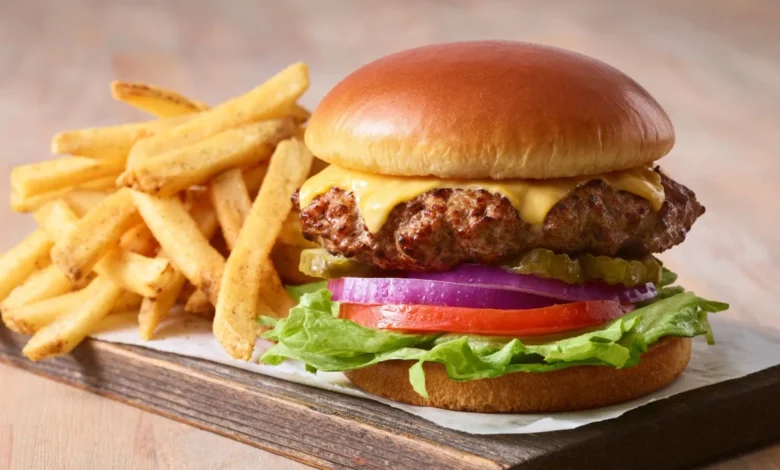
As September 18 approaches, the casual dining sector is preparing for one of its most high-traffic promotional events of the year: National Cheeseburger Day. Applebee’s, a staple of the American restaurant landscape, has officially announced a aggressive pricing strategy for the occasion, offering its signature Classic Burger or Classic Cheeseburger paired with fries for just $8.99. This promotion is available nationwide at participating locations for both dine-in and off-premise orders, marking a continued effort by the chain to incentivize consumer traffic through high-value, low-cost menu offerings.
Historical Context and the Evolution of National Cheeseburger Day
National Cheeseburger Day has transformed from a niche social media observance into a significant commercial holiday for the restaurant industry. While the exact origins of the cheeseburger remain a subject of culinary debate—with various claims tracing back to the 1920s—the day itself has become a strategic anchor for fast-casual and casual dining chains. In recent years, competition among major brands to capture the "burger dollar" has intensified, leading to increasingly aggressive price points and innovative limited-time offerings.
For Applebee’s, the decision to offer a sub-$9 meal deal reflects a broader trend of "value-based marketing." In an economic climate characterized by fluctuating food costs and tightened household budgets, the strategy serves two purposes: it drives immediate transaction volume on September 18 and acts as a funnel for long-term customer loyalty programs, such as Club Applebee’s.
Detailed Breakdown of the Promotional Offer
The $8.99 promotion specifically covers the core of Applebee’s Handcrafted Burger lineup. The product features an all-beef patty, standard garnishes of lettuce, tomato, onion, and pickles, served on a toasted Brioche bun. For those opting for the cheeseburger variant, the dish is finished with two slices of American cheese.
The inclusion of fries in the $8.99 price point is a critical component of the value proposition. By bundling the side, Applebee’s effectively lowers the barrier to entry for budget-conscious families and individual diners. To maintain operational efficiency, the promotion is restricted to direct orders via the Applebee’s mobile application or website, or through traditional dine-in service. The company has explicitly excluded third-party delivery platforms from this specific deal, a tactical move designed to capture higher margins by avoiding the commission fees associated with external delivery aggregators.
The O-M-Cheese Expansion and Menu Innovation
Beyond the one-day promotional event, Applebee’s is leveraging the wider month of September to highlight its more complex, premium burger developments. Central to this strategy is the "O-M-Cheese" lineup, which aims to differentiate the brand in a crowded market.
The newest addition, the O-M-Cheese-adilla Burger, represents a fusion of two of the brand’s most successful menu items: the Quesadilla Burger and the traditional cheeseburger. The dish features a patty topped with bacon and Pepper Jack cheese, served within a skillet of molten queso and melted Cheddar, accompanied by white corn tortilla chips and house-made pico de gallo. This item is currently integrated into the brand’s 2 for $25 value menu, a long-standing promotion that allows guests to select one appetizer and two full-size entrees. This tiered approach—offering a "loss leader" deal on September 18 while simultaneously upselling to higher-margin, innovative items—demonstrates a sophisticated multi-channel marketing strategy.
Economic Implications for the Casual Dining Sector
The casual dining industry is currently navigating a period of adjustment. According to recent market analysis, consumer spending in the "eat-out" category has shown resilience, though it is increasingly sensitive to price fluctuations. Data suggests that while diners are still willing to eat out, they are shifting their preferences toward "value-engineered" meals.

By keeping the price point under the $9 threshold, Applebee’s is positioning itself against both fast-food competitors and other casual chains. Industry experts note that the "psychological price ceiling" for a burger-and-fry combo in the current market sits near the $10 mark. By remaining below this, Applebee’s creates a perception of significant savings, which is a key driver for repeat visits.
Furthermore, the integration of digital ordering for this promotion serves as a data-collection mechanism. By requiring guests to use the Applebee’s app or website to secure the deal, the brand increases its database of digital users, allowing for more precise retargeting and personalized marketing efforts in the fourth quarter.
Corporate Strategy and Brand Positioning
Michelle Chin, Chief Marketing Officer at Applebee’s, underscored the necessity of this approach in a recent statement. She emphasized that a great cheeseburger represents the "sweet spot" between comfort and value, a sentiment that resonates with current consumer behavior. "Burgers remain one of our most-loved menu categories," Chin noted, highlighting that the promotional day serves as an "excuse to come together and celebrate."
This strategy aligns with the broader goals of Dine Brands Global Inc., the parent company of Applebee’s. As of mid-2026, the brand oversees over 1,400 locations globally. Managing such a vast network requires a delicate balance between maintaining high-quality food standards and executing standardized, cost-effective promotions. The use of a "neighborhood" branding strategy—emphasizing the role of local franchise operators in community-building—is designed to foster a sense of local loyalty that differentiates Applebee’s from more sterile, national fast-food chains.
Operational Logistics and Consumer Access
For consumers looking to participate, the logistics are intentionally simplified. The promotion is valid exclusively on September 18, 2026. The company has established clear guidelines to ensure the operational flow remains smooth during what is expected to be a high-volume day:
- Dine-in: Standard service applies, with the discount automatically applied to the eligible items.
- Digital/App: Users must select the specific "National Cheeseburger Day" menu category to trigger the $8.99 pricing.
- Exclusions: The deal is not applicable to third-party delivery services (such as DoorDash or UberEats), which helps the company control costs and maintain service quality.
- Geography: While the offer is available nationwide, the company notes that participation may vary by location, and diners are encouraged to check their local store’s status via the Applebee’s website.
Future Outlook and Market Impact
As the industry looks toward the end of the year, the success of this campaign will likely be measured by more than just the number of burgers sold. The primary KPIs (Key Performance Indicators) will include the number of new app downloads, the conversion rate of "one-day-only" customers into repeat diners, and the overall uplift in the 2 for $25 menu sales.
The broader implication of this promotion is the ongoing "Burger Wars" within the casual dining sector. As competitors scramble to offer similar discounts, the battle is no longer just about the price of the meat and bread; it is about the "experience" of the meal and the ease of the digital transaction. Applebee’s focus on the O-M-Cheese line suggests they are betting on "craveability" and menu innovation as the long-term solution to maintaining relevance in an era of intense competition.
As of the third quarter of 2026, Applebee’s continues to maintain a strong presence in the American dining scene, successfully pivoting between its identity as a family-friendly restaurant and its role as a competitive player in the digital-first food economy. Whether the $8.99 price point will remain a sustainable anchor for future promotions remains to be seen, but for the upcoming National Cheeseburger Day, it stands as a clear signal of the brand’s intent to capture the attention of the American consumer.