Restaurant News Bites: Haunted Restaurants, Southern Diners, a 13-Year-Old Restaurant Owner, and More!

The landscape of the modern hospitality industry is undergoing a period of profound transformation, characterized by a blend of deep-rooted nostalgia and radical technological integration. From the preservation of historic dining landmarks to the emergence of Gen Z-led entrepreneurship and the contentious role of artificial intelligence in service, the restaurant sector is navigating a complex web of cultural and economic shifts.
The Intersection of History and Gastronomy
The fascination with "haunted" hospitality has become a niche but growing subsector of culinary tourism. Establishments such as the Union Oyster House in Boston—the oldest continuously operating restaurant in the United States, dating back to 1826—serve as anchors for this trend. These venues provide more than just historical architecture; they offer a narrative-driven experience. Data from travel analysts suggests that themed historical dining experiences contribute to a significant increase in off-season foot traffic for older establishments, as diners seek immersive environments that provide both caloric sustenance and a connection to local folklore.
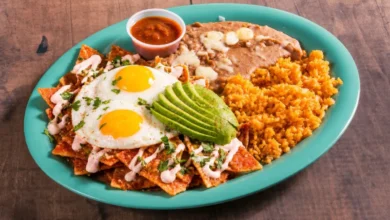
Similarly, the Southern diner remains a vital sociological fixture. These institutions function as "community living rooms," providing a necessary anchor for social cohesion. Unlike the rapid turnover seen in contemporary fast-casual dining, the Southern diner persists by prioritizing regional culinary consistency and personalized service, proving that the demand for "home-style" familiarity remains a potent market force.
Entrepreneurship and the Evolving Labor Market
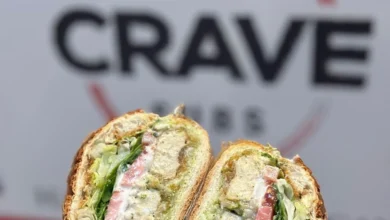
The culinary world is also seeing a shift in the demographics of its leadership. A recent notable case involves a 13-year-old entrepreneur in Tennessee who has successfully launched a sandwich shop. While this is an outlier, it reflects a broader cultural trend toward youth-led business initiatives supported by digital literacy and social media marketing. This young proprietor’s ability to balance academic responsibilities with supply chain management and customer service highlights the increasing accessibility of entry-level food service operations for non-traditional business owners.
Contrasting this youthful energy is the sobering economic reality for high-end fine dining. The pursuit of Michelin-star status, while prestigious, has become increasingly untenable for many operators. Analysts point to the "Michelin tax"—the increased operational costs associated with maintaining the rigorous standards required for recognition. These costs, ranging from higher-grade ingredients and specialized labor to the burden of prime real estate in high-density urban areas, often lead to razor-thin profit margins. Consequently, even world-renowned establishments are finding that critical acclaim does not always correlate with long-term financial viability.
Culinary Innovation and Mobile Dining
Innovation in the industry is also taking a mobile turn, particularly in high-end markets like Jackson, Wyoming. The rise of the "Mile High Chef"—private, mobile, white-glove catering services—represents a pivot away from brick-and-mortar limitations. By leveraging the vacation rental market, these chefs offer premium, bespoke dining experiences in remote locations. This business model is particularly attractive to high-net-worth travelers who prioritize privacy and exclusivity, signaling a potential long-term shift in how luxury culinary services are delivered.
Furthermore, regional staples continue to gain national traction. The Sonoran hot dog, a Tucson-based culinary icon, is frequently cited by food critics as an example of a regional dish that possesses the cross-cultural appeal necessary for nationwide expansion. The hybridization of ingredients—such as the integration of pinto beans, fresh jalapeños, and bacon—showcases how regional identity can effectively transcend geographic borders to capture a broader consumer base.
Technological Disruption and Social Shifts
The industry is currently grappling with the role of technology in the dining room, specifically regarding artificial intelligence and mobile device usage. The recent backlash against a coffee shop that utilized AI to generate menu art underscores a growing tension between operational efficiency and the perceived "authenticity" of the consumer experience. Customers, increasingly wary of the dehumanization of service, are demanding transparency regarding the use of automated systems in creative or customer-facing roles.
Simultaneously, a "phone-free" movement is gaining momentum. Much like the public smoking bans of the early 2000s, some restaurants are now implementing policies that discourage or prohibit the use of mobile devices at the table. Proponents of these bans argue that excessive screen time degrades the communal nature of the dining experience, which is the foundational value proposition of the restaurant industry.
Changing Consumption Habits: The Wellness Wave
Shifts in consumer behavior are also being driven by the preferences of Generation Z, who are demonstrating a marked departure from the drinking habits of previous generations. There is a measurable decline in alcohol consumption among younger adults, who are instead gravitating toward non-alcoholic "mocktails" and CBD or cannabis-infused beverages. This transition is not merely a lifestyle choice but a reflection of a broader emphasis on holistic wellness. Restaurants are responding by redesigning their beverage programs to include sophisticated, non-alcoholic options that maintain the complexity and presentation of traditional cocktails.
Complementing this is the rise of solo dining. Industry data indicates that single-diner reservations are at an all-time high, driven by changing social dynamics and a higher percentage of single-person households. Modern restaurant design is shifting to accommodate this, with architects and operators increasingly incorporating counter seating and "solo-friendly" configurations that prevent single diners from feeling isolated or marginalized.
Industry Perspectives: The Hospitality Calling
Despite the technological and economic pressures, the industry’s veteran leadership remains focused on the human element. Danny Meyer, a titan of the hospitality sector, has characterized a career in the industry as a "calling" rather than a standard profession. His observations highlight the intense emotional labor required to maintain high standards of hospitality. Meyer notes that the complexity of the industry—balancing the needs of the staff, the expectations of the guests, and the realities of the bottom line—requires a level of dedication that cannot be sustained by those seeking an "easy" path.
Analysis: The Path Forward
The restaurant industry stands at a crossroads. The convergence of these trends suggests a future that is simultaneously more automated and more focused on the "human touch." Establishments that survive will likely be those that can successfully integrate technology to streamline back-of-house operations while doubling down on the atmospheric and social elements that technology cannot replicate.
The economic data is clear: the era of "growth at any cost" in the restaurant sector is receding in favor of sustainable, experiential models. Whether through the charm of a historic landmark, the convenience of a mobile private chef, or the inclusive nature of a modernized diner, the common denominator for success remains the ability to foster community. As the industry looks toward 2027 and beyond, the winners will be those who recognize that while the tools of the trade are evolving, the fundamental human desire for connection over a shared meal remains unchanged.
In summary, the current culinary climate is one of recalibration. From the scrutiny of AI usage to the prioritization of health-conscious beverage menus, the industry is demonstrating a remarkable capacity for adaptation. As these trends mature, the definition of a "successful" restaurant will likely move beyond simple revenue metrics to encompass a deeper integration into the cultural and social fabric of the communities they serve.