Easy Two Ingredient Peanut Butter Fudge
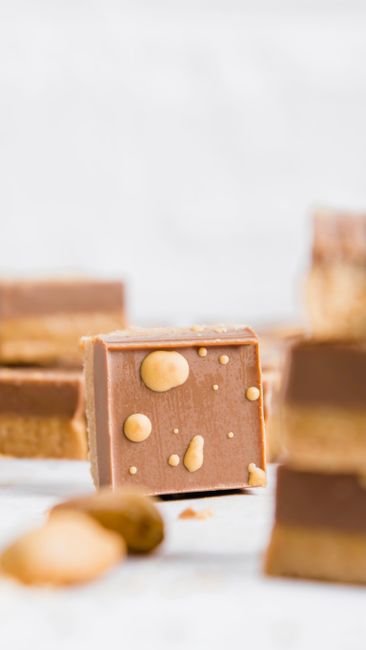
Two Ingredient Peanut Butter Fudge: The Ultimate Easy Recipe
This incredibly simple two-ingredient peanut butter fudge recipe unlocks a world of decadent, melt-in-your-mouth goodness with minimal effort. Perfect for last-minute sweet cravings, holiday treat exchanges, or simply a delightful homemade indulgence, this recipe proves that extraordinary flavor doesn’t require a lengthy ingredient list or complex culinary skills. The magic lies in the harmonious combination of just two pantry staples: creamy peanut butter and sweetened condensed milk. These two ingredients, when brought together and treated with a little heat, transform into a rich, smooth, and intensely peanut-buttery confection that will have everyone asking for seconds. Forget about tempering chocolate, wrestling with sugar syrups, or worrying about achieving the perfect crystalline structure; this fudge is designed for success, even for the most novice of bakers. Its sheer simplicity makes it an ideal candidate for introducing children to the joy of making homemade sweets, fostering a sense of accomplishment and delicious reward. The adaptability of this base recipe also means that while it stands proudly as a two-ingredient marvel, it can easily be elevated with optional add-ins, opening up a spectrum of flavor possibilities for those who wish to experiment further. However, the true beauty of this recipe is its unadulterated perfection in its most basic form, proving that sometimes, less truly is more when it comes to satisfying your sweet tooth. The ease of preparation not only minimizes kitchen time but also significantly reduces the grocery bill, making this an economically friendly option for enjoying a luxurious dessert.
The foundational elements of this two-ingredient peanut butter fudge are fundamental to its success and remarkably accessible. The first, and arguably most crucial, ingredient is peanut butter. The type of peanut butter used will significantly influence the final texture and flavor profile of the fudge. For the smoothest, creamiest fudge, a commercially produced, processed peanut butter is recommended. Brands that are specifically labeled "creamy" or "smooth" tend to yield the best results. These types of peanut butter typically contain added emulsifiers and oils that prevent separation and contribute to a more homogenous mixture when heated. While natural peanut butters, which often consist solely of peanuts and salt, can be used, they require more careful handling. The oil separation in natural peanut butter can lead to a greasier fudge or a crumbly texture if not thoroughly stirred before and during the cooking process. Therefore, for a foolproof, consistently excellent outcome, opting for conventional creamy peanut butter is the path of least resistance. The fat content in standard peanut butter also plays a vital role in the fudge’s rich mouthfeel. The second indispensable ingredient is sweetened condensed milk. This is not to be confused with evaporated milk. Sweetened condensed milk is a thick, syrupy liquid created by simmering regular milk to remove most of its water content and then adding a substantial amount of sugar. The high sugar content is essential for the fudge’s setting properties and its characteristic sweetness. The sugar acts as a stabilizer, preventing crystallization and contributing to the smooth, chewy texture that defines good fudge. When combined with the peanut butter and subjected to heat, the sugar in the condensed milk caramelizes slightly, deepening the flavor and enhancing the overall richness. The ratio of peanut butter to sweetened condensed milk is also critical. A common and highly effective ratio is two parts peanut butter to one part sweetened condensed milk. This balance ensures that the peanut flavor is prominent while the condensed milk provides the necessary moisture and sweetness to create a firm yet yielding fudge. While variations exist, this 2:1 ratio is a proven starting point for achieving that classic peanut butter fudge taste and texture.
The preparation process for this two-ingredient peanut butter fudge is refreshingly straightforward, requiring minimal equipment and a short active cooking time. The primary method involves gently heating the peanut butter and sweetened condensed milk together until they are fully combined and slightly thickened. A medium saucepan is ideal for this purpose, providing ample surface area for even heating. Begin by adding the sweetened condensed milk to the saucepan. Then, incorporate the peanut butter. It is often beneficial to slightly soften the peanut butter at room temperature for a few minutes before adding it, as this will make it easier to stir and combine with the condensed milk. Once both ingredients are in the saucepan, place it over low to medium-low heat. The key here is gentle heat; excessive heat can scorch the mixture or cause it to boil too vigorously, leading to an undesirable texture. Stir the mixture continuously with a heat-resistant spatula or wooden spoon. The goal is to melt the peanut butter completely and thoroughly incorporate it into the sweetened condensed milk, creating a smooth, homogenous base. This stirring motion also helps to prevent sticking and scorching on the bottom of the pan. As the mixture heats, it will gradually become more liquid and glossy. Continue to stir and heat for approximately 5 to 10 minutes, or until the mixture has thickened slightly. You are looking for a consistency that coats the back of the spoon. It should not be overly runny, but it also won’t be as thick as the final fudge consistency at this stage. The heating process serves a dual purpose: it facilitates the thorough blending of the two ingredients and allows the sugars in the condensed milk to begin their work in contributing to the fudge’s structure. Once the mixture has reached the desired thickened consistency, remove the saucepan from the heat. This is the opportune moment to introduce any optional flavor enhancements or textural additions, should you choose to deviate from the pure two-ingredient recipe. However, for the purists, the process is nearly complete. The hot, thickened mixture is then carefully poured into a prepared baking dish. An 8×8 inch square baking dish is typically used, as it yields fudge pieces of a desirable thickness. It is crucial to prepare the dish beforehand to ensure easy removal of the set fudge. Lining the dish with parchment paper or aluminum foil, with an overhang on the sides, is the most effective method. This creates handles that allow you to lift the entire block of fudge out of the dish once it has set, making it easy to cut into portions. Ensure the parchment paper or foil is smoothed out to minimize air bubbles. Pour the hot peanut butter mixture into the prepared dish and gently spread it evenly with your spatula. Work relatively quickly, as the fudge will begin to set as it cools.
The setting and chilling process is as critical to achieving the perfect peanut butter fudge texture as the cooking stage. Once the hot peanut butter mixture has been spread evenly into the prepared baking dish, it needs time to cool and firm up. This typically involves an initial cooling period at room temperature, followed by a more thorough chilling in the refrigerator. Allow the fudge to sit at room temperature for at least 30 minutes to an hour. During this time, you will notice it beginning to solidify and lose its initial glossiness. After the initial room temperature cooling, it is essential to transfer the dish to the refrigerator. Refrigeration accelerates the setting process and ensures that the fudge develops a firm, sliceable consistency. For optimal results, allow the fudge to chill for a minimum of 2 to 3 hours. However, overnight chilling is often recommended for the firmest and most easily cut results. The cold temperature solidifies the fats in the peanut butter and allows the sugars from the condensed milk to create a stable matrix, transforming the liquid mixture into a dense, chewy confection. Once the fudge is thoroughly chilled and firm to the touch, it is ready to be cut. Carefully lift the entire block of fudge out of the baking dish using the parchment paper or foil overhang. Place it on a clean cutting board. Using a sharp knife, cut the fudge into your desired portion sizes. Small, bite-sized squares are a popular choice, as this rich fudge is quite decadent. For cleaner cuts, it is advisable to warm the knife slightly by dipping it in hot water and drying it between cuts. This prevents the fudge from sticking to the blade and ensures neat edges. The storage of your two-ingredient peanut butter fudge is also quite simple. Due to its composition, it can be stored at room temperature in an airtight container for several days, typically up to a week. However, for longer storage or if you prefer a firmer texture, keeping it in the refrigerator is a good option. In the refrigerator, it can maintain its quality for up to two weeks. Freezing is also a viable option for long-term storage, though the texture may slightly alter upon thawing. If freezing, wrap individual pieces of fudge tightly in plastic wrap and then place them in a freezer-safe bag or container. Thaw frozen fudge in the refrigerator. The beauty of this recipe lies not only in its ease of making but also in its straightforward storage and longevity, making it a perfect treat to have on hand.
While the pure two-ingredient peanut butter fudge is a masterpiece of simplicity, its inherent adaptability allows for a wealth of delicious variations and enhancements. These optional additions can transform the basic recipe into a custom confection tailored to individual preferences. One of the most popular and straightforward additions is chocolate. Melted chocolate, whether milk, dark, or white, can be swirled into the hot fudge mixture just before pouring it into the dish, or it can be drizzled over the top once the fudge has set. Alternatively, chocolate chips can be folded directly into the hot mixture, creating pockets of melted chocolate throughout the fudge. For a richer, more complex chocolate flavor, consider adding a tablespoon or two of unsweetened cocoa powder to the peanut butter and condensed milk mixture during the heating stage. This will deepen the chocolate undertones and create a more intense chocolate-peanut butter combination. Another delightful enhancement is the inclusion of nuts. Chopped peanuts are a natural pairing, adding an extra layer of crunch and reinforcing the peanut flavor. Walnuts, pecans, or even almonds can be incorporated for a different nutty profile and textural contrast. Simply fold them into the hot mixture before spreading it into the baking dish. For a touch of warmth and spice, a pinch of cinnamon or a dash of nutmeg can be added to the fudge mixture. These subtle spices complement the sweetness of the peanut butter and condensed milk, adding a layer of sophistication to the flavor. Vanilla extract is another common and highly recommended addition, even in such a simple recipe. A teaspoon of good quality vanilla extract, added in the final stages of heating, can enhance the overall flavor complexity and round out the sweetness. For those who enjoy a salty-sweet contrast, a sprinkle of flaky sea salt over the top of the fudge just before it sets is a game-changer. The salt crystals provide a delightful pop of flavor that beautifully balances the sweetness of the fudge. Other creative additions can include mini marshmallows, which will create a gooey, marshmallow-infused fudge, or even a tablespoon of instant coffee granules for a mocha-inspired treat. The possibilities are truly endless, and each variation offers a unique take on this classic confection. When incorporating add-ins, it is important to be mindful of the quantity. Overloading the fudge with too many solid ingredients can affect its ability to set properly. It is also advisable to experiment with one or two additions at a time to appreciate the subtle changes in texture and flavor. The beauty of this recipe lies in its forgiving nature, but understanding the basic principles of fudge-making will help you achieve consistently delightful results, regardless of your chosen customizations.
The scientific principles behind this seemingly simple two-ingredient peanut butter fudge are rooted in the interplay of fats, sugars, and moisture. Peanut butter, predominantly composed of fats and proteins from peanuts, acts as the primary flavor and texture component. The fats contribute to the richness and melt-in-your-mouth quality. Sweetened condensed milk, on the other hand, is a complex mixture. The primary sugar (sucrose) in sweetened condensed milk plays a crucial role in fudge formation. When heated, sugars undergo various transformations. In this recipe, the sugar, along with the reduced water content of the condensed milk, helps to create a supersaturated sugar solution. As this solution cools, the sugar molecules are unable to readily form large crystals. Instead, they become trapped within the solid matrix of the peanut butter fats and other components, resulting in a smooth, non-crystalline texture. This is in contrast to crystalline candies like hard candy, where controlled crystallization is desired. The fats in the peanut butter act as a binder, emulsifying the condensed milk and creating a stable, semi-solid structure upon cooling. The heat applied during the cooking process serves several purposes. It ensures that the peanut butter is fully melted and homogenized with the condensed milk, creating a uniform mixture. It also aids in the dissolution of the sugars and helps to evaporate a small amount of additional water, further concentrating the sugar solution. The protein content in both the peanut butter and the milk solids from the condensed milk also contributes to the structure and texture of the fudge. These proteins can form a network that traps fat and sugar molecules. The setting process in the refrigerator is essentially a controlled solidification. As the temperature drops, the fats in the peanut butter become more rigid, and the sugar solution becomes more viscous, ultimately leading to the firm, sliceable texture of the fudge. Understanding these basic food science principles can help demystify the process and even inspire further experimentation with different types of nut butters or sugar sources, though the two-ingredient recipe’s charm lies in its inherent simplicity and predictable outcome. The careful balance of fat, sugar, and minimal water is the hallmark of a successful fudge, and this recipe masterfully achieves that balance with just two readily available ingredients.