
Bacon Cheddar Potato Skins

The Ultimate Guide to Bacon Cheddar Potato Skins: Perfecting a Crowd-Pleasing Appetizer
Bacon cheddar potato skins are a perennial favorite, a harmonious marriage of crispy potato, savory bacon, and gooey cheese, offering a satisfying crunch and a burst of flavor with every bite. This article delves into the intricacies of crafting superior potato skins, from selecting the ideal potato to achieving the perfect crispness and balancing the classic bacon-cheddar combination with creative variations. We will explore the foundational techniques that elevate this seemingly simple appetizer into a culinary triumph, providing actionable advice for both home cooks and aspiring chefs seeking to master this beloved dish. Understanding the science behind crisping potato skins, the role of different cheese types, and the art of bacon selection are crucial elements that will be dissected to empower readers with the knowledge to produce consistently delicious results. Furthermore, we will address common pitfalls and offer solutions, ensuring a comprehensive resource for anyone looking to perfect their bacon cheddar potato skin game.
The foundation of any great potato skin lies in the potato itself. The ideal potato for skins possesses a starchy interior that crisps beautifully when baked and a relatively thick skin that holds its shape. Russet potatoes, also known as Idaho potatoes, are the undisputed champions in this regard. Their high starch content allows them to become fluffy and tender inside while their robust skins develop a desirable crispness. Sweet potatoes can also be utilized, offering a different flavor profile and a slightly softer texture, but for the quintessential bacon cheddar potato skin experience, Russets are the top choice. When selecting Russets, look for firm, unblemished potatoes of medium to large size. Avoid any with soft spots or green patches, as these can indicate spoilage or an unpleasant flavor. The size of the potato influences the portion size of each skin, so choose based on your intended serving. Larger potatoes will yield more substantial skins, perfect for a hearty appetizer, while smaller ones can be ideal for a lighter bite or as part of a larger spread. Thoroughly washing the potatoes is paramount. Scrub them under cold running water to remove any soil or debris, as this grime can negatively impact the final texture and flavor.
Preparing the potatoes for baking is a critical step that dictates the subsequent crisping process. After washing, the potatoes need to be par-baked or pre-cooked. This initial cooking phase ensures the potato flesh is tender enough to scoop out easily and also begins the dehydration process, which is essential for achieving a crispy skin. A common method is to bake whole potatoes at a moderate temperature, around 400°F (200°C), for 45-60 minutes, depending on their size. The potatoes should be tender when pierced with a fork, but not mushy. Over-baking at this stage can lead to a dry, crumbly interior later on. Once par-baked, allow the potatoes to cool sufficiently to handle. This cooling period is crucial; hot potatoes are more prone to steaming, which hinders crisping. Once cooled, slice each potato in half lengthwise. For optimal skin surface area and structural integrity, resist the urge to make the cuts too thin. A substantial half will provide ample space for toppings and a good amount of potato flesh to remain attached to the skin.
The scooping of the potato flesh is a delicate art. The goal is to remove most of the starchy interior, leaving a sturdy shell of potato attached to the skin. A spoon is the preferred tool for this task. Gently scoop out the cooked potato flesh, leaving approximately ¼ to ½ inch of the potato attached to the skin. Be mindful not to be too aggressive, as this can tear the skin or create holes, compromising the structural integrity of the skin for holding toppings. The scooped-out potato flesh is not to be discarded; it forms the basis of the next critical step: reintroducing flavor and preparing for ultimate crispness. This scooped-out flesh can be seasoned and even mashed with a little butter, salt, and pepper to create a more flavorful filling before being returned to the skins. Alternatively, some recipes advocate for returning a portion of the scooped-out flesh, mixed with other ingredients, back into the skin for a richer, more substantial filling. This technique allows for greater control over the final texture and flavor profile of the potato interior.
The secret to truly crispy potato skins lies in a two-pronged approach: oil and heat. Once the skins have been scooped, they need to be coated with a fat and then subjected to a high-heat baking environment. Olive oil or melted butter are common choices for coating the skins. Rubbing the oil or butter generously over the interior and exterior surfaces of the potato skins ensures even browning and crisping. Don’t be shy with the fat; it’s essential for achieving that desirable crunch. A sprinkle of salt and pepper on the oiled surfaces further enhances the flavor. For maximum crispness, it’s often recommended to bake the oiled skins cut-side down on a wire rack set inside a baking sheet. This allows for better air circulation around the skins, promoting uniform crisping. The second baking stage should be at a higher temperature, typically 400-425°F (200-220°C), for an additional 15-25 minutes, or until the skins are golden brown and crispy to your liking. The wire rack is a game-changer, preventing the skins from steaming on the bottom and ensuring all sides achieve that satisfying crunch. Flipping the skins halfway through this second baking period can also promote more even crisping.
Bacon is, arguably, the star of the bacon cheddar potato skin show. The quality and preparation of the bacon significantly impact the final flavor. Opt for thick-cut bacon for the best texture and flavor. Cheaper, thin-cut bacon can become overly crispy and brittle, losing its satisfying chew. Cooking the bacon to a perfect crisp is crucial. Undercooked bacon will result in a greasy, unappetizing topping, while overcooked bacon will be burnt and bitter. The ideal crispness allows the bacon to crumble easily and retain a slight chew. Baking bacon on a wire rack in the oven is an excellent method for achieving uniform crispness and easy cleanup. Cook it at around 400°F (200°C) for 15-20 minutes, or until it reaches your desired level of crispness. Once cooked, drain the bacon on paper towels to remove excess grease. Then, crumble or chop it into bite-sized pieces, ready to adorn your potato skins. The rendered bacon fat, if desired, can be reserved and used to brush the potato skins for an extra layer of smoky flavor.
Cheddar cheese is the classic partner to bacon and potato. However, the type of cheddar and its application can be optimized for superior results. Sharp cheddar cheese offers a more pronounced flavor that complements the richness of the bacon and potato. Medium or mild cheddar can also be used, but they may not provide as bold a taste. For optimal meltability and stretch, shredding your own cheese from a block is highly recommended. Pre-shredded cheeses often contain anti-caking agents that can hinder their melting properties, resulting in a less gooey and appealing finish. Grate the cheese finely for quicker melting and better distribution. Another excellent cheese pairing to consider is Monterey Jack. Its mild, buttery flavor and exceptional melting capabilities make it a fantastic complement to cheddar, creating a more complex and creamy cheesy layer. A blend of cheddar and Monterey Jack is often a winning combination.
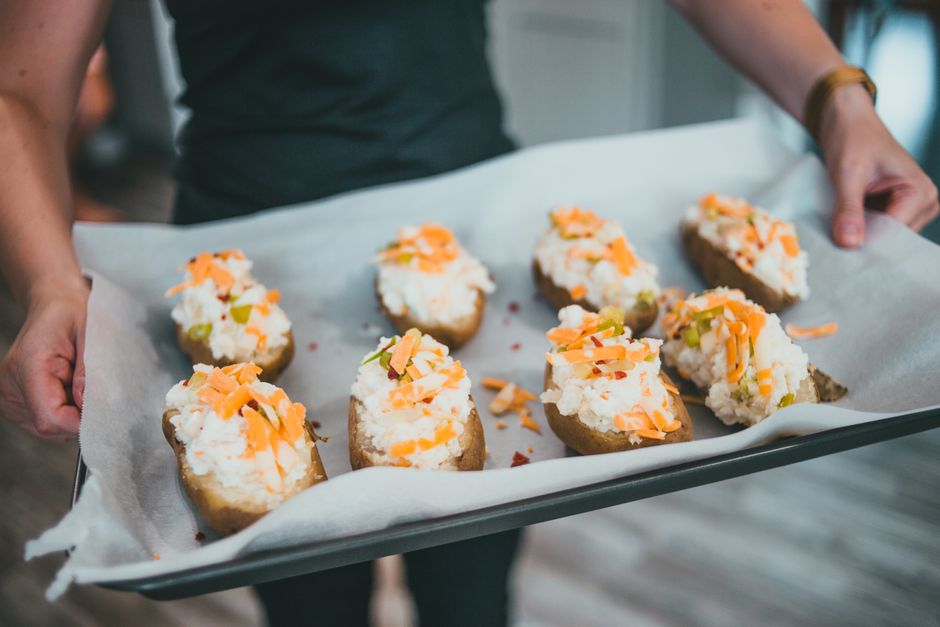
The assembly of the bacon cheddar potato skins is where all the elements come together. Once the potato skins have achieved their desired crispness, remove them from the oven. Generously fill each skin with the seasoned, scooped-out potato flesh. Some recipes suggest returning a portion of this flesh mixed with other ingredients, creating a more substantial filling. Next, layer the crumbled bacon evenly over the potato filling. Finally, top the bacon with a generous amount of shredded cheddar cheese (or your chosen cheese blend). The skins are then returned to the oven, typically at a slightly lower temperature of around 375°F (190°C), for a brief period, usually 5-10 minutes, just long enough for the cheese to melt into a gooey, irresistible blanket. Over-baking at this stage can lead to the cheese becoming oily or burnt, so vigilance is key.
While the classic bacon cheddar combination is iconic, numerous variations can elevate potato skins to new culinary heights. Consider adding finely diced green onions or chives for a fresh, oniony bite that cuts through the richness. A dollop of sour cream or a drizzle of ranch dressing offers a cooling counterpoint. For a spicier kick, incorporate pickled jalapeños or a dash of hot sauce. Another popular variation involves incorporating pulled pork or shredded chicken into the filling for a more substantial, protein-packed appetizer. Smoked gouda can offer a deeper, smokier cheese flavor that pairs exceptionally well with bacon. Caramelized onions provide a sweet, savory depth that complements the saltiness of the bacon. The possibilities are nearly endless, encouraging creativity and personalization. Experiment with different herbs and spices in the potato filling, such as garlic powder, onion powder, paprika, or even a pinch of cayenne pepper for a subtle heat.
Troubleshooting common issues ensures consistently excellent results. If your potato skins are not crispy enough, it often points to insufficient oil, inadequate par-baking, or a baking temperature that was too low. Ensure you are using a high enough oven temperature during the second baking phase and that the skins have ample air circulation by using a wire rack. Soggy skins can also result from over-filling with moist ingredients or not draining excess grease from the bacon. If your cheese isn’t melting properly, it’s likely due to using pre-shredded cheese with anti-caking agents. Shredding your own cheese from a block is the most effective solution. If the potato flesh is dry, it can be from over-baking during the initial par-baking stage. Monitor the potatoes closely during the first bake, aiming for tender but not mushy. Over-salting can be corrected by serving with a cooling, unsalted condiment like plain Greek yogurt or sour cream.
The serving suggestions for bacon cheddar potato skins are as versatile as their variations. They are a quintessential appetizer for game days, parties, and casual gatherings. They can also serve as a hearty snack or even a light meal when paired with a salad. For a more refined presentation, garnish the finished skins with fresh parsley or a sprig of dill. A small ramekin of extra sour cream or a side of salsa can also enhance the dining experience. The key is to serve them hot, immediately after the cheese has melted, to enjoy the full textural contrast and flavor meld. The visual appeal of golden-brown, crispy skins piled high with bacon and bubbling cheese is undeniable and contributes to their widespread popularity. Mastering this seemingly simple dish offers immense satisfaction, providing a reliable and crowd-pleasing option for any occasion.
In conclusion, the creation of superior bacon cheddar potato skins is a process that involves careful selection of ingredients, precise cooking techniques, and a willingness to experiment with flavor profiles. From the humble Russet potato to the smoky allure of perfectly cooked bacon and the gooey embrace of melted cheddar, each element plays a vital role. By understanding the principles of crisping, the nuances of cheese selection, and the art of balancing flavors, any home cook can elevate this classic appetizer into a culinary masterpiece. The versatility of potato skins allows for endless customization, making them a canvas for creative expression and a testament to the enduring appeal of comforting, delicious food. This comprehensive guide has provided the foundational knowledge and practical tips necessary to achieve consistently exceptional bacon cheddar potato skins, ensuring they remain a beloved staple in your culinary repertoire.


