
Baked Orange Roughy Italian Style

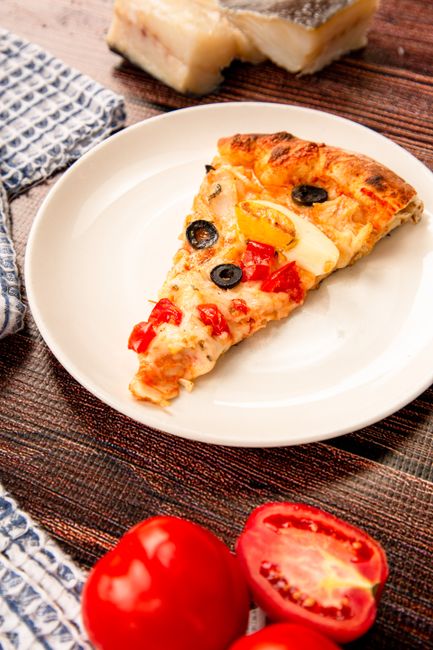
Baked Orange Roughy Italian Style: A Culinary Exploration
The delicate, flaky white flesh of orange roughy, when prepared in an Italian style, offers a sophisticated yet approachable seafood dish. This method emphasizes fresh ingredients, complementary flavors, and a straightforward cooking process, making it ideal for weeknight dinners or elegant entertaining. Understanding the nuances of Italian-inspired fish cookery is key to unlocking the full potential of this mild, oceanic ingredient.
Orange roughy, scientifically known as Hoplostethus atlanticus, is a deep-sea fish prized for its mild, slightly sweet flavor and exceptionally tender, white flesh that flakes easily. Its texture is often compared to cod or haddock, but with a more luxurious mouthfeel. When baked, it retains its moisture beautifully, especially when enrobed in flavorful dressings or surrounded by complementary aromatics. The Italian approach to seafood often involves a harmonious balance of acidity, herbs, garlic, and healthy fats, creating a dish that is both light and satisfying. This recipe leverages these principles to create a baked orange roughy that is both visually appealing and bursting with flavor.
The core of this Italian-style preparation lies in the flavor profile. Think of the classic Italian trifecta: garlic, olive oil, and fresh herbs. To this, we introduce elements that enhance the natural sweetness of the orange roughy without overpowering it. Lemon zest and juice provide brightness, cutting through the richness of the olive oil and awakening the palate. A touch of dry white wine adds complexity and steam, further aiding in the gentle cooking of the fish. Parsley and oregano are quintessential Italian herbs that offer herbaceous notes, while a hint of red pepper flakes can introduce a subtle warmth, a common characteristic in many Southern Italian dishes.
Selecting high-quality orange roughy is paramount. Look for fillets that are firm to the touch, with a translucent, pearly sheen. Avoid any fish that has a strong, unpleasant odor, as this indicates staleness. While fresh is always best, high-quality frozen orange roughy can also be an excellent option. Ensure it is thawed properly in the refrigerator to maintain its texture and moisture. The fillets should be relatively uniform in thickness to ensure even cooking. If you are working with thicker pieces, consider slightly adjusting the baking time.
The preparation of the aromatics is crucial for infusing the fish with flavor. Finely mincing fresh garlic is essential. The amount of garlic can be adjusted to personal preference, but a generous amount typically complements the fish well without becoming overpowering. Similarly, fresh parsley should be finely chopped, releasing its vibrant green color and herbaceous aroma. Dried oregano can be used as a substitute for fresh, but fresh herbs generally provide a more nuanced and brighter flavor. The zest of a fresh lemon adds an intense citrus aroma and flavor without the tartness of the juice, which is added separately.
Olive oil is the backbone of Italian cooking, and extra virgin olive oil is the preferred choice for its robust flavor and health benefits. It not only coats the fish and prevents it from drying out but also carries the flavors of the herbs and garlic. The type of olive oil can subtly influence the final taste, so choose one you enjoy.
For the baking process, a moderate oven temperature is ideal. Baking at 375°F (190°C) allows the fish to cook through gently without becoming dry or tough. Overcooking is the enemy of delicate fish like orange roughy. The goal is to achieve flaky, moist fillets. Baking time will vary depending on the thickness of the fillets, but generally, 10-15 minutes is sufficient. It’s always better to err on the side of undercooking slightly, as the residual heat will continue to cook the fish after it’s removed from the oven.
The vessel for baking also plays a role. A baking dish, cast-iron skillet, or even individual ramekins can be used. A baking dish is practical for larger quantities, while a skillet can provide a nice sear on the bottom if desired, though for this baked preparation, that’s less of a focus. For an elegant presentation, individual ramekins are a wonderful choice.
Incorporating vegetables can elevate the dish further, transforming it into a more complete meal. Cherry tomatoes, when roasted alongside the fish, burst and release their sweet juices, adding a delightful acidity and color. Thinly sliced bell peppers (red, yellow, or orange for visual appeal) can provide a subtle sweetness and a tender bite. Olives, particularly Kalamata or Castelvetrano, add a briny depth and a touch of Mediterranean flair. The combination of tomatoes, olives, and herbs is a classic Italian flavor pairing that works exceptionally well with white fish.
Let’s delve into the practicalities of preparing Baked Orange Roughy Italian Style. The process begins with preheating the oven and preparing the baking dish. Lightly greasing the dish with olive oil prevents sticking. The orange roughy fillets are then placed in the dish, ensuring they are not overcrowded, which can lead to steaming rather than baking.
The flavor base is then meticulously applied. A generous drizzle of olive oil coats the fillets. Minced garlic is scattered evenly over the fish. Freshly chopped parsley follows, along with dried oregano and a pinch of red pepper flakes, if desired. Lemon zest is then grated directly over the fish, ensuring an even distribution of its aromatic oils. A sprinkle of salt and freshly ground black pepper enhances all the flavors.
If incorporating vegetables, they are typically arranged around or on top of the fish. Cherry tomatoes are often halved or left whole. Sliced bell peppers are spread out. Olives are tossed in with the vegetables.
A splash of dry white wine is poured around the fish, not directly on top, to create steam and add moisture during the baking process. The acidity of the wine also contributes to the overall flavor profile.
The dish is then carefully placed in the preheated oven. The cooking time is critical. It’s advisable to check the fish for doneness after 10 minutes. The fillets should be opaque and flake easily with a fork. If they are still somewhat translucent in the thickest part, continue baking for a few more minutes, checking frequently.
Once cooked, the Baked Orange Roughy Italian Style is typically finished with a final flourish of fresh parsley and a squeeze of fresh lemon juice just before serving. This final burst of freshness brightens the dish and ties all the flavors together.
Serving suggestions are integral to the overall experience of this dish. It pairs beautifully with a variety of simple yet satisfying accompaniments that are characteristic of Italian cuisine. A classic choice is a side of crusty Italian bread, perfect for sopping up any leftover juices from the baking dish. Steamed or roasted asparagus, with a drizzle of olive oil and a squeeze of lemon, offers a crisp, green counterpoint. A simple orzo or couscous salad, perhaps with sun-dried tomatoes and fresh basil, can add a carbohydrate component without being too heavy. A light, refreshing green salad with a simple vinaigrette is also an excellent option, providing a palate-cleansing contrast.
For a more substantial meal, consider serving it with a side of lemon-herb roasted potatoes or a simple risotto. The mildness of the orange roughy allows it to harmonize with a wide range of flavors, making it a versatile centerpiece for an Italian-inspired meal.
The nutritional profile of Baked Orange Roughy Italian Style is also noteworthy. Orange roughy is a lean source of protein, providing essential amino acids for muscle building and repair. It is also a good source of omega-3 fatty acids, which are beneficial for heart health and reducing inflammation. The use of olive oil contributes healthy monounsaturated fats. The vegetables incorporated, such as tomatoes and bell peppers, add vitamins, minerals, and dietary fiber. The overall dish is relatively low in calories and carbohydrates, making it a healthy and satisfying choice.
Variations and embellishments can further customize this dish. For a richer flavor, a tablespoon or two of capers can be added to the vegetable mixture for their distinctive salty-sour taste. A few thin slices of garlic can be placed under the skin of the orange roughy before baking for a more subtle garlic infusion. For a touch of elegance, a sprinkle of toasted pine nuts or slivered almonds can add a delightful crunch and nutty flavor. Some may also enjoy a sprinkle of grated Parmesan cheese over the fish before baking, though this deviates slightly from a purely coastal Italian style, it is a popular addition in many Italian-American kitchens.
The key to successfully executing Baked Orange Roughy Italian Style lies in the quality of the ingredients and the precision of the cooking time. Overcooking will result in dry, unappetizing fish. Under-cooking will leave it raw. Therefore, vigilance during the baking process is essential. The visual cues are important: the fish should be opaque, and the flesh should easily pull apart with a fork.
In conclusion, Baked Orange Roughy Italian Style is a testament to the elegance and simplicity of Italian-inspired seafood cookery. It highlights the delicate flavor and tender texture of orange roughy, enhanced by the bright, herbaceous, and subtly acidic notes of classic Italian ingredients. With its straightforward preparation and adaptability, this dish offers a delightful culinary experience that is both healthy and sophisticated, suitable for any occasion. Mastering this recipe provides a valuable addition to any home cook’s repertoire, showcasing the beauty of fresh ingredients prepared with thoughtful technique. The interplay of lemon, garlic, olive oil, and fresh herbs creates a harmonious flavor profile that complements the mildness of the fish, resulting in a dish that is both comforting and refined, embodying the spirit of Italian cuisine.


