
Chef Johns Carrot Cake

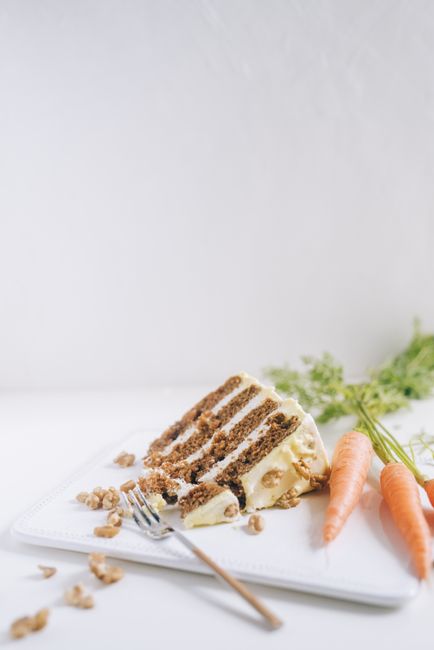
Chef John’s Carrot Cake: A Deep Dive into the Ultimate Recipe and Baking Secrets
Chef John’s carrot cake is more than just a dessert; it’s a culinary institution, a benchmark against which all other carrot cakes are measured. Renowned for its incredibly moist crumb, perfectly balanced spice profile, and lusciously tangy cream cheese frosting, this recipe consistently garners rave reviews and has become a go-to for home bakers seeking a truly exceptional carrot cake. This comprehensive guide delves into the intricacies of Chef John’s beloved recipe, dissecting the key ingredients, mastering the techniques, and offering insights into achieving that signature Chef John perfection. We will explore why this recipe stands out, the science behind its success, and how to troubleshoot common baking pitfalls to ensure your carrot cake is nothing short of spectacular. From the optimal moisture content to the ideal spice blend, we will leave no stone unturned in our quest to unlock the secrets of Chef John’s carrot cake.
The foundation of Chef John’s carrot cake’s success lies in its meticulous ingredient selection and proportioning, designed to deliver unparalleled moisture and flavor. Unlike many recipes that rely solely on shredded carrots for moisture, Chef John ingeniously incorporates additional liquid elements that contribute to an exceptionally tender and moist crumb. The use of finely grated carrots is paramount. Coarsely grated carrots can release too much water during baking, leading to a gummy texture, and their larger pieces can disrupt the cake’s delicate crumb. Chef John typically advocates for using the fine side of a box grater, ensuring the carrots are distributed evenly throughout the batter and contribute their sweetness and moisture seamlessly. This fine grating also allows the carrot’s flavor to meld beautifully with the other spices, creating a harmonious taste experience.
Beyond the carrots, the fat component plays a crucial role. Chef John’s recipe often calls for a combination of vegetable oil and butter. Vegetable oil, being a liquid fat at room temperature, contributes significantly to moisture and tenderness. It coats the flour proteins, inhibiting gluten development and resulting in a softer cake. The inclusion of butter, however, adds a depth of flavor and richness that oil alone cannot provide. The creaming of butter and sugar, a classic baking technique, introduces air into the batter, contributing to the cake’s lightness and rise. The precise ratio of oil to butter is critical, striking a balance between extreme moisture and desirable flavor complexity. Some variations of Chef John’s recipe might lean more heavily on oil, while others incorporate a slightly higher proportion of butter for a richer taste. Understanding this interplay is key to replicating the intended texture.
The leavening agents are equally important for achieving the perfect lift and texture. Chef John’s carrot cake typically utilizes both baking soda and baking powder. Baking soda, an alkali, reacts with acidic ingredients in the batter, such as brown sugar or buttermilk (if used), to produce carbon dioxide gas, which causes the cake to rise. Baking powder, a double-acting leavener, contains both an acid and a base and releases carbon dioxide in two stages: once when it gets wet and again when it is heated in the oven. This dual action ensures a consistent and sustained rise throughout the baking process, preventing the cake from collapsing. The correct measurement of these leaveners is vital; too much can lead to a bitter taste and an overly risen cake that might crack excessively, while too little will result in a dense, heavy cake.
The spice blend in Chef John’s carrot cake is what truly elevates it from ordinary to extraordinary. It’s a carefully curated symphony of warm, comforting flavors that complement the sweetness of the carrots and the richness of the frosting. Common spices include cinnamon, nutmeg, ginger, and cloves. Cinnamon provides a sweet, woody warmth. Nutmeg adds a subtly sweet, nutty aroma and flavor. Ginger contributes a slight peppery kick and a warming sensation, while cloves offer a potent, pungent, and slightly bitter note that adds complexity. The precise proportions of these spices are a chef’s secret weapon. Chef John often emphasizes tasting and adjusting the spice blend to personal preference, but the core combination remains a testament to achieving a balanced and aromatic cake. The quality of your spices also matters; freshly ground spices will offer a far more vibrant flavor than pre-ground varieties.
The method of combining ingredients is as crucial as the ingredients themselves. Chef John’s recipes often advocate for the "reverse creaming" method or a variation thereof. In traditional creaming, butter and sugar are beaten until light and fluffy, then eggs are added, followed by dry and wet ingredients alternately. In reverse creaming, the dry ingredients, including flour and leaveners, are first mixed with the fat. This coats the flour particles with fat, which inhibits gluten development from the start, leading to an exceptionally tender cake. The wet ingredients, including eggs, oil, and any liquid, are then added. This method, while seemingly unconventional to some home bakers, is a key contributor to Chef John’s signature moist and tender crumb. The gentle incorporation of ingredients, avoiding overmixing at any stage, is paramount to preventing a tough cake. Overmixing develops gluten, resulting in a chewy, undesirable texture.
The cream cheese frosting is an indispensable component of Chef John’s carrot cake, providing a tangy, creamy counterpoint to the sweet, spiced cake. The hallmark of his frosting is its perfect balance of sweetness and tang, achieved through high-quality cream cheese, softened butter, powdered sugar, and a touch of vanilla extract. The key to a smooth, lump-free frosting is to ensure the cream cheese and butter are at the correct temperature – softened but not melted. Overly soft or melted ingredients will result in a greasy or runny frosting. Sifting the powdered sugar is also a crucial step to eliminate any lumps and ensure a silky-smooth consistency. The amount of powdered sugar can be adjusted to achieve the desired sweetness and consistency. Some bakers prefer a stiffer frosting for piping, while others enjoy a slightly softer, more spreadable version. A small amount of heavy cream or milk can be added to achieve the desired consistency, but it’s important to add it gradually to avoid making the frosting too thin. The tangy bite of the cream cheese is essential, cutting through the sweetness of the cake and preventing it from being cloying.
When it comes to baking the cake itself, temperature and timing are critical. Chef John’s recipes typically recommend a moderate oven temperature, usually around 325°F to 350°F (160°C to 175°C). This lower temperature allows the cake to bake through evenly without the edges overbrowning or the center becoming undercooked. Baking time will vary depending on the size and depth of your cake pans, but typically ranges from 30 to 45 minutes for round pans. The toothpick test is the ultimate indicator of doneness: a toothpick inserted into the center of the cake should come out clean, with no wet batter clinging to it. It’s important to avoid overbaking, which can lead to a dry cake. The cake should also be allowed to cool in the pan for a period before being inverted onto a wire rack to cool completely. This initial cooling in the pan helps the cake set and prevents it from breaking when you attempt to remove it.
Troubleshooting common carrot cake issues is an essential part of mastering any recipe. If your cake is dry, the culprits are often overbaking, incorrect ingredient measurements (too much flour, not enough fat or liquid), or an oven temperature that is too high. Conversely, a gummy cake can result from underbaking, too much liquid, not enough leavening, or overmixing the batter, which develops too much gluten. A sunken cake is often due to opening the oven door too early during baking, insufficient leavening, or overmixing, which can cause the cake to rise too quickly and then fall. Cracking on the top of the cake can be a sign of the oven temperature being too high, too much leavening, or the batter being too thick. Chef John’s approach often emphasizes simplicity and clarity in his instructions, which inherently helps to mitigate many of these common problems by guiding bakers toward the correct techniques.
The aesthetic appeal of Chef John’s carrot cake is often enhanced by the optional addition of chopped nuts and sometimes raisins. Walnuts and pecans are popular choices, adding a delightful crunch and nutty flavor that complements the spices. If adding nuts, they are typically folded into the batter at the end of the mixing process, along with the carrots. Raisins, if used, contribute bursts of sweetness and chewiness. Some bakers prefer to soak their raisins in warm water or juice beforehand to plump them up and prevent them from absorbing moisture from the cake batter. Chef John’s recipes often keep these additions optional, allowing bakers to customize the cake to their preferences.
The refrigeration of cream cheese frosting is a critical step for achieving optimal texture and spreadability. After the frosting has been made, it should be chilled in the refrigerator for at least 30 minutes to an hour. This allows the butter and cream cheese to firm up, resulting in a frosting that is firm enough to spread smoothly without becoming runny. When frosting a completely cooled cake, it’s often beneficial to apply a thin "crumb coat" first. This involves applying a very thin layer of frosting to trap any loose crumbs. Once this crumb coat has chilled for about 15-20 minutes, a thicker, final layer of frosting can be applied, resulting in a cleaner, more professional finish.
In conclusion, Chef John’s carrot cake is a testament to the power of thoughtful ingredient selection, precise technique, and a deep understanding of baking principles. By dissecting the role of each ingredient, from the finely grated carrots to the balanced spice blend and the luscious cream cheese frosting, we gain a profound appreciation for why this recipe consistently delivers exceptional results. Mastering the nuances of reverse creaming, proper leavening, and controlled baking temperatures are key to unlocking Chef John’s signature moist, tender, and flavorful carrot cake. Whether you are a seasoned baker or a novice, following this comprehensive guide will equip you with the knowledge and confidence to recreate this beloved dessert and impress even the most discerning palates. The enduring popularity of Chef John’s carrot cake speaks volumes about its culinary excellence, making it a worthy endeavor for any home baker seeking a truly memorable cake experience.


