
Chef Johns Grilled Flap Steak

Chef John’s Grilled Flap Steak: A Masterclass in Flavor and Technique
Grilling flap steak, a flavorful and economical cut, presents a unique opportunity for home cooks to achieve restaurant-quality results. Chef John, renowned for his accessible yet sophisticated culinary approach, demystifies the process, highlighting the key elements that elevate this often-overlooked steak to a starring role. Understanding the nature of flap steak – its thinness, its grain, and its inherent tenderness when treated correctly – is paramount. This cut, also known as bavette or flank steak, hails from the abdominal muscles of the cow. Its leanness contributes to its quick cooking time and its propensity for toughness if mishandled. Chef John’s philosophy centers on maximizing flavor through simple marinades and precise grilling, ensuring a tender, juicy steak with a satisfying char. This article will delve into the specifics of Chef John’s method, covering everything from selecting the ideal flap steak to the crucial resting period that guarantees culinary success.
The selection of the flap steak itself is the foundational step in Chef John’s grilled flap steak recipe. Opt for a cut that is at least one inch thick, if possible. Thicker cuts are more forgiving on the grill, allowing for a greater margin of error in achieving the desired internal temperature without overcooking the exterior. Look for good marbling, those thin streaks of fat interspersed within the muscle. This marbling will melt during cooking, adding moisture and richness to the steak. A vibrant, deep red color indicates freshness. Avoid steaks that appear dull or have a slimy texture. When purchasing, don’t be afraid to ask your butcher for their recommendation. They can often guide you towards the best available flap steak and may even be willing to trim it to your desired thickness. The weight of the flap steak will vary, but a piece between 1.5 to 2 pounds is generally sufficient for a family of four, serving as the centerpiece of a meal. Understanding the grain of the meat is also crucial, as it dictates the direction in which you will slice the steak after grilling. Flap steak typically has a prominent, diagonal grain running through it. Identifying this grain beforehand will streamline the slicing process and contribute significantly to tenderness.
Marinades are not merely for adding flavor to flap steak; they are an integral part of tenderizing this leaner cut. Chef John’s approach to marinades is typically straightforward, focusing on ingredients that complement, rather than overpower, the natural taste of the beef. A classic marinade for grilled flap steak often includes acidic components to break down muscle fibers and enzymes, thereby enhancing tenderness. Common acidic agents include lemon juice, lime juice, or vinegar (such as red wine vinegar or balsamic vinegar). These acids work in conjunction with salt, which also helps to draw out moisture and tenderize the meat. Beyond the acidic backbone, aromatics play a vital role. Minced garlic is a perennial favorite, its pungent notes infusing the steak with depth. Freshly ground black pepper provides a subtle heat and complexity. Olive oil or another neutral cooking oil acts as a carrier for the flavors, helping them to penetrate the meat, and also prevents the steak from sticking to the grill grates. Herbs, such as fresh rosemary or thyme, can be added for an earthy, herbaceous aroma that complements grilled meats beautifully. A touch of sweetness from honey or brown sugar can help with caramelization on the grill, creating a desirable crust. Chef John often emphasizes the importance of marinating time. For flap steak, which is relatively thin, marinating for at least 30 minutes is recommended, but marinating for 2 to 4 hours in the refrigerator will yield more pronounced flavor and tenderness. Avoid marinating for excessively long periods, particularly with strong acidic marinades, as this can lead to a mushy texture.
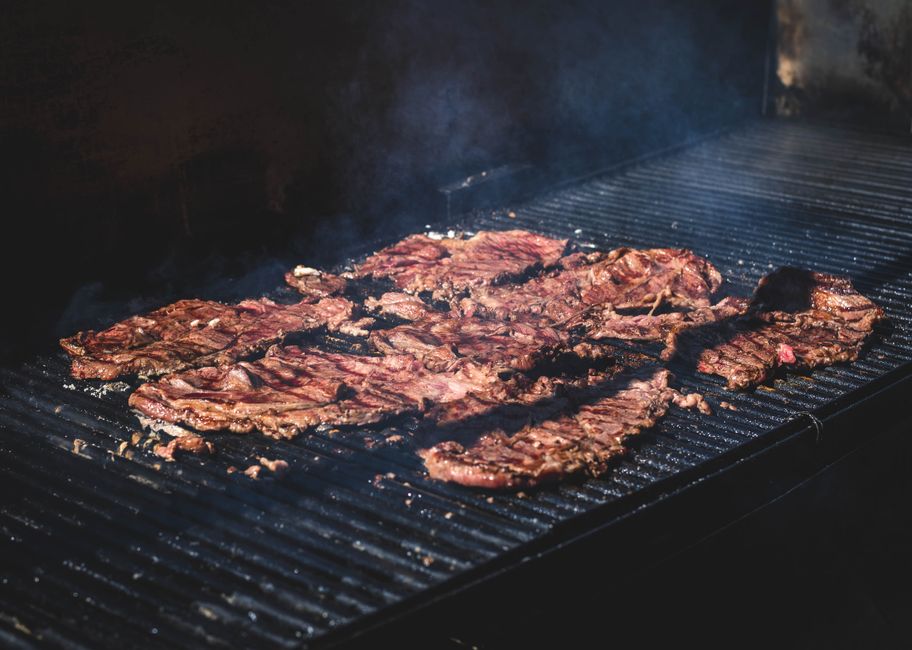
The grilling process for flap steak, as championed by Chef John, is a testament to simplicity and precision. The goal is to achieve a beautiful sear on the exterior while keeping the interior juicy and cooked to your preferred doneness. This requires a well-preheated grill, whether charcoal or gas. For a gas grill, preheat to high heat, aiming for a temperature of around 450-500°F (230-260°C). For a charcoal grill, arrange coals for direct high heat. Before placing the steak on the grill, ensure it is brought to room temperature for about 30-60 minutes prior. This allows for more even cooking. Remove any excess marinade from the steak, as excess liquid can steam the meat rather than sear it, hindering the development of a proper crust. Place the flap steak on the hottest part of the grill. For a steak that is about one inch thick, grilling time will typically be 3-5 minutes per side for medium-rare. This will vary depending on the thickness of the steak, the heat of your grill, and your desired level of doneness. Resist the urge to move or press down on the steak while it’s grilling. This can disrupt the searing process and release precious juices. The development of those characteristic grill marks is a visual indicator of a good sear. Once one side has developed a rich brown crust, carefully flip the steak using sturdy tongs. Avoid using a fork, which can pierce the meat and allow juices to escape.
Achieving the perfect internal temperature is the most critical aspect of grilling any steak, and flap steak is no exception. Chef John stresses the use of an instant-read meat thermometer to ensure accuracy. For medium-rare, the target internal temperature is between 130-135°F (54-57°C). For medium, aim for 135-140°F (57-60°C). It is crucial to remove the steak from the grill when it is 5-10 degrees Fahrenheit below your target temperature, as the steak will continue to cook while it rests (carryover cooking). This is a fundamental principle of steak preparation. Overcooking flap steak is the quickest route to a tough, dry disappointment. The thinness of the cut makes it highly susceptible to rapid temperature increases. Therefore, vigilance during the final stages of grilling is paramount. Monitor the temperature closely, and be prepared to remove the steak even if the visual cues suggest it needs more time. A well-rested flap steak, cooked to the correct temperature, will be incredibly tender and flavorful.
The resting period is as vital as the grilling itself, a non-negotiable step in Chef John’s methodology for achieving perfectly grilled flap steak. Once the steak has been removed from the grill, it should be transferred to a clean cutting board. Tent the steak loosely with aluminum foil. This creates a warm, humid environment that allows the juices, which have been driven to the center of the steak during cooking, to redistribute throughout the meat. If you cut into the steak immediately after grilling, those flavorful juices will simply run out onto the cutting board, leaving you with a drier, less succulent result. The optimal resting time for flap steak is typically 5-10 minutes. This duration allows for sufficient redistribution of juices without allowing the steak to cool down too much. The carryover cooking will also continue during this period, bringing the steak to its final desired temperature. During the rest, you can use this time to prepare any accompanying sides or sauces, maximizing your kitchen efficiency. The aroma that emanates from a resting steak is a preview of the deliciousness to come, and the slight firmness that develops as it rests is a sign of proper juice redistribution.
Slicing flap steak correctly is the final frontier in achieving its full potential. The key lies in understanding and working with the grain of the meat. Flap steak has a pronounced, diagonal grain. To ensure maximum tenderness, you must slice against the grain. This means identifying the direction of the muscle fibers and then making your cuts perpendicular to them. Imagine the grain as a bundle of tiny straws. Cutting across these straws shortens them, making them easier to chew and thus more tender. If you were to slice with the grain, you would be cutting parallel to those straws, resulting in long, chewy strands. Use a sharp knife for this task. A dull knife will tear the meat, negating the benefits of proper grilling and resting. Slice the flap steak thinly, at a slight bias if desired, for an even more elegant presentation and improved mouthfeel. This technique is particularly important for flap steak, given its naturally distinct grain. Proper slicing transforms a potentially tough cut into a delightfully tender experience.
Chef John’s grilled flap steak transcends simple grilling; it is an exercise in understanding and respecting the ingredients. The simplicity of the marinade, the precision of the grilling, the crucial resting period, and the vital slicing technique all converge to create a dish that is both impressive and achievable. This approach allows the inherent flavor of the flap steak to shine through, enhanced by a delicate balance of aromatics and a satisfying char. Whether served as a standalone entrée, thinly sliced for fajitas, or incorporated into a vibrant salad, Chef John’s grilled flap steak offers a versatile and delicious culinary experience, demonstrating that exceptional food does not require complex techniques or exotic ingredients. It’s about mastering the fundamentals and applying them with care and attention. The economic advantage of flap steak, when prepared using this method, makes it an accessible luxury for any home cook looking to elevate their grilling repertoire and impress family and friends with a flavorful, tender, and beautifully executed steak.


