
Easy Leg Of Lamb

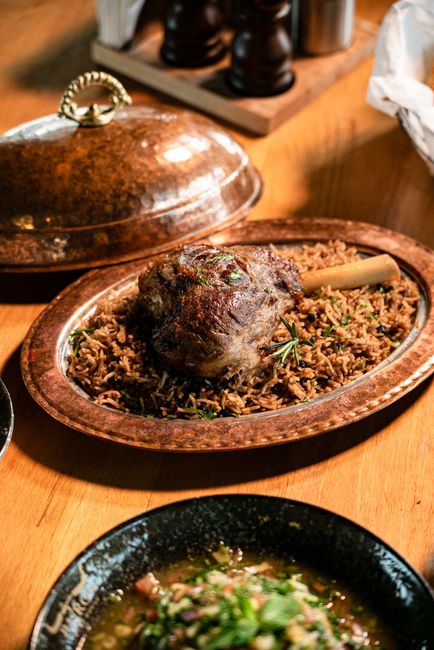
The Ultimate Guide to Easy Leg of Lamb: A Flavorful and Foolproof Roast
Roasting a leg of lamb might seem intimidating, conjuring images of complicated marinades, precise temperature checks, and the fear of an overcooked, dry, or unappetizing final product. However, the reality is that with a few simple techniques and the right ingredients, a leg of lamb can be one of the most rewarding and surprisingly easy dishes to prepare, delivering exceptional flavor and tender, succulent meat. This comprehensive guide will demystify the process, providing step-by-step instructions, essential tips for success, and variations to suit your palate, all designed to help you achieve a foolproof, restaurant-quality roast every time. We’ll delve into selecting the perfect cut, mastering the seasoning, understanding cooking times and temperatures, and achieving that coveted crispy exterior and juicy interior. Whether you’re a seasoned home cook or a beginner venturing into the world of roasted meats, this guide offers a clear, actionable path to culinary triumph with an easy leg of lamb.
Selecting Your Leg of Lamb: The Foundation of Flavor
The first crucial step in achieving an easy and delicious leg of lamb is choosing the right cut. Legs of lamb are typically sold bone-in or boneless. A bone-in leg of lamb, while slightly more challenging to carve, often yields more flavor due to the presence of marrow and connective tissues that break down during the roasting process, basting the meat from within. The bone also acts as a natural insulator, helping to distribute heat evenly and prevent overcooking. A boneless leg, on the other hand, is more convenient for carving and can be easier to stuff with herbs and aromatics. Both options can be incredibly successful. When selecting your leg, look for a piece that is uniformly pink in color, with a good distribution of white fat. A layer of fat on the surface is essential, as it will melt during cooking, adding moisture and flavor to the meat. Aim for a leg that weighs between 4-6 pounds for a typical family meal, which usually serves 6-8 people. Consider the origin of your lamb; grass-fed lamb often has a more distinct, richer flavor profile compared to grain-finished lamb. Don’t be afraid to ask your butcher for recommendations or if they have any specific cuts they prefer for roasting. They can also offer insights into the marbling and age of the lamb, which can impact the final texture and taste.
Mastering the Seasoning: The Art of Flavor Infusion
The beauty of a good leg of lamb lies in its inherent flavor, which doesn’t require an overly complex marinade. The goal of seasoning is to enhance, not mask, the natural taste of the lamb. A simple yet effective approach involves a combination of salt, pepper, and fresh aromatics. Generous seasoning with kosher salt is paramount. The salt penetrates the meat, drawing out moisture initially and then reabsorbing it, resulting in a more tender and flavorful outcome. Freshly ground black pepper adds a pungent bite that complements the richness of the lamb. For aromatics, garlic and rosemary are classic partners. You can either finely mince garlic cloves and mix them with olive oil and chopped rosemary to create a paste, or you can make small incisions all over the surface of the lamb with a sharp knife and stuff whole garlic cloves and sprigs of rosemary into these pockets. This direct infusion of flavor is incredibly effective. Other complementary herbs include thyme, oregano, and even a touch of lemon zest for brightness. A drizzle of good quality olive oil over the lamb before seasoning helps the salt, pepper, and herbs adhere to the surface and promotes browning. Don’t underestimate the power of simplicity; often, the most straightforward seasonings yield the most profound results. Ensure the lamb is at room temperature before seasoning for even cooking.
The Roasting Process: Temperature, Time, and Technique
Achieving a perfectly roasted leg of lamb hinges on understanding the interplay of oven temperature and cooking time, coupled with a few key techniques. The ideal oven temperature for roasting lamb is generally between 350°F (175°C) and 400°F (200°C). A common and highly effective method for an easy leg of lamb is to start with a high heat to achieve a beautiful sear and crispy exterior, and then reduce the temperature to allow for gentle, even cooking. Preheat your oven to 400°F (200°C). Place the seasoned leg of lamb, fat-side up, in a roasting pan. If using a bone-in leg, rest it on a rack within the pan to allow air to circulate around the meat. Roast at 400°F (200°C) for approximately 20-25 minutes, or until the surface is nicely browned. This initial high heat helps to render some of the surface fat and create a flavorful crust.
After this initial searing period, reduce the oven temperature to 325°F (160°C). This lower temperature allows the lamb to cook through gently and evenly without drying out. Continue roasting, basting the lamb with its own pan juices every 20-30 minutes. Basting is a simple yet crucial step that adds moisture and flavor to the surface of the roast, contributing to a more succulent final product. The total roasting time will vary depending on the size of your leg of lamb and your desired level of doneness. A general guideline for a 4-6 pound leg of lamb is approximately 15-20 minutes per pound at the lower temperature, after the initial searing.
Achieving Perfect Doneness: The Role of the Meat Thermometer
The most reliable way to ensure your leg of lamb is cooked to perfection is by using a meat thermometer. Internal temperature is the ultimate determinant of doneness, as weight and visual cues can be misleading. For a juicy and tender roast, lamb is best served medium-rare to medium.
- Rare: 120-125°F (49-52°C) – Very red, cool center.
- Medium-Rare: 130-135°F (54-57°C) – Red, warm center. This is often considered the ideal temperature for leg of lamb.
- Medium: 140-145°F (60-63°C) – Pink, hot center.
- Medium-Well: 150-155°F (66-68°C) – Slightly pink center.
- Well-Done: 160°F+ (71°C+) – No pink, cooked through. (Not recommended for leg of lamb as it can become dry).
Insert the thermometer into the thickest part of the meat, ensuring it doesn’t touch any bone, as this will give an inaccurate reading. Remember that the internal temperature will rise by an additional 5-10°F (3-6°C) during the resting period, so it’s advisable to remove the lamb from the oven when it reaches 5-10°F below your target temperature.
The Crucial Resting Period: Patience for Perfection
Once your leg of lamb has reached its desired internal temperature, the resting period is as critical as the roasting itself. Do not be tempted to carve the lamb immediately. Tent the roasted leg loosely with aluminum foil and let it rest for at least 15-20 minutes. This resting period allows the juices within the meat to redistribute themselves. If you carve the lamb too soon, these juices will escape onto the cutting board, leaving you with dry, less flavorful meat. The resting time allows the fibers in the meat to relax, reabsorbing the moisture and resulting in a more tender and succulent final product. This simple step makes a significant difference in the overall quality of your easy leg of lamb.
Carving Your Masterpiece: The Final Flourish
Carving a bone-in leg of lamb requires a bit more technique than a boneless roast. Once the lamb has rested, position it on a sturdy cutting board. For a bone-in leg, you can either carve it directly off the bone or remove the bone first. To carve off the bone, stand the leg up on its shank end. Make slices across the grain of the meat, angling your knife to get as much meat as possible with each slice. The grain of the meat typically runs parallel to the bone. For easier carving, or if you have a boneless leg, you can remove the bone before slicing. To do this, carefully run your knife along the bone to detach the meat. Once the bone is removed, you can slice the lamb into more manageable pieces. Regardless of whether your leg is bone-in or boneless, always slice against the grain for maximum tenderness. The grain is the direction in which the muscle fibers run. Identifying the grain and slicing perpendicular to it shortens these fibers, making the meat easier to chew and more palatable.
Flavor Variations and Serving Suggestions: Elevating Your Roast
While the classic rosemary and garlic combination is hard to beat, there are numerous ways to personalize your easy leg of lamb. Consider these flavor variations:
- Mediterranean Twist: Incorporate lemon zest, oregano, thyme, and a generous amount of chopped fresh mint into your seasoning paste. A drizzle of balsamic glaze before serving adds a sweet and tangy counterpoint.
- Spicy Kick: Add a pinch of red pepper flakes or a finely minced chili pepper to your herb and garlic rub.
- Mustard Crust: Spread a layer of Dijon mustard over the lamb before applying your herbs and spices. This creates a flavorful crust and helps the seasonings adhere.
- Smoked Paprika & Cumin: For a warmer, more earthy flavor, experiment with smoked paprika and ground cumin in your rub.
The beauty of roasted lamb is its versatility when it comes to serving. It pairs exceptionally well with a variety of side dishes. Classic accompaniments include roasted root vegetables like potatoes, carrots, and parsnips, seasoned with the same herbs used for the lamb. Creamy mashed potatoes, garlic-infused green beans, asparagus, or a vibrant green salad also make excellent pairings. Don’t forget to utilize the delicious pan juices. You can deglaze the roasting pan with a splash of red wine or chicken broth, scrape up any browned bits from the bottom, and simmer gently to create a rich, flavorful gravy or jus. A dollop of mint sauce or a tangy cranberry relish can also provide a delightful contrast to the richness of the lamb.
Troubleshooting Common Issues: Ensuring Success
Even with a straightforward recipe, occasional hiccups can occur. Here’s how to address them:
- Dry Lamb: This is most often caused by overcooking. Always use a meat thermometer and remove the lamb from the oven at the correct internal temperature. Insufficient fat on the cut can also contribute. Ensure you have a well-marbled leg.
- Tough Lamb: This can be a result of cooking at too high a temperature for too long, or not resting the meat adequately. Slicing against the grain is also essential for tenderness.
- Lack of Flavor: Ensure you’ve seasoned generously with salt and pepper. If using aromatics, make sure they are fresh and abundant. Consider stuffing the meat with garlic and herbs as described earlier.
- Uneven Cooking: This can happen if the lamb is placed directly on a solid pan. Using a roasting rack allows air to circulate. Ensuring the lamb is at room temperature before roasting also promotes more even cooking.
By following these guidelines and understanding the fundamental principles of roasting, you can confidently prepare an easy leg of lamb that will impress your guests and become a beloved addition to your culinary repertoire. The simplicity of the process, combined with the incredible flavor of well-cooked lamb, makes this dish a true winner for any occasion.


