
Fried Black Eye Peas

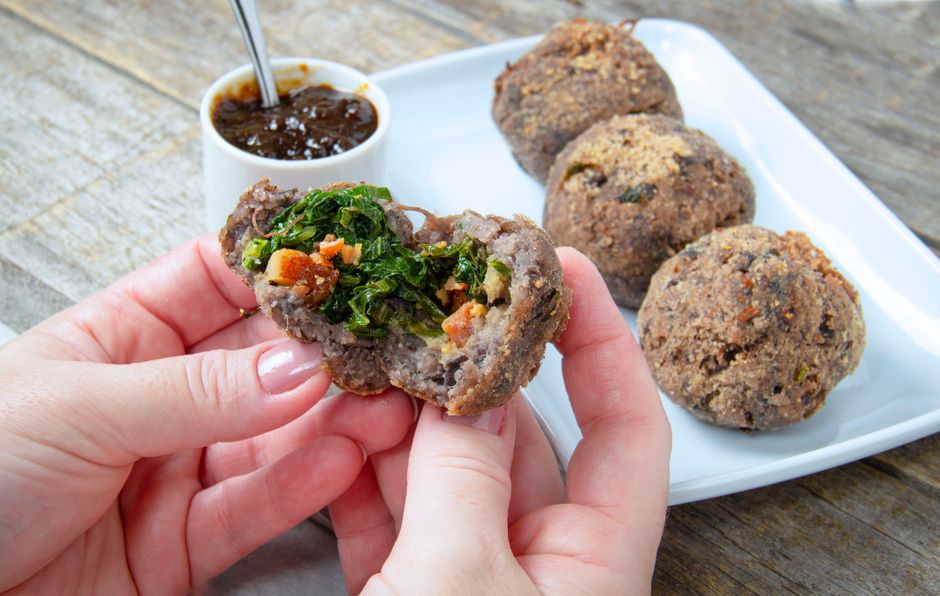
Crispy Black-Eyed Peas: A Deep Dive into the Ultimate Southern Snack
Fried black-eyed peas represent a culinary paradox: a humble legume transformed into an irresistibly crispy, savory snack food that punches far above its weight class in terms of flavor and textural satisfaction. Often overshadowed by their stewed or hoppin’ John counterparts, these deep-fried marvels offer a delightful crunch, a subtle earthy sweetness, and a satisfying chew that makes them addictive. This article will explore the multifaceted world of fried black-eyed peas, delving into their historical context, the science behind achieving perfect crispiness, essential ingredients and techniques, popular flavor variations, and their burgeoning presence in modern culinary landscapes. Understanding the nuances of preparing and enjoying this often-underappreciated dish can elevate it from a simple side to a star player on any appetizer table or casual meal.
The origins of incorporating black-eyed peas into fried preparations are deeply rooted in Southern American culinary traditions, particularly within African American communities. The practice of frying various legumes and vegetables is a testament to resourcefulness and the desire to create flavorful, satisfying meals from readily available ingredients. Black-eyed peas, native to Africa and brought to the Americas through the transatlantic slave trade, became a staple crop in the American South due to their hardiness and adaptability to the climate. While simmering and stewing were common methods of preparation, frying offered a way to extend their shelf life and create a distinct textural experience. Early recipes likely involved simple seasonings like salt and pepper, relying on the natural flavor of the bean and the satisfying crunch achieved through frying. Over time, these preparations evolved, incorporating a wider array of spices and seasonings, reflecting the regional variations and culinary innovations that characterize Southern cuisine. The emergence of fried black-eyed peas as a distinct snack food can also be linked to the broader trend of Southern comfort food gaining mainstream popularity.
Achieving the quintessential crispy texture in fried black-eyed peas is a science in itself, governed by principles of heat transfer, moisture evaporation, and fat absorption. The key to superior crispiness lies in minimizing the moisture content of the peas before they hit the hot oil. Raw, dried black-eyed peas contain a significant amount of internal moisture. Soaking them overnight is a crucial first step. This rehydration process not only softens the peas for cooking but also allows for a more uniform texture. However, the rehydrated peas still need to be thoroughly dried before frying. Any residual surface moisture will cause the oil to sputter violently, leading to uneven cooking and a less crisp result. Patting them dry with paper towels or using a clean kitchen towel is essential. Some culinary enthusiasts even advocate for air-drying the soaked peas for a period to further reduce surface moisture.
The choice of cooking oil significantly impacts the final product. A high smoke point oil is paramount to ensure the peas fry effectively without burning. Common choices include peanut oil, canola oil, vegetable oil, or even lard. The oil temperature must be maintained consistently, typically between 350°F and 375°F (175°C to 190°C). Too low a temperature will result in greasy, soggy peas that absorb too much oil. Too high a temperature will burn the exterior before the interior is properly cooked and crisped. Frying in batches is also critical. Overcrowding the frying vessel will lower the oil temperature drastically, leading to the aforementioned soggy peas. Frying in small batches allows the oil to quickly recover its temperature, ensuring each batch fries evenly and achieves optimal crispiness. The duration of frying will vary depending on the size of the peas and the oil temperature, but generally, they will turn golden brown and develop a noticeable crunch within 3-5 minutes.
The batter or coating plays a vital role in creating a shatteringly crisp exterior and adding layers of flavor. While some purists prefer frying simply seasoned, blanched peas, a light coating can significantly enhance texture and flavor. A basic dredge often involves all-purpose flour seasoned with salt and pepper. For a more robust crisp, cornmeal or a blend of flour and cornmeal is frequently used. Cornmeal’s granular texture provides extra surface area for crisping. Some recipes incorporate cornstarch into the flour mixture, which aids in achieving a lighter, crispier coating by helping to absorb moisture. For those seeking a truly Southern-style crunch, a cornmeal-based batter, often enriched with buttermilk or eggs, can produce a thicker, more substantial coating that fries to a golden perfection. The key is to ensure the coating adheres well to the peas. Lightly dampening the blanched peas with water or a light egg wash before dredging can help the flour or batter stick.
Beyond the basic preparations, the world of fried black-eyed pea flavor variations is expansive, reflecting the creativity and diverse palates of home cooks and chefs alike. The foundational seasoning of salt and pepper is a given, but the true magic lies in the additional spices and aromatics. Smoked paprika is a popular addition, lending a subtle smokiness and a beautiful reddish hue to the finished product. Garlic powder and onion powder are almost ubiquitous, providing a savory depth. For those who enjoy a bit of heat, cayenne pepper or red pepper flakes are common additions, transforming simple fried peas into spicy delights. Cumin offers an earthy, slightly peppery note, while dried herbs like thyme, oregano, or even a touch of rosemary can introduce complexity.
More adventurous flavor profiles emerge when incorporating ingredients like finely chopped jalapeños or serrano peppers into the batter or dredge for a spicy kick that complements the inherent sweetness of the peas. Nutritional yeast can be added to a flour coating to impart a cheesy, umami flavor without the dairy, making them a fantastic vegan option. A dusting of Old Bay seasoning after frying offers a distinctive Chesapeake Bay-inspired blend of herbs and spices. For a smoky, barbecue-inspired twist, a sprinkle of barbecue seasoning or a light drizzle of a tangy barbecue sauce after frying can be a game-changer. The possibilities are limited only by imagination, allowing for the creation of customized fried black-eyed pea snacks tailored to individual preferences.
The process of preparing fried black-eyed peas typically begins with selecting good quality dried black-eyed peas. It’s important to inspect them for any debris or damaged peas before soaking. Soaking overnight in ample water is essential. After soaking, the peas are drained and rinsed thoroughly. The next crucial step is cooking the peas until they are tender but not mushy. This is typically achieved by simmering them in fresh water for 30-60 minutes, depending on their age and how long they were soaked. Overcooked peas will disintegrate during frying, while undercooked peas will remain hard and unpleasant. Once tender, the peas are drained meticulously. This is where the pre-frying drying becomes critical. Spreading them on clean kitchen towels or paper towels and patting them dry, or even allowing them to air dry for a short period, is paramount.
The battering or dredging process follows. For a simple dredge, a mixture of seasoned flour, cornmeal, or a blend is prepared in a shallow dish. For a batter, peas might be tossed in a light egg wash or buttermilk before being submerged in a flour-based batter. Frying is done in a heavy-bottomed pot or a deep fryer at the correct temperature. Small batches are essential. Using a slotted spoon or spider strainer to remove the peas from the hot oil allows for immediate draining of excess oil. Placing the fried peas on a wire rack set over a baking sheet is preferable to paper towels, as it allows air circulation and prevents the bottoms from becoming soggy. Seasoning with salt and any additional spices while the peas are still hot is the final step, allowing the flavors to adhere effectively.
While historically a Southern delicacy, fried black-eyed peas are increasingly finding their way onto menus and into home kitchens across the globe. Their versatility makes them an excellent appetizer, a crunchy topping for salads or soups, a unique side dish, or even a standalone snack. As a vegan and gluten-free option (depending on the coating used), they appeal to a broader audience seeking healthier, yet flavorful, alternatives to traditional fried snacks. The rise of plant-based diets has also contributed to their growing popularity, as they offer a satisfying, protein-rich legume option that can be prepared in a myriad of ways. Their portability also makes them an ideal option for picnics, potlucks, or as a crunchy component in packed lunches. The inherent simplicity of the base ingredient, coupled with the endless possibilities for flavor enhancement, ensures that fried black-eyed peas will continue to be a beloved and evolving culinary creation.
The nutritional profile of black-eyed peas themselves is also worth noting. They are a good source of protein, fiber, folate, and various minerals. While the frying process inherently adds fat and calories, focusing on lighter coatings and moderate portion sizes can allow for the enjoyment of this delicious snack without compromising health goals entirely. Exploring baking or air-frying techniques as alternative preparation methods can further reduce the fat content while still achieving a satisfying crunch. However, for the authentic, decadent experience, deep-frying remains the gold standard. The satisfying textural contrast between the crispy exterior and the slightly yielding interior of the black-eyed pea is a sensory experience that is hard to replicate. This complex interplay of textures, combined with the savory seasonings, makes fried black-eyed peas a truly compelling and memorable food.
In conclusion, fried black-eyed peas are more than just a fried legume; they are a testament to culinary ingenuity, a celebration of Southern heritage, and a remarkably adaptable snack. From their humble beginnings to their current status as a sought-after crunchy delight, they offer a unique gastronomic experience. Understanding the fundamental principles of preparation – from proper soaking and drying to controlled frying temperatures and effective seasoning – is key to unlocking their full potential. The vast array of flavor variations ensures that there is a rendition of fried black-eyed peas to suit every palate, cementing their place as a classic yet ever-evolving culinary staple. Their accessibility, deliciousness, and inherent versatility guarantee their continued presence and popularity in kitchens everywhere.


