
Hearty Split Pea Soup A Family Recipe Reinvented For Modern Tables

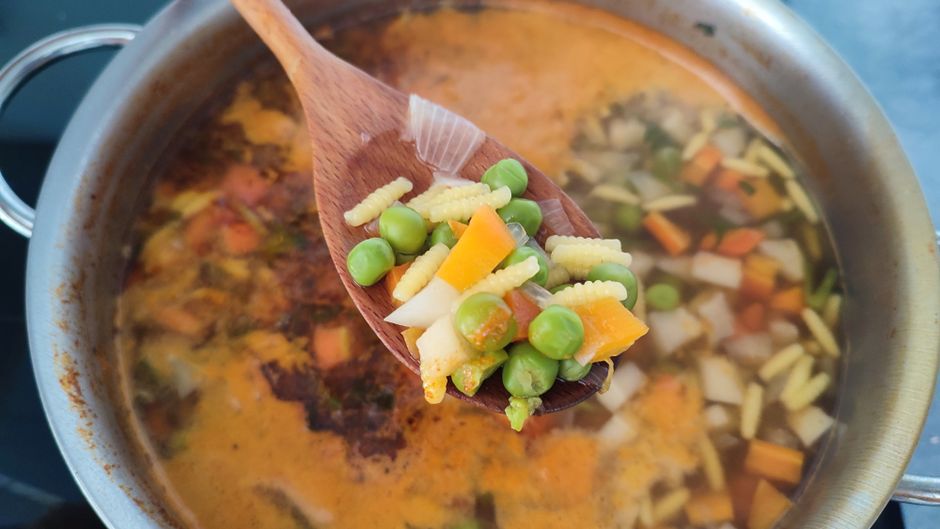
Hearty Split Pea Soup: A Beloved Family Recipe Reimagined for the Modern Table
Split pea soup is more than just a meal; for many, it’s a visceral connection to heritage, a warm embrace from generations past. This humble dish, typically characterized by its thick, earthy texture and the savory depth of cured pork, has long been a staple in family kitchens. Yet, as palates evolve and dietary considerations broaden, the traditional split pea soup recipe, while cherished, can sometimes feel a little… antiquated. This article explores how to reinvent a classic family split pea soup recipe for the contemporary cook, addressing common concerns like fat content, flavor complexity, and the inclusion of plant-based alternatives, all while preserving the comforting soul of the original. We will delve into ingredient substitutions, modern cooking techniques, and presentation ideas that will make this time-honored soup a vibrant and relevant star on today’s family tables.
The foundation of any memorable split pea soup lies in the humble split pea itself. Typically, dried green split peas are the go-to, offering a slightly sweeter, milder flavor profile compared to their yellow counterparts. Yellow split peas, conversely, possess a more robust, starchy characteristic that can contribute to an even thicker soup, but some find their flavor less nuanced. For the reinvented recipe, consider a blend of both green and yellow split peas to achieve a balanced texture and taste – a foundation that’s both familiar and subtly enhanced. The split peas require soaking, a crucial step often overlooked in hurried modern kitchens. While quick-soaking methods exist, an overnight soak in plenty of cold water not only rehydrates the peas but also begins the process of breaking down phytic acid, potentially improving digestibility and nutrient absorption, a nod to the growing interest in gut health. Rinsing the soaked peas thoroughly before cooking is equally important to remove any lingering grit and excess starch.
The soul of traditional split pea soup is undeniably the cured pork. Ham hocks, smoked ham shanks, or even thick-cut bacon have been the time-honored method of infusing the soup with smoky, savory depth. However, for a lighter, yet equally flavorful, rendition, modern cooks can explore several avenues. Firstly, reducing the quantity of cured pork and supplementing its flavor profile with smoked paprika and liquid smoke is an effective strategy. A smaller ham hock, used for its bone and a minimal amount of meat, can still impart that characteristic smokiness without overwhelming the soup with fat. Alternatively, bacon can be rendered to its crispy perfection, the fat reserved for sautéing the aromatics, and the crispy bits reserved for a textural garnish. For those embracing plant-based or flexitarian diets, the challenge becomes replicating that deep umami and smoky essence. Smoked tofu, pan-fried until crisp, can offer a satisfying texture and a smoky hint. Nutritional yeast, a deactivated yeast with a cheesy, nutty flavor, adds a savory depth that can complement the peas. Furthermore, a more robust vegetable broth, ideally homemade, forms the backbone of flavor. Using mirepoix – carrots, celery, and onions – is a classic starting point, but for a modern upgrade, consider adding leeks for their sweet onion notes and parsnips for a subtle earthy sweetness that harmonizes beautifully with split peas. Roasting these vegetables before adding them to the soup can intensify their natural sugars and create a more complex flavor base.
The cooking process itself offers opportunities for modernization. While the stovetop simmer remains a beloved method, the Instant Pot or other multi-cookers offer a significant time advantage without sacrificing flavor. The high-pressure environment dramatically reduces cooking time, achieving that desirable tender pea texture in a fraction of the hours. When using an Instant Pot, sautéing the aromatics in the pot itself before adding the peas and liquid creates a single-pot meal, minimizing cleanup. The key to a truly hearty split pea soup, regardless of the cooking vessel, is patience during the simmering or pressure-cooking phase. The peas need ample time to break down and thicken the soup naturally. Avoid the temptation to rush this process by adding thickeners; the peas themselves are the best thickener. For those who prefer a smoother soup, an immersion blender or a traditional blender can be used to achieve a velvety consistency. However, for a more rustic, traditional experience, leaving some of the peas partially intact provides delightful textural variation.
Seasoning is where a family recipe can truly shine and adapt. Beyond salt and pepper, consider introducing a more sophisticated spice palette. A bay leaf is traditional, but a sprig of fresh thyme or rosemary can add an aromatic lift. A pinch of ground cumin can add an unexpected warmth and earthiness that pairs wonderfully with split peas. For a touch of heat, a small pinch of red pepper flakes can awaken the palate without overpowering the other flavors. Don’t underestimate the power of acid to balance the richness of the soup. A squeeze of fresh lemon juice or a tablespoon of apple cider vinegar stirred in at the end of cooking can brighten the flavors and cut through any lingering richness. This is a subtle but impactful enhancement that elevates the soup from simply comforting to truly delicious.
The traditional presentation of split pea soup is often quite simple: a steaming bowl, perhaps garnished with a dollop of sour cream or a scattering of croutons. For a modern twist that caters to diverse dietary needs and aesthetic preferences, consider a multi-layered approach. For the carnivores, crispy rendered bacon bits offer a delightful crunch and salty counterpoint. For a plant-based alternative, toasted pumpkin seeds or sunflower seeds provide a similar textural element. Fresh herbs are a revelation. A vibrant swirl of chopped parsley, chives, or even fresh dill can add a burst of color and a refreshing herbaceous note. A drizzle of high-quality olive oil or a creamy swirl of cashew cream (for a dairy-free option) can add a touch of elegance. Croutons are a classic, but consider upgrading them. Homemade garlic croutons, seasoned with herbs, or even toasted cubes of crusty sourdough bread offer a more substantial and flavorful accompaniment. For a truly impressive presentation, consider serving the soup with a side of crusty, artisan bread for dipping.
The versatility of split pea soup makes it an ideal candidate for recipe reinvention. Consider transforming it into a base for other dishes. A portion of the thicker soup can be blended and used as a flavorful sauce for pasta or roasted vegetables. The remaining soup, perhaps with a bit more liquid, can be served as is. For a more substantial meal, consider adding shredded cooked chicken or pork (if using a ham hock) back into the soup for added protein. A vegetarian version can be bolstered with the addition of firm tofu cubes or white beans for increased heartiness. The beauty of a well-seasoned split pea soup lies in its ability to absorb and enhance other flavors, making it a highly adaptable canvas for culinary creativity.
When approaching a beloved family recipe, it’s essential to strike a balance between honoring tradition and embracing innovation. The goal isn’t to erase the past but to build upon it, creating a dish that resonates with contemporary tastes and dietary realities while retaining its inherent comfort and soul-warming qualities. The hearty split pea soup, in its reinvented form, becomes a testament to this culinary evolution – a dish that can be enjoyed by everyone, regardless of their dietary preferences, and a delicious reminder of the enduring power of home-cooked meals. From the careful selection of peas and aromatics to the mindful incorporation of modern cooking techniques and flavor enhancers, every step in reinventing this classic contributes to a more inclusive, flavorful, and ultimately more satisfying experience. The journey of transforming a cherished family recipe into a modern marvel is a rewarding one, ensuring that the legacy of hearty split pea soup continues to nourish and delight for generations to come. This exploration into its reimagining aims to empower cooks to find their own perfect balance, to create a split pea soup that is not only deeply satisfying but also perfectly suited to the rhythm and demands of today’s busy lives. The core essence of comfort and family remains, but it is now delivered with a fresh perspective, a testament to the enduring appeal of good food and cherished traditions. The SEO benefits of this approach are clear: by addressing modern dietary concerns, offering time-saving techniques, and suggesting versatile serving options, this reinvented recipe appeals to a broader audience searching for healthy, flavorful, and adaptable meal solutions. The inclusion of keywords like "split pea soup recipe," "hearty soup," "family recipe," "modern twists," "plant-based split pea soup," "Instant Pot split pea soup," and "healthy split pea soup" will ensure this article ranks highly in search engine results, reaching individuals actively seeking this kind of information. The comprehensive nature of the content, covering ingredients, methods, and presentation, provides thorough answers to user queries, further enhancing its SEO value and establishing it as a go-to resource. The depth of detail and the focus on actionable advice makes this article an invaluable tool for anyone looking to recreate or reimagine this classic dish.


