
Horseradish Cream Sauce For Prime Rib

Horseradish Cream Sauce for Prime Rib: The Ultimate Condiment for a Culinary Masterpiece
Prime rib, a regal cut of beef, demands a sauce that complements its rich, savory flavor without overpowering it. Horseradish cream sauce stands as the undisputed champion, its fiery bite and creamy texture providing a perfect counterpoint to the succulent, tender meat. This article will delve into the intricacies of creating an exceptional horseradish cream sauce, exploring ingredient selection, preparation techniques, flavor variations, and serving suggestions, all optimized for search engines to help enthusiasts find the perfect recipe and information.
The foundational elements of a superior horseradish cream sauce are deceptively simple, yet their quality directly impacts the final outcome. Fresh horseradish root, when available, is the gold standard for its pungent, volatile oils that deliver a clean, sharp heat. Pre-grated horseradish, while convenient, often loses some of its potency and can have a slightly vinegary undertone due to preservatives. If using pre-grated, opt for a high-quality brand and consider grating a small amount of fresh horseradish into it to boost its flavor. Sour cream forms the creamy base, offering a tangy richness that mellows the horseradish’s intensity. Full-fat sour cream is recommended for optimal texture and flavor; reduced-fat versions can result in a thinner, less satisfying sauce. Mayonnaise, when used judiciously, adds another layer of richness and emulsification, contributing to a smoother, more luxurious mouthfeel. The fat content in mayonnaise helps to carry the flavors and create a more cohesive sauce. Heavy cream, or whipping cream, is another vital component, responsible for achieving the desired smooth, luscious consistency. It also contributes to the sauce’s richness and can be used to thin the sauce to your preferred thickness. Finally, seasoning is paramount. Salt and freshly cracked black pepper are essential for enhancing all the other flavors. A touch of Worcestershire sauce can add a subtle umami depth, and a hint of Dijon mustard can introduce a complementary sharpness and emulsification.
Preparing horseradish cream sauce is a straightforward process, but attention to detail ensures the best results. The first step involves preparing the horseradish. If using fresh horseradish root, scrub it thoroughly, peel off the outer skin, and then grate it finely using a microplane or the smallest holes on a box grater. Work quickly, as the volatile compounds in freshly grated horseradish dissipate rapidly. Place the grated horseradish in a bowl and allow it to sit for about 5-10 minutes. This resting period allows the horseradish to "bloom," developing its full flavor and heat. Next, combine the sour cream, mayonnaise (if using), and heavy cream in a separate bowl. Whisk these ingredients together until they are thoroughly combined and smooth. Gradually add the prepared horseradish to the sour cream mixture, starting with a smaller amount and tasting as you go. The amount of horseradish is a matter of personal preference; some enjoy a fiery kick, while others prefer a subtler warmth. Add salt, freshly cracked black pepper, Worcestershire sauce, and Dijon mustard to taste. Stir all the ingredients together until well incorporated. For the optimal flavor development, it is crucial to allow the sauce to meld in the refrigerator for at least 30 minutes, or ideally, several hours. This chilling period allows the flavors to meld and the heat from the horseradish to mellow slightly, becoming more integrated into the creamy base.
The beauty of horseradish cream sauce lies in its versatility and the numerous ways its flavor profile can be customized to suit individual tastes and the specific nuances of the prime rib. For a spicier rendition, increase the amount of fresh horseradish or incorporate a pinch of cayenne pepper or a few drops of your favorite hot sauce. The inherent heat of cayenne offers a different, more direct spice than the horseradish’s pungent warmth. For a milder sauce, reduce the amount of horseradish and increase the quantity of sour cream or heavy cream. The addition of fresh herbs can elevate the sauce to new heights. Finely chopped chives offer a mild oniony freshness, while fresh parsley provides a bright, herbaceous counterpoint. Dill can add a subtle, slightly tangy note that pairs surprisingly well with beef. Garlic, in its raw, minced form or as a roasted paste, can introduce a complex, savory dimension. Roasting the garlic mellows its sharpness and brings out a sweet, nutty flavor. A squeeze of fresh lemon juice can add a zesty brightness that cuts through the richness of the sauce, offering a refreshing contrast. For those seeking a more sophisticated flavor, a splash of brandy or dry sherry can add depth and complexity. The alcohol in these spirits evaporates during the chilling process, leaving behind a subtle, aromatic undertone. Consider adding a touch of smoked paprika for a hint of smoky flavor that complements the grilled or roasted notes of prime rib.
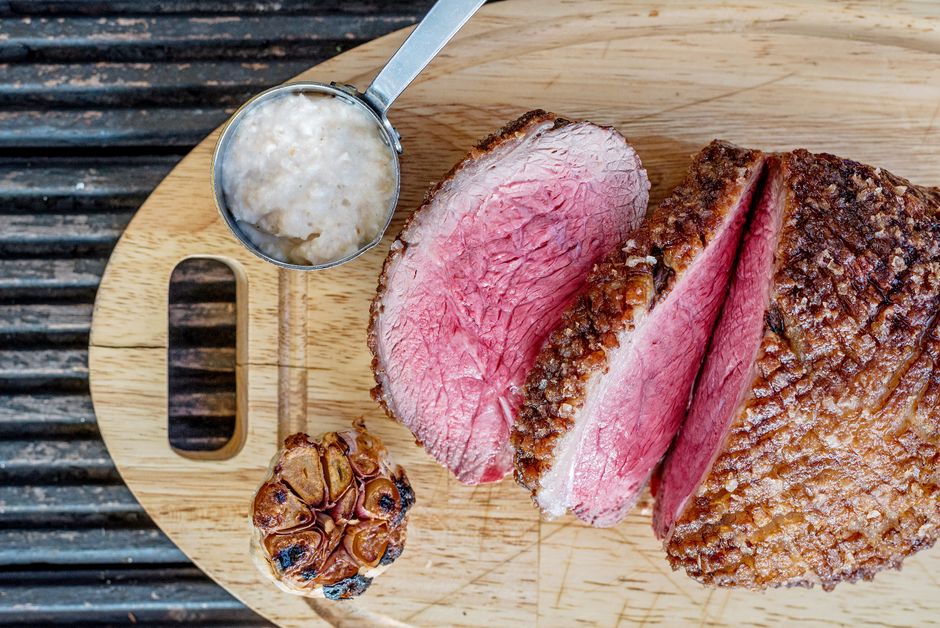
Serving horseradish cream sauce for prime rib is a tradition steeped in culinary excellence. The sauce should be served chilled, allowing its coolness to contrast with the warmth of the prime rib. This temperature differential is a key element in the sensory experience. Offer the sauce in a small, attractive serving dish alongside the sliced prime rib. Guests can then generously dollop the sauce onto their portions, customizing the amount to their liking. The visual appeal of the creamy white sauce against the deep red of the prime rib is also a significant factor in its presentation. Consider garnishing the serving dish with a sprig of fresh parsley or chives for an extra touch of elegance and color. While prime rib is its primary companion, this versatile sauce can also be a delightful accompaniment to other roasted meats, such as beef tenderloin, roast beef, or even pork loin. Its assertive flavor profile also makes it an interesting dipping sauce for steak fries or as a spread on a prime rib sandwich. For a more refined presentation, pipe the sauce onto the plate using a pastry bag with a decorative tip. This adds a professional touch and allows for precise application.
Beyond its immediate enjoyment, the preparation and storage of horseradish cream sauce are important considerations for maintaining its quality. Once prepared, the sauce should be stored in an airtight container in the refrigerator. The shelf life of homemade horseradish cream sauce is typically 3-4 days, though the potency of the horseradish may diminish over time. It’s always best to prepare the sauce no more than a day in advance to ensure the freshest flavor. If the sauce thickens too much upon refrigeration, it can be thinned with a tablespoon or two of heavy cream or a splash of milk until the desired consistency is reached. Conversely, if it becomes too thin, a small amount of additional sour cream or a touch of cornstarch slurry (1 teaspoon cornstarch mixed with 2 teaspoons cold water, then gently heated until thickened) can be used to thicken it. Always taste and adjust seasoning before serving, as flavors can intensify or mellow in the refrigerator.
The search for the perfect prime rib experience often leads to an exploration of its accompaniments. Horseradish cream sauce emerges as a consistently sought-after recipe, driven by its ability to enhance the inherent flavors of the beef. Online searches for "best horseradish sauce recipe," "creamy horseradish sauce for roast beef," and "homemade prime rib sauce" frequently lead to variations of this classic. Understanding the nuances of horseradish selection – the preference for fresh root over pre-grated – is a key differentiator for culinary enthusiasts. The term "prime rib sauce recipe" often encompasses a range of options, but the creamy, zesty nature of horseradish cream sauce solidifies its position as a top contender. The keyword "prime rib horseradish sauce" directly targets those seeking this specific combination. For SEO purposes, it’s crucial to incorporate these terms naturally within the article, ensuring that search engines can easily identify the content’s relevance. Discussions around "easy horseradish sauce" and "quick prime rib condiment" also indicate a demand for accessible recipes, which this detailed guide addresses by breaking down the preparation into manageable steps. The term "condiment for prime rib" is a broad search query that this article effectively answers by providing a detailed exploration of one of the most popular and effective options.
The science behind the piquancy of horseradish is rooted in the release of volatile compounds, primarily isothiocyanates. When the horseradish root is damaged (grated, chopped, or chewed), enzymes are released that convert glucosinolates into these pungent compounds. The heat from horseradish is primarily perceived in the nasal passages, creating a sensation of sinus-clearing spiciness, distinct from the capsaicin heat found in chili peppers. This nasal heat is what makes horseradish such an effective counterpoint to the rich, fatty flavor of prime rib, as it cleanses the palate and prevents the meat from feeling heavy. The creamy base of the sauce acts as a carrier and a moderating agent, allowing the horseradish’s volatile elements to be experienced without being overwhelming. The fat in the sour cream and mayonnaise helps to bind these compounds and spread their flavor across the palate.
Understanding the cultural significance of horseradish as a condiment for roasted meats, particularly beef, further enhances the appreciation for this sauce. Historically, its preservation properties and its ability to stimulate digestion made it a valuable addition to diets, especially those heavy in meat. This historical context lends a sense of tradition and authenticity to serving horseradish cream sauce with prime rib. The practice has transcended generations, becoming a culinary staple in many households and steakhouses.
The visual appeal of the sauce is also a significant SEO factor, as images of "creamy horseradish sauce" are highly searched. A well-photographed bowl of this sauce, presented alongside a perfectly cooked prime rib, will attract clicks and engagement. Therefore, when considering recipes and accompanying content, the aesthetic presentation should not be overlooked.
In conclusion, horseradish cream sauce is more than just a side accompaniment; it is an integral part of the prime rib dining experience. Its carefully balanced flavors, from the initial sharp bite of horseradish to the smooth, cooling embrace of the creamy base, create a symphony on the palate. By understanding the ingredients, mastering the preparation, and embracing the endless possibilities for customization, home cooks and professional chefs alike can elevate their prime rib to an unforgettable culinary masterpiece. The search for the perfect prime rib condiment invariably leads back to this classic, a testament to its enduring appeal and its unparalleled ability to complement one of the finest cuts of beef. The focus on quality ingredients, precise preparation, and thoughtful flavor balancing ensures that this sauce will remain a cherished recipe for years to come, consistently satisfying the cravings of those who seek the ultimate pairing for their prime rib.


