
Irish Cream Ice Cream

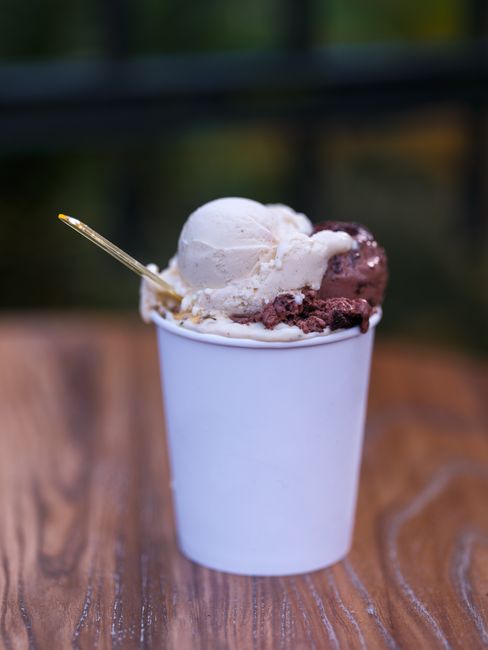
Irish Cream Ice Cream: A Decadent Delight for Connoisseurs
Irish cream ice cream transcends mere dessert; it’s an experience, a harmonious fusion of rich, velvety dairy and the iconic, warming notes of Irish whiskey and cream. This isn’t a fleeting trend but a classic flavor that has captivated palates worldwide, offering a sophisticated yet comforting indulgence. The allure lies in its complex flavor profile, a masterful dance between sweet, boozy, and creamy. At its heart, Irish cream liqueur, famously represented by brands like Baileys, provides the signature taste. This liqueur itself is a carefully balanced concoction, typically featuring Irish whiskey, cream, sugar, and cocoa. When translated into ice cream, these elements are amplified, creating a decadent frozen treat that appeals to both dessert lovers and those who appreciate a sophisticated spirit. The challenge and artistry in crafting exceptional Irish cream ice cream lie in achieving the perfect equilibrium. Too much whiskey can overpower the delicate creaminess and make the ice cream icy, while too little leaves it lacking its distinctive character. The ideal ratio results in a smooth, luscious texture with subtle yet discernible notes of whiskey warmth, sweet cream, and often a whisper of cocoa or vanilla. This article will delve into the multifaceted world of Irish cream ice cream, exploring its origins, the science behind its creation, its diverse applications, and tips for both homemade enthusiasts and those seeking out the finest commercially available options.
The Genesis of Irish Cream Liqueur and its Ice Cream Adaptation
The inspiration for Irish cream ice cream is inextricably linked to the invention of Irish cream liqueur itself. While the precise origins are debated, the most widely accepted narrative credits R.A. Bailey & Co. with launching Baileys Irish Cream in 1974. The goal was to create a product that showcased the quality of Irish dairy and the renowned smoothness of Irish whiskey, offering a pre-mixed, ready-to-drink alcoholic beverage that was both novel and appealing. The initial success of Baileys was phenomenal, and its distinctive flavor profile quickly became a global phenomenon. It was only a matter of time before this beloved beverage found its way into the frozen dessert realm. Ice cream manufacturers, recognizing the inherent appeal of these flavors, began experimenting with incorporating Irish cream liqueur into their frozen creations. Early iterations likely involved simply adding the liqueur to a standard vanilla ice cream base, but over time, the art and science of creating truly exceptional Irish cream ice cream evolved. Chefs and food scientists learned to adjust fat content, sugar levels, and alcohol incorporation to achieve optimal texture and flavor balance, preventing ice crystal formation and ensuring the alcohol contributed to a smoother mouthfeel rather than a freezer-burned one. The adaptation from a liquid spirit to a frozen dessert required a nuanced understanding of how alcohol behaves at low temperatures and how to emulsify the various components for a luxurious, stable product.
The Science of Creamy Perfection: Crafting Irish Cream Ice Cream
Creating a truly exceptional Irish cream ice cream is a testament to understanding the fundamental principles of ice cream making, with specific considerations for the unique ingredients involved. The base of any ice cream is a delicate balance of fat, sugar, and water. In Irish cream ice cream, the fat comes primarily from the dairy – heavy cream and milk – and the cream in the Irish cream liqueur. Fat contributes to richness, smoothness, and a less icy texture. A higher fat content generally leads to a more luxurious mouthfeel. Sugar plays a dual role: it sweetens the ice cream and, crucially, lowers the freezing point of water. This means that even at sub-zero temperatures, the ice cream remains scoopable. The presence of alcohol from the Irish cream liqueur further depresses the freezing point, which can be beneficial for texture but requires careful management. Too much alcohol can prevent the ice cream from freezing properly, resulting in a soft, unappetizing consistency. The water content is inherent in milk, cream, and the liqueur itself. The goal is to freeze this water into very small ice crystals, which are imperceptible to the palate, resulting in a smooth texture. Large ice crystals are the hallmark of poorly made ice cream and contribute to a grainy or icy feel.
When incorporating Irish cream liqueur, several factors must be considered. The alcohol content can interfere with proper freezing if not accounted for. Recipes often adjust the sugar content or other freezable solids to compensate for the freezing point depression caused by the alcohol. Emulsification is also key. The fats from the cream and liqueur need to be evenly dispersed throughout the base to prevent separation and ensure a uniform texture. Ingredients like egg yolks (in custard-based ice creams) or stabilizers (in commercial production) act as emulsifiers, binding the fat and water molecules together. The flavor profile is built by adding authentic Irish cream liqueur, often alongside vanilla extract and sometimes a touch of cocoa powder or chocolate for added depth. The quality of the Irish cream liqueur is paramount; a well-made liqueur will offer a more nuanced and authentic flavor than a cheap imitation. The aging or resting period of the ice cream base before churning is also important. This allows the flavors to meld and the fats to fully hydrate, leading to a richer, more cohesive taste and texture.
Flavor Variations and Pairings: Expanding the Irish Cream Experience
While the classic Irish cream ice cream is a masterpiece in itself, its versatility allows for a delightful array of flavor variations and inspired pairings. The inherent notes of whiskey, cream, and subtle sweetness provide a perfect canvas for complementary flavors. Chocolate, in its various forms, is an obvious and highly successful companion. Dark chocolate, with its slight bitterness, can cut through the richness and provide a sophisticated contrast. Milk chocolate offers a sweeter, more approachable pairing. White chocolate can add a creamy sweetness that further enhances the dairy notes. Swirls of fudge sauce, ganache, or even a boozy chocolate syrup can elevate the experience, adding textural contrast and intensified chocolate flavor.
Beyond chocolate, other rich and warming flavors find a natural home with Irish cream ice cream. Caramel, whether a smooth sauce or crunchy brittle, offers a buttery sweetness that harmonizes beautifully. Toasted nuts, such as pecans or walnuts, provide a welcome crunch and earthy depth. Spices like cinnamon, nutmeg, or even a hint of cardamom can add a warming complexity, especially during cooler months. Fruit, while less common, can also be incorporated thoughtfully. Dark berries, like raspberries or blackberries, can offer a tart counterpoint to the sweetness and creaminess. A very subtle coffee infusion can also complement the whiskey notes, creating a sophisticated mocha-like profile.
When it comes to pairings, Irish cream ice cream shines as a standalone dessert but also excels as an accompaniment. It’s a natural partner for rich, decadent desserts like chocolate lava cakes, warm brownies, or sticky toffee pudding, providing a cooling and creamy contrast. A scoop of Irish cream ice cream can also elevate a simple slice of pound cake or angel food cake. For those who enjoy a boozy indulgence, a drizzle of extra Irish cream liqueur or a shot of Irish whiskey served alongside can amplify the experience. It also pairs well with certain cheeses, particularly those with a richer, creamier profile, though this is a more adventurous pairing for the truly discerning palate.
Homemade Irish Cream Ice Cream: A Rewarding Culinary Endeavor
For the home cook, crafting Irish cream ice cream offers a deeply satisfying culinary journey. It allows for precise control over ingredient quality and flavor intensity, resulting in a truly personalized treat. A foundational recipe typically involves heavy cream, whole milk, sugar, egg yolks, and Irish cream liqueur. A custard-based approach, where egg yolks are tempered with warm milk and cream, creates a richer, smoother ice cream due to the emulsifying properties of the yolks.
The process begins with whisking together sugar and egg yolks until pale and fluffy. Separately, milk and cream are heated gently. A portion of the hot dairy is gradually whisked into the egg yolk mixture to temper them, preventing scrambling. This tempered mixture is then returned to the saucepan with the remaining dairy and cooked over low heat, stirring constantly, until the custard thickens enough to coat the back of a spoon. It’s crucial not to boil the custard. Once thickened, the custard is strained into a clean bowl, and the Irish cream liqueur and any other flavorings, such as vanilla extract or cocoa powder, are stirred in.
The next vital step is chilling the base thoroughly. This is paramount for achieving a smooth texture. The base should be chilled in the refrigerator for at least four hours, preferably overnight. This allows the flavors to meld and the fats to solidify, which aids in freezing. Once chilled, the base is churned in an ice cream maker according to the manufacturer’s instructions. The churning process incorporates air and breaks down ice crystals as the mixture freezes. After churning, the ice cream will have a soft-serve consistency. It’s then transferred to an airtight container and "hardened" in the freezer for several hours until firm enough to scoop. The amount of Irish cream liqueur can be adjusted to personal preference, but remember the impact of alcohol on freezing. Starting with around 1/4 to 1/3 cup of liqueur per quart of ice cream base is a good starting point. Experimentation with different brands of Irish cream liqueur will yield subtle variations in flavor, allowing for further customization.
Sourcing the Finest Irish Cream Ice Cream: A Connoisseur’s Guide
For those who prefer to purchase their Irish cream ice cream, the market offers a range of options, from artisanal producers to large-scale brands. The key to identifying high-quality Irish cream ice cream lies in scrutinizing the ingredients list and recognizing certain indicators of superior craftsmanship.
Look for ice cream that lists real dairy cream and milk as primary ingredients. Avoid products with excessive amounts of artificial stabilizers or flavorings. The presence of authentic Irish cream liqueur is a strong indicator, though many producers may use proprietary blends that aim to replicate the flavor. A higher fat content, typically 14% or more for premium ice cream, will contribute to a richer, more decadent texture.
Artisanal ice cream shops often excel at producing small-batch, high-quality Irish cream ice cream, allowing for a more nuanced flavor profile and superior texture. These producers are more likely to use premium ingredients and employ traditional ice cream-making techniques. When considering national brands, renowned ice cream manufacturers often have their own versions of Irish cream ice cream, which can vary in quality. Reading online reviews and checking ingredient lists can help in making informed choices.
The ideal Irish cream ice cream should have a smooth, dense texture with no signs of ice crystals. The flavor should be a balanced symphony of creamy sweetness and the characteristic warmth of Irish whiskey, without being overwhelmingly boozy or artificial. The aroma should be inviting, hinting at the rich flavors within. Ultimately, the best Irish cream ice cream is a subjective experience, but by understanding the elements of quality, consumers can navigate the market to find a truly exceptional frozen indulgence.
The Enduring Appeal of Irish Cream Ice Cream
The sustained popularity of Irish cream ice cream speaks volumes about its intrinsic appeal. It’s a flavor that evokes a sense of comfort and sophistication, bridging the gap between a simple treat and a more adult indulgence. The fusion of smooth dairy and the distinctive, warming notes of Irish cream liqueur creates a sensory experience that is both familiar and exciting. Whether enjoyed as a standalone dessert, a decadent topping, or incorporated into more elaborate culinary creations, Irish cream ice cream continues to capture the hearts and taste buds of those seeking a truly memorable frozen delight. Its ability to evolve, with numerous variations and pairings, ensures its continued relevance in the ever-expanding world of gourmet frozen desserts.


