Low Sugar Strawberry Compote
Low Sugar Strawberry Compote: A Naturally Sweet and Versatile Recipe
The allure of a vibrant, ruby-red strawberry compote often conjures images of decadent desserts, rich with sweetness. However, for health-conscious individuals, those managing blood sugar, or simply anyone seeking to reduce their refined sugar intake, traditional compotes can be a source of concern. Fortunately, achieving that same delightful fruitiness and luscious texture is entirely possible without relying on copious amounts of added sugar. This comprehensive guide delves into the art and science of creating a low sugar strawberry compote, exploring its benefits, core ingredients, essential techniques, and an abundance of versatile applications. We will also address common questions and provide tips for maximizing flavor and achieving the perfect consistency, making this a go-to resource for anyone looking to embrace a healthier approach to this beloved fruit preparation.
The fundamental principle behind a low sugar strawberry compote lies in leveraging the inherent sweetness of the strawberries themselves and enhancing it with natural flavorings that don’t contribute to a high glycemic load. Strawberries, when ripe, possess a surprising amount of natural sugars, primarily fructose. By selecting peak-season, perfectly ripe berries, we lay the groundwork for a compote that is inherently flavorful and less reliant on external sweeteners. The cooking process itself concentrates these natural sugars, intensifying the fruit’s flavor and creating a syrupy consistency. The key is to guide this concentration and flavor development without overwhelming the delicate strawberry essence with added sweetness.
The core ingredients for a low sugar strawberry compote are remarkably simple. First and foremost are the strawberries. Opt for fresh, ripe strawberries for the most intense natural sweetness and vibrant color. Frozen strawberries can also be used, and often contribute to a faster cooking time as they release their liquid more readily. If using frozen, it’s advisable to let them thaw slightly before beginning. The second crucial ingredient is a liquid. While water is a perfectly viable option, adding a touch of fruit juice can introduce subtle layers of flavor and further enhance the natural sweetness. Unsweetened apple juice, white grape juice, or even a splash of orange juice are excellent choices. Each offers a slightly different profile, with apple juice providing a mild sweetness, grape juice a richer fruitiness, and orange juice a bright citrus counterpoint. For a more complex flavor, a squeeze of lemon or lime juice is indispensable. This acidity not only brightens the strawberry flavor, preventing it from tasting flat, but also acts as a natural pectin enhancer, aiding in the thickening process without the need for additional thickeners. Finally, while the goal is low sugar, a minimal amount of a natural sweetener may be desired by some for an extra touch of sweetness or to balance any inherent tartness in the strawberries. Options include a touch of pure maple syrup, honey (use sparingly as it’s still a sugar), or a few drops of stevia or monk fruit extract for a zero-calorie sweetness. The choice of sweetener, if used at all, depends on individual preference and dietary needs.
The cooking technique for low sugar strawberry compote is straightforward but requires attention to detail. The process typically begins by combining the prepared strawberries with the chosen liquid in a saucepan. If using whole strawberries, it’s often beneficial to hull them and then cut them into halves or quarters, depending on their size and desired final texture. This not only helps them break down more evenly but also allows the flavors to meld more effectively. If you prefer a smoother compote, you can lightly mash some of the strawberries with a fork or potato masher before or during cooking. Bring the mixture to a gentle simmer over medium heat. It’s important to avoid a rolling boil, as this can lead to excessive evaporation and a less desirable texture. Stir occasionally to prevent sticking. As the strawberries begin to break down and release their juices, the mixture will naturally start to thicken. This thickening process is a key indicator of doneness.
The role of acidity in compote making cannot be overstated, especially in a low sugar version. The citric acid naturally present in strawberries, coupled with the added lemon or lime juice, plays a vital role in the pectin extraction and gel formation within the fruit. Pectin is a natural carbohydrate found in fruit that, when heated in the presence of acid and sugar, forms a gel-like structure, resulting in the thickened consistency of compote. By utilizing the natural acidity of the fruit and adding a little extra, we encourage this process, leading to a naturally thicker compote with less reliance on added sugars or starches. The brighter, more intense fruit flavor achieved through the addition of citrus is another significant benefit, making the compote taste more vibrant and less “flati” without resorting to sweetness. This is why even a small amount of lemon or lime juice can make a substantial difference in the overall outcome of your low sugar strawberry compote.
Controlling the consistency of your low sugar strawberry compote is a matter of managing the cooking time and the evaporation of liquid. As the compote simmers, the water content reduces, concentrating the fruit solids and natural sugars, leading to thickening. For a chunkier compote, cook for a shorter duration, allowing some of the berries to retain their shape. For a smoother, more sauce-like consistency, continue to simmer, stirring more frequently, until the desired thickness is achieved. You can test for doneness by placing a small spoonful of the compote onto a chilled plate. If it gels slightly and holds its shape as it cools, it’s ready. Overcooking can lead to a jam-like consistency, which may be desirable for some, but can also result in a more concentrated, potentially sweeter flavor. Conversely, undercooking will result in a watery compote. The use of a natural thickener is an option for those who struggle to achieve their desired consistency through cooking alone. A small amount of cornstarch or arrowroot starch, mixed with a little cold water to form a slurry before being whisked into the simmering compote, can provide a smooth, glossy finish. However, the goal of a truly low sugar compote is to achieve thickness through natural reduction and pectin activation.
Flavor enhancement in low sugar strawberry compote goes beyond just the fruit itself. A whisper of vanilla extract can add a warm, aromatic depth that complements the strawberries beautifully without contributing sweetness. A tiny pinch of salt can actually amplify the existing flavors, making the sweetness of the strawberries more pronounced. For a more sophisticated profile, consider adding a few blades of fresh mint, a sliver of ginger, or a cinnamon stick during the simmering process. These aromatics can be removed before serving, leaving behind their subtle, fragrant influence. The key is to use these additions sparingly, allowing the strawberry to remain the star.
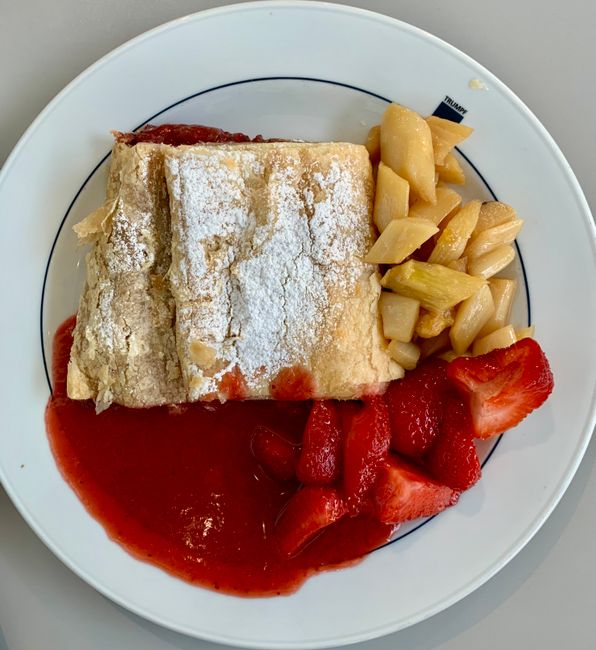
The versatility of low sugar strawberry compote is one of its greatest assets. It transcends its role as a mere dessert topping and becomes a valuable component in a wide array of culinary creations. As a topping for Greek yogurt or cottage cheese, it offers a naturally sweet and flavorful alternative to commercially produced, high-sugar yogurts. It pairs exceptionally well with oatmeal or overnight oats, providing a burst of fruity goodness to breakfast. For a healthier dessert option, drizzle it over whole-wheat pancakes or waffles. It can also be incorporated into healthier baked goods, such as muffins or scones, adding moisture and natural sweetness. When blended with a touch of cream cheese or mascarpone, it transforms into a delightful filling for crepes or a topping for cheesecakes. For savory applications, a touch of compote can add an intriguing sweet-and-tangy element to cheese boards, accompany roasted pork or chicken, or even be used as a glaze for grilled salmon. Its adaptability makes it a kitchen staple for those mindful of their sugar intake.
Nutritional considerations are paramount when discussing low sugar strawberry compote. By reducing or eliminating added sugars, the overall calorie content is lowered. Strawberries themselves are a good source of Vitamin C, fiber, and antioxidants, including anthocyanins, which give them their vibrant red hue and offer numerous health benefits. The fiber content aids in digestion and contributes to a feeling of fullness, while antioxidants help combat cellular damage. When using natural sweeteners like maple syrup or honey, it’s important to be aware that they still contribute calories and impact blood sugar, albeit potentially in a different manner than refined sugar. Opting for zero-calorie natural sweeteners like stevia or monk fruit offers a way to boost sweetness without any caloric or glycemic impact. The focus remains on maximizing the inherent goodness of the strawberries, making this compote a healthier choice for a variety of dietary needs, including those managing diabetes or seeking to reduce their sugar consumption for general wellness.
Storage of low sugar strawberry compote is straightforward. Once cooled, it should be transferred to an airtight container and stored in the refrigerator. Properly stored, it will typically last for 5-7 days. The color may slightly dull over time, but the flavor should remain excellent. For longer storage, freezing is an excellent option. Spoon the cooled compote into freezer-safe containers or ice cube trays for individual portions. Frozen compote can last for several months. When ready to use, thaw in the refrigerator or gently reheat on the stovetop. It’s important to note that the texture may change slightly after freezing and thawing, potentially becoming a bit more liquid. However, the flavor will generally remain intact, and it can still be used effectively in various recipes.
Troubleshooting common issues with low sugar strawberry compote is an important aspect of mastering this recipe. If the compote is too thin, it likely requires further cooking to allow for more liquid evaporation and pectin activation. Alternatively, a small amount of cornstarch or arrowroot slurry can be added. If the compote is too thick, a splash of water or unsweetened juice can be added and gently stirred in until the desired consistency is reached. If the flavor is too tart, a small amount of natural sweetener (maple syrup, honey, stevia) can be incorporated. Conversely, if it’s too bland, a bit more lemon or lime juice, a pinch of salt, or a hint of vanilla can elevate the flavor profile. Bitter flavors are less common with strawberries but can sometimes arise from overcooking or the use of less ripe fruit. Addressing these issues proactively can ensure a consistently delicious and satisfying low sugar strawberry compote.
In conclusion, the creation of a low sugar strawberry compote is an exercise in harnessing the natural sweetness and inherent qualities of the fruit. By prioritizing ripe strawberries, employing careful simmering techniques, and strategically utilizing natural flavor enhancers like citrus and spices, one can craft a versatile and delicious condiment that caters to a healthier lifestyle. The ability to control the sweetness, texture, and flavor profile makes this recipe a valuable addition to any home cook’s repertoire, offering a guilt-free way to enjoy the vibrant taste of strawberries in countless culinary applications.