
Nagasari A Deep Dive Into Indonesias Beloved Traditional Banana And Rice Flour Delight

Nagasari: A Deep Dive into Indonesia’s Beloved Traditional Banana and Rice Flour Delight
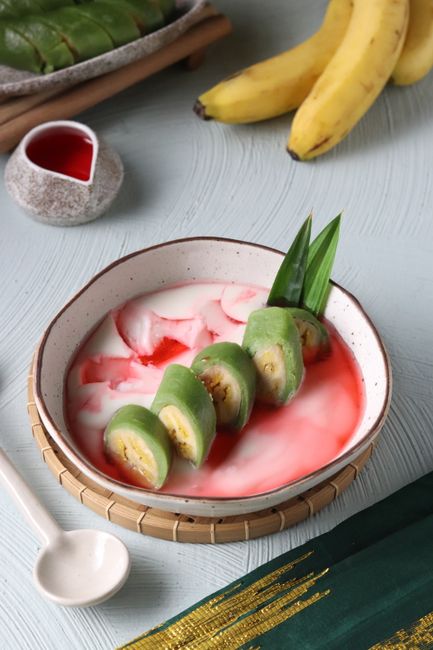
Nagasari is a quintessential Indonesian delicacy, a testament to the country’s rich culinary heritage, deeply rooted in the communal spirit and readily available natural ingredients. At its core, nagasari is a steamed cake, its foundation meticulously crafted from a harmonious blend of rice flour, coconut milk, and sugar, creating a custardy, slightly chewy texture. The magic truly unfolds with the inclusion of a ripe banana slice, strategically placed at the heart of each cake, its sweetness and soft texture offering a delightful counterpoint to the subtly flavored wrapper. This simple yet profound combination has cemented nagasari’s place as a beloved traditional snack, enjoyed across the archipelago and increasingly recognized on the global culinary stage. Its appeal lies not only in its delicious taste and satisfying texture but also in its accessibility, affordability, and the nostalgic comfort it evokes. The preparation, while seemingly straightforward, involves techniques that, when perfected, yield a dessert that is both elegant in its simplicity and deeply satisfying. Understanding nagasari requires appreciating the interplay of its key components and the cultural significance embedded within its creation and consumption.
The primary ingredients of nagasari are fundamental to its characteristic flavor and texture. Rice flour, the backbone of the cake, provides its characteristic slightly chewy and firm yet yielding consistency. It’s crucial to use good quality rice flour, often sourced from medium-grained rice, as it influences the final texture. The fat and richness come from fresh coconut milk, which imbues the batter with a subtle tropical aroma and a creamy mouthfeel. The sweetness is typically derived from granulated sugar, though some regional variations might incorporate palm sugar (gula merah) for a deeper, caramel-like flavor profile. The star of the show, however, is the banana. Ripe bananas, specifically varieties like pisang kepok or pisang raja, are preferred for their inherent sweetness, soft texture, and fragrant aroma. The ripeness is key; an underripe banana will be too firm and lack sweetness, while an overripe banana can make the filling mushy and overly sweet. The banana is usually sliced into rounds or lengthwise pieces, serving as a delightful surprise at the center of each nagasari. Beyond these core ingredients, a pinch of salt is often added to balance the sweetness and enhance the overall flavor. Some recipes may also include a touch of pandan extract or a fresh pandan leaf tied into a knot and steamed with the cakes to impart a distinct, fragrant aroma that is synonymous with Indonesian sweets. This aromatic element elevates the sensory experience of consuming nagasari.
The preparation of nagasari is a ritual, a process that highlights the importance of patience and attention to detail in achieving the perfect result. The rice flour, coconut milk, sugar, and salt are first combined to form a smooth batter. This mixture is then gently heated, often in a double boiler or over low heat, while continuously stirring. This step is critical for pre-cooking the rice flour, which gelatinizes it, creating the desired semi-solid, custardy texture once steamed. Overcooking can lead to a gummy consistency, while undercooking will result in a grainy texture. The batter should thicken to a point where it coats the back of a spoon, resembling a thick porridge. While the batter cools slightly, the banana slices are prepared. Traditional packaging is also a vital aspect of nagasari’s identity. Banana leaves are the quintessential wrapping material. They are softened by briefly passing them over a flame or dipping them in hot water, making them pliable and preventing them from tearing. Each leaf is typically cut into rectangular or square pieces, depending on the desired size of the nagasari. The cooled batter is then spooned onto a prepared banana leaf, followed by a slice of banana in the center, and then another spoonful of batter to encase the banana completely. The banana leaf is then carefully folded to create a neat, sealed package. Common folding techniques involve creating a pointed end or a simple rectangular wrap. This meticulous folding ensures that the nagasari retains its shape during steaming and prevents the batter from escaping.
The steaming process is the final transformative step in creating nagasari. The folded banana leaf parcels are arranged in a steamer, ensuring they are not overcrowded to allow for even cooking. The steamer should be preheated, and the nagasari are steamed over medium heat for approximately 20 to 30 minutes, or until the exterior appears firm and the texture is cooked through. The banana leaf imbues the nagasari with a subtle, earthy aroma and a characteristic green hue. Once steamed, the nagasari are typically allowed to cool completely before serving. This cooling period is important as the texture continues to set. While some prefer to enjoy nagasari warm, its texture is often considered optimal at room temperature or even chilled, offering a refreshing contrast. The banana leaf wrapping not only serves a practical purpose in containing the delicate cake but also contributes significantly to its overall sensory appeal, a practice common in many traditional Southeast Asian sweets. The aroma that is released when unwrapping a freshly steamed nagasari is part of the experience, a comforting and familiar scent.
Variations of nagasari abound across Indonesia, reflecting regional preferences and the availability of local ingredients. One notable variation is Nagasari Pisang Raja, which specifically uses the pisang raja variety, known for its intense sweetness and fragrant aroma. In some areas, particularly in Java, you might find nagasari enriched with a small amount of glutinous rice flour mixed with the regular rice flour. This addition contributes to a chewier, more mochi-like texture, a delightful contrast to the standard rice flour version. Another regional adaptation involves the type of sweetener used. While granulated sugar is common, some recipes opt for palm sugar (gula merah or gula aren), especially in regions where palm trees are prevalent. Palm sugar lends a richer, slightly smoky, and caramel-like sweetness, giving the nagasari a distinct flavor profile and a darker hue. The addition of spices like a hint of cardamom or cinnamon is also not unheard of in certain regional interpretations, though it deviates from the most traditional and widely recognized forms. Furthermore, some modern interpretations might incorporate other fruits or even savory elements, but these are generally considered departures from the classic nagasari. The presentation can also differ; while banana leaves are standard, some commercially produced versions might use plastic wrappers, losing some of the traditional aroma and aesthetic. The true essence of nagasari, however, remains firmly tied to its humble yet perfect combination of rice flour, coconut milk, banana, and the aromatic embrace of the banana leaf.
The cultural significance of nagasari extends beyond its deliciousness. It is a staple at Indonesian celebrations, from religious ceremonies and weddings to birthdays and local festivals. Its portability and ease of sharing make it an ideal treat for communal gatherings. Nagasari embodies the spirit of "gotong royong," the Indonesian concept of mutual cooperation and community. Often prepared in large batches by families or neighbors for special occasions, the process of making nagasari itself can be a communal activity. Its affordability also makes it accessible to people from all walks of life, reinforcing its status as a truly democratic dessert. In many households, the smell of nagasari steaming is associated with warmth, family, and festivity. It’s a snack that bridges generations, with older generations passing down their perfected recipes and techniques to younger ones. The act of gifting and sharing nagasari is a gesture of goodwill and hospitality. Its presence at a gathering signifies a celebration, a moment of joy to be shared. The banana leaf wrapping, a sustainable and biodegradable material, also speaks to Indonesia’s deep connection with nature and its traditional practices of utilizing natural resources. The simplicity of its ingredients and preparation underscores the beauty of Indonesian cuisine, which often relies on fresh, local produce to create dishes that are both comforting and sophisticated.
Nagasari’s appeal continues to grow, both domestically and internationally. Its gluten-free nature makes it an attractive option for individuals with gluten sensitivities. The natural sweetness and relatively simple ingredients also appeal to those seeking healthier dessert alternatives. Food bloggers and chefs have increasingly featured nagasari, introducing it to new audiences. Its delicate flavor profile, subtle sweetness, and satisfying texture have garnered appreciation from palates around the world. The visual appeal of the neatly wrapped parcels, often adorned with a fresh banana leaf, adds to its charm. As global interest in Indonesian cuisine expands, nagasari is poised to become a more widely recognized and beloved dessert. Efforts to preserve traditional recipes and techniques are crucial to ensure that this culinary heritage continues to thrive. Modern adaptations, while sometimes deviating from tradition, also contribute to its continued relevance and accessibility in a rapidly evolving culinary landscape. The inherent versatility of the core recipe allows for creative explorations, ensuring that nagasari can adapt to contemporary tastes while retaining its authentic spirit. The journey of nagasari from a humble village treat to a celebrated delicacy is a testament to the enduring power of simple, well-executed food and the rich tapestry of Indonesian culture.


