
Raspberry Jam Without Pectin

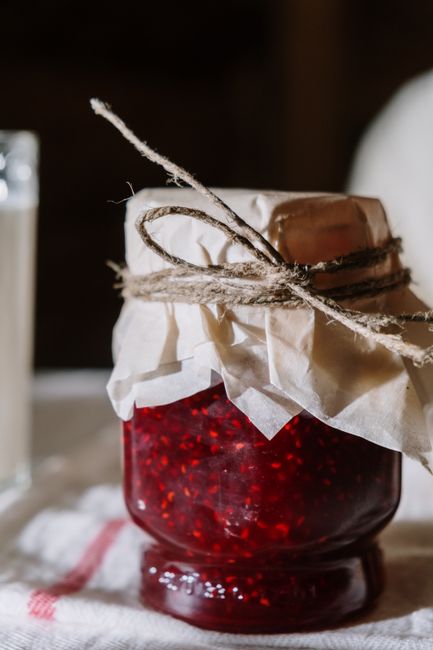
Raspberry Jam Without Pectin: A Guide to Pure, Natural Fruit Preserve
Creating raspberry jam without pectin relies on the inherent gelling properties of the fruit itself, primarily the natural pectin found in raspberries and the concentration of sugars and acids. This method yields a jam with a more delicate texture and a brighter, fresher fruit flavor compared to pectin-added versions. Achieving the right set without artificial or commercial pectin requires careful attention to the fruit’s ripeness, cooking time, and sugar-to-fruit ratio. The goal is to evaporate enough water to concentrate the fruit solids and sugars, allowing the natural pectin molecules to form a gel network as the jam cools. This process is both an art and a science, rewarding patience and attention to detail with a superior, all-natural preserve.
The cornerstone of successful pectin-free raspberry jam is selecting the right fruit. While very ripe raspberries will contribute more natural pectin and a softer texture, they can also lead to a jam that is too loose. Conversely, slightly underripe raspberries contain more pectin and will help achieve a firmer set but may result in a slightly tarter jam. A balanced approach is often best: a mix of ripe and slightly underripe berries. Look for raspberries that are plump, vibrantly colored, and just beginning to release their juices. Avoid any berries that show signs of mold or bruising, as these will compromise the quality and safety of the jam. Washing raspberries gently is crucial to remove any residual dirt or pesticides. Submerge them briefly in cool water and then drain them thoroughly in a colander. Excess water can dilute the jam and hinder the setting process.
The sugar content plays a pivotal role in the gelling of pectin-free jam. Sugar not only adds sweetness but also interacts with pectin and acids to create a stable gel. The general ratio for pectin-free jam is typically around 1:1 sugar to fruit by weight. However, this can be adjusted based on personal preference for sweetness and the natural sweetness of the raspberries. Using a high-quality granulated sugar is recommended. Avoid brown sugar or other sweeteners initially, as they can alter the color and flavor profile of the jam. The sugar acts as a preservative by inhibiting microbial growth, and its concentration is therefore critical for both texture and shelf life. As the sugar dissolves during cooking, it lowers the water activity, a key factor in preventing spoilage.
The cooking process is where the magic happens. A large, heavy-bottomed pot is essential to ensure even heat distribution and prevent scorching. Begin by combining the prepared raspberries and sugar in the pot. Gently stir to coat the berries. Allow the mixture to sit for about 30 minutes to an hour. This maceration period allows the sugar to draw out juices from the raspberries, initiating the breakdown of the fruit and the release of its natural pectin. Once the maceration is complete, place the pot over medium heat. Stir continuously, ensuring the sugar dissolves completely. As the mixture heats up, it will begin to release more liquid and foam. Skim off any foam that rises to the surface. This foam is primarily air and impurities and removing it results in a clearer, more attractive jam.
The critical stage of cooking is achieving the setting point. This is the point at which the jam has concentrated enough to gel. There are several reliable methods to test for the setting point. The most common is the wrinkle test. To perform the wrinkle test, place a small plate in the freezer before you begin cooking. Periodically, drop a small spoonful of the jam onto the chilled plate. Let it sit for a minute or two, then gently push the edge of the jam with your finger. If the surface of the jam wrinkles, it has reached its setting point. Another effective method is the temperature test. Pectin-free jam will typically reach its setting point at around 220°F (104°C) at sea level. A candy thermometer or a digital probe thermometer is essential for accurate readings. Be aware that altitude can affect boiling points, so adjustments may be necessary for those living at higher elevations. The jam should appear thickened and slightly syrupy when it’s close to setting.
The cooking time can vary significantly depending on the amount of jam, the heat of the stove, and the moisture content of the fruit. It can range from 20 minutes to over an hour. Patience is key. Resist the temptation to rush the process, as undercooking will result in runny jam, while overcooking can lead to a tough, caramelized, or even burnt flavor. It’s important to maintain a rolling boil during the setting phase, as this is what drives off the excess water. Stir frequently to prevent sticking and burning, especially as the jam thickens. The jam will continue to thicken as it cools, so it’s often better to err on the side of slightly undercooking than overcooking.
When the jam has reached its setting point, it’s time to remove it from the heat. Carefully ladle the hot jam into sterilized jars. Sterilizing jars and lids is a crucial step for long-term preservation. Jars can be sterilized by washing them in hot, soapy water, rinsing them thoroughly, and then placing them in a preheated oven at 250°F (120°C) for at least 15 minutes. Lids should be boiled in water for a few minutes before use. Fill the jars, leaving about 1/4 inch of headspace. Wipe the rims of the jars clean with a damp cloth to ensure a good seal. Apply the lids and screw on the bands fingertight.
The final step in the preservation process is processing the jars. For water bath canning, place the filled jars into a large pot or canner filled with enough water to cover the jars by at least one inch. Bring the water to a rolling boil and process the jars for the recommended time, typically 10 minutes for half-pint or pint jars. Adjust processing time for altitude. Once the processing time is complete, carefully remove the jars from the canner and let them cool on a wire rack undisturbed for 12-24 hours. You should hear the satisfying "pop" as the lids seal. If any lids do not seal, refrigerate the jam and consume it within a few weeks. Properly sealed jars of pectin-free raspberry jam can be stored in a cool, dark place for up to a year.
Understanding the science behind pectin-free jam making can demystify the process and lead to consistent, delicious results. Pectin is a complex carbohydrate, a polysaccharide, that forms a gel structure when heated with sugar and acid. In fruits, pectin exists in various forms, and its availability and gelling power are influenced by the fruit’s ripeness and pH. Raspberries, particularly those with a slight tartness (lower pH) and a moderate amount of natural pectin, are well-suited for pectin-free preparations. The role of sugar in jam making is multifaceted. Beyond sweetness, it acts as a humectant, binding water molecules and reducing their availability for microbial growth, thus acting as a preservative. Furthermore, sugar aids in the extraction and activation of pectin. The acid in the fruit, like citric acid in raspberries, is crucial for pectin’s gelling ability. It neutralizes the negative charges on pectin molecules, allowing them to link together and form a gel. Without sufficient acid, pectin cannot gel effectively, even with adequate sugar and pectin levels.
The texture of pectin-free raspberry jam is a key differentiator. It tends to be softer, more spreadable, and less gelatinous than commercially produced jams which often rely on added pectin for a firm, "jiggly" set. This delicate texture allows the vibrant, true flavor of the raspberries to shine through, unmasked by the firm gel structure. Some cooks prefer to strain the cooked raspberries to remove seeds, achieving an even smoother jam. This can be done by pressing the cooked mixture through a fine-mesh sieve. However, many appreciate the rustic charm and slightly chewy texture that the seeds impart. The choice is entirely personal. For those concerned about seed removal, a food mill can be an efficient tool for separating seeds from the pulp.
Troubleshooting common issues in pectin-free jam making is essential for aspiring preservers. The most frequent problem is jam that doesn’t set. This can be due to several factors: insufficient cooking time, too much liquid, or using fruit that is too ripe and has lost its natural pectin. If the jam is too runny after cooling, it can often be salvaged by recooking it. However, be cautious not to overcook, as this can lead to a darker color and a cooked flavor. Another issue can be crystallization, where sugar crystals form in the cooled jam. This is often caused by insufficient stirring during the initial heating phase, allowing sugar to sit on the bottom of the pot and caramelize, or by adding too much sugar. Using a high-quality sugar and ensuring it is fully dissolved before bringing the jam to a boil can help prevent this. Scorching is another concern, especially with thinner-bottomed pots. Constant stirring and maintaining a steady, medium heat are crucial to prevent the jam from sticking and burning.
The versatility of homemade raspberry jam without pectin extends far beyond toast. Its pure fruit flavor makes it an exceptional filling for cakes, tarts, and pastries. It can be swirled into yogurt or oatmeal, used as a glaze for grilled meats, or even incorporated into salad dressings for a sweet and tangy counterpoint. The bright, natural flavor is perfect for pairing with creamy cheeses on a charcuterie board or as a topping for ice cream and cheesecake. The absence of commercial pectin also makes it an excellent choice for those with dietary sensitivities or preferences seeking to avoid additives. Its vibrant color and intense raspberry aroma are a testament to the quality of the fruit and the care taken in its preparation, making it a cherished pantry staple and a delightful homemade gift.
For those seeking to enhance the natural pectin content of their raspberries, or to achieve a firmer set without commercial pectin, several natural methods exist. Lemon juice is a natural source of both pectin and acid, and adding a tablespoon or two to the raspberry mixture can significantly aid in the setting process. Apples, particularly tart varieties like Granny Smith, are also high in pectin and can be added to the jam in grated or pureed form. A common approach is to cook down some apple peel and cores in water to create a pectin-rich liquid, then strain this liquid and add it to the raspberry mixture. However, for a truly pure raspberry jam experience, relying solely on the fruit’s inherent properties, as outlined in the primary method, remains the most straightforward and authentic approach for achieving a delicious, pectin-free preserve. This method prioritizes the unadulterated essence of the raspberry, delivering a taste of summer in every spoonful.


