
Slow Cooker Short Ribs

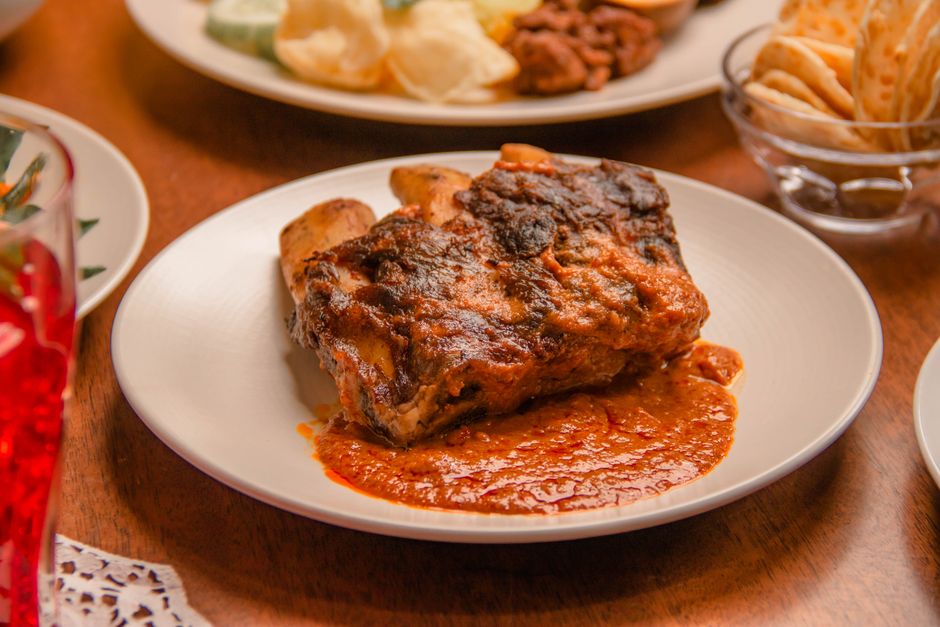
Slow Cooker Short Ribs: The Ultimate Guide to Tender, Flavorful Braised Beef
Slow cooker short ribs represent a pinnacle of comfort food, a testament to the transformative power of low and slow cooking. This method, ideal for tougher cuts of beef like short ribs, breaks down connective tissues, resulting in impossibly tender, melt-in-your-mouth meat infused with rich, savory flavors. The inherent marbling of short ribs ensures a succulent outcome, making them a forgiving and rewarding dish for home cooks of all skill levels. The beauty of slow cooker short ribs lies in their hands-off nature; a few simple steps in the morning can yield a spectacular dinner by evening, minimizing active cooking time while maximizing depth of flavor. This guide will delve into every aspect of creating perfect slow cooker short ribs, from selecting the right cut to achieving a restaurant-quality finish, ensuring your culinary endeavors are met with resounding success and consistently delicious results.
Understanding Short Ribs: The Foundation of Flavor
The success of slow cooker short ribs hinges on a thorough understanding of the cut itself. Short ribs are derived from the chuck primal, specifically from the plate section of the steer. This area is known for its abundance of connective tissue and intramuscular fat (marbling). It is precisely these characteristics that make short ribs ideal for slow, moist cooking methods like braising. The collagen within the connective tissue gradually breaks down into gelatin during the extended cooking process, contributing to the dish’s luxurious mouthfeel and rich, unctuous sauce. There are two primary types of short ribs commonly available: English-cut and Flanken-cut. English-cut short ribs, also known as bone-in short ribs, are cut across the bone, presenting a thick, meaty portion with a bone attached. This is generally the preferred cut for slow cooking due to its substantial meat-to-bone ratio and superior flavor imparted by the bone marrow. Flanken-cut short ribs are cut parallel to the bone, resulting in thinner, layered strips of meat. While they can be used in a slow cooker, they tend to cook faster and may not achieve the same level of fall-apart tenderness as English-cut ribs. For optimal results in a slow cooker, opt for well-marbled, bone-in English-cut short ribs, ideally about 1.5 to 2 inches thick. Look for a good balance of meat and fat, as this will directly translate to tenderness and flavor.
The Art of Searing: Building a Flavor Base
While the slow cooker does the heavy lifting of tenderizing, the initial searing of the short ribs is a crucial step that cannot be overlooked. This process, often referred to as the Maillard reaction, is responsible for developing a deep, complex flavor base and a visually appealing crust on the meat. Searing creates hundreds of new flavor compounds that will then meld into the braising liquid, imbuing the entire dish with a richer, more profound taste profile. To properly sear short ribs, begin by patting them thoroughly dry with paper towels. Moisture on the surface will steam the meat rather than sear it, hindering the development of a proper crust. Heat a generous amount of high-smoke-point oil, such as canola, vegetable, or avocado oil, in a heavy-bottomed skillet or Dutch oven over medium-high heat until it shimmers. Carefully place the short ribs in the hot oil, ensuring not to overcrowd the pan, as this will also lead to steaming. Sear each side for 3-5 minutes, or until a deep, golden-brown crust has formed. This process should be done in batches to maintain optimal pan temperature. Once seared, remove the ribs from the skillet and set them aside. The browned bits (fond) left in the bottom of the pan are packed with flavor and will be essential for deglazing and creating the braising liquid.
Crafting the Braising Liquid: The Symphony of Savors
The braising liquid is where the magic truly happens, transforming simple ingredients into a deeply flavorful sauce that complements and enhances the tender short ribs. A well-balanced braising liquid will consist of several key components: aromatics, liquid, and seasoning. Begin by sautéing the aromatics in the same skillet where the ribs were seared, utilizing the flavorful fond. Common aromatics include chopped onions, carrots, and celery (mirepoix), which provide a foundational sweetness and depth. Garlic, minced or roughly chopped, adds pungency and complexity. After the aromatics have softened and begun to caramelize, it’s time to deglaze. This involves adding a liquid, typically red wine, to the hot pan and scraping up all the browned bits from the bottom. Red wine, such as Cabernet Sauvignon, Merlot, or Pinot Noir, is a classic choice for short ribs, its tannins and acidity cutting through the richness of the beef and contributing to a sophisticated flavor profile. If alcohol is a concern, beef broth or a combination of beef broth and balsamic vinegar can be used as substitutes. Following the deglazing, introduce the remaining braising liquid. This often includes beef broth, which adds a savory backbone to the sauce. Other additions can include tomato paste for umami and color, Worcestershire sauce for a salty tang, and herbs like bay leaves and fresh thyme or rosemary for aromatic complexity. The liquid should come up to at least two-thirds of the way up the short ribs in the slow cooker, ensuring they are partially submerged for optimal braising.
Slow Cooker Assembly: The Hands-Off Approach
Once the searing and braising liquid preparation are complete, it’s time to assemble the dish in the slow cooker. Carefully place the seared short ribs into the insert of your slow cooker, ensuring they are arranged in a single layer as much as possible. Pour the prepared braising liquid over the short ribs, ensuring they are adequately submerged. If the liquid level is insufficient, top it up with additional beef broth or water. Add any fresh herbs or spices, such as bay leaves or sprigs of thyme, directly into the liquid. Cover the slow cooker with its lid, ensuring a tight seal. This is crucial for maintaining consistent cooking temperature and preventing moisture from escaping. The ideal cooking time for slow cooker short ribs is typically between 6 to 8 hours on the LOW setting, or 4 to 5 hours on the HIGH setting. The exact time will vary depending on the size and thickness of the short ribs, as well as the specific make and model of your slow cooker. The goal is to achieve fork-tender meat that easily pulls away from the bone. It is advisable to check for doneness after the minimum recommended time and continue cooking if necessary. Avoid lifting the lid frequently, as this can prolong cooking time.
Achieving Perfect Tenderness and Flavor: The Cooking Process
The low and slow cooking environment of the slow cooker is the key to unlocking the inherent tenderness of short ribs. During this extended period, the collagen in the connective tissues gradually transforms into gelatin, a rich, mouth-coating substance that makes the meat incredibly succulent and fall-apart tender. The moist heat of the slow cooker also prevents the meat from drying out, a common pitfall when cooking tougher cuts. As the ribs braise, the flavors from the searing process and the braising liquid meld and deepen, creating an incredibly complex and satisfying taste. The rendered fat from the short ribs will also contribute to the richness of the sauce. For optimal flavor development and tenderness, it is generally recommended to cook on the LOW setting. While HIGH can be used for a quicker meal, it can sometimes result in slightly less tender meat and a less nuanced flavor profile. The key is patience; allow the slow cooker to do its work without rushing the process. The visual cues of perfectly cooked short ribs are undeniable: the meat should be easily pierced with a fork, and the muscle fibers should be visibly separated, almost disintegrating. The aroma filling your kitchen will be rich and inviting, a testament to the deliciousness that awaits.
Finishing Touches and Sauce Enrichment: Elevating the Dish
Once the short ribs have reached optimal tenderness, the braising liquid will have transformed into a flavorful jus. However, a few finishing touches can elevate this sauce from delicious to extraordinary. Carefully remove the short ribs from the slow cooker and set them aside on a plate, covering them loosely with foil to keep them warm. The braising liquid remaining in the slow cooker insert will likely contain a significant amount of fat. To achieve a cleaner, more concentrated sauce, it is recommended to skim off this excess fat. A fat separator or a large spoon can be used for this purpose. For an even richer and more velvety sauce, you can reduce the remaining liquid. Pour the skimmed braising liquid into a saucepan and simmer it over medium-high heat until it has thickened to your desired consistency. This process concentrates the flavors and reduces the liquid volume. Alternatively, for a quicker thickening, you can create a slurry by whisking together equal parts cornstarch and cold water, then gradually whisking it into the simmering braising liquid until thickened. Season the sauce with salt and freshly ground black pepper to taste, adjusting as needed. A final touch of fresh herbs, such as finely chopped parsley or chives, can add a burst of freshness and visual appeal. Some recipes also suggest adding a splash of balsamic vinegar or a knob of butter to the sauce for added richness and gloss.
Serving Suggestions: Complementary Pairings
Slow cooker short ribs are incredibly versatile and can be served with a variety of classic accompaniments that complement their rich, savory flavors. Creamy mashed potatoes are a timeless pairing, their smooth texture and subtle sweetness providing a perfect canvas for the tender ribs and luscious sauce. Polenta, whether creamy or grilled, also offers a delightful textural contrast and absorbs the flavorful jus beautifully. For a lighter option, consider serving over a bed of fluffy white or brown rice, or even a simple quinoa. Roasted vegetables, such as Brussels sprouts, carrots, or asparagus, add color, texture, and a touch of freshness to the plate. A crusty baguette is essential for sopping up every last drop of the delectable sauce. If you’re looking for a more substantial side, consider a simple green salad with a vinaigrette to cut through the richness of the short ribs. The braising liquid, when reduced and seasoned, can be spooned generously over the ribs and their accompaniment, ensuring every bite is infused with flavor. For a truly elegant presentation, you can remove the meat from the bone before serving, though many prefer the rustic appeal of bone-in ribs.
Troubleshooting Common Issues:
Even with the forgiving nature of slow cooking, occasional issues can arise. If your short ribs are not as tender as expected, they may simply need more cooking time. Reassemble the slow cooker and continue cooking on LOW until the desired tenderness is achieved. Ensure you are not opening the lid too frequently, as this can significantly increase cooking time. If the braising liquid is too thin, reduce it further by simmering in a saucepan as described earlier, or use a cornstarch slurry for a quicker thickening. Conversely, if the sauce becomes too thick, you can thin it out with a bit of beef broth or water. If the flavor seems lacking, consider adding additional seasonings like more Worcestershire sauce, a pinch of smoked paprika, or a touch of soy sauce. Over-salting can be rectified by adding more unsalted liquid (broth or water) and allowing it to simmer to reduce and re-concentrate the flavors. Undersalted dishes can be easily remedied by adding salt and pepper incrementally until the desired flavor balance is achieved. Always taste and adjust seasonings throughout the finishing process.
Nutritional Considerations and Variations:
Slow cooker short ribs are a rich source of protein and iron. Due to the marbling of the meat and the nature of braising, they can also be high in fat. For a slightly leaner version, you can opt for less fatty cuts or trim excess visible fat before searing. Skimming the fat from the braising liquid also significantly reduces the fat content of the final sauce. For those seeking healthier alternatives to traditional accompaniments, consider cauliflower mash as a lower-carbohydrate substitute for mashed potatoes, or serve with a large portion of roasted or steamed vegetables. Flavor variations are nearly endless. Consider adding ingredients like mushrooms, pearl onions, or even a touch of dark chocolate to the braising liquid for added depth and complexity. A hint of chili flakes or a dash of hot sauce can introduce a subtle warmth. For a more international twist, explore incorporating ingredients like ginger, star anise, or a splash of soy sauce into the braising liquid. The beauty of slow cooker short ribs lies in their adaptability to a wide range of flavor profiles, allowing for endless culinary exploration and personalized creations.


