Sourdough Pumpkin Bagels: A Deep Dive into Artisanal Fermentation and Seasonal Baking Techniques

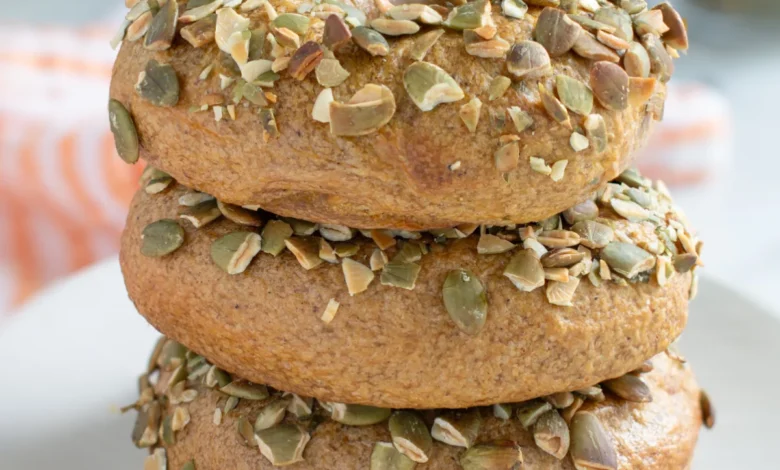
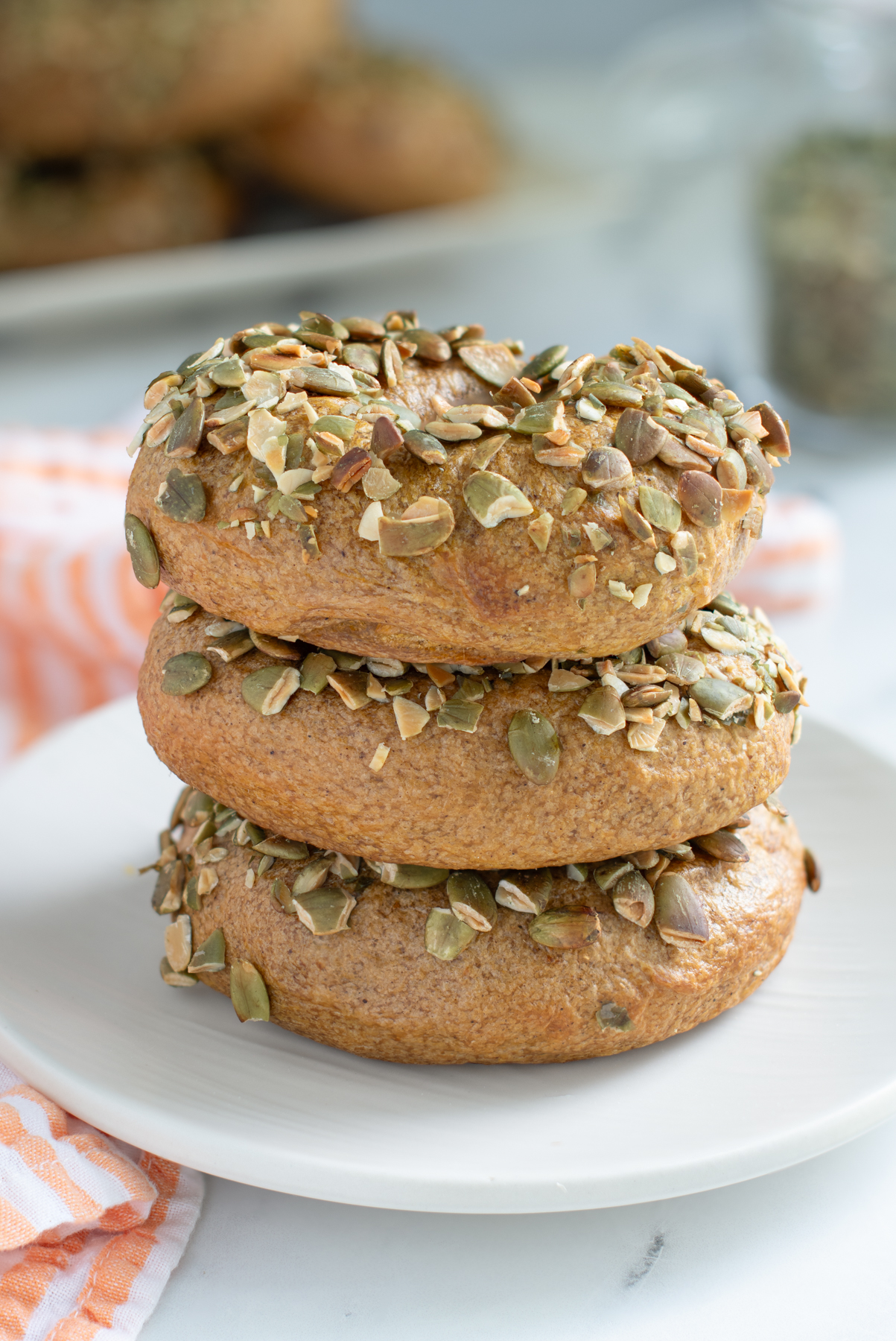
The resurgence of traditional sourdough baking has moved beyond the standard boule, evolving into a complex craft that now encompasses seasonal specialty items such as the sourdough pumpkin bagel. Unlike mass-produced bagels that rely on commercial yeast and rapid fermentation, these artisanal products utilize the biological activity of wild yeast and lactic acid bacteria found in active sourdough starters. By integrating real pumpkin puree and warming spices into a New York-style dough structure, bakers are exploring the intersection of traditional fermentation science and seasonal culinary trends. This development marks a significant shift in home and professional baking, where the focus has pivoted toward long-duration, high-hydration processes that prioritize gut health, depth of flavor, and artisanal quality.
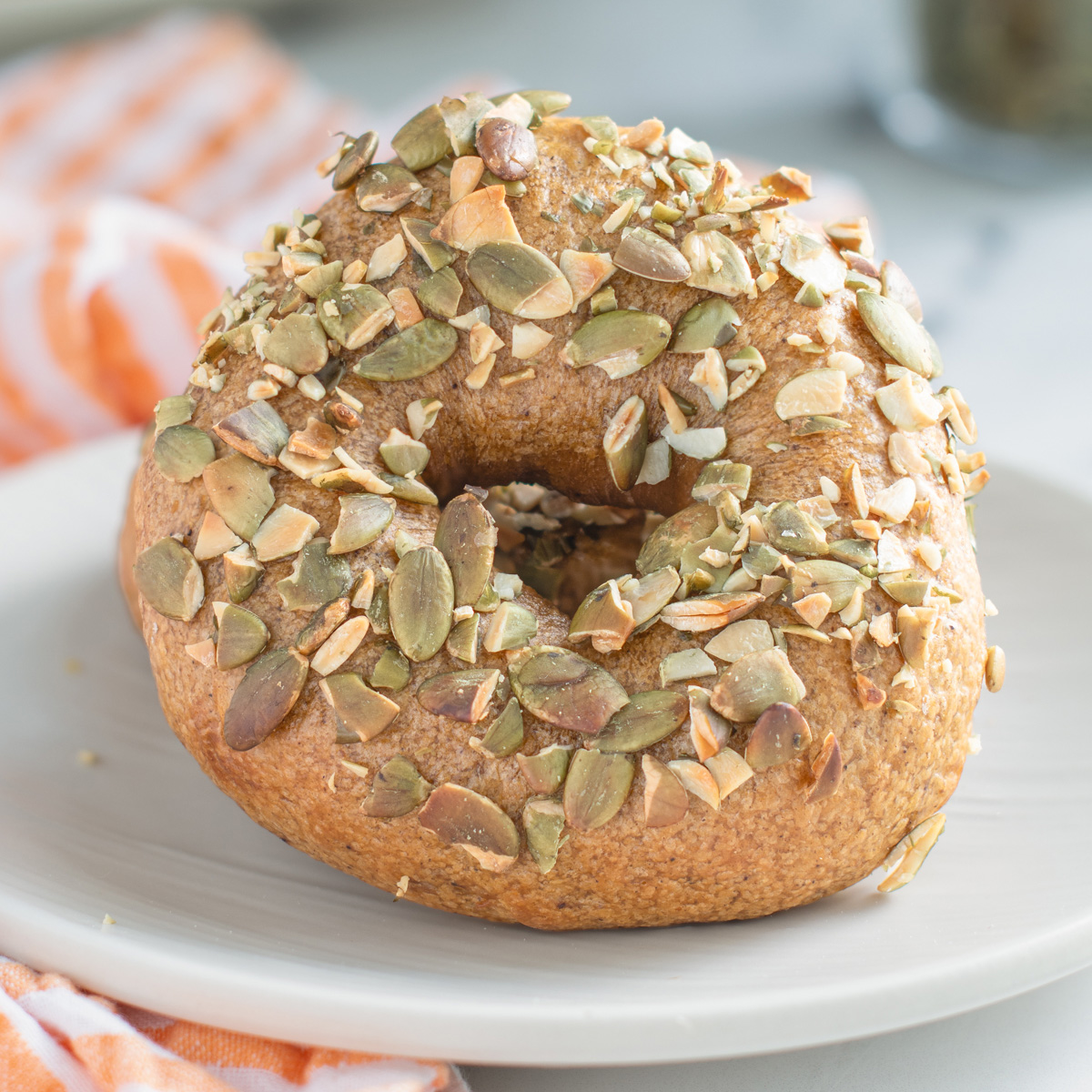
The Science of Enriched Sourdough Fermentation
At the core of the sourdough pumpkin bagel is the biological interaction between the starter’s microflora and the added ingredients. Enriched doughs—those containing fats, sugars, or vegetable purees—behave differently than traditional lean doughs. Pumpkin, while providing moisture and a characteristic orange hue, also introduces natural sugars and fiber that alter the dough’s rheology.
In professional baking environments, the challenge lies in maintaining the structural integrity of the bagel’s "chew" while incorporating the softening effects of the pumpkin. Scientific observations suggest that the inclusion of barley malt syrup—a common staple in New York-style bagel production—alongside the pumpkin can slow down the yeast activity. Consequently, bakers must extend bulk fermentation times. This extended fermentation is not merely a logistical necessity; it is a critical component for flavor development. During this time, the organic acids produced by the lactic acid bacteria break down starches and proteins, leading to a more complex flavor profile that characterizes high-end sourdough products.
Chronology of the Two-Day Production Process
The production of sourdough-based bagels is a precise, time-sensitive endeavor, typically spanning approximately 30 to 36 hours from the initial feeding of the starter to the final bake.
- Starter Activation (Evening, Day 1): The process begins with the maintenance of the sourdough mother. A vigorous, active starter is required to ensure sufficient leavening power for the denser bagel dough.
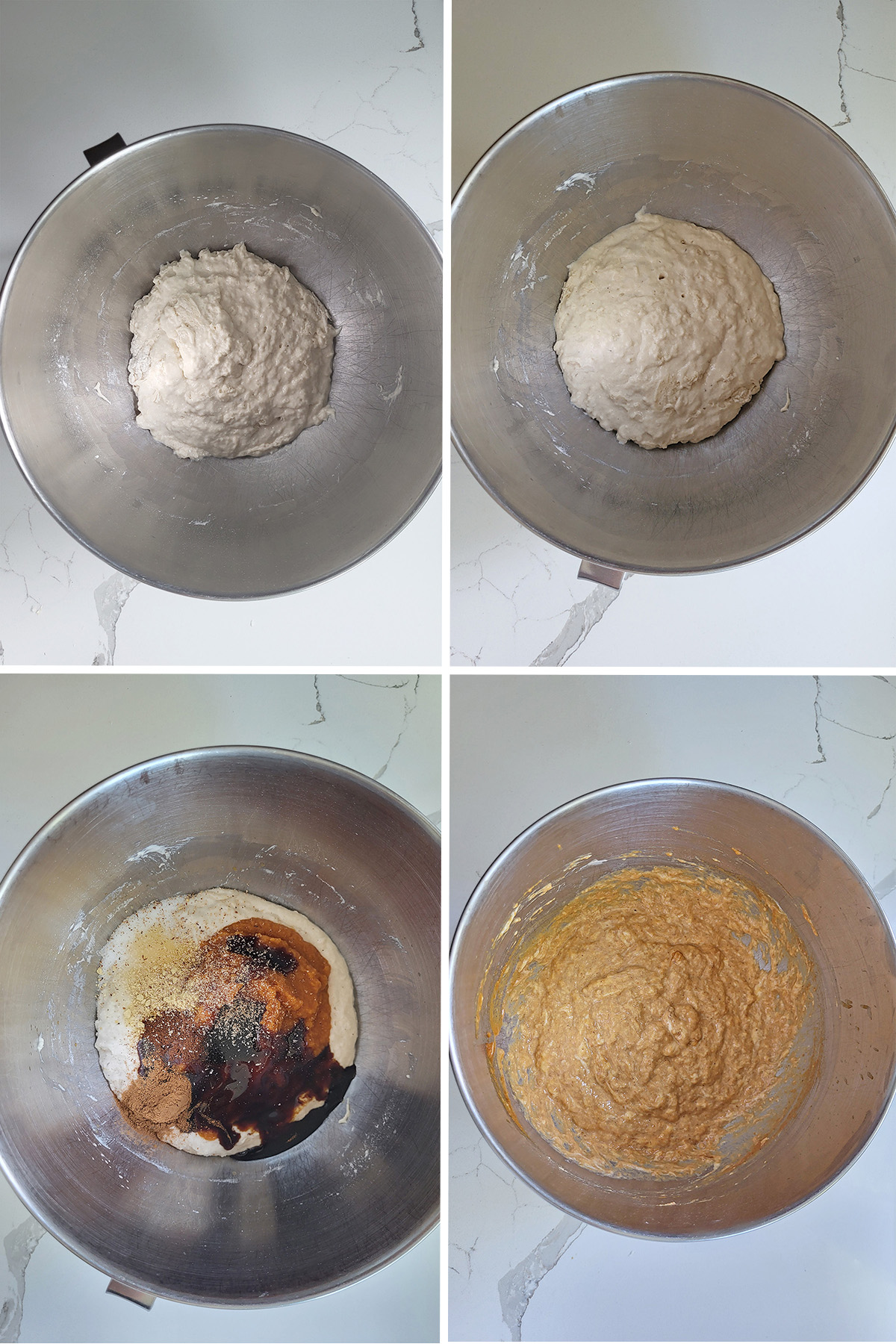
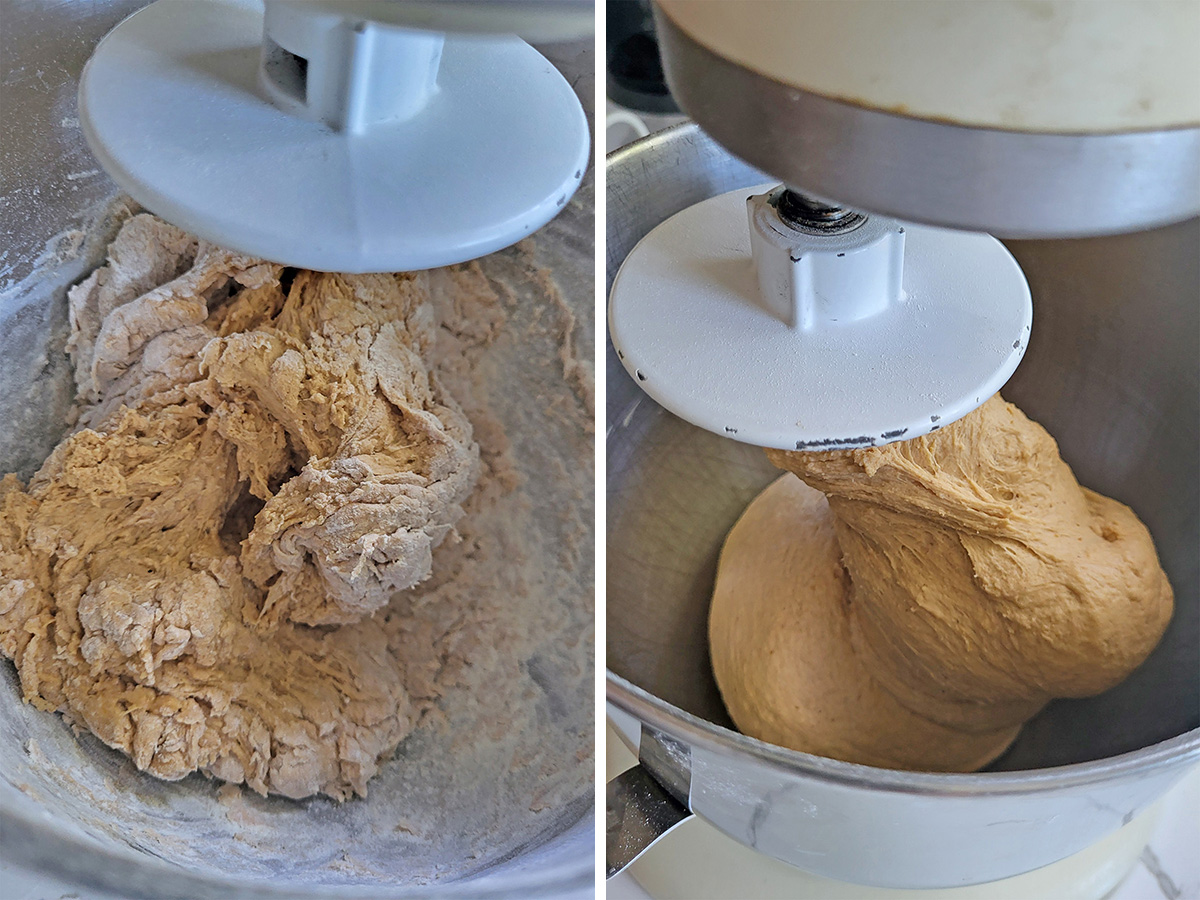
- Mixing and Autolyse (Morning, Day 2): Ingredients are combined, usually involving high-protein bread flour to achieve the desired gluten network. The incorporation of pumpkin puree must be managed to ensure it does not compromise the elasticity of the gluten strands.
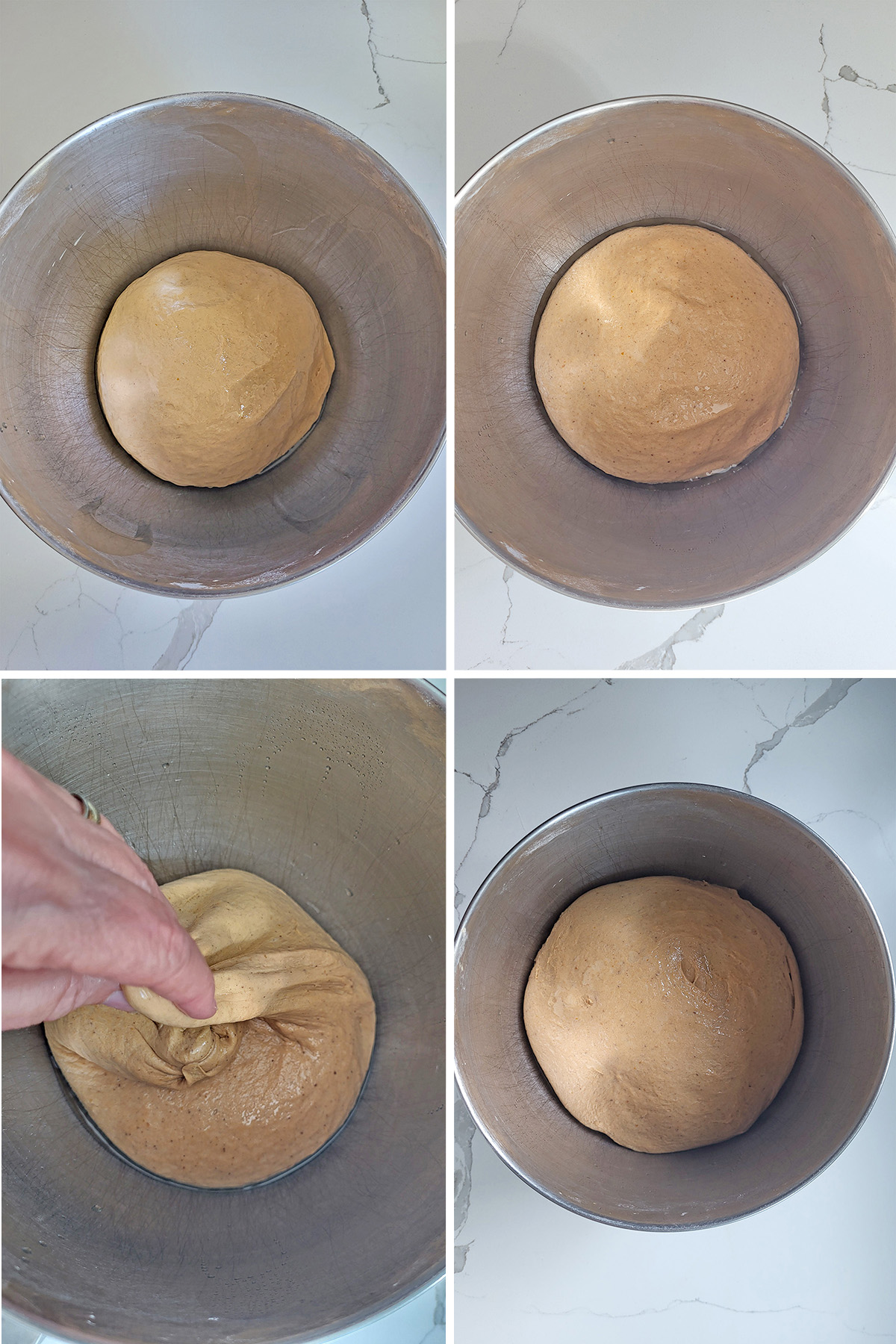
- Bulk Fermentation: The dough undergoes a period of rest, where folding techniques are employed to strengthen the structure. Because enriched doughs ferment more slowly, this stage is often monitored based on visual cues—such as a 50% to 75% increase in volume—rather than a strict time limit.
- Shaping and Cold Retardation: Once portioned and shaped, the bagels are typically subjected to a "cold proof" in a refrigerated environment. This stage, lasting between 12 and 24 hours, is essential for the "New York style" characteristic, as it allows for the slow accumulation of sourdough-derived organic acids, which create the signature tangy flavor.
- Boiling and Baking (Day 3): The final stage involves a brief boil in water—often treated with malt syrup or honey—to gelatinize the exterior starch, ensuring a shiny, chewy crust. The baking process at high temperatures (typically 425°F to 450°F) completes the transformation.
Nutritional Profile and Dietary Implications
From a nutritional standpoint, the transition to sourdough-based bagels represents a departure from the glycemic impact of conventional bread. The fermentation process is known to partially degrade phytic acid, an anti-nutrient found in grains that can inhibit the absorption of minerals like iron, zinc, and calcium.
Analysis of a standard sourdough pumpkin bagel reveals a calorie count of approximately 330 kcal, with a notable protein content of 11 grams per serving. This is largely attributed to the use of high-protein flour. While the sugar content—averaging 9 grams—is higher than a traditional plain bagel due to the pumpkin and added syrups, the presence of fiber (3 grams) and the complex carbohydrates inherent in long-fermented doughs offer a more sustained energy release. Health professionals often highlight that sourdough fermentation can make gluten proteins more accessible for digestion, although it is important to note that these products are not gluten-free and are not suitable for individuals with celiac disease.
The Role of Ingredient Quality in Artisanal Baking
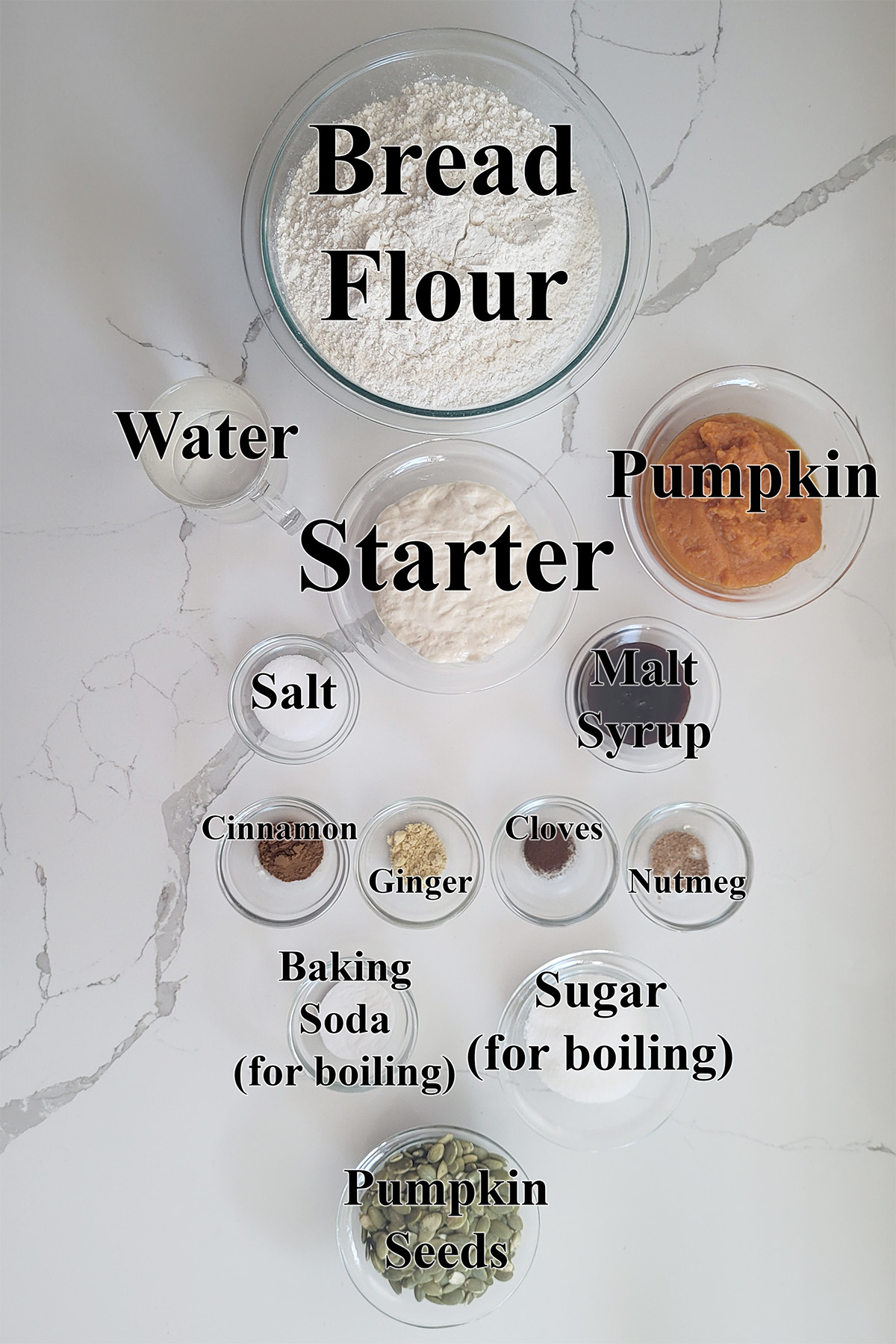
The rise of the "gourmet bagel" market has forced a shift in supply chain expectations. Bakers now emphasize the quality of their pumpkin puree—seeking high-density, low-moisture varieties—and the source of their barley malt syrup. The latter is a non-negotiable component for those seeking an authentic New York-style result, as it provides the specific enzymatic activity required to produce the characteristic deep-brown, glossy crust that consumers demand.
The use of specific spices, such as cinnamon, nutmeg, and cloves, must be carefully balanced. In a professional formulation, these are added in concentrations that complement the earthiness of the pumpkin without overpowering the delicate, acidic notes provided by the sourdough starter. This balance is what separates high-quality artisanal offerings from commercial "pumpkin spice" products, which are often criticized for their reliance on artificial flavorings rather than the botanical depth of real pumpkin.
Broader Market Impact and Consumer Trends
The increasing popularity of sourdough pumpkin bagels is symptomatic of a broader trend in consumer behavior: a desire for transparency and "slow food" production methods. Market analysts note that sales of sourdough-based baked goods have seen a consistent upward trajectory, driven by both the post-2020 home-baking boom and a growing interest in artisanal food retail.
Retailers and cafes that have incorporated these items into their seasonal menus report high customer engagement. The two-day production cycle, while labor-intensive, creates a product that justifies a premium price point. This allows small-scale bakeries to compete effectively against larger industrial chains by offering products that are not only fresher but also possess the distinct sensory qualities that cannot be replicated in a factory setting.
Future Perspectives in Fermentation Technology
As the industry moves forward, the focus is likely to remain on refining fermentation variables. Research into the specific wild yeast strains that thrive in pumpkin-enriched environments is currently limited but growing. By better understanding how specific microbial populations affect the structural integrity of dough containing high-moisture vegetables, bakers may soon be able to produce even more complex and nutritionally dense varieties.
Ultimately, the sourdough pumpkin bagel stands as a testament to the versatility of ancient baking techniques when applied to modern seasonal tastes. It bridges the gap between historical necessity—the use of wild yeast for leavening—and contemporary culinary innovation. Whether produced in a professional kitchen or a home environment, the process remains a discipline of patience, relying on the predictable yet nuanced behavior of natural fermentation to produce a staple that is as technically impressive as it is seasonally relevant.