The rise of Mediterranean-style plant-forward nutrition has transitioned from niche dietary preference to a mainstream culinary standard, with simple, nutrient-dense dishes like Hummus Toast with Roasted Cherry Tomatoes and Red Onion leading the charge in modern home kitchens. This dish serves as a practical intersection of accessibility and health, utilizing staple ingredients such as chickpeas, whole grains, and seasonal vegetables. By elevating the humble slice of toast through the application of high-heat roasting techniques, home cooks are increasingly adopting this recipe as a versatile solution for breakfast, lunch, or light evening meals.
Culinary Methodology and Preparation
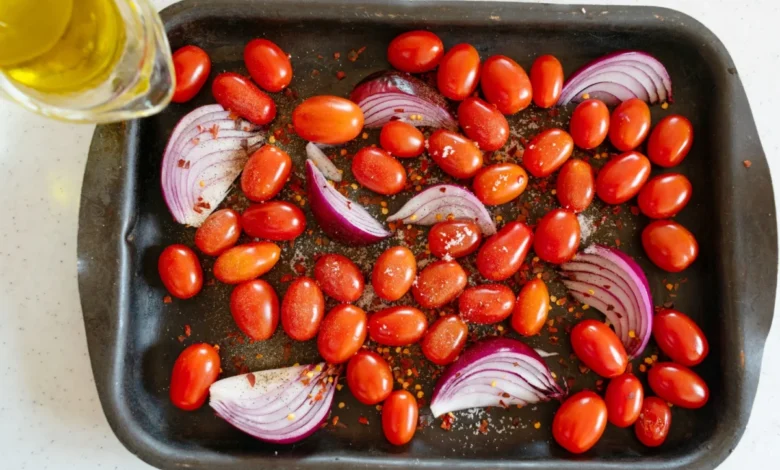
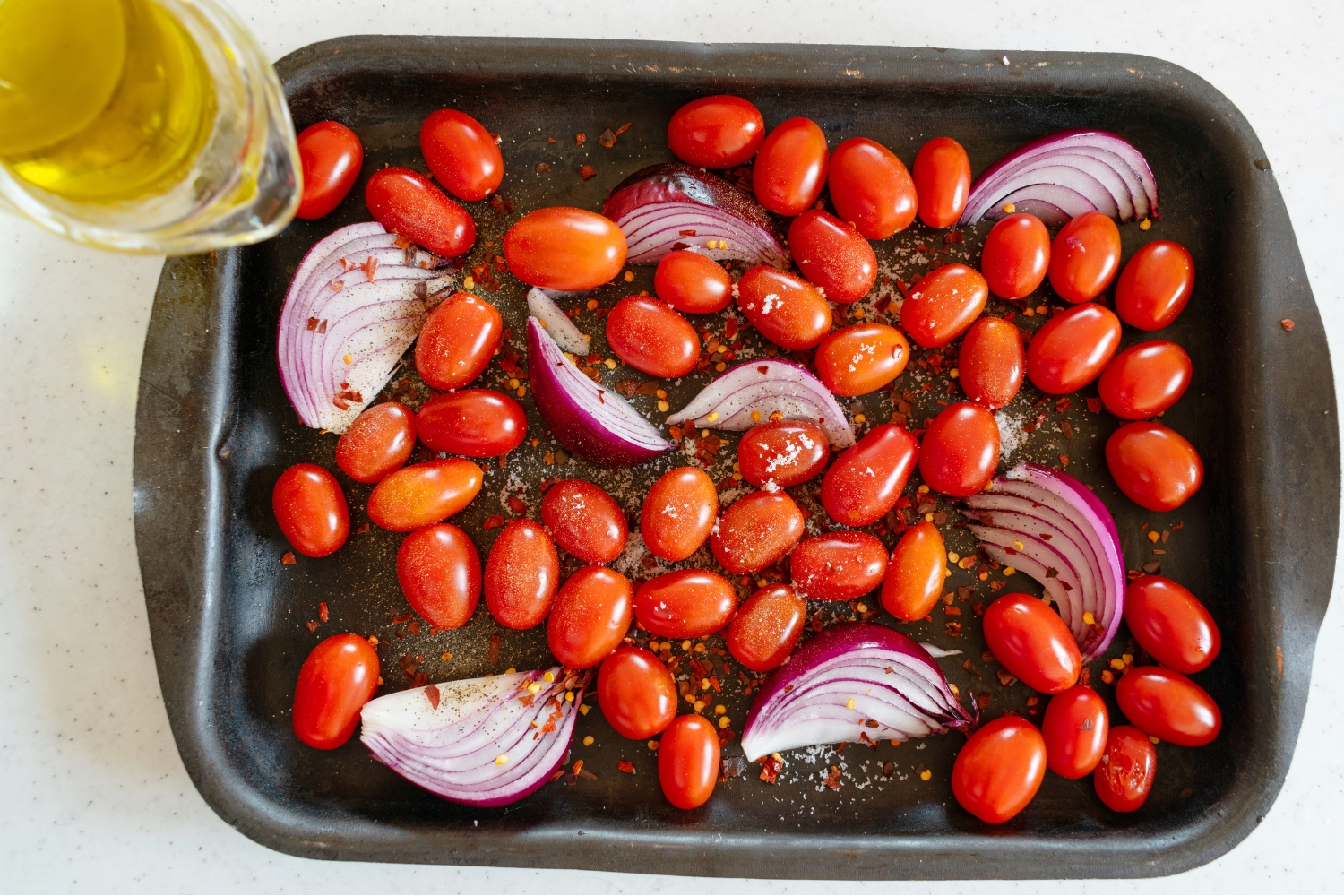
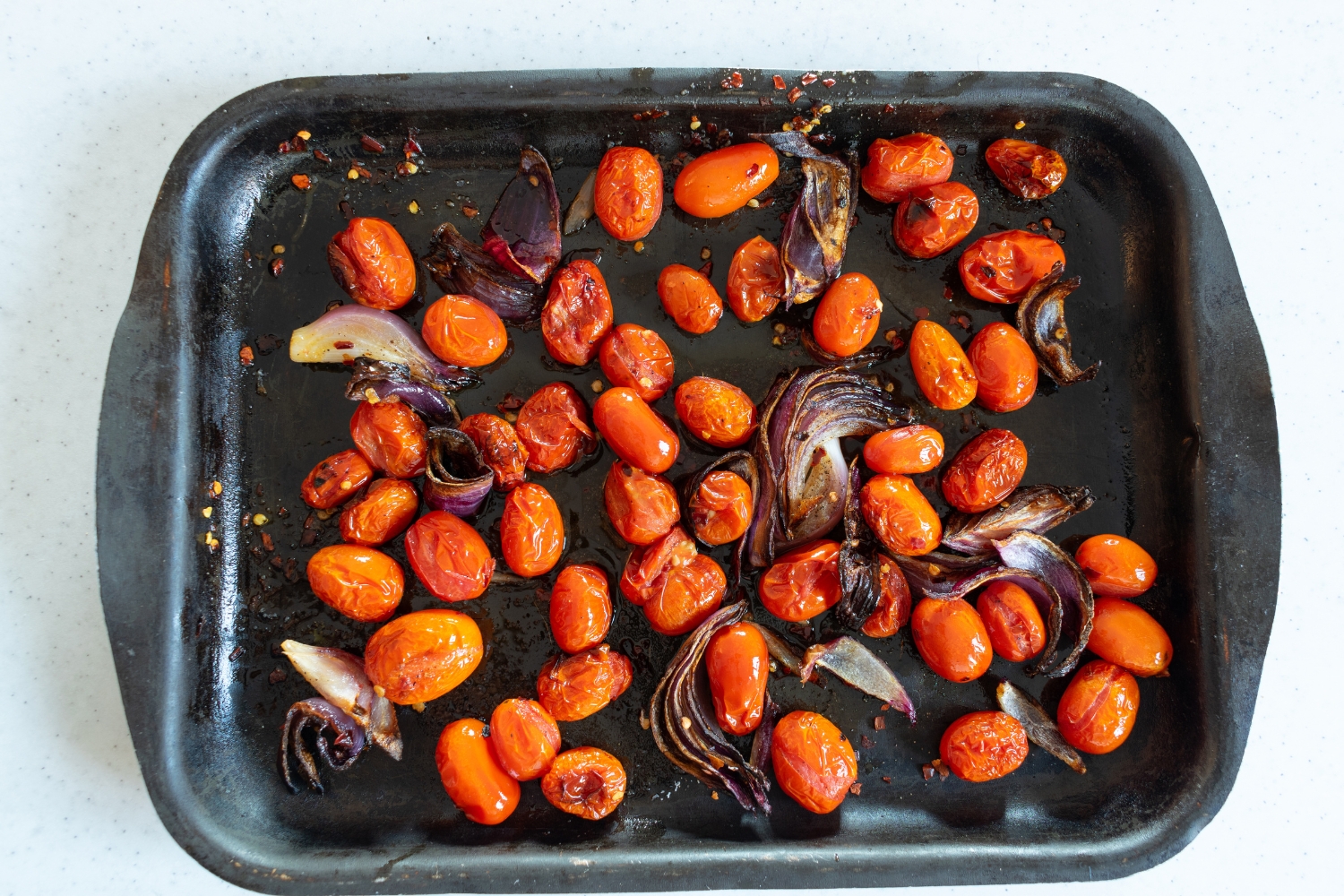
The preparation of this dish hinges on the Maillard reaction—a chemical process that occurs when proteins and sugars in food are exposed to high heat, resulting in complex flavors and browned surfaces. To achieve the signature flavor profile of this dish, cherry tomatoes and red onion wedges are tossed in extra virgin olive oil, red pepper flakes, sea salt, and freshly ground black pepper. The vegetables are then roasted at 450°F for approximately 20 to 25 minutes.
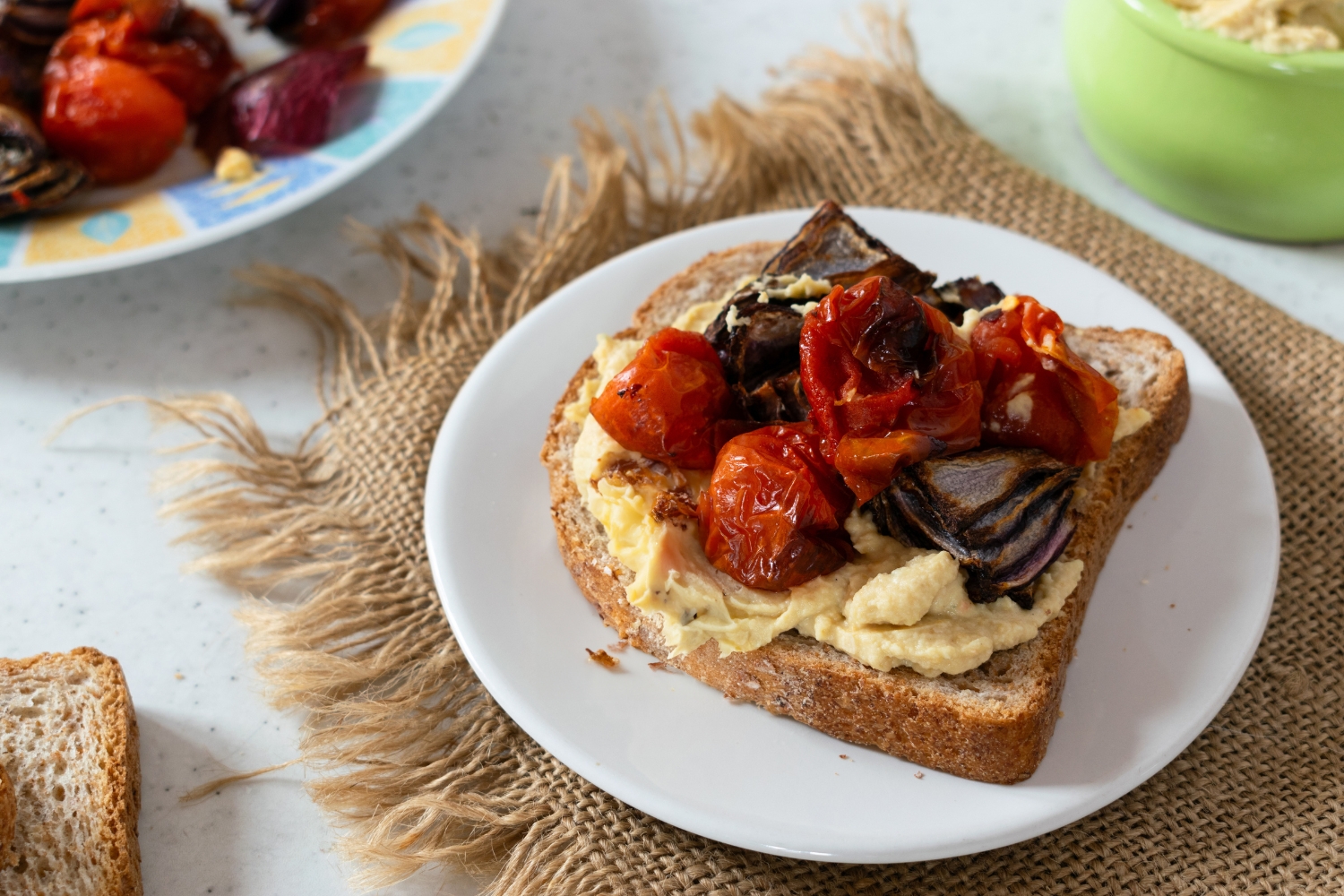
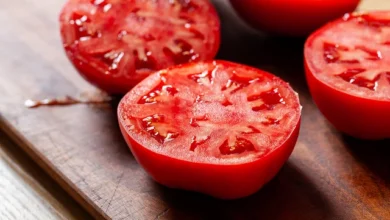
The specific selection of ingredients is not incidental. The roasting process is essential for the cherry tomatoes, which transition from a raw state to a concentrated, jam-like consistency as they burst and caramelize. Simultaneously, the red onions undergo a transformation that reduces their sharp, sulfurous bite, replacing it with a mellowed, natural sweetness that complements the earthy, protein-rich foundation of the hummus. When layered upon a piece of toasted, sturdy whole grain bread, these components create a textural contrast between the crunchy base, the creamy spread, and the blistered, juicy vegetable topping.
Chronology and Efficiency in Modern Cooking
A significant factor in the growing popularity of this dish is its compatibility with "batch cooking" or "meal prepping," a practice increasingly utilized by time-constrained consumers. The roasted vegetable component can be prepared in large quantities during a weekend session and stored in an airtight container under refrigeration for up to four days.
This chronological efficiency allows for rapid assembly during the workweek. According to culinary experts, the logistical steps for the assembly phase follow a specific order to maintain structural integrity:
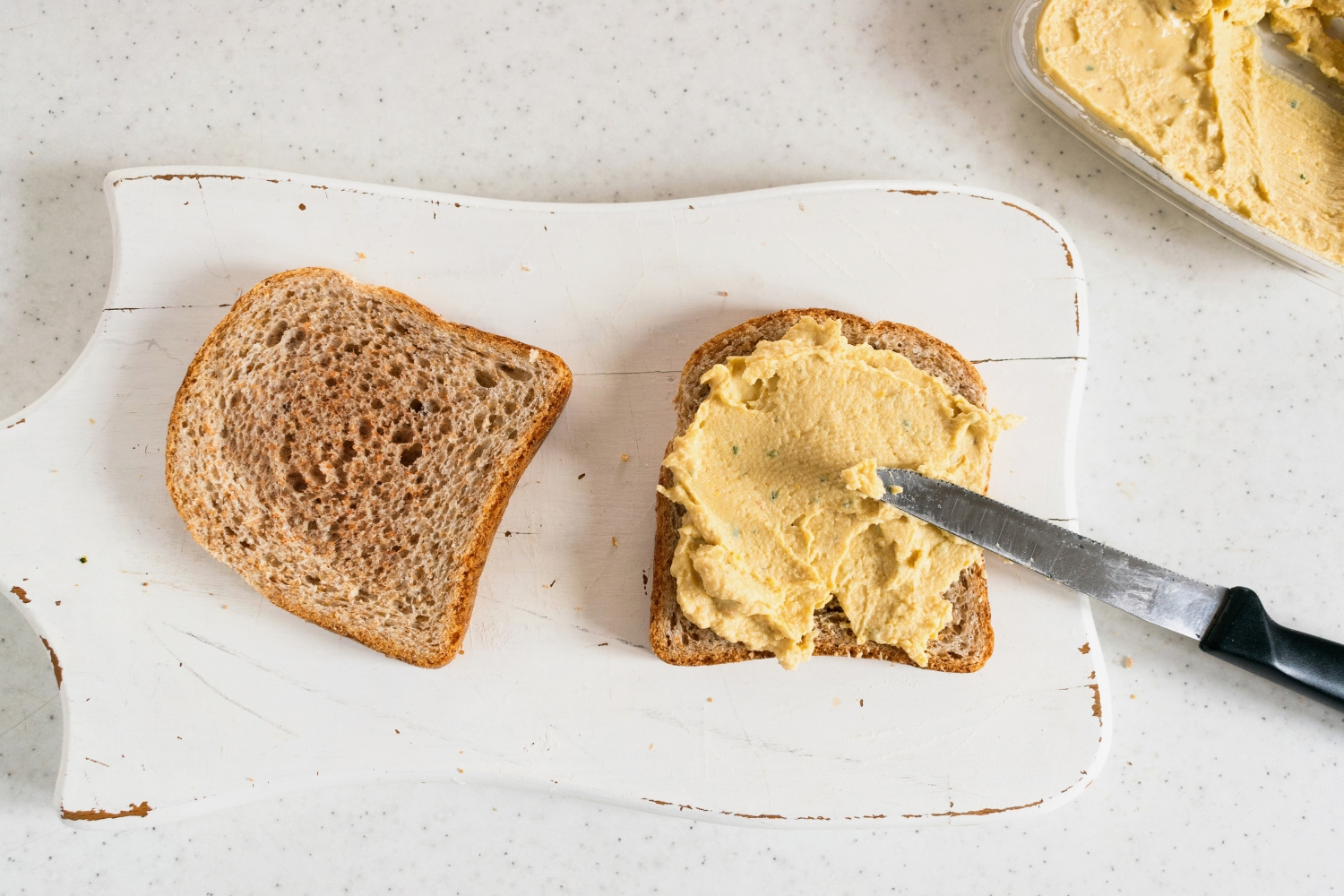
- Toasting: The whole grain bread is toasted to a level of crispness that provides a stable substrate for moisture-heavy ingredients.
- Base Layer: Three tablespoons of hummus are spread evenly to seal the pores of the bread.
- Application: Approximately one-quarter cup of the chilled or room-temperature roasted mixture is distributed over the hummus.
- Service: The dish is served immediately to prevent the bread from absorbing excess moisture and losing its structural crunch.
Nutritional Analysis and Health Implications
From a clinical nutrition perspective, the dish provides a balanced distribution of macronutrients. Chickpeas, the primary ingredient in hummus, serve as a potent source of plant-based protein and dietary fiber. Dietary guidelines, such as those provided by the Mediterranean Diet pyramid, emphasize the importance of legumes as a foundational protein source to reduce reliance on processed meats.
Data regarding the micronutrient profile of the dish highlights the inclusion of lycopene—a powerful antioxidant found in high concentrations in cooked tomatoes—as well as potassium and Vitamin C. Furthermore, the use of extra virgin olive oil introduces monounsaturated fatty acids, which have been consistently linked in cardiovascular studies to improved cholesterol profiles and reduced inflammation. By substituting refined carbohydrates with whole grain bread, the glycemic index of the meal is lowered, providing more sustained energy release throughout the day.
Broader Impact: The Shift Toward Plant-Forward Diets
The adoption of such recipes reflects a broader socioeconomic shift in food consumption. Over the past decade, there has been a documented decline in the consumption of ultra-processed breakfast foods in favor of "assemble-yourself" meals that utilize whole food ingredients. Culinary historians note that this movement mirrors a return to Mediterranean traditions, where the quality of the raw ingredient—the olive oil, the quality of the grain, the freshness of the legume—is prioritized over complex preparation methods.
Industry reports indicate that the hummus market has seen a compound annual growth rate (CAGR) of over 5% in the last five years, driven primarily by its versatility beyond a simple dip for pita bread. As consumers continue to seek functional, health-conscious, and environmentally sustainable options, the role of beans and legumes as a "base" for meals is expected to expand. This Hummus Toast recipe serves as a template for this transition, demonstrating that complex flavor profiles can be achieved with minimal processing.
Expert Guidelines for Optimization
To ensure the highest quality outcome, culinary professionals offer several technical recommendations:
- Thermal Management: The roasting pan should not be overcrowded. Proper spacing between the tomatoes and onions ensures that the vegetables roast in the oven’s dry heat rather than steaming in their own juices.
- Ingredient Sourcing: The quality of the hummus is paramount. Because the dish relies on so few ingredients, a high-quality, tahini-rich, smooth-textured hummus is recommended over low-cost, mass-produced versions that may contain excessive preservatives or stabilizers.
- Bread Selection: For the best structural performance, bakers recommend sourdough or high-fiber whole grain loaves. These breads possess a dense crumb structure capable of supporting the weight of the vegetable topping without immediate degradation.
Integration into Diverse Dietary Patterns
While the dish is inherently vegan, its flexibility allows it to be adapted to various dietary requirements. For those seeking higher protein intake, the addition of a soft-boiled egg or a poached egg provides an additional 6 grams of protein per serving. Alternatively, the inclusion of crumbled feta cheese offers a salty, tangy profile that offsets the sweetness of the roasted onions, appealing to those who prefer a more savory, umami-rich experience.
The versatility of the dish also extends to the "mezze" style of dining, a Mediterranean tradition where multiple small dishes are served concurrently. In a professional catering or domestic entertaining context, Hummus Toast can be portioned into smaller, bite-sized "crostini" versions, making it a viable option for large-scale gatherings.
Sustainability and Waste Reduction
A notable implication of the batch-roasting technique is the reduction of food waste. The roasted tomato and onion mixture is highly versatile; beyond its use on toast, it can be integrated into grain bowls, tossed with al dente pasta, or used as a side dish for grilled fish or poultry. This adaptability encourages consumers to purchase fresh produce in larger quantities, knowing the items will not perish if they are roasted immediately upon purchase.
In summary, Hummus Toast with Roasted Cherry Tomatoes and Red Onion represents the contemporary evolution of the classic breakfast toast. By prioritizing nutrient-dense, whole food ingredients and leveraging the flavor-enhancing properties of roasting, this meal provides a scalable, efficient, and health-conscious option for modern lifestyles. Its integration into the home kitchen underscores a sustained public interest in simple, plant-based culinary practices that do not sacrifice flavor for convenience.