J. Alexander’s Expands Peach State Presence with The Battery Atlanta Grand Opening

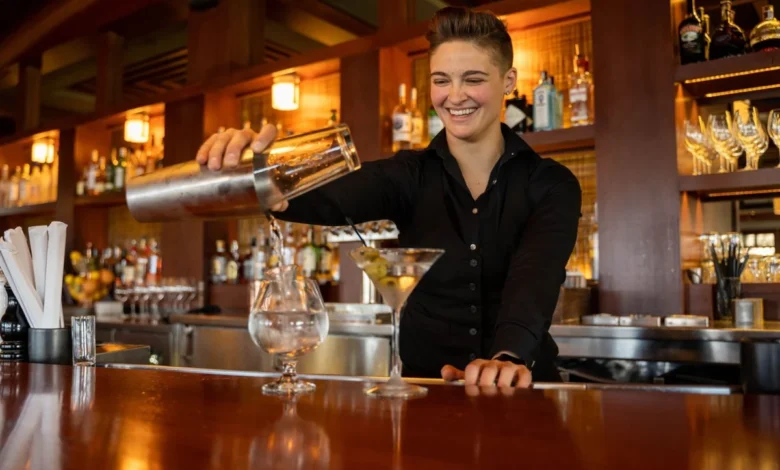
Atlanta, GA – J. Alexander’s, the renowned upscale casual dining establishment celebrated for its distinctive wood-fired cuisine, expertly crafted cocktails, and unwavering commitment to refined hospitality, is poised to significantly enhance its footprint in the Peach State with the grand opening of its newest location at The Battery Atlanta. This highly anticipated expansion marks the brand’s 40th systemwide restaurant and its third in the vibrant Atlanta metropolitan area, further solidifying its presence in a key market known for its dynamic culinary landscape and burgeoning entertainment districts. The new establishment, situated at 455 Legends Place, Suite 872, is set to officially welcome patrons on Monday, April 27, following a ceremonial ribbon-cutting and champagne christening, promising an elevated dining experience uniquely tailored to its iconic surroundings.
A Strategic Entry into Atlanta’s Premier Entertainment Hub
The selection of The Battery Atlanta for J. Alexander’s latest venture represents a deliberate and strategic move, embedding the restaurant at the nexus of one of the Southeast’s most prominent and successful mixed-use developments. The Battery Atlanta, a sprawling complex that masterfully integrates residential, office, retail, and dining spaces, serves as the proud home to Truist Park, the state-of-the-art stadium for the Atlanta Braves Major League Baseball team. Since its inauguration, The Battery has swiftly evolved into a bustling year-round destination, annually attracting millions of visitors for high-profile sporting events, major concerts, diverse shopping experiences, and an eclectic array of dining options. J. Alexander’s aims to strategically leverage this consistent influx of foot traffic and the vibrant, celebratory atmosphere that permeates the entire district, offering its signature blend of quality cuisine and sophisticated ambiance to a broad and diverse clientele, ranging from enthusiastic pre-game diners and concert-goers to local residents and office professionals.
The integration of J. Alexander’s into The Battery’s esteemed roster of culinary offerings is widely anticipated to further enrich the overall visitor experience. Local government officials and representatives from The Battery Atlanta management have openly expressed their enthusiasm for this significant new addition, consistently highlighting the restaurant’s long-standing reputation for exceptional quality and impeccable service as a perfect complement to the district’s already high standards. This collaborative venture underscores a shared vision of providing unparalleled experiences, whether through world-class entertainment or through exceptional, memorable dining. The restaurant’s innovative design and carefully considered operational elements have been meticulously crafted to harmonize seamlessly with The Battery’s dynamic and energetic environment, thereby ensuring a fluid, engaging, and enjoyable experience for every single guest who walks through its doors.
Grand Opening Celebrations and Public Debut
The official launch of J. Alexander’s at The Battery Atlanta is meticulously scheduled for Monday, April 27, commencing with a series of ceremonial events specifically designed to commemorate this significant milestone in the brand’s expansion. The day’s festivities will begin with a formal ribbon-cutting ceremony promptly at 3:30 p.m., a time-honored tradition that will see key community figures from the Cobb Chamber of Commerce joining prominent J. Alexander’s and SPB Hospitality executives. This symbolic event not only signifies the restaurant’s official welcome into the robust local business community but also underscores its steadfast commitment to actively contributing to the regional economy. Following the ribbon-cutting, an elegant champagne christening will take place, adding a touch of sophistication and tradition to the occasion, before the doors are officially opened to welcome the eagerly awaiting public at 4 p.m.
Anticipation for this grand opening has been steadily building within the community, with local residents, Braves fans, and discerning diners alike expressing keen eagerness to experience the renowned J. Alexander’s menu in this brand-new, highly dynamic setting. The meticulously planned ceremony is far more than a mere formality; it represents a public declaration of the brand’s substantial investment in the thriving Atlanta market and its unwavering readiness to become an integral and cherished part of The Battery’s vibrant social fabric. The strategic timing of the public opening, just ahead of the traditional evening dining rush, allows early guests the unique opportunity to be among the very first to savor the restaurant’s exquisite offerings and immerse themselves in its uniquely crafted atmosphere.
A Bespoke Dining Experience: Tailored for The Battery
Understanding the unique characteristics and diverse demands of The Battery Atlanta, J. Alexander’s has thoughtfully incorporated several innovative, experience-driven elements into both the architectural design and the operational strategy of its new location. These bespoke features have been specifically engineered to cater to the varied needs and preferences of the district’s diverse patrons, ranging from ardent sports enthusiasts seeking a quick bite to casual diners looking for a relaxed meal.
A particularly striking architectural feature is the garage-door-style opening to the bar area. This innovative design element allows for a seamless and effortless transition between the indoor and outdoor spaces, creating an invitingly open and airy ambiance on pleasant weather days. This unique feature is designed to welcome the vibrant energy of The Battery directly into the restaurant, establishing it as an ideal spot for lively pre-game gatherings or tranquil post-event relaxation. Complementing this dynamic indoor-outdoor flow is an expansive outdoor patio, offering delightful al fresco dining options where guests can comfortably enjoy their meticulously prepared meals and handcrafted drinks amidst the lively atmosphere of the district, often enhanced by the presence of live music or the distant, exhilarating cheers from Truist Park.
Furthermore, recognizing the specific and often urgent demands of game days and major special events, J. Alexander’s has judiciously introduced a dedicated walk-up ordering window. This thoughtful addition provides a convenient and highly efficient service channel for large crowds seeking quick, yet high-quality, culinary options without the necessity of entering the main dining room. This feature directly caters to fans on the go, ensuring they can efficiently grab a gourmet bite or a refreshing drink without the concern of missing any of the action.
The talented culinary team has also developed a curated event-day menu, specifically designed to complement the fast-paced, celebratory nature of The Battery’s major events. This specialized menu will likely feature easily consumable, yet still upscale, offerings that steadfastly maintain J. Alexander’s renowned quality standards. In a forward-thinking nod to modern consumer preferences and the pervasive "grab-and-go" culture increasingly prevalent in vibrant entertainment districts, the restaurant will also innovatively offer "Crafted Daily and Canned On-Site" cocktails to-go, alongside an expanded and carefully selected assortment of wines and beers. These ready-to-enjoy, premium beverages are perfectly suited for both pre- and post-game occasions, allowing guests the flexibility to extend their J. Alexander’s experience beyond the restaurant’s physical confines. These bespoke features collectively underscore J. Alexander’s deep commitment to adaptability, innovation, and an unwavering dedication to enhancing the customer journey, thereby distinctly positioning it apart from more traditional dining establishments.
The J. Alexander’s Culinary Philosophy: A Legacy of Excellence
At its very core, J. Alexander’s has meticulously built its esteemed reputation upon an unyielding foundation of exceptional culinary execution and unparalleled hospitality. The restaurant’s menu stands as a profound testament to classic American cuisine, consistently elevated through an unwavering commitment to meticulous preparation and the exclusive use of premium, often locally sourced, ingredients. Guests can anticipate a diverse and enticing array of signature dishes that have, over the years, garnered a loyal and discerning following nationwide.
Central to the quintessential J. Alexander’s experience are its meticulously hand-cut steaks and its succulent prime rib, each expertly cooked to absolute perfection, frequently utilizing traditional wood-fired grills that impart a distinct, rich, and smoky flavor profile. These signature offerings emphatically underscore the brand’s deep dedication to quality proteins and time-honored cooking methods. Fresh seafood selections constitute another foundational cornerstone of the menu, reflecting a steadfast commitment to sourcing the finest catch available and preparing it with both precision and an artistic flair. Furthermore, the menu boasts an impressive and sophisticated sushi program, offering a refined counterpoint to the heartier American fare, thereby appealing to a broad and varied spectrum of palates.

Beyond the enticing main courses, J. Alexander’s features an array of meticulously handcrafted sandwiches and creatively innovative appetizers. Iconic brand signature items include the vibrant and refreshing Thai Kai Chicken Salad, celebrated for its fresh ingredients and zesty dressing; the intensely flavorful Steak Maui, a testament to the kitchen’s remarkable ability to infuse global culinary inspirations; and the ever-popular Avocado Bomb, a creative, visually appealing, and utterly refreshing starter. Complementing the robust and diverse food menu is an extensive wine list, meticulously curated to pair seamlessly with the varied culinary offerings, alongside a sophisticated selection of handcrafted cocktails, each mixed with precision and utilizing only premium spirits. Every single detail, from the initial ingredient selection to the final artistic plate presentation, is meticulously managed to deliver a consistently polished yet invitingly approachable dining experience that unfailingly exceeds expectations.
Leadership Vision: SPB Hospitality and the Future of J. Alexander’s
The strategic expansion of J. Alexander’s into The Battery Atlanta is a clear and compelling manifestation of the broader corporate vision held by its parent company, SPB Hospitality. G.J. Hart, the esteemed CEO of SPB Hospitality, eloquently articulated this sentiment, stating, "Atlanta has been home to J. Alexander’s for decades, and we’ve been honored to serve this vibrant city. This location puts us right in the middle of where people already love to gather, surrounded by great food, great company and memorable nights out. Those are the kinds of moments J. Alexander’s was made for." This powerful statement not only acknowledges J. Alexander’s long-standing and cherished relationship with the city of Atlanta but also profoundly underscores the deliberate and well-considered decision to integrate the brand into a dynamic and highly social nexus like The Battery.
SPB Hospitality, a leading and influential operator and franchisor of a diverse and impressive portfolio of restaurant brands, oversees a vast and extensive network of dining establishments strategically positioned across the United States. Its strategic approach is singularly focused on the acquisition and organic growth of concepts that consistently offer compelling value and genuinely unique dining experiences. Under the astute stewardship of SPB Hospitality, J. Alexander’s has steadfastly continued its trajectory of thoughtful and measured expansion, all while meticulously maintaining its core values of unparalleled quality and exceptional hospitality, and simultaneously adapting adeptly to contemporary market demands. The substantial investment in a prime and highly visible location like The Battery Atlanta reflects SPB Hospitality’s profound confidence in the enduring strength of the J. Alexander’s brand and its immense potential for sustained success within high-traffic, experiential environments. The company’s commitment extends far beyond mere physical expansion; it involves carefully cultivating each brand within its portfolio to ensure sustained relevance and profitability while simultaneously enriching the communities they proudly serve.
Economic Impact and Community Engagement
The highly anticipated arrival of J. Alexander’s at The Battery Atlanta is set to bring with it tangible and significant economic benefits for Cobb County and the broader Atlanta metropolitan area. The establishment of a new upscale restaurant invariably translates into substantial job creation across various roles, ranging from skilled kitchen staff and attentive servers to experienced management and essential support personnel. While specific employment figures were not officially released, it is conservatively estimated that dozens of new employment opportunities have been generated, thereby providing vital livelihoods and contributing significantly to the local workforce. This influx of new jobs is particularly valuable within the hospitality sector, which continues to serve as a critical component of regional economic health and vitality.
Beyond the direct employment benefits, J. Alexander’s is expected to contribute robustly to the local economy through multiple indirect channels. Increased tax revenues derived from sales and property taxes will undoubtedly benefit local public services and infrastructure. The restaurant’s ongoing operations will also stimulate demand for local suppliers, encompassing a wide array of businesses from fresh produce and seafood providers to linen services and maintenance companies, thereby creating a positive ripple effect of economic activity throughout the supply chain. Furthermore, by attracting additional visitors and diners to The Battery Atlanta, J. Alexander’s will likely generate synergistic benefits for neighboring businesses, including retail outlets, entertainment venues, and other dining establishments, thereby further reinforcing The Battery’s esteemed status as a premier destination. The restaurant’s commitment to community engagement, often manifested through local sourcing initiatives and active participation in area events, is also a key component of its integrated approach to becoming a valued community partner.
Atlanta’s Competitive Dining Landscape and J. Alexander’s Niche
Atlanta proudly boasts one of the most vibrant and intensely competitive dining scenes in the entire Southeast, characterized by an astonishingly diverse range of culinary options, spanning from critically acclaimed fine dining establishments to innovative and accessible casual eateries. The city’s rapid demographic growth and increasingly diverse population have collectively fostered a sophisticated and adventurous palate among both its residents and its numerous visitors, thereby creating a strong and sustained demand for high-quality, memorable dining experiences. Within this dynamic and bustling environment, J. Alexander’s expertly carves out a distinctive and highly successful niche within the upscale casual dining segment.

This particular segment is rigorously defined by its unwavering commitment to premium quality ingredients, a sophisticated and inviting ambiance, and impeccably professional service, all without the inherent formality or premium pricing typically associated with traditional fine dining. J. Alexander’s consistently excels in this space by offering a dependably polished experience that appeals to a broad and discerning demographic. Its proven and well-loved menu, which skillfully balances classic comfort dishes with contemporary culinary flair, deeply resonates with diners who seek both reliability and culinary excellence. At The Battery Atlanta, J. Alexander’s will gracefully join an array of established and emerging restaurants, each vying for patronage. However, its unique blend of tailored event-day features, a nationally recognized and reputable brand, and a strong, consistent culinary identity positions it exceptionally well to capture a significant share of the market, particularly among those seeking a more refined and enjoyable experience before or after events at Truist Park or other attractions within the expansive complex. The dual capability of offering both a full sit-down dining experience and convenient to-go options also grants it a distinct competitive advantage within this fast-paced and high-demand environment.
Operational Details and Future Outlook
J. Alexander’s at The Battery Atlanta will operate on a meticulously planned schedule designed to optimally accommodate the dynamic rhythms and varied needs of the district. The restaurant will be open Sunday through Friday from 11 a.m. to 9 p.m., extending its operational hours on Saturday from 11 a.m. to 10 p.m. These thoughtfully considered hours allow for comprehensive lunch, dinner, and late-evening dining options, catering effectively to both daytime visitors and the bustling evening entertainment crowd. Guests are strongly encouraged to visit JAlexanders.com for comprehensive information, including the full menu, and to conveniently make reservations, particularly during anticipated peak event times, to ensure a seamless and enjoyable dining experience.
The opening of this 40th systemwide location represents a profoundly significant milestone for J. Alexander’s, signaling a clear trajectory of sustained growth and strategic expansion. Its anticipated success at The Battery Atlanta will undoubtedly serve as a valuable blueprint for future brand developments in similar mixed-use, entertainment-focused complexes across the nation. The brand’s remarkable ability to adapt its core culinary offerings with specifically localized features demonstrates a forward-thinking and highly responsive approach to restaurant development, thereby ensuring its continued relevance and broad appeal in an ever-evolving and increasingly competitive industry. As Atlanta steadfastly continues its trajectory as a major economic and cultural hub, J. Alexander’s is exceptionally well-positioned to grow and thrive alongside it, offering its signature blend of culinary excellence and genuine hospitality for many years to come.
About J. Alexander’s
J. Alexander’s, a distinguished brand within the expansive SPB Hospitality portfolio, proudly stands as a premier upscale casual restaurant with a robust and well-established presence across the United States. Renowned for its culinary precision and unwavering commitment to quality, the establishment is particularly celebrated for its meticulously hand-cut steaks, which are frequently prepared over authentic wood fires to achieve a distinct and unparalleled flavor profile, its responsibly sourced fresh seafood, and an expertly curated wine selection that flawlessly complements its diverse and inviting menu. Each J. Alexander’s location is steadfastly committed to delivering a refined and memorable dining experience, characterized by an unwavering focus on the superior quality of its ingredients,