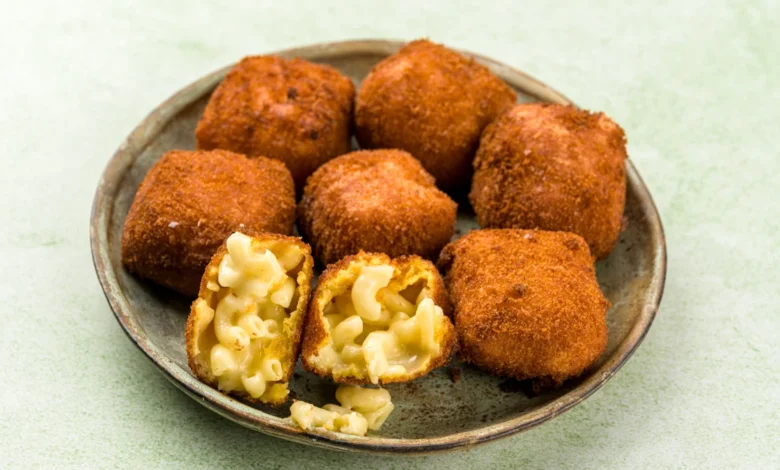
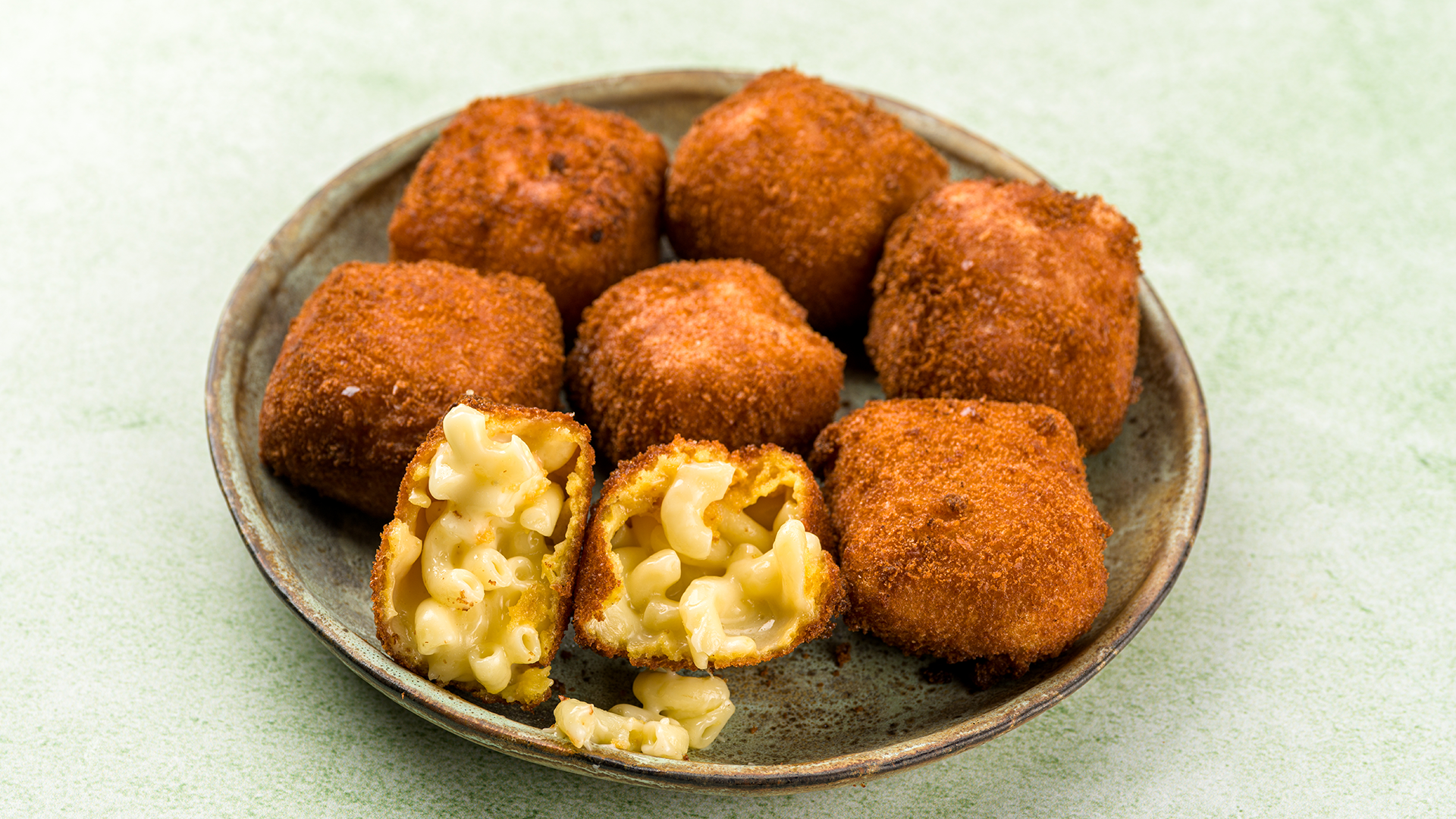
A new culinary development is poised to revolutionize how one of America’s most beloved comfort foods, macaroni and cheese, is prepared for deep frying, promising a crispy exterior and a molten, cheesy interior without the common pitfall of structural collapse or "blowouts" in hot oil. This innovation leverages principles of food science, specifically the strategic application of sodium citrate and sodium hexametaphosphate, to achieve a stable, emulsified cheese sauce capable of withstanding high-temperature cooking. The technique, heralded as a game-changer for both home cooks and professional kitchens, transforms a challenging endeavor into an accessible culinary triumph, offering a reliable method for producing consistently perfect deep-fried mac and cheese squares.
The Culinary Conundrum: Deep-Frying Mac and Cheese
For years, the ambition of creating a perfectly deep-fried mac and cheese has been a source of frustration for many culinary enthusiasts. The primary challenge stems from the inherent properties of traditional cheese sauces. Comprising dairy fats, proteins, and water, these sauces are designed to be fluid and creamy when hot. Introducing them to the extreme heat of a deep fryer often leads to rapid breakdown: the cheese melts too quickly, separates into its constituent fat and water components, and can leak into the frying oil, causing a messy "explosion" or a complete loss of the dish’s structural integrity. This not only ruins the intended product but also contaminates the frying oil, rendering it unsuitable for further use and creating a significant clean-up challenge. The allure of the dish—the textural contrast of a crunchy coating against a gooey, savory filling—remained largely out of reach for consistent, high-quality execution without advanced techniques.
The Scientific Solution: Emulsifiers in Action
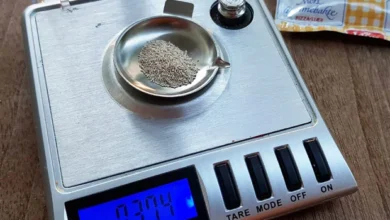
The breakthrough lies in the precise application of food-grade emulsifying salts: sodium citrate and sodium hexametaphosphate. These compounds are not new to the food industry, having been utilized for decades in processed cheese products to achieve smooth textures and extend shelf life. However, their strategic deployment in a homemade mac and cheese recipe represents a sophisticated integration of modernist culinary techniques into everyday cooking.
-
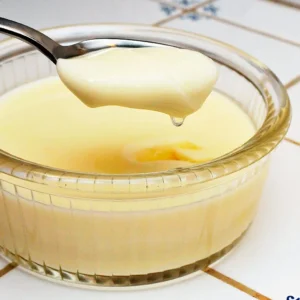
Understanding Sodium Citrate: Sodium citrate is a sodium salt of citric acid. In the context of cheese, its primary function is to chelate (bind to) calcium ions present in the cheese proteins. Casein, the main protein in cheese, is held together by calcium bridges. When cheese heats, these bridges can break, causing the fat and protein to separate. By binding to calcium, sodium citrate effectively "softens" the cheese matrix, preventing the proteins from clumping and allowing the fat and water to remain uniformly dispersed within the protein structure. This results in a remarkably smooth, velvety, and stable melt, drastically reducing the likelihood of oiling off or breaking apart under heat.
-
Understanding Sodium Hexametaphosphate (SHMP): Sodium hexametaphosphate is another powerful chelating agent, often used in conjunction with sodium citrate. Like citrate, it helps to sequester calcium, further enhancing the emulsifying properties of the cheese sauce. SHMP also contributes to a smoother texture and prevents the sauce from becoming stringy or grainy. Its ability to maintain the stability of the cheese emulsion is particularly critical when the mac and cheese is subjected to the aggressive temperatures of a deep fryer, ensuring the sauce remains homogenous and contained within its breaded shell.
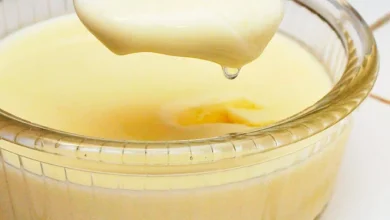
By incorporating these two salts into the cheese sauce during its preparation, chefs and home cooks can create a foundation that resists separation and maintains its structural integrity, even when plunged into hot oil. The result is a cheese sauce that "emulsifies like a dream," forming a resilient, creamy core that stays intact, delivering the desired gooey center without any mess.
A Brief History of Mac and Cheese’s Evolution
Macaroni and cheese, a dish synonymous with comfort, has a rich history that traces back to 14th-century Italy, where a pasta and cheese casserole recipe was documented. It gained significant popularity in England and was famously introduced to America by Thomas Jefferson in the early 19th century after he encountered it in France. Over two centuries, it evolved from a sophisticated dinner party dish to a staple of home cooking, especially after the introduction of Kraft Dinner in the 1930s, which democratized access to this cheesy delight. Its enduring appeal lies in its simplicity, versatility, and universal comforting qualities. The dish has undergone countless iterations, from gourmet versions featuring artisanal cheeses and exotic pasta shapes to experimental fusion dishes. The current trend of deep-frying mac and cheese represents another chapter in its ongoing evolution, pushing the boundaries of texture and presentation while retaining its fundamental appeal.
The Rise of Fried Comfort Foods
The concept of deep-frying comfort foods is not new, but it has seen a significant surge in popularity in recent decades, particularly within street food culture, fairgrounds, and casual dining establishments. Items like deep-fried Oreos, Mars bars, pickles, and even ice cream have become iconic examples of this trend. The driving force behind this phenomenon is multifaceted:
- Textural Contrast: Deep-frying imparts an unparalleled crispiness to the exterior, creating an exciting textural counterpoint to a soft, warm, or molten interior.
- Indulgence and Novelty: These dishes are often perceived as indulgent treats, offering a unique and memorable eating experience that breaks from the ordinary.
- Visual Appeal: The golden-brown crust and the potential for a "cheese pull" or a molten core make these dishes highly photogenic and shareable, contributing to their viral popularity on social media platforms.
- Flavor Enhancement: The Maillard reaction, which occurs during frying, creates complex savory notes and aromas that enhance the overall flavor profile of the food.
The deep-fried mac and cheese, when executed flawlessly with the aid of emulsifying salts, perfectly embodies these desirable attributes, offering a premium version of a beloved fried comfort food.
Methodology and Execution: From Science to Plate
Achieving the perfect deep-fried mac and cheese involves a methodical approach, where the "food science magic" of emulsifiers is integrated into a structured preparation process.
-
Preparing the Perfect Base: The journey begins with preparing a standard mac and cheese, but with a critical modification: the incorporation of sodium citrate and sodium hexametaphosphate into the cheese sauce. These salts are typically dissolved in a small amount of liquid (such as milk or water) before being whisked into the melted cheese. This ensures even distribution and activation of their emulsifying properties. The choice of cheese is also important; while the emulsifiers make a wide range of cheeses suitable, a blend of good melting cheeses like cheddar, Gruyère, or Monterey Jack will yield the best flavor and texture. Once the pasta is cooked al dente and combined with the stabilized cheese sauce, the mixture is spread into a shallow pan and allowed to cool completely. The "Total Time: 24 Hours" specified in the recipe highlights a crucial step: adequate chilling. This extended refrigeration period is vital for the mac and cheese to firm up sufficiently, allowing it to be cut into squares or other desired shapes without falling apart. This firm structure is the first line of defense against disintegration in the fryer.
-
The Art of the Fry: After chilling, the mac and cheese squares are typically breaded to provide a protective, crispy crust. A standard three-step breading procedure (flour, egg wash, breadcrumbs) is often employed. The breading not only adds texture but also acts as a barrier, further preventing the cheese from leaking out. Deep-frying requires precise temperature control, typically around 350-375°F (175-190°C), to ensure the exterior browns quickly while the interior heats through to a molten state without burning. The emulsified cheese sauce, thanks to the citrate and SHMP, maintains its integrity, becoming gloriously gooey without separating or causing the structural collapse that plagued earlier attempts. The result is a deeply satisfying bite: an audible crunch giving way to a rich, creamy, and intensely flavorful mac and cheese core.
Expert Perspectives on Culinary Innovation
Culinary experts and food scientists have lauded this approach as an elegant demonstration of how scientific principles can elevate traditional cooking. Dr. Eleanor Vance, a food chemist specializing in dairy products, commented, "The use of sodium citrate and sodium hexametaphosphate in homemade mac and cheese is a brilliant application of well-understood industrial processes to the home kitchen. It demystifies cheese emulsification, allowing anyone to achieve professional-grade results. It’s a testament to how modernist techniques, when properly understood, can solve common culinary frustrations."
Chef Antoine Dubois, known for his innovative bistro menu, added, "This method opens up new possibilities. We can now reliably feature deep-fried mac and cheese on our menu, perhaps as an appetizer or a creative side dish, knowing it will hold up perfectly. It’s about consistency and delivering a superior product to our guests." Food bloggers and home cooking enthusiasts have also expressed immense enthusiasm, noting that the technique empowers them to replicate restaurant-quality dishes that were previously deemed too difficult or risky.
Market Impact and Consumer Trends
The successful development of a reliable deep-fried mac and cheese method aligns perfectly with several prevailing market and consumer trends. There is a sustained and growing demand for comfort food that offers a twist, a novel presentation, or an enhanced textural experience. Restaurants and food trucks are constantly seeking innovative menu items that stand out in a competitive landscape. A perfectly executed deep-fried mac and cheese offers exactly that—a familiar flavor profile presented in an exciting and craveable format.
Furthermore, the increasing interest in "kitchen chemistry" and molecular gastronomy among home cooks suggests a broader acceptance and desire to experiment with food science. The accessibility of ingredients like sodium citrate, which can be purchased online or from specialty food stores, makes these techniques available to a wider audience. This trend reflects a shift where consumers are becoming more adventurous and knowledgeable about the science behind their food, moving beyond traditional recipes to understand and manipulate ingredients at a deeper level. The "Easy" difficulty rating, despite the inclusion of specialized ingredients, underscores the user-friendly nature of this scientific application.
Beyond the Kitchen: Implications for Food Science Education
The popularization of techniques like this deep-fried mac and cheese recipe also has broader implications for food science education. It serves as a practical, engaging example of how chemistry and physics directly influence culinary outcomes. For aspiring chefs and food scientists, understanding the role of emulsifiers, chelating agents, and thermal stability in food preparation is fundamental. Recipes like these bridge the gap between abstract scientific concepts and tangible, delicious results, making learning more intuitive and exciting. It encourages a more inquisitive approach to cooking, where understanding "why" ingredients behave in certain ways becomes as important as knowing "how" to combine them.
In conclusion, the development of a fail-safe method for deep-frying mac and cheese using sodium citrate and sodium hexametaphosphate marks a significant advancement in comfort food preparation. By employing precise food science principles, this technique overcomes long-standing challenges, enabling the creation of a dish that is crunchy on the outside, creamy and gooey on the inside, and free from structural compromise. This innovation not only elevates a classic dish but also highlights the growing integration of scientific understanding into everyday culinary practices, empowering a new generation of cooks and delighting consumers with novel and perfected textural experiences. The ease of execution, coupled with the impressive yield of 12 squares, suggests that this method is poised to become a staple for anyone looking to transform humble mac and cheese into an extraordinary deep-fried sensation.
Related posts: