
The Art Of Homemade Aioli A Culinary Deep Dive Into The Rich French Condiment

The Art of Homemade Aioli: A Culinary Deep Dive into the Rich French Condiment
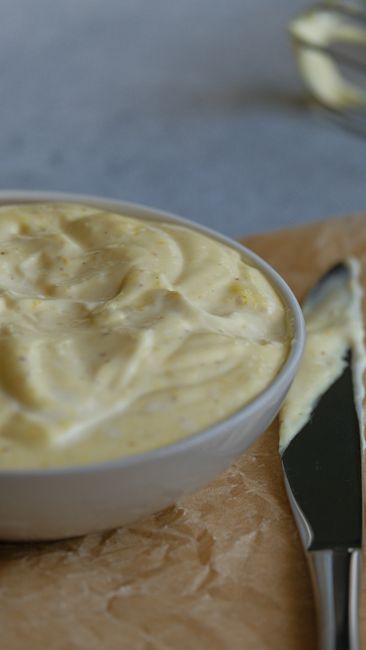
Aioli, often mistakenly perceived as simply garlic mayonnaise, is a nuanced and profoundly flavorful condiment with a storied history rooted in the Mediterranean, particularly in French Provençal cuisine. Its essence lies in a harmonious emulsion of garlic, olive oil, and sometimes egg yolk, creating a luxurious sauce that elevates a myriad of dishes. Understanding the art of homemade aioli is about mastering a technique, appreciating ingredient quality, and unlocking a spectrum of flavor possibilities. This deep dive explores the core components, meticulous preparation, variations, and culinary applications that define this indispensable French classic.
At its heart, authentic aioli is an emulsified sauce, a delicate suspension of oil in water (or in this case, water and other ingredients) achieved through vigorous whisking or blending. The fundamental ingredients are raw garlic, which provides its signature pungent and spicy kick, and olive oil, the backbone of its rich texture and distinct flavor. The quality of both these ingredients is paramount. For garlic, fresh, plump cloves are essential; aged or sprouting garlic can impart a bitter or acrid taste. The ideal garlic is young and pungent, capable of yielding its potent oils with minimal effort. Extra virgin olive oil is the preferred choice, lending a fruity, peppery complexity that complements the garlic without overpowering it. While some recipes incorporate egg yolk as an emulsifier, a practice that bridges the gap between traditional aioli and modern mayonnaise, purists often argue that the true essence of aioli can be achieved through a patient, skilled emulsification of garlic and olive oil alone, sometimes with the addition of a touch of lemon juice or even a boiled potato for stability and a smoother texture.
The preparation of aioli is a testament to patience and technique. The traditional method involves pounding fresh garlic cloves into a fine paste using a mortar and pestle. This meticulous process releases the garlic’s aromatic oils and creates a smooth base. Gradually, a high-quality olive oil is drizzled in, drop by agonizing drop, while continuously whisking or pounding. This slow addition is critical; adding the oil too quickly will break the emulsion, resulting in a greasy, separated mess. The goal is to bind the oil and the garlic paste into a thick, creamy, and cohesive sauce. The texture should be akin to thick mayonnaise, with a glossy sheen. Some recipes call for a small amount of starchy liquid, like water or a potato puree, to aid in the emulsification and lend a smoother, more stable texture. Lemon juice is often introduced towards the end of the process, providing a bright acidity that cuts through the richness of the oil and garlic, balancing the flavors. Salt is adjusted to taste, enhancing all the components.
Modern interpretations of aioli often incorporate an egg yolk. The lecithin in the egg yolk acts as a powerful emulsifier, making the process more forgiving and resulting in a richer, more stable sauce that closely resembles mayonnaise. When using egg yolk, it’s crucial to ensure it’s fresh and at room temperature. The garlic paste is typically blended with the egg yolk until smooth, then the olive oil is slowly streamed in while whisking vigorously. The addition of a small amount of acid, such as lemon juice or vinegar, is also important when using egg yolk, as it helps to stabilize the emulsion. While the egg yolk-enriched version is undeniably delicious and more accessible for home cooks, it’s worth understanding the purist’s approach to fully appreciate the elemental beauty of aioli.
The flavor profile of aioli is dominated by garlic, but the intensity can be modulated. Roasting the garlic before incorporating it into the aioli dramatically transforms its character. Roasting mellows the sharp, pungent notes of raw garlic, rendering it sweet, creamy, and almost caramelized. Roasted garlic aioli offers a more subtle, sophisticated garlic flavor, making it a versatile accompaniment for a wider range of palates. The roasting process also makes the garlic easier to mash into a paste. Another method to tame the raw garlic’s bite is to blanch it briefly in boiling water before pounding or blending. This lessens the pungency while retaining a significant portion of its flavor. The sheer volume of garlic used is also a key determinant of flavor intensity. Traditional recipes can call for a surprising amount of garlic, reflecting its central role.
Beyond the core ingredients, the art of aioli lies in its infinite variations. This is where creativity can truly flourish. Spices and herbs are natural additions that can imbue aioli with entirely new dimensions. Smoked paprika adds a smoky, sweet depth, perfect for grilled meats and vegetables. Saffron, bloomed in a little warm water, lends a subtle floral aroma and a vibrant golden hue, transforming aioli into a luxurious accompaniment for seafood. Fresh herbs like parsley, chives, cilantro, or dill can be finely chopped and folded in, offering fresh, herbaceous notes that complement specific dishes. Chili peppers, either fresh or dried, can be incorporated for a spicy kick, creating a chili aioli that awakens the palate. Black pepper, freshly ground, provides a subtle warmth and complexity. A touch of Dijon mustard can add a tangy, slightly pungent counterpoint, further enhancing the emulsification and flavor.
The culinary applications of aioli are extensive, transcending its role as a mere condiment. It is a staple in Provençal cuisine, famously served alongside bouillabaisse, a rich fish stew. The creamy, garlicky aioli is spread thickly on toasted baguette slices, which are then floated on top of the broth, infusing it with its exquisite flavor. Aioli is also an indispensable partner for grilled and roasted meats and poultry. Lamb, chicken, and pork all benefit from a generous dollop of this savory sauce. It provides a bright, pungent counterpoint to the richness of the meats.
Seafood, in all its forms, is another area where aioli truly shines. Grilled or pan-seared fish, shrimp, scallops, and calamari are all elevated by a swipe of aioli. The garlic and olive oil marry beautifully with the delicate flavors of the ocean. For vegetable dishes, aioli acts as a transformative agent. Roasted vegetables, whether root vegetables, cruciferous vegetables, or Mediterranean favorites like zucchini and bell peppers, are made infinitely more appealing when dipped or drizzled with aioli. French fries, often referred to as "frites," are almost incomplete without a side of aioli for dipping, especially in its country of origin.
Beyond dipping and spreading, aioli can be incorporated into other dishes as a binding agent or a flavor enhancer. It can be used as a base for salad dressings, adding a creamy, garlicky tang to greens. A spoonful of aioli stirred into mashed potatoes or risotto can impart a luxurious depth of flavor. It can also be used as a flavorful spread on sandwiches and burgers, offering a sophisticated alternative to plain mayonnaise or ketchup. The versatility of aioli is limited only by imagination.
Achieving a perfect aioli at home requires attention to detail and an understanding of the emulsification process. Start with high-quality ingredients. Fresh garlic, pungent and vibrant, and a good extra virgin olive oil are non-negotiable. If using raw garlic, consider blanching or roasting it to control the intensity. When emulsifying, go slow. Drizzle the oil in a thin, steady stream, whisking or blending continuously. If the mixture seems to be separating, stop adding oil and continue whisking or blending to try and re-establish the emulsion. A common mistake is rushing the process. Patience is rewarded with a smooth, stable, and intensely flavorful aioli.
For those who prefer a more foolproof method, an immersion blender or a food processor can be invaluable tools. With an immersion blender, place all ingredients (except some of the oil) in a tall, narrow container. Insert the blender to the bottom, pulse a few times to break down the garlic, then slowly raise the blender as the mixture begins to emulsify, streaming in the remaining oil. In a food processor, pulse the garlic until finely minced, then add the other ingredients and slowly stream in the oil while the processor is running. Regardless of the method, the key is the slow incorporation of oil.
Storage of homemade aioli is also important. Due to the raw garlic and potentially raw egg yolk, it’s best consumed within a few days. Store it in an airtight container in the refrigerator. If it has separated slightly, a quick whisk can often bring it back together. The vibrant flavor of freshly made aioli is unparalleled, making it worth the effort to prepare it often.
In conclusion, the art of homemade aioli is a journey into the heart of French Provençal culinary tradition. It is a celebration of simple, yet powerful ingredients, transformed through a careful, patient technique into a condiment of extraordinary flavor and versatility. From its fundamental components of garlic and olive oil to its countless variations and applications, aioli offers a rich, savory, and undeniably delicious experience that continues to captivate palates worldwide. Mastering its creation is not just about making a sauce; it’s about understanding and appreciating the subtle alchemy of emulsification and the profound impact of quality ingredients, unlocking a culinary treasure that can elevate any dish from ordinary to exceptional.


