The restaurant industry is currently navigating a period of profound structural reassessment. Following the dual catalysts of the COVID-19 pandemic and a global reckoning with racial and gender inequity, culinary institutions have increasingly turned to mentorship programs as a primary vehicle for reform. From the James Beard Foundation’s leadership initiatives to corporate-sponsored accelerators, these programs are marketed as "silver bullets" designed to foster the next generation of industry leaders. However, a closer examination of these frameworks reveals a troubling reality: many mentorship programs inadvertently replicate the very power imbalances, extractive labor practices, and systemic biases they claim to dismantle. By prioritizing the "mentor-as-savior" narrative over structural support, the industry risks entrenching a toxic culture under the guise of progress.
The Myth of Punctuality and the Transportation Gap
In Philadelphia, a city where public transportation was ranked 89th out of 100 U.S. cities in 2019 for reliability and accessibility, the simple act of "showing up on time" is often a matter of class privilege. For Judy Ni, founder of BÄo*logy, this reality became a focal point during a mentorship program her restaurant hosted several years ago. The program placed marginalized youth in high-end hospitality environments, many of which were located in affluent neighborhoods. While these mentees were provided with transit cards, the structural reality of their commutes—often involving multiple transfers and hours of travel—was rarely factored into their performance evaluations.
Ni observed that mentees were frequently "dinged" for lateness, with mentors assuming a lack of "grit" or "hustle" rather than acknowledging the systemic failure of urban infrastructure. This "bias for showing up" illustrates a fundamental disconnect in mentorship: the failure to recognize the "unpaid labor and stress of being outside," as Ni describes it. When mentors fail to account for the lived experiences of their mentees, the relationship shifts from one of guidance to one of judgment. The assumption that the "idea of just going to work" is a universal baseline, rather than a privilege, sets the stage for a mentorship model that rewards those who already possess social and economic stability.

Performative Equity and the Institutional Narrative
The surge in mentorship programs is often driven by a desire for corporate and institutional branding to align with progressive values. The James Beard Foundation (JBF) and the National Restaurant Association (NRA) have been vocal about their commitment to building a more resilient industry. The NRA’s Educational Foundation reports that over 40% of Gen Z workers believe mentors help them build confidence. While these statistics provide a rosy outlook for marketing materials, they leave a significant portion of the workforce—the remaining 60%—unaccounted for.
Critics argue that without deliberate adjustments, these programs reinforce individual exceptionalism rather than community care. Chris White, a chef with experience at Union Square Hospitality Group, notes that the success of a mentorship often depends on the "luck of the draw." White witnessed a stark disparity between his own proactive mentor and the experiences of his colleagues, who were forced to "chase down" senior leaders who lacked accountability. The prevailing corporate message—that mentees should simply be grateful for the opportunity—effectively silences upward feedback and preserves the status quo.
This performativity is often visible on "diversity pages" where smiling faces mask a lack of actual controls or stakes in program success. When an organization’s primary metric is the number of placements rather than the long-term well-being of the mentees, the program becomes a public relations tool rather than a transformative force.
The Savior Complex and the Pedagogy of Power
A recurring issue in industry mentorship is the assumption that professional success automatically qualifies an individual to be a mentor. Most programs lack formalized systems to train mentors in the "huge responsibility of shaping someone’s career," according to Ni. Instead, the focus remains on the mentor’s accolades and clout. This creates a "mentor-savior" dynamic that can be intimidating and counterproductive.

The risks of this model were highlighted when the LEE (Let’s Empower Employment) Initiative included Chef Jessica Koslow in its 2021 mentor lineup. Koslow, the founder of Sqirl, had recently faced intense public scrutiny over hazardous food safety practices and allegations of worker mistreatment. The decision to include her sparked significant backlash, with critics pointing out the contradiction in selecting a mentor who had allegedly misled staff and customers. The LEE Initiative defended the choice, citing a belief in "growing from mistakes," but the incident raised a critical question: should individuals who have not modeled positive behavior be given the power to shape the next generation?
Bie Aweh, a human resources professional who has overseen mentorship programs at DoorDash, emphasizes that mentors must be aware of their own privileges and biases. Without such self-reflection, mentors risk perpetuating harm, particularly against Black women and other marginalized groups who have historically been excluded from traditional power structures.
Extractive Labor and the "Fellowship" Facade
Perhaps the most egregious example of mentorship failing its participants is when programs become a front for extractive labor. Yana Gilbuena, a chef who participated in the Stone Barns Exchange Fellowship in 2017, described a program that "glamorized injustice" rather than addressing it. The fellowship, funded by Rockefeller money, featured guest lectures from prominent figures like Rick Bayless and Mark Bittman, whose comments on cultural appropriation and race led to internal friction and public protest by the fellows.
More concerning was the program’s final project, which required fellows to present proposals for reimagining Governor’s Island—a project Stone Barns was already discussing with developers. Gilbuena noted that this work, presented under the guise of a fellowship, was essentially high-level consulting that would typically command a significant fee. "It felt transactional," Gilbuena said, noting that the emotional labor and microaggressions she experienced eventually manifested as physical sickness.

The fellowship was discontinued in 2018, but the case remains a cautionary tale of how prestigious institutions can use the promise of "exposure" to derive valuable labor from young professionals at a deep discount.
The Financial Barrier to Entry
For many mentees, the greatest obstacle to participation is not a lack of talent, but a lack of funds. Mentorship programs often require unpaid time off or relocation to expensive urban hubs. Eliza Martin, a chef who participated in the JBF Women in Culinary Leadership (WCL) program, noted that the $600 weekly stipend was "not exactly livable" in a city like New York. While Martin felt the exposure was ultimately valuable, the financial strain meant that the program was implicitly exclusionary, accessible only to those who could afford to live on a sub-minimum wage for months at a time.
JBF eventually discontinued the WCL program in 2019, acknowledging that it lacked the infrastructure to steward mentees with the necessary level of care. This admission points to a broader industry trend: the realization that mentorship cannot exist in a vacuum. Without child-care coverage, subsidized pay, and inclusive application processes, these programs remain out of reach for the very people they are intended to help.
Toward a Model of Cultural Kinship
Despite these systemic failures, the desire for genuine mentorship remains strong. Organizations like Re:HER in Los Angeles and Wild Bearies, a program for the Ho-Chunk Nation, are offering alternative models. Re:HER began its program by conducting one-on-one chats with potential grantees to learn what they actually needed, resulting in a curriculum tailored to mentees rather than a top-down mandate.
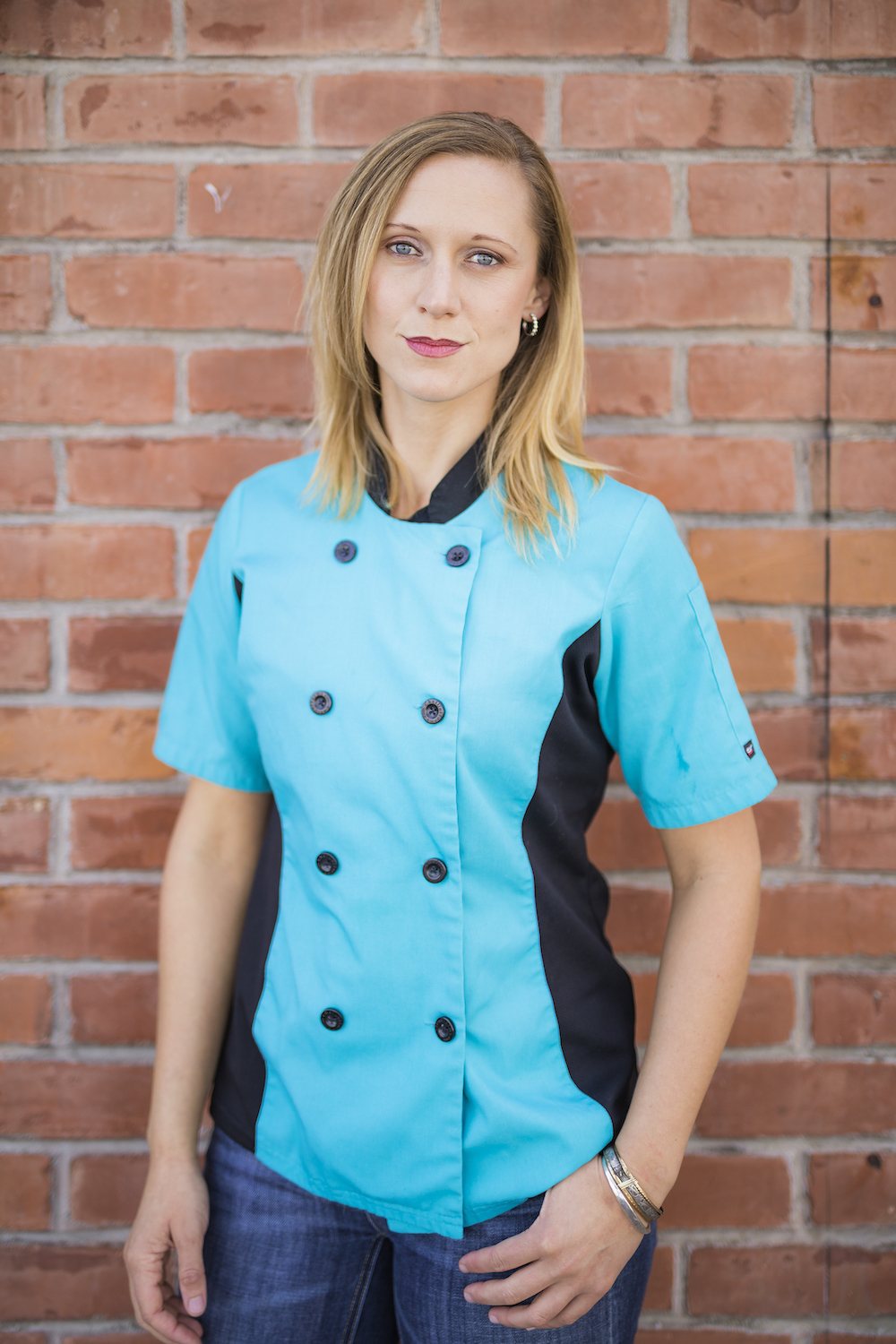
In the Wild Bearies model, founder Elena Terry rejects the labels of "mentor" and "mentee" entirely, opting for a "cultural kinship system." In this framework, all participants are community members supporting one another in reclaiming ancestral knowledge. There is no hierarchy; everyone is a learner. This approach shifts the focus from individual career advancement to communal sustainability.
Analysis of Implications
The current state of restaurant mentorship suggests that the industry is at a crossroads. If mentorship continues to be viewed as a "gift" bestowed by a savior upon a supplicant, it will continue to fail. A fact-based analysis of the industry’s trajectory indicates that for these programs to be effective, they must incorporate:
- Transparency and Accountability: Selection committees should be public, and mentors should be vetted based on their history of workplace culture, not just their culinary awards.
- Equitable Compensation: Stipends must reflect the actual cost of living in the program’s location to ensure socioeconomic diversity.
- Structural Support: Programs must address the logistical barriers of transportation, child care, and language accessibility.
- Mutual Feedback Loops: Mentees must be empowered to provide upward feedback without fear of professional retaliation.
The restaurant industry’s "Great Resignation" has proven that workers are no longer willing to endure toxic environments for the sake of a prestigious name on a resume. If mentorship programs are to survive and actually "save" the culture, they must move beyond the performative and address the material realities of the workers they claim to serve. As Elena Terry suggests, the industry must embrace the idea that "we are all mentees," because the road to a truly equitable food system requires a willingness to learn from those at every level of the brigade.