Uzbek Plov Lamb And Rice Pilaf
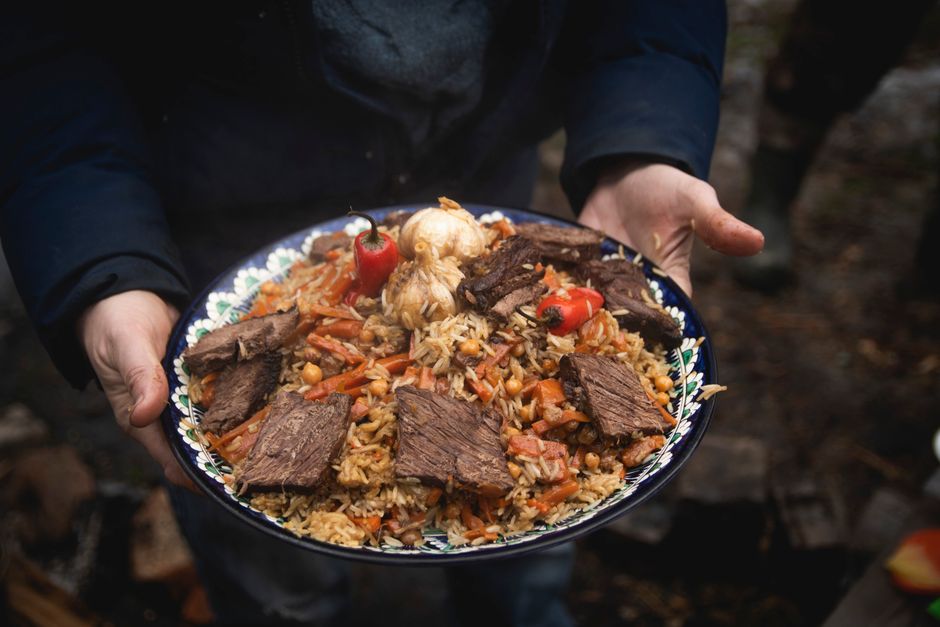
Uzbek Plov: A Culinary Legacy of Lamb and Rice Pilaf
Uzbek plov, a UNESCO Intangible Cultural Heritage of Humanity, is far more than just a dish; it’s a cornerstone of Uzbek identity, a symbol of hospitality, and a deeply ingrained culinary tradition. At its heart, it is a meticulously crafted lamb and rice pilaf, a symphony of flavors and textures achieved through a specific cooking process and a judicious selection of ingredients. While variations exist across regions and families, the fundamental elements of tender lamb, fragrant rice, sweet carrots, and pungent onions form the bedrock of this iconic dish. Understanding plov requires delving into its historical roots, the meticulous cooking technique, the essential ingredients, and its profound cultural significance.
The genesis of Uzbek plov is shrouded in the mists of time and geography. Its origins are often traced to the ancient Silk Road, where ingredients and culinary techniques traveled and melded. Central Asia, with its historical crossroads of cultures, provided the perfect environment for the evolution of this rice-based dish. Nomadic traditions, with their emphasis on hearty, communal meals prepared over open fires, likely played a significant role in its development. Over centuries, plov transitioned from a simple sustenance meal to a celebratory dish, prepared for important occasions and guests. The sheer volume and complexity of ingredients and preparation speak to its elevated status. Different regions within Uzbekistan have developed their own distinct styles. For example, Samarkand plov is known for its layered presentation, with rice, carrots, and meat cooked separately and then assembled. Tashkent plov, often considered a benchmark, prioritizes a rich, deeply flavored broth. Fergana plov, on the other hand, might feature more meat and a darker hue due to longer simmering. This regional diversity reflects the adaptability of the dish and its ability to absorb local influences.
The meticulous cooking process is the defining characteristic of authentic Uzbek plov. It is not a dish to be rushed. The technique, often referred to as the "zirvak" method, is crucial for achieving the perfect texture and flavor. The process begins with rendering fat, typically from lamb tail fat (dumba), in a heavy-bottomed pot, traditionally a Kazan, a cast-iron cauldron with a rounded bottom ideal for even heat distribution. This rendered fat is then used to sauté the onions and lamb. The onions are cooked until deeply golden brown, imparting a subtle sweetness and color to the dish. The lamb, cut into substantial pieces, is then seared until browned on all sides, locking in its juices. Next comes the crucial addition of carrots, julienned into thick matchsticks, not grated. The carrots are sautéed with the meat and onions, softening and releasing their natural sweetness. This mixture forms the "zirvak," the flavor base of the plov. Aromatic spices, such as cumin, coriander, and sometimes barberries, are added at this stage, infusing the fat and meat with their fragrance. Hot water or broth is then poured over the zirvak, and it is simmered for an extended period, allowing the flavors to meld and the lamb to become incredibly tender. The quality of the zirvak is paramount; a well-prepared zirvak is the soul of a great plov.
The rice is where the magic truly happens. The type of rice is critical. Long-grain varieties like Devzira, a unique Uzbek rice with a slightly reddish hue and a firm texture that holds its shape well and absorbs liquid without becoming mushy, is traditionally preferred. Other suitable options include Basmati or other long-grain, medium-starch rice. The rice is thoroughly washed, often multiple times, to remove excess starch. This step is vital for preventing the rice from clumping together and ensures each grain remains distinct. Once the zirvak has simmered and the lamb is tender, the washed rice is spread evenly over the top. No stirring is done at this point. Hot water or broth is carefully added, just enough to cover the rice by about a finger’s width. The heat is then turned up to high to bring the liquid to a rapid boil, allowing the rice to absorb most of the moisture quickly. As the liquid level recedes, the heat is reduced to low, the pot is covered tightly, and the plov is left to steam for approximately 20-30 minutes, or until the rice is perfectly cooked and fluffy. Some chefs might create small "steam vents" in the rice by poking holes with a wooden spoon to ensure even cooking. The final stage involves gently fluffing the rice and folding in the lamb and carrots, ensuring an even distribution of all components.
The ingredients are central to the authenticity and flavor profile of Uzbek plov. The star is undoubtedly the lamb. Traditionally, fatty cuts are preferred, as the rendered lamb fat plays a vital role in the cooking process and contributes to the richness and moisture of the dish. Shoulder or leg cuts, with some marbling and a good amount of fat, are ideal. The fat from the lamb’s tail, known as "dumba," is highly prized for its unique flavor and is often rendered separately to form the cooking medium. Rice selection is equally important. As mentioned, Devzira rice is the gold standard for its texture and ability to absorb flavors. If unavailable, long-grain varieties like Basmati or Arborio (though less traditional) can be used, but the cooking method may need slight adjustments. Carrots are another indispensable ingredient. They are typically cut into thick, julienned matchsticks, not grated. This ensures they retain some bite and sweetness after cooking. A generous amount of carrots is used, contributing sweetness, color, and texture. Onions, thinly sliced and sautéed until deeply golden brown, provide a subtle sweetness and depth of flavor. Garlic is often added in whole heads, unpeeled, and tucked into the rice during the steaming process. As the plov cooks, the garlic cloves become soft and creamy, releasing their aromatic essence without an overpowering raw garlic bite.
The spices used in plov are generally simple but impactful. Cumin (whole or ground) is almost always present, providing its characteristic warm, earthy aroma. Coriander (ground) adds a citrusy, slightly floral note. Barberries (dried), with their tart, slightly sour flavor, are a common addition, especially in some regional variations, offering a bright contrast to the richness of the dish. Salt and black pepper are essential for seasoning. Some recipes might include a pinch of saffron for color and aroma, though this is more common in specific, more elaborate versions. The quality of these simple ingredients, when combined with the correct technique, elevates plov to an art form.
Beyond its culinary merits, Uzbek plov holds profound cultural significance. It is intrinsically linked to hospitality. Offering plov to guests is a gesture of utmost respect and generosity. The more elaborate the plov, the higher the honor bestowed upon the guest. It is the centerpiece of celebrations, from weddings and birthdays to religious holidays and family gatherings. The preparation of plov is often a communal effort, with family members and friends contributing to the cooking process, fostering a sense of togetherness and shared tradition. In many Uzbek households, there are specific plov-making traditions passed down through generations, each family adding its unique touch or secret ingredient. The "ostapchi," the master plov cook, is a revered figure. The dish is often served from a large communal platter, from which everyone eats, further emphasizing its communal nature. This shared dining experience is a powerful symbol of unity and connection. The aroma of plov cooking is deeply evocative, triggering memories and a sense of home for many Uzbeks.
The cultural importance of plov is so significant that it has been formally recognized. In 2016, "Uzbek Plov" was inscribed on the UNESCO Representative List of the Intangible Cultural Heritage of Humanity. This designation highlights its value not just as a food but as a living cultural practice that reflects the history, social practices, and identity of the Uzbek people. It underscores the importance of preserving and transmitting this culinary art to future generations. The inclusion on the UNESCO list also brings global attention to plov, encouraging its appreciation and understanding worldwide.
SEO considerations for this article focus on relevant keywords and a clear, informative structure. Primary keywords include "Uzbek plov," "lamb pilaf," "rice pilaf," "Uzbekistan cuisine," and "traditional Uzbek food." Secondary keywords and long-tail phrases like "how to make Uzbek plov," "authentic lamb and rice recipe," "Silk Road cuisine," "UNESCO intangible heritage," and "Devzira rice pilaf" will enhance search engine visibility. The article’s structure, starting with a title and diving directly into the content, along with the use of headings and subheadings (implicitly created by paragraph breaks in this format), will aid readability and SEO. The comprehensive nature of the content, covering history, cooking techniques, ingredients, and cultural significance, ensures it provides valuable information for users searching for details about Uzbek plov, thus increasing engagement and reducing bounce rates. The detailed descriptions of ingredients and preparation methods also lend themselves to richer content for search engine indexing.