
Air Fryer Scotch Eggs

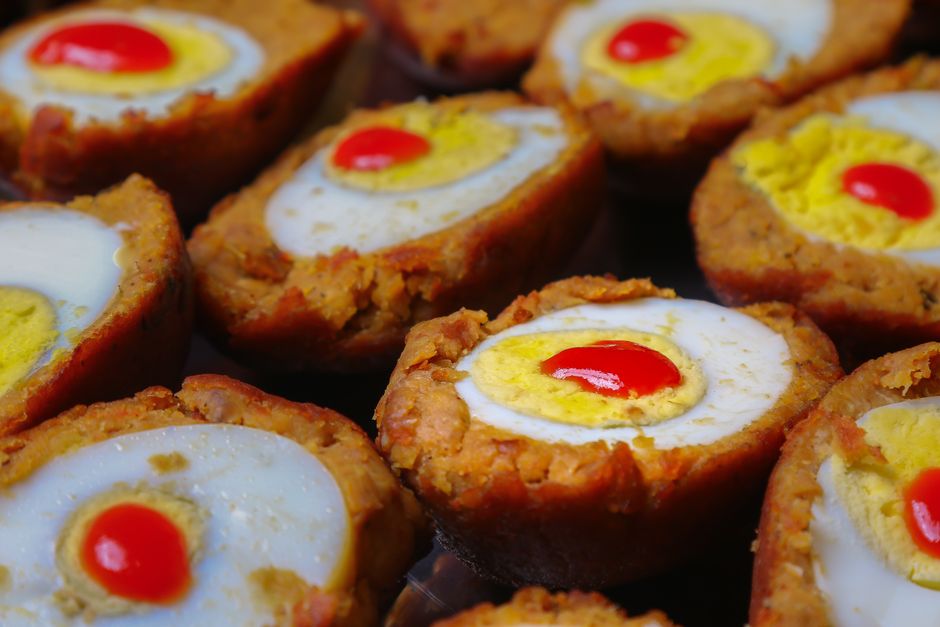
Air Fryer Scotch Eggs: A Crispy, Flavorful Revolution
The quest for a perfectly cooked scotch egg, one that boasts a shatteringly crisp exterior and a gloriously gooey, soft-boiled yolk, has led many down the path of deep-frying. However, a more modern, healthier, and arguably more convenient approach lies within the humble air fryer. Air fryer scotch eggs offer all the classic charm and delectable satisfaction of their deep-fried counterparts, but with significantly less oil, a cleaner kitchen, and a remarkable ease of preparation. This guide will delve deep into the art and science of creating exceptional air fryer scotch eggs, covering everything from selecting the ideal ingredients to mastering the cooking process for consistently outstanding results. We will explore the foundational elements of a great scotch egg, dissect the nuances of air fryer technology in relation to this iconic dish, and provide actionable tips and variations to elevate your scotch egg game.
The foundation of any superb scotch egg is the sausage meat. Opting for a high-quality pork sausage meat is paramount. Look for brands that contain a good proportion of fat, as this contributes to both flavor and moisture. Avoid overly lean sausage meat, as it can result in a dry and less palatable filling. Traditional British pork sausages are ideal, but feel free to experiment with seasoned Italian sausage, chorizo for a spicy kick, or even a blend of pork and beef for added complexity. Seasoning the sausage meat is crucial. Beyond the inherent flavor of the sausage, consider incorporating fresh herbs like parsley, chives, or sage. A pinch of nutmeg, black pepper, and a touch of cayenne pepper can further enhance the taste profile. For a bolder flavor, consider adding a finely minced shallot or a clove of garlic to the mixture. The goal is to create a sausage layer that is not only a textural counterpoint to the egg but also a flavor powerhouse in its own right.
The centerpiece of the scotch egg is, of course, the egg itself. Achieving the perfect soft-boiled yolk is critical. For the ultimate gooey center, aim for a cooking time of 5 to 6 minutes in boiling water. To ensure easy peeling, always start with eggs that are at room temperature and are at least a few days old. Using very fresh eggs can make peeling a frustrating ordeal. Once boiled, immediately plunge the eggs into an ice bath. This stops the cooking process instantly and further aids in the separation of the shell from the membrane. Allow them to cool completely in the ice bath before carefully peeling. Inspect each peeled egg for any cracks or imperfections, as these can lead to the sausage meat leaking out during the cooking process. If you encounter a slightly damaged egg, it can still be salvaged by carefully pressing the shell back into place or by using a small amount of the sausage mixture to patch any small holes.
The binding and coating layers are what create that signature crisp exterior in the air fryer. Traditionally, scotch eggs are coated in flour, then beaten egg, and finally breadcrumbs. This triple coating provides a sturdy barrier and ample surface area for achieving crispiness. For the flour coating, all-purpose flour works well. Seasoning the flour with a little salt and pepper is a simple yet effective way to add another layer of flavor. The beaten egg acts as the adhesive for the breadcrumbs. Whisking two to three eggs with a tablespoon of milk or water will create a sufficient egg wash. For the breadcrumbs, panko breadcrumbs are highly recommended for air fryer cooking. Their larger, airier flakes create a superior crispiness compared to standard breadcrumbs. If you don’t have panko, you can pulse regular breadcrumbs in a food processor to achieve a similar texture. Seasoning the breadcrumbs with a little paprika, garlic powder, or onion powder can add another dimension of flavor and a more appealing golden hue.
Preheating the air fryer is a non-negotiable step for achieving perfectly cooked air fryer scotch eggs. Just as you would preheat a conventional oven, preheating the air fryer ensures that it reaches the optimal cooking temperature from the moment the scotch eggs are introduced. This consistent heat is essential for developing that desirable crispy exterior without overcooking the interior. Aim to preheat your air fryer to a temperature of approximately 375°F (190°C). Most air fryers have a preheating indicator light or a timer function. Allow it to preheat for at least 3 to 5 minutes. This might seem like a minor detail, but it makes a significant difference in the final texture and evenness of cooking.
Now, for the assembly. Take a portion of the seasoned sausage meat and flatten it into a thin patty in the palm of your hand. The thickness of this patty is crucial for even cooking. Too thick, and the sausage meat may not cook through before the breading burns; too thin, and it might be prone to drying out. Aim for a thickness of about ¼ inch. Carefully place a peeled soft-boiled egg in the center of the sausage patty. Gently wrap the sausage meat around the egg, ensuring it is completely encased. Take your time and work the meat around the egg, pressing gently to seal any seams. A smooth, uniform surface is ideal for even cooking. Once the egg is fully enveloped, you can gently roll it in your hands to create a perfectly spherical shape. Ensure there are no gaps or thin spots where the egg yolk might escape during cooking.
The triple coating process is then applied with care. First, roll the sausage-wrapped egg in the seasoned flour, shaking off any excess. Next, dip it into the beaten egg wash, allowing any excess to drip off. Finally, generously coat the egg with the panko breadcrumbs, pressing gently to ensure they adhere firmly to the entire surface. You want a complete and even coating. Repeat this process for all your scotch eggs. Ensure each egg is fully coated, as this forms the barrier that crisps up beautifully in the air fryer and prevents the sausage from sticking to the basket.
Arranging the scotch eggs in the air fryer basket is another critical step for optimal air circulation. Do not overcrowd the basket. This is paramount. Overcrowding will prevent the hot air from circulating effectively around each scotch egg, resulting in uneven cooking and a lack of crispiness. The air fryer works by circulating superheated air, and this circulation is key to achieving that fried texture without submersing the food in oil. If you are cooking a larger batch, it is far better to cook them in multiple rounds. Ensure there is ample space between each scotch egg, allowing the air to flow freely on all sides. This will guarantee a consistently golden-brown and crispy exterior for every single scotch egg.
The cooking time and temperature for air fryer scotch eggs are crucial for achieving the perfect balance of cooked sausage and a runny yolk. Once preheated, place the coated scotch eggs in the air fryer basket in a single layer, ensuring they are not touching. Air fry at 375°F (190°C) for approximately 12 to 15 minutes. The exact cooking time will vary depending on the size of your scotch eggs, the wattage of your air fryer, and how well your air fryer retains heat. Midway through the cooking process, at around the 6 to 8-minute mark, it is highly recommended to carefully flip the scotch eggs. This ensures even browning and cooking on all sides. You can use tongs or a spatula to gently turn them.
During the final minutes of cooking, keep a close eye on your scotch eggs. They should be a rich golden brown, and the sausage meat should be cooked through. To check for doneness, you can carefully insert a meat thermometer into the thickest part of the sausage. It should register an internal temperature of 165°F (74°C). However, the best indicator of perfection is visual: a uniformly golden-brown exterior and a slight firmness to the sausage.
Once cooked, carefully remove the air fryer scotch eggs from the basket and place them on a wire rack to drain and cool slightly. This allows any residual moisture to evaporate, further enhancing the crispiness of the coating. Resist the urge to cut into them immediately, as the molten yolk will be extremely hot and can cause burns. Allow them to rest for at least 5 minutes before serving. This resting period also allows the flavors to meld and the internal structure to set slightly, making them easier to handle and cut.
Serving your air fryer scotch eggs is a matter of personal preference. They are delicious served warm, either whole or cut in half to reveal that glorious, runny yolk. Classic accompaniments include a tangy brown sauce, English mustard, a simple green salad, or pickled onions. For a more substantial meal, they can be served alongside chips or roasted vegetables. The versatility of the scotch egg makes it a perfect appetizer, picnic food, or even a hearty snack.
Variations on the classic scotch egg are endless and easily adaptable to the air fryer. Consider experimenting with different types of sausage. For a vegetarian option, use a plant-based sausage and a vegetarian binding for the breadcrumbs. Spicing things up is easy; incorporate chili flakes or finely chopped jalapeños into the sausage mixture for a fiery kick. For a touch of elegance, try adding finely chopped sun-dried tomatoes or a sprinkle of Parmesan cheese to the breadcrumb coating. You can even create "mini" scotch eggs by using quail eggs and smaller portions of sausage, making them ideal for canapés. The air fryer’s adaptability to various sizes and shapes makes these culinary experiments highly successful.
Storage of leftover air fryer scotch eggs is straightforward. Once cooled completely, store them in an airtight container in the refrigerator for up to 3 days. Reheating them in the air fryer at a slightly lower temperature (around 350°F or 175°C) for a few minutes will help to restore some of their original crispiness. Microwaving will result in a softer, less desirable texture.
The appeal of air fryer scotch eggs extends beyond their taste and texture. They represent a healthier alternative to traditional deep-fried versions, utilizing significantly less oil. This makes them a more guilt-free indulgence, suitable for those conscious of their dietary intake. The reduced oil content also translates to a cleaner cooking environment, eliminating the splatter and mess often associated with deep-frying.
In conclusion, mastering air fryer scotch eggs unlocks a world of delicious possibilities. By focusing on quality ingredients, precise techniques for egg preparation and sausage casing, and understanding the nuances of air fryer cooking, you can consistently produce scotch eggs that are both visually appealing and incredibly flavorful. The convenience and health benefits associated with air frying further solidify its position as the superior method for preparing this beloved British classic. Experiment with the suggested variations and discover your own signature air fryer scotch egg.


