Spaetzle Sauerkraut And Sausage Casserole
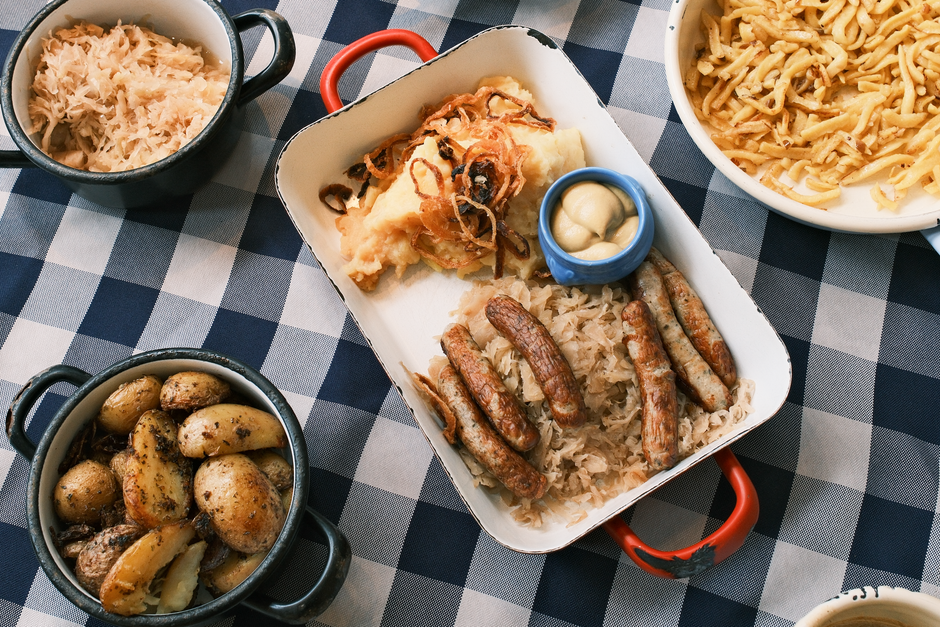
Spaetzle Sauerkraut Sausage Casserole: A Hearty German Classic
Spaetzle sauerkraut sausage casserole is a robust and flavorful dish, deeply rooted in German culinary traditions. This comforting bake combines the chewy, tender strands of spaetzle, the sharp, tangy bite of sauerkraut, and the savory depth of various sausages, all melded together in a creamy, often cheesy, sauce. Its appeal lies in its simplicity, its ability to be a complete meal in one dish, and its soul-warming qualities, making it a perennial favorite, particularly during colder months or for celebratory family gatherings. Understanding the components and their interplay is key to appreciating this hearty casserole. Spaetzle, often referred to as German egg noodles, are characterized by their irregular shapes and soft, pillowy texture, achieved through a simple batter of eggs, flour, and milk or water, which is then pressed or scraped through a spaetzle maker or colander into boiling water. Sauerkraut, fermented cabbage, provides a crucial acidic counterpoint to the richness of the other ingredients, offering a briny tang and a delightful crunch that cuts through the creamy sauce. The sausage component is highly versatile, with options ranging from mild bratwurst to spicy kielbasa or smoked pork sausage, each contributing a distinct flavor profile and fatty richness that binds the dish together. This harmonious blend of textures and tastes is what elevates a simple collection of ingredients into a truly memorable and satisfying meal.
The historical origins of spaetzle sauerkraut sausage casserole, while not definitively pinpointed to a single inventor or date, can be traced back to the agricultural regions of Southern Germany, particularly Swabia. Spaetzle itself is believed to have originated in the Swabian region, with its name possibly deriving from the Swabian dialect word “Spätzle,” meaning "little sparrow," perhaps due to its irregular shape resembling the small birds. The simplicity of spaetzle’s ingredients – flour, eggs, and liquid – made it an accessible and economical staple for rural populations. Sauerkraut, a method of food preservation involving lactic acid fermentation of cabbage, has been a cornerstone of European diets for centuries, particularly in regions with long winters where fresh produce was scarce. Its ability to preserve nutrients and provide a readily available source of vitamins made it invaluable. Sausage making, too, is an ancient practice, serving as another effective method of preserving meat. The combination of these three elements – spaetzle, sauerkraut, and sausage – in a baked casserole likely emerged as a practical and delicious way to utilize readily available ingredients, transform them into a more cohesive and comforting dish, and maximize their flavor through baking. Over time, variations emerged, incorporating onions, garlic, and various cheeses to enhance the flavor and texture, solidifying its status as a beloved comfort food. The dish’s adaptability to different regional sausage types and spice preferences further cemented its widespread popularity across German-speaking territories and beyond, as German immigrants carried their culinary traditions to new lands.
Crafting a delicious spaetzle sauerkraut sausage casserole begins with selecting high-quality ingredients, each playing a vital role in the final flavor profile and texture. For the spaetzle, fresh eggs, a good all-purpose flour, and milk or water are essential. Some recipes opt for a touch of nutmeg in the spaetzle batter for subtle warmth. The quality of the sauerkraut is paramount. Opt for naturally fermented sauerkraut, ideally from a local producer or one that offers a robust, tangy flavor without excessive vinegar. Pre-shredded or canned sauerkraut can be used, but draining it thoroughly is crucial to avoid a watery casserole. The sausage choice significantly impacts the dish. Classic choices include bratwurst, kielbasa, or smoked pork sausage. Bratwurst offers a mild, herbaceous flavor, while kielbasa provides a smoky, garlicky depth. Smoked pork sausage can bring a more intense smoky and savory note. Some variations even incorporate a mix of sausages for a more complex flavor. Beyond these core components, aromatics like finely chopped yellow onion and minced garlic form the flavor base. For the sauce, heavy cream or half-and-half provides richness, while butter adds a luxurious mouthfeel. Cheese is often incorporated, with Gruyère, Swiss, or even sharp cheddar being popular choices for their melting properties and nutty, savory flavors. Seasoning is critical; salt, freshly ground black pepper, and often a pinch of caraway seeds, which complement sauerkraut beautifully, are key. Some recipes might include a dash of Dijon mustard for a subtle tang or a bay leaf during the initial cooking of the sausage and aromatics. The quality of each component directly influences the final dish; using fresh, flavorful ingredients will result in a far superior casserole.
The preparation of spaetzle sauerkraut sausage casserole involves several distinct steps, each contributing to the final harmonious blend of flavors and textures. The process typically begins with preparing the spaetzle. A simple batter is whisked together, and then, using a spaetzle maker or a colander with large holes, small pieces of dough are dropped into rapidly boiling salted water. The spaetzle cook quickly, floating to the surface when done, and are then strained. Some recipes call for sautéing the cooked spaetzle briefly in butter for added flavor and texture, though this is optional. Simultaneously, the sausages are cooked. This can involve pan-frying, grilling, or baking, depending on the type of sausage and desired outcome. Once cooked, the sausages are usually sliced into bite-sized pieces. The aromatics, finely chopped onion and minced garlic, are then sautéed in the same pan used for the sausage, often with a knob of butter, until softened and fragrant. This process extracts their sweetness and builds the flavor foundation for the sauce. The sauerkraut is typically drained very well to remove excess liquid, which can make the casserole watery. Some cooks prefer to lightly sauté the sauerkraut with the onions and garlic to mellow its sharpness and deepen its flavor. The creamy sauce is then constructed. Often, this involves a simple roux made by melting butter, whisking in flour, and cooking for a minute or two before gradually whisking in cream or milk until thickened. Alternatively, a simpler sauce can be made by directly combining cream with sautéed aromatics and simmering until reduced. The cooked spaetzle, sliced sausage, and drained sauerkraut are then combined in a large bowl or directly in the baking dish. The sauce is poured over the mixture, and everything is gently tossed to ensure even coating. If using cheese, it is often stirred into the sauce or layered on top. The entire mixture is then transferred to a greased baking dish and baked in a preheated oven until bubbly and golden brown. The baking time and temperature can vary, but typically range from 30 to 45 minutes at 375-400°F (190-200°C). Allowing the casserole to rest for a few minutes after baking helps the flavors meld and makes it easier to serve.
Variations on the classic spaetzle sauerkraut sausage casserole are abundant, reflecting regional preferences and individual culinary creativity. One common variation involves the type of sausage used. While bratwurst and kielbasa are traditional, other options like smoked chorizo can introduce a spicy kick, or Italian sausage can add a different herb profile. Some recipes opt for a combination of sausages for a more complex flavor. The cheese component also offers significant room for customization. Beyond Gruyère and Swiss, consider the sharp tang of aged cheddar, the creamy richness of fontina, or the mildness of Monterey Jack. A blend of cheeses can create a more nuanced and appealing topping. For those seeking a lighter dish, substituting some of the cream with milk or even a low-fat milk can be explored, though this will alter the richness. Vegetarian adaptations can be made by replacing the sausage with hearty mushrooms, such as portobello or shiitake, which offer a meaty texture and umami flavor. Smoked tofu or plant-based sausages are also viable alternatives. The addition of other vegetables can further enhance the dish. Diced bell peppers, either green or red, can add sweetness and color. Mushrooms, beyond being a sausage substitute, can also be added for their earthy flavor. A touch of smoked paprika or a pinch of red pepper flakes can boost the heat and smoky notes. Some chefs incorporate a tablespoon of Dijon mustard into the sauce for an added layer of complexity and tang. For a richer, more decadent version, a béchamel sauce can be used instead of a simple cream sauce, adding an extra layer of creamy indulgence. The choice of herbs can also be varied; while caraway is traditional with sauerkraut, fresh parsley or chives can be added as a garnish for freshness and color. Even the cooking method of the sauerkraut can be altered; some prefer to rinse the sauerkraut before use to reduce its acidity, while others might ferment it further for a more intense flavor. These variations demonstrate the inherent flexibility of this casserole, allowing it to be adapted to diverse tastes and dietary needs.
The nutritional profile of spaetzle sauerkraut sausage casserole, while primarily a comfort food, can be considered in terms of its macronutrient breakdown and potential health benefits, particularly when viewed through the lens of balanced eating. As a hearty dish, it is calorically dense, primarily due to the presence of carbohydrates in the spaetzle, fats in the sausage and sauce, and protein from the sausage and eggs. A typical serving will provide a significant amount of energy, making it a good option for individuals who require substantial caloric intake or are engaged in strenuous physical activity. The protein content is substantial, contributing to muscle repair and satiety. The fats, while contributing to richness, are also a source of energy and aid in the absorption of fat-soluble vitamins. Carbohydrates from the spaetzle provide the body’s primary fuel source. The sauerkraut component offers a unique nutritional advantage. As a fermented food, it is a good source of probiotics, beneficial bacteria that can support gut health and digestion. Probiotics have been linked to a strengthened immune system and improved nutrient absorption. Furthermore, sauerkraut is a source of dietary fiber, which is important for digestive regularity and can contribute to feelings of fullness. It also contains vitamins C and K, and various minerals. However, due to the common inclusion of sausage and sometimes cheese, the sodium content can be relatively high, which is a consideration for individuals monitoring their sodium intake. The fat content, particularly saturated fat, can also be significant depending on the type of sausage and richness of the sauce. Strategies for moderating these aspects include choosing leaner sausages, using lower-fat dairy products in the sauce, and being mindful of portion sizes. The overall nutritional value is a balance between the energy-providing elements and the beneficial nutrients offered by the sauerkraut, making it a satisfying and sometimes surprisingly nourishing meal when prepared with some attention to ingredient choices.
Serving suggestions for spaetzle sauerkraut sausage casserole are varied, aiming to complement the dish’s rich and savory character. Given its hearty nature, it often stands alone as a complete meal. However, it pairs exceptionally well with simple green salads dressed with a light vinaigrette to provide a refreshing counterpoint to the richness of the casserole. Pickled vegetables, such as dill pickles or pickled beets, can also offer a welcome tang and acidity. A dollop of sour cream or a spoonful of applesauce can add a creamy or sweet dimension, respectively, and are classic accompaniments in German cuisine. For a more substantial meal, crusty bread, such as a dark rye or pumpernickel, is ideal for sopping up any remaining sauce. In terms of beverages, a crisp lager or a German-style wheat beer complements the flavors beautifully. A dry white wine, such as a Riesling, can also cut through the richness. For non-alcoholic options, sparkling water with a squeeze of lemon or unsweetened iced tea are refreshing choices. The casserole is best served hot, straight from the oven, when the cheese is melted and bubbly and the flavors are at their peak. Allowing it to rest for a few minutes before serving helps it set slightly, making it easier to portion. The visual appeal of the dish, with its golden-brown topping and visible chunks of sausage and spaetzle, is also part of its charm.
The longevity and enduring popularity of spaetzle sauerkraut sausage casserole can be attributed to several key factors that resonate with modern diners as much as they did with past generations. Its status as a quintessential comfort food is undeniable. The combination of warm, starchy spaetzle, tangy sauerkraut, and savory sausage evokes feelings of home, tradition, and nourishment. In an era where many people seek connection to their heritage and appreciate well-executed, honest cooking, this casserole delivers. Its inherent versatility also contributes to its widespread appeal. The ability to adapt the sausage type, cheese selection, and accompanying spices means it can be tailored to individual preferences and even seasonal availability. This adaptability makes it a dish that can be revisited frequently without becoming monotonous. Furthermore, the rise of “slow food” and appreciation for regional specialties has brought dishes like this back into the spotlight. It represents a type of cooking that is unpretentious, uses straightforward ingredients, and emphasizes flavor development through simple techniques. In a world often dominated by quick fixes and fleeting food trends, the enduring appeal of spaetzle sauerkraut sausage casserole lies in its fundamental deliciousness, its comforting familiarity, and its ability to satisfy on a primal level. It is a testament to the enduring power of simple, well-made food to bring people together and create lasting culinary memories. Its inclusion on menus in German restaurants worldwide and its frequent appearance in home kitchens across continents underscore its status as a truly global comfort food.