
Shrimp And Noodles With Chili Crisp Sauce

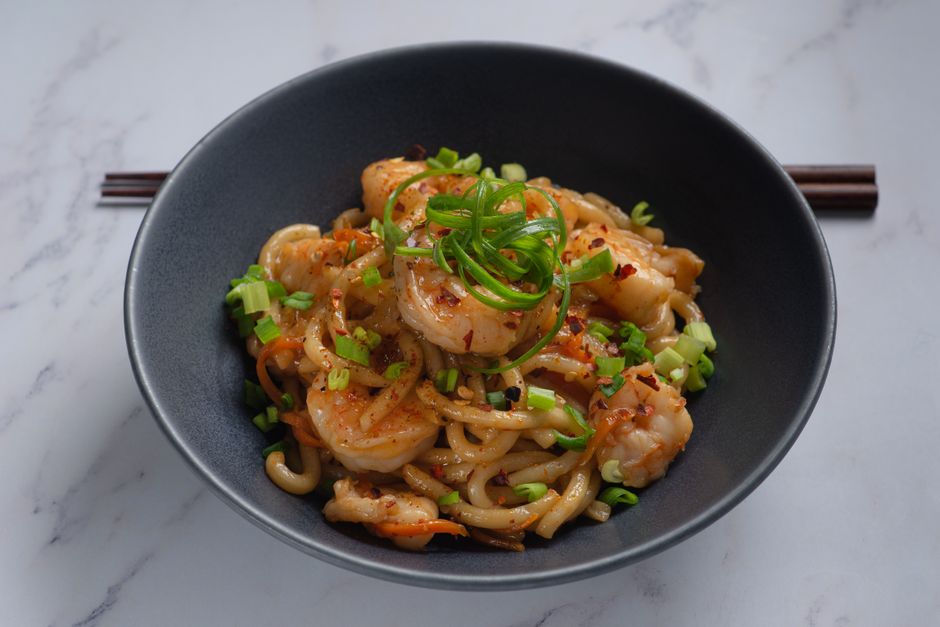
Spicy Shrimp and Noodles with Chili Crisp Sauce: A Culinary Deep Dive for Food Enthusiasts and Home Cooks
This article explores the popular and intensely flavorful dish of shrimp and noodles with chili crisp sauce, dissecting its components, offering variations, and providing actionable advice for creating restaurant-quality results in a home kitchen. Chili crisp, a condiment that has rapidly gained global recognition, forms the linchpin of this dish, its complex flavor profile of savory, spicy, and umami notes perfectly complementing the sweetness of shrimp and the satisfying chew of noodles. We will delve into the origins and characteristics of chili crisp, examine the best noodle choices for this application, discuss optimal shrimp preparation techniques, and finally, detail the art of constructing this dynamic and delicious meal.
Chili crisp is not merely a spicy oil; it is a textural marvel and a flavor powerhouse. Its foundational elements typically include dried chili flakes (often a blend for nuanced heat and aroma), crispy fried aromatics such as garlic and shallots, and sometimes Sichuan peppercorns for their signature numbing tingle. The process of making chili crisp involves carefully frying these ingredients in oil at controlled temperatures to achieve optimal crispiness without burning. This creates a condiment that delivers a satisfying crunch alongside a deep, lingering heat. The oil itself becomes infused with the essence of the chilies and aromatics, forming a rich, flavorful base. Different brands and homemade versions of chili crisp will offer varying levels of spice, sweetness, and specific aromatic notes, allowing for considerable customization within this dish. Understanding the flavor profile of your chosen chili crisp is crucial for balancing its intensity with the other ingredients. For instance, a sweeter chili crisp might require a touch more acidity to cut through its richness, while a very spicy one might benefit from a creamier element or a more cooling noodle base. The versatility of chili crisp means it can be adapted to various Asian cuisines, but its application in a shrimp and noodle dish is particularly harmonious.
The noodle component of this dish is fundamental to its success, providing both a vehicle for the sauce and a contrasting texture. Several noodle types excel in this application, each offering a unique eating experience. Fresh or dried wheat noodles, such as Chinese egg noodles or ramen noodles, are excellent choices due to their ability to absorb sauce and their satisfying chewiness (al dente). Their slightly firm texture holds up well against the chili crisp and plump shrimp. Alternatively, wider, flat rice noodles, like hor fun or wide rice noodle sheets, offer a more substantial bite and a silkier mouthfeel. Their neutral flavor profile allows the chili crisp sauce to take center stage. For those seeking a gluten-free option, rice vermicelli or cellophane noodles (glass noodles) can also be employed. Vermicelli, being thin, will cook quickly and absorb sauce rapidly, creating a very saucy dish. Cellophane noodles, made from mung bean starch, offer a unique translucent appearance and a slippery, slightly springy texture. The key consideration when selecting noodles is their ability to hold the chili crisp sauce without becoming soggy or overly cloying. Overcooked noodles will detract significantly from the textural contrast that makes this dish so appealing. Therefore, precise cooking according to package directions is paramount.
Shrimp, a popular and relatively quick-cooking protein, provides a delicate sweetness and a succulent texture that beautifully contrasts the bold flavors of the chili crisp sauce. The type and size of shrimp can influence the overall dish. Medium to large shrimp, such as those labeled “21-25 count” or “16-20 count” per pound, are ideal. Their size ensures they don’t get lost in the noodles and sauce and cook through without becoming rubbery. Opting for peeled and deveined shrimp significantly streamlines the preparation process. Fresh or frozen shrimp can be used, with frozen shrimp being a perfectly acceptable and convenient option, provided they are properly thawed. Thawing can be done by placing them in a bowl of cold water for about 15-20 minutes or overnight in the refrigerator. Overcooking shrimp is a common pitfall, leading to a tough, unappetizing texture. Shrimp cook very rapidly, usually requiring only 2-3 minutes per side in a hot pan. The key indicator of cooked shrimp is when they turn opaque and curl into a C-shape. Overcooked shrimp will curl into a tight O-shape and become tough. Marinating the shrimp briefly before cooking can infuse them with additional flavor. A simple marinade of soy sauce, a touch of sesame oil, and a pinch of white pepper can enhance their taste. However, given the potent flavor of chili crisp, a complex marinade is often unnecessary.
Constructing the shrimp and noodles with chili crisp sauce involves a layered approach to maximize flavor and texture. The base of the dish is, of course, the cooked noodles. While the noodles are cooking, the shrimp are typically pan-seared or stir-fried. A hot skillet, a moderate amount of high-smoke-point oil (such as grapeseed or avocado oil), and quick cooking are essential for achieving perfectly cooked shrimp with a slight sear. Once the shrimp are cooked, they are set aside. The chili crisp sauce itself is usually built directly in the pan after the shrimp have been removed. This allows the residual flavors from the shrimp to meld with the chili crisp. The sauce often begins with a base of garlic and ginger, sautéed briefly until fragrant. Then, the chili crisp is added, along with other complementary ingredients. Common additions to the chili crisp sauce include soy sauce for saltiness and umami, rice vinegar or black vinegar for a balancing acidity, and a touch of sugar or honey to temper the heat and add a subtle sweetness. Some recipes might incorporate a splash of Shaoxing wine for depth of flavor. The cooked noodles are then added directly to the pan with the sauce, along with the cooked shrimp. Everything is tossed together to ensure the noodles and shrimp are thoroughly coated. This final tossing step is crucial for allowing the flavors to meld and the noodles to absorb the sauce.
For an elevated presentation and added layers of flavor and texture, garnishes play a vital role. Fresh herbs, such as chopped cilantro or scallions, provide a bright, fresh counterpoint to the richness of the chili crisp. Toasted sesame seeds add a nutty crunch. A drizzle of toasted sesame oil just before serving can enhance the aroma and add another dimension of nutty flavor. For those who enjoy an extra kick, a few extra flakes of dried chili or a sprinkle of Sichuan peppercorns can be added as a final garnish. The visual appeal of this dish is also enhanced by the vibrant colors of the shrimp, the noodles, and the various garnishes. A well-executed shrimp and noodle dish with chili crisp sauce is a feast for both the eyes and the palate, offering a symphony of tastes and textures.
Exploring variations of this foundational recipe opens up a world of culinary possibilities. For a creamy iteration, a spoonful of tahini or a swirl of coconut milk can be incorporated into the chili crisp sauce. This adds a luxurious richness and mellows the spice. Adding a variety of vegetables can boost the nutritional content and introduce additional textures and flavors. Snow peas, bell peppers, bok choy, or shiitake mushrooms are excellent additions, typically stir-fried briefly before being combined with the noodles and sauce. For a heartier meal, consider adding pan-fried tofu or thinly sliced pork belly. The spice level can be finely tuned by adjusting the amount of chili crisp used or by incorporating different types of chili flakes into a homemade version. The acidity can be manipulated by using different vinegars, such as balsamic vinegar for a sweeter, more complex tang, or lime juice for a brighter, citrusy note.
The popularity of chili crisp has spawned a wave of creative applications beyond this specific dish, but its synergy with shrimp and noodles remains a benchmark for its versatility and deliciousness. This dish is a testament to how simple, high-quality ingredients, combined with a few strategic flavor boosters, can create an exceptionally satisfying and memorable meal. Mastering the art of chili crisp sauce preparation, understanding noodle textures, and perfecting shrimp cooking techniques are all within reach for the home cook, allowing for consistent and impressive results. The adaptability of this recipe ensures it can be a quick weeknight meal or a centerpiece for a more elaborate gathering, always delivering on bold flavor and textural intrigue. The deep dive into the components and construction of shrimp and noodles with chili crisp sauce reveals a dish that is as accessible as it is sophisticated, a true triumph of modern Asian-inspired cuisine.


