
Roasted Beets With Feta

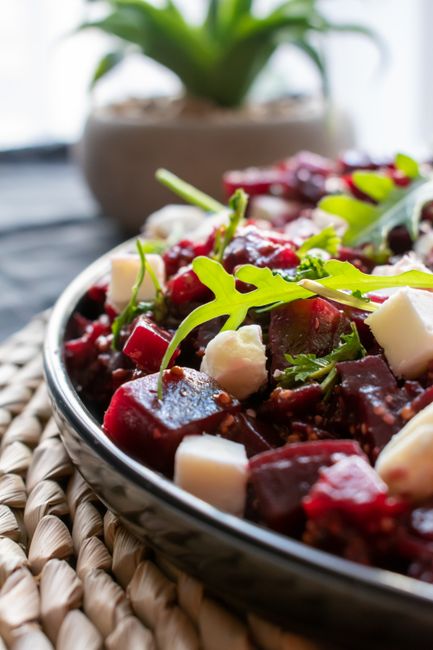
Roasted Beets with Feta: A Deep Dive into a Delectable and Nutritious Dish
The vibrant, earthy sweetness of roasted beets, complemented by the salty tang of crumbled feta cheese, creates a dish that is both visually stunning and profoundly satisfying. This culinary pairing transcends simple side dish status, offering a complex flavor profile and a wealth of nutritional benefits. Roasting intensifies the natural sugars within beets, transforming their sometimes-assertive earthiness into a mellow, caramelized sweetness. This process also softens their texture, making them incredibly tender and yielding. The addition of feta cheese, a brined curd cheese typically made from sheep’s milk, goats’ milk, or a combination of both, provides a sharp, salty counterpoint that cuts through the sweetness of the beets. The crumbly texture of feta also adds a delightful textural contrast to the soft, roasted roots. Beyond their deliciousness, beets are nutritional powerhouses, packed with vitamins, minerals, and antioxidants. Feta, while often viewed as a flavor enhancer, also contributes valuable protein and calcium to the dish. This article will explore the intricate details of preparing, understanding, and appreciating roasted beets with feta, delving into ingredient selection, preparation techniques, flavor variations, health benefits, and optimal serving suggestions to maximize its appeal for both home cooks and those seeking informative content online.
Selecting the finest ingredients forms the bedrock of any successful culinary endeavor, and for roasted beets with feta, this principle holds paramount importance. The beets themselves are the stars, and their quality directly dictates the final outcome. Opt for fresh, firm beets, free from soft spots, bruises, or excessive blemishes. Their size can vary, but generally, medium-sized beets are ideal as they tend to be sweeter and more tender than very large specimens, which can sometimes be woody. The skin should be smooth and taut. While red beets are the most common and visually striking, consider exploring other varieties for nuanced flavor and aesthetic appeal. Golden beets offer a milder, sweeter flavor profile and a beautiful golden hue that doesn’t stain. Chioggia beets, also known as candy stripe beets, present a captivating concentric ring pattern when sliced, adding a unique visual element to the dish. When purchasing beets, look for those still attached to their greens. These beet greens are incredibly nutritious and can be prepared separately as a delicious side dish, adding another layer of culinary versatility. The feta cheese is equally crucial. For the most authentic and flavorful experience, choose a high-quality Greek feta, preferably made from sheep’s milk or a blend of sheep and goat’s milk. This type of feta typically offers a richer, creamier texture and a more complex, tangy flavor compared to cow’s milk feta. Look for feta packed in brine; this indicates a fresher, less processed product and ensures a superior salty bite. The brine itself can also be utilized sparingly to enhance the seasoning of the dish, adding another dimension of salty depth. Beyond the primary components, consider the accompanying elements. Extra virgin olive oil is the preferred choice for roasting the beets. Its robust flavor and healthy monounsaturated fats contribute significantly to the overall taste and texture. Fresh herbs, such as thyme, rosemary, or dill, can be incorporated during the roasting process or as a fresh garnish, offering aromatic complexity. A touch of acidity, often in the form of balsamic glaze or lemon juice, can further elevate the dish by balancing the sweetness and saltiness. Careful consideration of each ingredient, from the humble beet to the finishing drizzle of balsamic, is the first step towards crafting an exceptional roasted beet and feta dish.
The transformative process of roasting beets unlocks their inherent sweetness and softens their dense texture, making them an absolute delight. The method for preparing roasted beets is relatively straightforward, yet subtle variations can significantly impact the final result. Begin by thoroughly washing the beets to remove any soil. Trimming off the leaves and stems is essential; however, if you plan to cook the greens separately, leave a small amount of stem attached to prevent "bleeding" of the vibrant color. For larger beets, it’s advisable to cut them into uniform pieces, such as quarters or ½-inch cubes, to ensure even cooking. Smaller beets can often be roasted whole. The most common and effective method for roasting beets involves coating them in olive oil and salt. Drizzle a generous amount of extra virgin olive oil over the prepared beets, ensuring each piece is lightly coated. Season liberally with kosher salt and freshly ground black pepper. For whole beets, wrap them individually in aluminum foil. For cut beets, spread them in a single layer on a baking sheet. Roasting temperature is a critical factor. A moderate oven temperature, typically between 375°F (190°C) and 400°F (200°C), allows the beets to cook through while developing a beautiful caramelization. The cooking time will vary depending on the size of the beets. Whole beets can take anywhere from 45 minutes to 1.5 hours, while cut beets may be ready in 30-45 minutes. To check for doneness, pierce a beet with a fork or knife; it should be tender and easily pierced. Once roasted, allow the beets to cool slightly before handling. For whole beets, the skins will slip off easily once they are cool enough to touch. For cut beets, the skins can be peeled with a paring knife. The crucial step of adding the feta cheese can be done in several ways. For a warm, slightly melty feta, crumble it over the freshly roasted, warm beets and allow the residual heat to soften it. For a more distinct textural contrast, add the crumbled feta just before serving, allowing the coolness of the cheese to juxtapose with the warmth of the beets. A drizzle of balsamic glaze or a squeeze of fresh lemon juice over the finished dish provides a welcome burst of acidity, cutting through the richness and sweetness. Experimentation with herbs during the roasting process is also highly recommended. Sprigs of fresh thyme or rosemary tucked among the beets infuse them with their aromatic essence. Alternatively, a sprinkle of finely chopped fresh dill or parsley added just before serving offers a bright, herbaceous finish. Mastering these roasting techniques ensures perfectly tender, flavorful beets that serve as an ideal canvas for the salty crumble of feta.
The inherent nutritional profile of roasted beets with feta cheese elevates this dish beyond mere indulgence, positioning it as a valuable contributor to a healthy and balanced diet. Beets are a veritable treasure trove of essential nutrients. Their deep red hue is indicative of potent anthocyanins, a class of antioxidants that combat cellular damage and inflammation. These compounds are thought to play a role in reducing the risk of chronic diseases, including certain cancers and cardiovascular conditions. Beyond antioxidants, beets are an excellent source of dietary fiber, crucial for digestive health, promoting satiety, and helping to regulate blood sugar levels. Their fiber content aids in preventing constipation and supports a healthy gut microbiome. Furthermore, beets are rich in essential vitamins and minerals. They are a good source of folate (vitamin B9), vital for cell growth and DNA formation, particularly important during pregnancy. Beets also provide notable amounts of manganese, a trace mineral involved in bone health, metabolism, and antioxidant defense. Other vitamins and minerals found in beets include vitamin C, potassium, and iron. Potassium is essential for maintaining healthy blood pressure and fluid balance, while iron is crucial for oxygen transport in the blood. The unique nitrates present in beets are particularly noteworthy. When consumed, these nitrates are converted into nitric oxide in the body, a molecule that helps to relax and widen blood vessels, leading to improved blood flow and lower blood pressure. This cardiovascular benefit makes beets a valuable addition to the diet for individuals concerned with heart health. Feta cheese, while often perceived as a decadent ingredient, also contributes positively to the nutritional makeup of this dish. As a dairy product, it is a good source of protein, essential for muscle repair and growth, and for feeling full and satisfied. Feta also provides calcium, a mineral vital for strong bones and teeth, and for various bodily functions like nerve transmission and muscle contraction. While feta does contain fat, it’s important to note that the portion size typically used in this dish is moderate, and the fat can contribute to satiety and the absorption of fat-soluble vitamins. When prepared with healthy fats like extra virgin olive oil, roasted beets with feta becomes a well-rounded dish that offers a compelling combination of micronutrients, macronutrients, and beneficial phytochemicals. Understanding these nutritional contributions allows for a more informed appreciation of this delicious and health-promoting meal.
The versatility of roasted beets with feta allows it to transcend the confines of a simple side dish, seamlessly integrating into a variety of culinary contexts and offering a spectrum of flavor profiles through thoughtful additions and adjustments. The fundamental pairing of earthy-sweet roasted beets with the salty tang of feta provides a robust foundation, and from there, the possibilities for enhancement are vast. For those seeking to amplify the sweetness and add a layer of complexity, a drizzle of honey or maple syrup over the warm beets before the feta is added can create a delightful sweet-and-salty dynamic. This is particularly effective when serving the dish as an appetizer. Incorporating toasted nuts, such as walnuts, pecans, or slivered almonds, introduces a welcome crunch and nutty depth that complements both the beets and the feta. Toasting these nuts beforehand intensifies their flavor and aroma. Citrus elements can provide a bright, refreshing counterpoint. A squeeze of fresh lemon juice or lime juice over the finished dish, or even the zest of an orange or lemon, can cut through the richness and awaken the palate. For a more robust flavor profile, consider adding a touch of heat. A pinch of red pepper flakes sprinkled over the beets during roasting or just before serving can add a subtle, lingering warmth. Balsamic vinegar, especially a good quality balsamic glaze, is a classic accompaniment that adds a touch of tangy sweetness and depth. Caramelizing onions alongside the beets during roasting can introduce another layer of sweetness and a savory dimension. Fresh herbs play a pivotal role in defining the character of roasted beets with feta. While thyme and rosemary are excellent choices for roasting, fresh dill, mint, or parsley are superb for a fresh, herbaceous garnish. Mint, in particular, offers a cooling contrast to the earthy beets. For a heartier meal, roasted beets with feta can serve as a foundation for a more substantial dish. Tossed with cooked quinoa or farro, it transforms into a filling grain salad. Added to a bed of mixed greens, it becomes a vibrant and satisfying salad. Roasted beets with feta also pairs exceptionally well with grilled or roasted meats, such as lamb, chicken, or pork, acting as a sophisticated and flavorful accompaniment. Consider the texture of the feta. While crumbled feta is the standard, a creamy goat cheese can be substituted for a milder, more nuanced flavor and a creamier mouthfeel. Alternatively, a sharp, aged cheddar can offer a more intense savory note. When preparing this dish for a special occasion, presentation matters. A scattering of fresh pomegranate seeds over the finished dish adds a jewel-like visual appeal and a burst of tart sweetness. Microgreens or edible flowers can also elevate the aesthetic, transforming a simple dish into a work of art. The key to unlocking the full potential of roasted beets with feta lies in understanding how different flavor profiles and textures interact, allowing for a personalized and endlessly adaptable culinary creation.
Serving roasted beets with feta cheese presents a delightful opportunity to complement its inherent flavors and textures, thereby enhancing its appeal across a spectrum of dining occasions. The visual appeal of the vibrant beet hues and the snowy white crumble of feta makes it a natural showstopper as an appetizer. Arrange the warm, roasted beets artfully on a platter, then generously scatter the crumbled feta over the top. A drizzle of balsamic glaze, a scattering of toasted walnuts or pistachios, and a few sprigs of fresh dill or parsley will create a visually stunning and palate-pleasing starter that is both light and satisfying. As a side dish, roasted beets with feta offers a sophisticated counterpoint to a wide range of main courses. Its earthy sweetness and salty tang provide a welcome contrast to rich, savory meats like grilled lamb chops, pan-seared steak, or roasted chicken. The dish can also serve as a vibrant accompaniment to fish, particularly salmon or cod, where its earthiness can be a delightful foil to the delicate flavor of the fish. For a vegetarian or vegan meal, roasted beets with feta can be a star component. Tossed with cooked grains like quinoa, couscous, or farro, and perhaps some additional vegetables such as arugula or spinach, it transforms into a substantial and flavorful main course salad. The feta cheese can be omitted for a vegan version, or a vegan feta alternative can be used. The dish also shines as part of a mezze platter or a charcuterie board. Its vibrant color and unique flavor profile add interest and complexity to a spread of dips, cheeses, cured meats, and breads. When serving, consider the temperature. While best served warm or at room temperature to allow the flavors to meld, chilled roasted beets with feta can also be a refreshing option, particularly in warmer months. The texture of the feta is paramount; ensure it is crumbled just before serving to maintain its crumbly integrity and prevent it from becoming overly mushy. The acidity is another crucial element in balancing the flavors. A final squeeze of fresh lemon juice or a light drizzle of vinaigrette can elevate the dish by cutting through the sweetness of the beets and the saltiness of the feta, creating a more harmonious and balanced flavor profile. Presentation can be further enhanced with garnishes such as fresh herbs, edible flowers, or a sprinkle of microgreens. For a more casual setting, serving it family-style in a large bowl allows for easy sharing and interaction. Regardless of the occasion, the key to a successful presentation of roasted beets with feta lies in respecting the integrity of the core ingredients while thoughtfully incorporating complementary elements that enhance its overall deliciousness and visual appeal.


