
Scallops With Pesto Cream Sauce

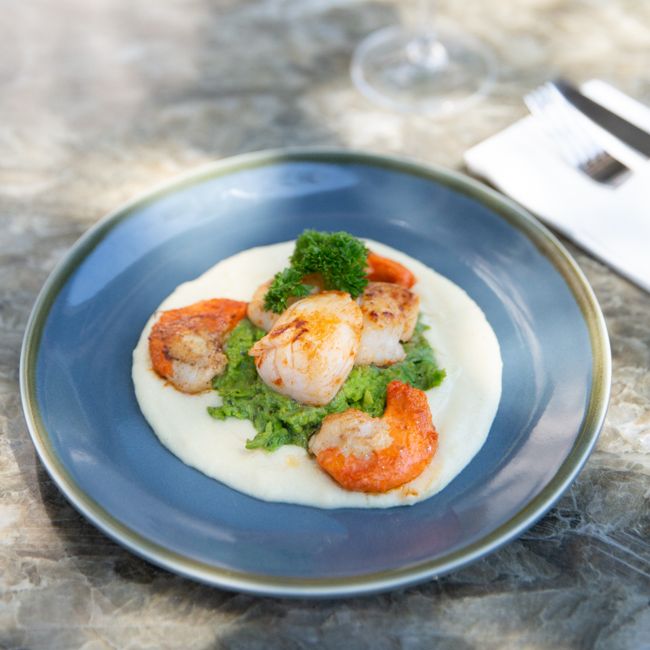
Pan-Seared Scallops with Luxurious Pesto Cream Sauce: A Culinary Masterpiece
Pan-seared scallops, a delicacy revered for their sweet, tender texture and delicate briny flavor, reach an unparalleled level of culinary sophistication when enveloped in a rich, vibrant pesto cream sauce. This dish transcends simple preparation, offering a symphony of tastes and textures that delight the palate and impress even the most discerning diner. The inherent elegance of perfectly cooked scallops, coupled with the herbaceous brightness of pesto and the silken indulgence of cream, creates a dish that is both comforting and remarkably refined. Mastering this recipe involves understanding the nuances of searing scallops to achieve that coveted golden-brown crust while maintaining a tender, translucent interior, and then artfully blending the classic elements of pesto with a velvety cream base. The result is a versatile dish suitable for an intimate dinner party, a romantic evening, or as a sophisticated starter that awakens the appetite. This comprehensive guide will delve into every aspect of creating this exquisite meal, from ingredient selection and preparation techniques to serving suggestions and wine pairings, ensuring a successful and memorable culinary experience.
Understanding the Star: The Art of Selecting and Preparing Scallops
The foundation of a superior scallop dish lies in the quality of the scallops themselves. For pan-searing, dry-packed sea scallops are the unequivocal choice. Unlike their wet-packed counterparts, which are treated with a phosphate solution that makes them absorb water and thus less flavorful and harder to sear properly, dry-packed scallops retain their natural moisture and firm texture. Visually, dry-packed scallops should appear plump, firm, and ivory-white or slightly beige. Avoid scallops that look excessively bright white or have a slick, almost slimy appearance, as these are likely wet-packed. Freshness is paramount; they should have a mild, oceanic aroma, devoid of any strong fishy or ammonia-like smells. If using frozen scallops, ensure they are individually quick-frozen (IQF) and have been thawed slowly in the refrigerator for optimal results. Prior to cooking, thoroughly pat the scallops dry with paper towels. This crucial step is essential for achieving a beautiful, crisp sear. Residual moisture will steam the scallops instead of searing them, resulting in a rubbery texture and a lack of desirable browning. Remove the small, tough side muscle, often referred to as the "foot," which can detract from the overall texture. This is easily peeled away with your fingers.
The Soul of the Sauce: Crafting a Vibrant Pesto Cream
The pesto cream sauce is where the dish truly elevates. A classic pesto, originating from Genoa, Italy, is a vibrant emulsion of fresh basil, pine nuts, garlic, Parmesan cheese, and olive oil. For this sauce, the pesto acts as the flavor powerhouse, infused into a luxurious cream base. The key is to use the freshest, highest-quality ingredients. Basil leaves should be bright green and fragrant. Pine nuts, when toasted lightly, release a subtle sweetness and nutty depth that complements the basil beautifully. Garlic should be fresh and pungent, but use it judiciously to avoid overpowering the other flavors. High-quality Parmesan Reggiano or Grana Padano, freshly grated, provides a salty, umami richness. Extra virgin olive oil binds these ingredients together, contributing a peppery note and smoothness.
To make the pesto, combine the basil, toasted pine nuts, garlic, and a pinch of salt in a food processor. Pulse until finely chopped. With the processor running, slowly drizzle in the extra virgin olive oil until a coarse paste forms. Stir in the grated Parmesan cheese. Avoid over-processing, which can lead to a bitter taste.
For the cream sauce, begin by sautéing finely minced shallots in a touch of butter or olive oil until translucent and fragrant. Shallots offer a milder, sweeter onion flavor than regular onions, making them ideal for delicate sauces. Deglaze the pan with a splash of dry white wine (such as Pinot Grigio or Sauvignon Blanc), scraping up any browned bits from the bottom. Allow the wine to reduce by half, concentrating its flavor. Pour in heavy cream, also known as whipping cream, which has a high fat content and will create a wonderfully rich and stable sauce. Simmer gently, stirring occasionally, until the cream has thickened slightly. Now, incorporate the prepared pesto into the cream sauce. Stir until thoroughly combined and the sauce takes on a beautiful green hue and its characteristic aroma. Season generously with salt and freshly ground black pepper. Taste and adjust seasonings as needed. A squeeze of fresh lemon juice at the end can brighten the flavors and cut through the richness.
The Dance of Heat: Achieving the Perfect Sear on Scallops
Pan-searing scallops is a high-heat, quick-cooking process that requires precision. A well-seasoned cast-iron skillet or heavy-bottomed stainless steel pan is ideal for achieving an even sear. Heat the pan over medium-high heat until it is very hot. Add a high-smoke-point oil, such as grapeseed oil, avocado oil, or clarified butter (ghee). The oil should shimmer but not smoke excessively.
Carefully place the dried scallops into the hot pan, ensuring they are not overcrowded. Overcrowding will lower the pan’s temperature and lead to steaming rather than searing. Leave ample space between each scallop. Let them sear undisturbed for 1.5 to 2 minutes per side, depending on their size. Resist the urge to move them around. The goal is to develop a deep, golden-brown crust. Once a beautiful sear has formed on one side, flip the scallops and sear the other side for another 1 to 2 minutes. The scallops should be opaque around the edges and slightly translucent in the very center. They will continue to cook slightly after being removed from the pan. Overcooked scallops become tough and rubbery. A quick way to check for doneness is to gently press the side of a scallop with your finger; it should feel firm but yield slightly.
Assembly and Presentation: Bringing It All Together
Once the scallops are perfectly seared and the pesto cream sauce is ready, it’s time to bring the dish together. You have a couple of options for plating. One approach is to spoon a generous portion of the warm pesto cream sauce onto the bottom of a shallow bowl or plate. Arrange the seared scallops artfully on top of the sauce. Garnish with a sprinkle of fresh microgreens or a few reserved fresh basil leaves. A dusting of extra grated Parmesan cheese can also add a final touch of elegance.
Alternatively, you can gently toss the seared scallops in the warm pesto cream sauce for a more integrated dish. This method ensures that every bite of scallop is coated in the flavorful sauce. Serve immediately.
Elevating the Experience: Serving Suggestions and Wine Pairings
Pan-seared scallops with pesto cream sauce are incredibly versatile and can be served in various ways. As an appetizer, smaller portions are ideal. For a main course, they pair wonderfully with a variety of side dishes.
Accompaniments:
- Pasta: Linguine, fettuccine, or capellini tossed with a touch of olive oil or a light garlic butter sauce create a perfect base for the scallops and sauce. The pasta absorbs the delicious flavors of the sauce.
- Risotto: A creamy lemon or Parmesan risotto provides a rich and satisfying counterpoint to the delicate scallops.
- Grains: Quinoa, farro, or couscous, prepared simply with herbs and lemon, offer a healthy and flavorful alternative.
- Vegetables: Blanched asparagus, sautéed spinach with garlic, roasted cherry tomatoes, or a simple side salad with a light vinaigrette complement the richness of the dish.
Wine Pairings:
The right wine can significantly enhance the enjoyment of this dish. The bright, herbaceous notes of pesto and the richness of the cream call for wines with good acidity and complementary flavors.
- Crisp White Wines:
- Sauvignon Blanc: Its zesty citrus notes and herbaceous undertones beautifully echo the basil and lemon in the sauce.
- Pinot Grigio/Gris: A dry Pinot Grigio offers clean, crisp fruit flavors and minerality that cut through the creaminess.
- Vermentino: This Italian white wine often exhibits citrus, almond, and herbal notes, making it a natural partner.
- Light-Bodied Reds (with caution):
- Pinot Noir: A lighter-bodied, fruit-forward Pinot Noir with earthy undertones can work if the sauce is not excessively rich. The key is to select a wine with soft tannins.
- Sparkling Wines:
- Prosecco: The bubbles and crispness of Prosecco can cleanse the palate and provide a festive touch.
- Champagne (Brut): A good quality Brut Champagne offers complexity and acidity that stands up well to the dish.
Troubleshooting and Tips for Perfection:
- Soggy Scallops: The most common culprit is insufficient drying or overcrowding the pan. Ensure scallops are bone-dry and cook in batches if necessary.
- Rubbery Scallops: Overcooking is the primary cause. Pay close attention to cooking times and remove scallops from heat as soon as they are cooked through.
- Sauce Too Thin: Simmer the cream sauce for a longer period, stirring constantly, to allow it to reduce and thicken.
- Sauce Too Thick: Whisk in a little more heavy cream or a splash of white wine or chicken broth to achieve the desired consistency.
- Garlic Overpowering: Use fresh garlic and mince it very finely. You can also blanch the minced garlic in boiling water for 30 seconds before using it to mellow its intensity.
- Basil Browning: If making pesto ahead of time, press plastic wrap directly onto the surface of the pesto to prevent oxidation and browning.
Nutritional Considerations and Variations:
While this dish is undeniably rich and indulgent, it can be adapted for lighter preferences. Consider using half-and-half instead of heavy cream, or a lower-fat milk fortified with a cornstarch slurry to achieve thickness, although the texture will be less luxurious. For a dairy-free option, utilize full-fat coconut milk and ensure the pesto is made without cheese.
The recipe can also be varied by incorporating other herbs into the pesto, such as parsley or cilantro, for a different flavor profile. Sun-dried tomatoes can add a chewy texture and a burst of concentrated tomato flavor to the sauce.
Conclusion:
Pan-seared scallops with pesto cream sauce represent a harmonious marriage of elegant simplicity and sophisticated flavor. By understanding the essential techniques for preparing each component—from selecting pristine scallops and crafting a vibrant pesto to achieving the perfect sear and emulsifying a silken cream sauce—you can confidently create a dish that is both impressive and deeply satisfying. This culinary exploration offers a pathway to mastering a truly memorable meal, a testament to the power of fresh ingredients and skillful execution. The versatility of this dish, coupled with thoughtful presentation and judicious wine pairings, ensures its place as a beloved recipe for any occasion.


