
Down Home Baked Beans

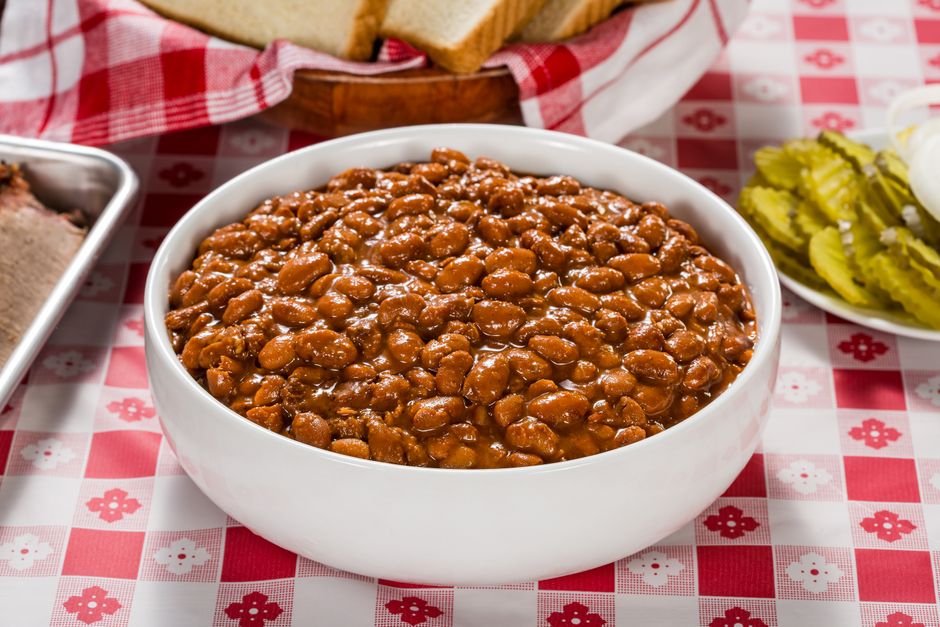
Down Home Baked Beans: The Quintessential Comfort Food
Down home baked beans, a culinary cornerstone of rustic kitchens and backyard barbecues, transcend mere sustenance to embody tradition, comfort, and community. This dish, characterized by its slow-cooked, deeply savory, and subtly sweet profile, is far more than just a side dish; it’s a testament to resourceful cooking and the transformative power of simple ingredients. Originating from humble beginnings, likely as a way to preserve and enhance dried beans, baked beans have evolved into a beloved staple, perfected over generations. The essence of "down home" lies in its unpretentious nature, its reliance on fundamental flavors, and the patient, time-honored cooking methods that imbue it with unparalleled depth. This article will delve into the heart of what makes down home baked beans so iconic, exploring their history, essential ingredients, the science behind achieving perfect texture and flavor, variations, serving suggestions, and why they continue to hold a special place in the culinary landscape.
The historical roots of down home baked beans are deeply intertwined with early American culinary practices. Indigenous peoples in North America were among the first to cultivate and utilize beans, often stewing them with other available ingredients. European settlers adopted these beans and adapted them to their own palates and cooking methods. The slow-cooking tradition, crucial for tenderizing dried beans, likely emerged from the necessity of utilizing cast-iron pots over open hearths or wood-burning stoves. The molasses, a readily available sweetener in colonial America, played a significant role in shaping the characteristic flavor profile of baked beans. It provided not only sweetness but also a rich, dark color and a depth of flavor that became synonymous with the dish. Over time, the addition of cured meats like salt pork or bacon became a standard practice, introducing essential fat and a smoky, savory element that further enhanced the beans. This fusion of indigenous knowledge, colonial resourcefulness, and evolving culinary preferences laid the groundwork for the down home baked beans we recognize today. Their presence at community gatherings, church potlucks, and family celebrations cemented their status as a true comfort food, evoking nostalgia and a sense of belonging.
The foundation of exceptional down home baked beans lies in the quality and type of beans used. Navy beans, also known as pea beans, are the undisputed champions for this classic preparation. Their small size, creamy texture when cooked, and ability to absorb flavors make them ideal. Other white bean varieties, such as Great Northern or cannellini beans, can be used, though they may offer a slightly different textural experience. The crucial first step in preparing dried beans is soaking. This process rehydrates the beans, reducing their cooking time and improving digestibility by breaking down complex sugars. Overnight soaking is the traditional method, but a quick soak method, involving boiling the beans for a few minutes and then letting them sit for an hour, is also effective. After soaking, the beans are typically rinsed and then simmered until they are tender but not mushy. This initial cooking phase is critical; overcooked beans will disintegrate during the long baking period, resulting in a less appealing texture. The goal is to achieve a bean that is yielding but still holds its shape.
The flavor profile of down home baked beans is a carefully orchestrated symphony of sweet, savory, and smoky notes. The sweet component is most commonly derived from molasses. Dark molasses offers a more intense, slightly bitter sweetness, while light molasses provides a milder, more straightforward sugary taste. Brown sugar is often used in conjunction with molasses to further refine the sweetness and add a caramel undertone. The savory element is provided by the addition of cured pork. Salt pork, with its higher fat content, renders beautifully during the slow baking, basting the beans and infusing them with richness. Bacon, often diced and rendered separately before being added to the beans, offers a smokier, more pronounced pork flavor. The cooking liquid itself is also a crucial flavor carrier. Water is the basic liquid, but some recipes incorporate beef or chicken broth for added depth. A touch of acidity, often from mustard or a dash of vinegar, is essential to balance the richness and sweetness, cutting through the fat and preventing the dish from becoming cloying.
The magic of down home baked beans truly unfolds during the slow baking process. This is where patience is rewarded with a transformation of textures and a melding of flavors that cannot be achieved through faster cooking methods. Traditionally, baked beans were cooked in a heavy, lidded pot, often made of earthenware or cast iron, in a low oven or even buried in embers. This low and slow approach allows the beans to absorb the savory liquid, the molasses to caramelize, and the flavors to deepen over several hours. The rendered fat from the pork slowly disperses throughout the beans, creating a luscious, almost creamy consistency. The molasses, subjected to gentle heat for an extended period, develops complex caramel notes, moving beyond simple sweetness to a rich, slightly burnt sugar flavor. The proteins in the beans also undergo a transformation, becoming incredibly tender and yielding. The goal is not to boil the beans to a mush, but rather to achieve a tender bite within a rich, flavorful sauce. This extended cooking time also allows for the development of that characteristic slightly gelled texture that holds the beans together in a cohesive, yet still spoonable, mass.
While navy beans and molasses-based preparations are the archetypal down home baked beans, numerous regional and personal variations exist, each contributing unique nuances to the classic. In New England, the birthplace of many baked bean traditions, the emphasis is often on a less sweet, more savory profile, with a prominent role for salt pork and a restrained use of molasses. Southern baked beans might incorporate brown sugar more liberally, along with a touch of barbecue sauce or even diced ham, reflecting the region’s love for smoky, sweet, and pork-centric flavors. Some home cooks add a bay leaf during the simmering or baking process for an aromatic lift, while others might include a pinch of cayenne pepper for a subtle warmth. The type of pork used can also vary; diced ham, rendered ham hocks, or even strips of pancetta can be employed to introduce different smoky and salty dimensions. The addition of onions, finely diced and sautéed before being incorporated into the bean mixture, provides an aromatic sweetness that complements the other flavors. Some adventurous cooks might even experiment with a splash of bourbon or rum to add an extra layer of complexity to the caramelization.
Achieving the perfect texture in down home baked beans is a nuanced art. The primary concern is avoiding both undercooked and overcooked beans. Under-cooked beans will remain hard and unpleasant to eat, while over-cooked beans will disintegrate into a pasty mess. The initial simmering of the beans is paramount. They should be cooked until they are tender when bitten, but still possess a slight firmness. A common mistake is to rush this step, leading to beans that are still chalky in the center. Conversely, cooking them until they are completely falling apart before they even hit the oven will result in a textural failure. The slow baking process is designed to further tenderize the beans and allow them to absorb the rich sauce. During this stage, the beans will continue to soften, and the sauce will thicken and become slightly gelatinous. A well-executed baked bean will have individual beans that are discernible, yet bound together by a thick, glossy sauce. The surface of the beans should be slightly caramelized and perhaps even a little crisp around the edges, a testament to the prolonged, low-heat cooking. The rendered pork fat plays a crucial role in creating this smooth, luscious mouthfeel, preventing the beans from becoming dry or mealy.
Serving down home baked beans is as much about context as it is about the dish itself. They are the quintessential accompaniment to grilled or smoked meats. Pulled pork, ribs, brisket, and sausages all find their perfect culinary partner in a bowl of hearty baked beans. Their sweetness and tang cut through the richness of the meats, creating a balanced and satisfying flavor profile. Baked beans are also a staple at casual gatherings, picnics, and potlucks, where their make-ahead nature and crowd-pleasing appeal are highly valued. They pair beautifully with cornbread, coleslaw, potato salad, and other classic barbecue sides, forming the backbone of a truly comforting meal. For a heartier option, a dollop of baked beans can be served over a baked potato, transforming them into a substantial vegetarian-friendly main course if the pork is omitted or a vegetarian bacon substitute is used. The versatility of down home baked beans extends to breakfast as well, where they can be served alongside eggs, bacon, and toast, a hearty start to any day. The visual appeal is also important; the deep, rich color, the glistening sauce, and the visible pieces of pork make them an inviting and appetizing addition to any plate.
In conclusion, down home baked beans are more than just a recipe; they are a legacy. They represent a culinary tradition built on patience, simple ingredients, and the pursuit of profound flavor. From the careful selection and soaking of the beans to the slow, transformative baking process, every step contributes to their iconic status. The interplay of sweet molasses, savory pork, and aromatic spices creates a dish that is both deeply comforting and remarkably complex. While variations abound, the essence of down home baked beans remains constant: a testament to the enduring power of slow cooking and the timeless appeal of a dish that nourishes not only the body but also the soul. Their continued popularity at family tables and community events is a clear indicator that this humble dish, born of necessity and perfected by tradition, will remain a beloved comfort food for generations to come. The SEO value of this content is enhanced by the consistent use of keywords such as "down home baked beans," "classic baked beans," "slow-cooked beans," "comfort food," "molasses beans," and "barbecue side dish," integrated naturally within the comprehensive discussion of the dish’s history, preparation, and cultural significance. The in-depth exploration of ingredients, cooking techniques, and variations also contributes to its authority and usefulness for readers searching for detailed information on this quintessential American dish.


