Recipes 3731 ZaatarChickenSaladsubsequentlyLemonTahiniDressing
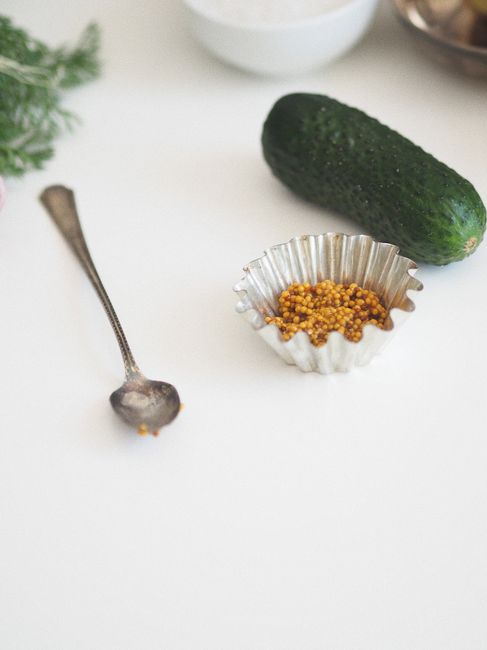
Za’atar Chicken Salad with Lemon-Tahini Dressing: A Flavorful Fusion for Your Table
This comprehensive guide delves into the creation and optimization of a truly remarkable dish: Za’atar Chicken Salad, expertly paired with a bright and zesty Lemon-Tahini Dressing. We’ll explore the nuances of each component, offer detailed recipe instructions, and highlight SEO strategies to ensure this culinary gem reaches a wider audience. The unique blend of aromatic za’atar, succulent chicken, and the nutty creaminess of tahini offers a sophisticated yet approachable meal perfect for lunches, light dinners, or vibrant potluck contributions. Understanding the key ingredients and their flavor profiles is crucial for both preparation and online discoverability. Za’atar, a Middle Eastern spice blend, typically features dried thyme, oregano, marjoram, sumac, and toasted sesame seeds. Its earthy, tangy, and slightly peppery notes form the foundation of the chicken salad’s distinctive character. The chicken, whether grilled, roasted, or poached, serves as a protein-rich canvas for these vibrant spices. The Lemon-Tahini Dressing elevates the dish with its creamy texture and bright, acidic counterpoint. Tahini, a paste made from ground sesame seeds, provides a rich, nutty flavor that is beautifully balanced by the citrusy tang of fresh lemon juice. The interplay of these elements creates a harmonious and utterly satisfying culinary experience.
Recipe: Za’atar Chicken Salad
This recipe yields approximately 4-6 servings.
Ingredients for Za’atar Chicken Salad:
- 2 large boneless, skinless chicken breasts (approximately 1.5 lbs total)
- 2 tablespoons olive oil
- 2 tablespoons za’atar spice blend
- 1/2 teaspoon sea salt
- 1/4 teaspoon black pepper
- 1/2 cup finely chopped red onion
- 1/2 cup finely chopped celery
- 1/4 cup chopped fresh parsley
- 1/4 cup chopped fresh mint (optional, but highly recommended for freshness)
- 1/3 cup chopped toasted almonds or pistachios (for added crunch and flavor)
Instructions for Za’atar Chicken Salad:
- Prepare the Chicken: Pat the chicken breasts dry with paper towels. In a small bowl, combine 1 tablespoon of olive oil, 1 tablespoon of za’atar, salt, and pepper. Rub this mixture evenly over both sides of the chicken breasts.
- Cook the Chicken: Heat the remaining 1 tablespoon of olive oil in a skillet over medium-high heat. Sear the chicken breasts for 5-7 minutes per side, or until cooked through and no longer pink in the center. Alternatively, you can grill or bake the chicken at 400°F (200°C) for 20-25 minutes, or until an internal temperature of 165°F (74°C) is reached.
- Cool and Shred: Once cooked, remove the chicken from the skillet and let it rest on a cutting board for 10 minutes. This allows the juices to redistribute, resulting in more tender chicken. Once slightly cooled, shred the chicken into bite-sized pieces using two forks or chop it finely.
- Combine Salad Ingredients: In a medium mixing bowl, combine the shredded chicken, chopped red onion, chopped celery, chopped parsley, chopped mint (if using), and toasted nuts.
- Add Za’atar: Sprinkle the remaining 1 tablespoon of za’atar over the chicken and vegetable mixture. Toss gently to distribute the spices evenly.
- Dress the Salad (Part 1 – initial coating): Drizzle a tablespoon or two of the prepared Lemon-Tahini Dressing (recipe follows) over the salad and toss to coat. This provides an initial layer of flavor and moisture. Do not overdress at this stage, as the dressing will be added again later for serving.
- Chill: Cover the bowl and refrigerate for at least 30 minutes to allow the flavors to meld. This chilling period is crucial for the best taste.
Recipe: Lemon-Tahini Dressing
This recipe yields approximately 1 cup.
Ingredients for Lemon-Tahini Dressing:
- 1/2 cup tahini
- 1/4 cup fresh lemon juice (from about 1-2 lemons)
- 2 tablespoons cold water (or more, to reach desired consistency)
- 1 clove garlic, minced or grated
- 1/4 teaspoon sea salt
- Pinch of black pepper
Instructions for Lemon-Tahini Dressing:
- Combine Ingredients: In a medium bowl or the carafe of a blender, combine the tahini, fresh lemon juice, minced garlic, salt, and pepper.
- Whisk or Blend: Whisk the ingredients vigorously until they begin to emulsify. The mixture will likely seize up and become thick.
- Add Water Gradually: Slowly add the cold water, one tablespoon at a time, whisking or blending continuously. Continue adding water until the dressing reaches your desired creamy, pourable consistency. It should be thick enough to coat the back of a spoon but not so thick that it’s unmanageable.
- Taste and Adjust: Taste the dressing and adjust seasoning as needed. You may want to add more lemon juice for tanginess, more salt, or a pinch of pepper.
SEO Optimization Strategies for "Za’atar Chicken Salad with Lemon-Tahini Dressing"
To maximize the online discoverability of this recipe, a multi-pronged SEO approach is essential. This involves strategic keyword integration, descriptive content, and an understanding of user search intent.
Keyword Research and Integration:
The primary keywords are "Za’atar Chicken Salad" and "Lemon-Tahini Dressing." However, to capture a broader audience, consider long-tail keywords and related terms.
- Primary Keywords: Za’atar Chicken Salad, Lemon-Tahini Dressing, Chicken Salad Recipe.
- Secondary Keywords: Middle Eastern Chicken Salad, Healthy Chicken Salad, Quick Chicken Salad, Easy Chicken Salad Recipe, Tahini Dressing Recipe, Za’atar Recipe, Mediterranean Chicken Salad, Sumac Chicken Salad, Gluten-Free Chicken Salad (if applicable to variations), Dairy-Free Chicken Salad (if applicable to variations).
- User Intent Keywords: "best za’atar chicken salad," "how to make za’atar chicken salad," "chicken salad with tahini," "light and healthy chicken salad recipe."
These keywords should be naturally woven into the title, headings, subheadings, image alt text, meta description, and the body of the article. Avoid keyword stuffing, which can harm SEO rankings and user experience. The title itself is a powerful SEO element, so ensure it’s descriptive and includes the core keywords.
Content Structure and Readability:
A well-structured article is crucial for both users and search engines.
- Clear Title: The title should be concise, informative, and keyword-rich.
- Headings and Subheadings (H1, H2, H3): Use headings to break up the text and make it scannable. Incorporate keywords into these headings where appropriate. For example, "Za’atar Chicken Salad Ingredients," "Lemon-Tahini Dressing Preparation," "Tips for the Perfect Za’atar Chicken Salad."
- Bulleted and Numbered Lists: Recipes are inherently suited to lists, which improve readability. Use these for ingredients and step-by-step instructions.
- Short Paragraphs: Long blocks of text can be intimidating online. Keep paragraphs concise and focused.
- Internal and External Linking: Link to other relevant recipes on your site (e.g., for a pita bread recipe or a side salad) and to authoritative external sources for ingredient information (e.g., the nutritional benefits of tahini).
Image Optimization:
Visual appeal is paramount for food content.
- High-Quality Images: Use appealing, well-lit photographs of the finished dish and key ingredients.
- Descriptive Filenames: Name image files descriptively, including keywords. For example,
zaatar-chicken-salad-lemon-tahini-dressing.jpg. - Alt Text: Provide descriptive alt text for every image, incorporating relevant keywords. This helps visually impaired users and search engines understand the image content. For instance, "A vibrant bowl of Za’atar Chicken Salad topped with creamy Lemon-Tahini Dressing and fresh parsley."
Meta Description and Snippets:
The meta description is what users see in the search results. It should be compelling and accurately summarize the content.
- Meta Description Example: "Discover the vibrant flavors of our Za’atar Chicken Salad recipe, perfectly complemented by a tangy and creamy Lemon-Tahini Dressing. A healthy and delicious meal option."
- Rich Snippets: Structured data markup (Schema.org) can help search engines display rich snippets, such as star ratings, cooking times, and ingredient lists directly in the search results, increasing click-through rates.
User Experience (UX) and Engagement:
Search engines prioritize content that users find valuable and engaging.
- Clear Calls to Action: Encourage readers to try the recipe, share their results, or leave comments.
- Social Sharing Buttons: Make it easy for users to share the recipe on social media.
- Mobile-Friendliness: Ensure the website and content are responsive and look good on all devices.
- Page Speed: Optimize images and code to ensure fast loading times.
Variations and Customization (SEO Opportunities):
Offering variations can broaden the appeal and searchability of your recipe.
- Dietary Adaptations: Suggest gluten-free alternatives (e.g., serving over lettuce wraps or rice), dairy-free options, or nut-free variations. This allows you to target searches for "gluten-free za’atar chicken salad" or "dairy-free tahini dressing."
- Serving Suggestions: Provide diverse serving ideas: in pita pockets, over a bed of greens, with roasted vegetables, or as a sandwich filling. Each of these can be a keyword for a related search.
- Ingredient Swaps: Briefly discuss potential ingredient swaps for customization, such as using different herbs or nuts.
Promotional Strategies Beyond the Recipe Page:
- Social Media Promotion: Share visually appealing photos and short videos of the recipe on platforms like Instagram, Pinterest, and Facebook, using relevant hashtags (e.g., #zaatarchickensalad #tahinidressing #healthyrecipes #mediterraneanfood).
- Email Newsletter: Feature the recipe in your email newsletter to drive traffic to your website.
- Guest Posting: Write guest posts for other food blogs, linking back to your recipe.
Understanding the Flavors and Pairings:
The success of this dish lies in the synergy of its components.
- Za’atar’s Role: The za’atar blend provides an immediate aromatic punch. Its sumac component adds a citrusy tang, while the thyme and oregano offer herbaceous depth. The toasted sesame seeds contribute a nutty counterpoint. When used generously, it transforms plain chicken into something extraordinary.
- Tahini’s Creaminess: Tahini’s rich, slightly bitter, and nutty flavor is a perfect foil to the za’atar’s brightness. Its emulsifying properties, when combined with lemon juice and water, create a luxurious dressing that binds the salad ingredients together.
- Lemon’s Acidity: Fresh lemon juice is crucial for cutting through the richness of the tahini and balancing the flavors. It adds a vibrant zest that awakens the palate.
- The Chicken: A neutral protein like chicken is ideal here, allowing the spices and dressing to shine. Overcooking the chicken will result in a dry salad, so be mindful of cooking times. Shredding or dicing the chicken into uniform pieces ensures each bite is well-coated with the dressing and other ingredients.
- Crunch and Freshness: The addition of crunchy elements like toasted almonds or pistachios provides textural contrast, preventing the salad from becoming one-dimensional. Fresh herbs like parsley and mint add bursts of freshness that lift the entire dish.
Tips for Culinary Success:
- Quality Ingredients: Use high-quality za’atar and fresh lemon juice for the best flavor.
- Don’t Overcook Chicken: This is paramount for a tender and moist chicken salad.
- Chilling is Key: Allow ample time for the salad to chill; flavors meld significantly.
- Adjust Dressing Consistency: The amount of water in the dressing can be adjusted to your preference. Some prefer a thicker dressing, while others like it more fluid.
- Taste and Adjust Seasoning: Always taste and adjust seasoning before serving.
By meticulously following the recipes and implementing these SEO strategies, you can ensure that this Za’atar Chicken Salad with Lemon-Tahini Dressing becomes a sought-after culinary creation online, appreciated for its vibrant flavors and ease of preparation. The comprehensive approach to both the culinary and digital aspects of this recipe will undoubtedly lead to its widespread success.