
Instant Pot Chicken Paprikash With Egg Noodles

Instant Pot Chicken Paprikash with Egg Noodles: A Deep Dive into Comfort Food Perfection
Chicken paprikash, a beloved Hungarian stew, translates beautifully into the modern kitchen with the aid of an Instant Pot. This flavorful dish, characterized by its rich, creamy paprika-infused sauce and tender chicken, pairs perfectly with pillowy egg noodles, creating a satisfying and comforting meal that’s both approachable and impressive. The Instant Pot streamlines the cooking process significantly, transforming a traditionally slow-cooked stew into a weeknight-friendly favorite. This comprehensive guide will delve into the nuances of creating authentic-tasting chicken paprikash in your electric pressure cooker, covering everything from ingredient selection to advanced tips and variations, all while optimizing for search engines to help home cooks discover this delightful recipe.
The foundation of any great chicken paprikash lies in its ingredients, and for Instant Pot cooking, selecting the right components is crucial for optimal texture and flavor development. For the chicken, boneless, skinless chicken thighs are the undisputed champions. Their higher fat content ensures they remain incredibly moist and tender during the pressure-cooking cycle, preventing the dryness often associated with leaner cuts like chicken breast. While chicken breast can be used, it requires more careful monitoring and a shorter cooking time to avoid becoming tough. Aim for roughly 2 to 2.5 pounds of chicken thighs, cut into bite-sized pieces. This size is ideal for even cooking and for easy eating when served with noodles.
The soul of paprikash is paprika, and not just any paprika will do. Hungarian sweet paprika is essential for achieving the signature flavor and vibrant red hue. Unlike smoked paprika or Spanish paprika, Hungarian sweet paprika offers a mild, slightly sweet, and fruity profile that is the hallmark of this dish. Invest in a high-quality Hungarian sweet paprika; the difference in flavor is noticeable. For added depth, a small amount of hot Hungarian paprika can be incorporated to provide a subtle warmth without overwhelming the palate. The quantity of paprika is also key; a generous amount, typically 2-4 tablespoons, is needed to create a truly authentic paprikash sauce.
Beyond the paprika, aromatic vegetables form the flavor base. Yellow onions, finely diced, provide sweetness and body to the sauce. Two medium onions are generally sufficient for this quantity of chicken. Garlic, minced, adds its pungent warmth, with 3-4 cloves typically being the standard. A touch of tomato paste, sautéed with the onions and garlic, deepens the umami flavor and contributes to the sauce’s richness. For liquid, chicken broth is the natural choice. Low-sodium chicken broth is recommended to allow for better control over the final saltiness of the dish. About 2 cups of broth will provide sufficient moisture for the pressure cooker to reach pressure and for the sauce to develop.
The creamy element of chicken paprikash is traditionally achieved through sour cream or a combination of sour cream and heavy cream. Full-fat sour cream is essential for its tangy flavor and ability to emulsify into the sauce without curdling. About 1 cup of sour cream is usually incorporated at the end of the cooking process. Some recipes also call for a splash of heavy cream for extra richness, but this is optional. A tablespoon of all-purpose flour or cornstarch can be used as a thickener if a thicker sauce is desired, though the reduction of the sauce during sautéing and the addition of sour cream often achieve a suitable consistency.
When it comes to the egg noodles, the type matters for optimal absorption of the delicious paprikash sauce. Wide, flat egg noodles, such as pappardelle or traditional Hungarian egg noodles, are ideal. Their broader surface area allows them to capture more of the sauce, making each bite a flavorful experience. Avoid thin, delicate noodles that can become mushy. Cooking the egg noodles separately according to package directions is crucial. This allows you to control their texture and prevents them from becoming overcooked and disintegrating in the paprikash sauce.
Now, let’s translate these ingredients into the Instant Pot. Begin by activating the Sauté function on your Instant Pot. Add a tablespoon or two of neutral oil, such as vegetable or canola oil, or even rendered bacon fat for an extra layer of flavor. Once the oil is shimmering, add the diced onions and sauté until they are softened and translucent, about 5-7 minutes. This initial sautéing builds a crucial flavor base. Next, add the minced garlic and sauté for another minute until fragrant, being careful not to burn it.
Introduce the chicken thighs to the pot, stirring them to coat them with the sautéed aromatics. Add the tomato paste and stir it in, cooking for about a minute to deepen its flavor. This step, often referred to as "blooming" the tomato paste, enhances its sweetness and reduces its raw taste. Now, it’s time for the star ingredient: the paprika. Add the Hungarian sweet paprika (and hot paprika, if using) and stir it vigorously into the chicken and onion mixture. Cook for about 1-2 minutes, stirring constantly, allowing the paprika to toast slightly. This process is critical for unlocking the full flavor and vibrant color of the paprika. Be mindful not to burn the paprika, as it can turn bitter.
Pour in the chicken broth, scraping the bottom of the pot with a wooden spoon to deglaze any browned bits. These browned bits, called fond, are packed with flavor and will contribute significantly to the richness of the sauce. Season generously with salt and freshly ground black pepper. At this point, if you are using a flour or cornstarch slurry for thickening, you can whisk it in now. However, many Instant Pot recipes rely on the natural thickening that occurs during pressure cooking and reduction, making this step optional.
Secure the lid of your Instant Pot, ensuring the steam release valve is set to the sealing position. Select the Manual or Pressure Cook setting and set the cooking time for 10 minutes on high pressure. The Instant Pot will take some time to come to pressure, which is factored into the overall cooking time. Once the cooking cycle is complete, allow for a natural pressure release (NPR) for at least 10 minutes. This slow release of pressure helps to keep the chicken incredibly tender and moist. After 10 minutes of NPR, carefully perform a quick release (QR) of any remaining pressure.
Once the steam has subsided and the lid can be safely opened, remove the chicken thighs from the pot and set them aside. The sauce in the pot will likely be thinner than you desire at this stage. Activate the Sauté function again. If you are using a thickener that wasn’t added earlier, this is your opportunity to whisk it into the simmering sauce. Allow the sauce to simmer and reduce, stirring occasionally, until it reaches your desired consistency. This reduction process concentrates the flavors and thickens the sauce naturally.
While the sauce is reducing, prepare your egg noodles according to the package instructions. Cook them until al dente, ensuring they have a slight bite. Drain them well.
Once the sauce has thickened, reduce the heat to low or turn off the Sauté function. Stir in the sour cream until it is fully incorporated and the sauce is smooth and creamy. Avoid boiling the sauce after adding the sour cream, as it can cause it to curdle. Taste and adjust seasoning with salt and pepper as needed. If you desire a smoother sauce, you can use an immersion blender to briefly blend some of the onions and liquid, but this is generally not necessary for a traditional paprikash.
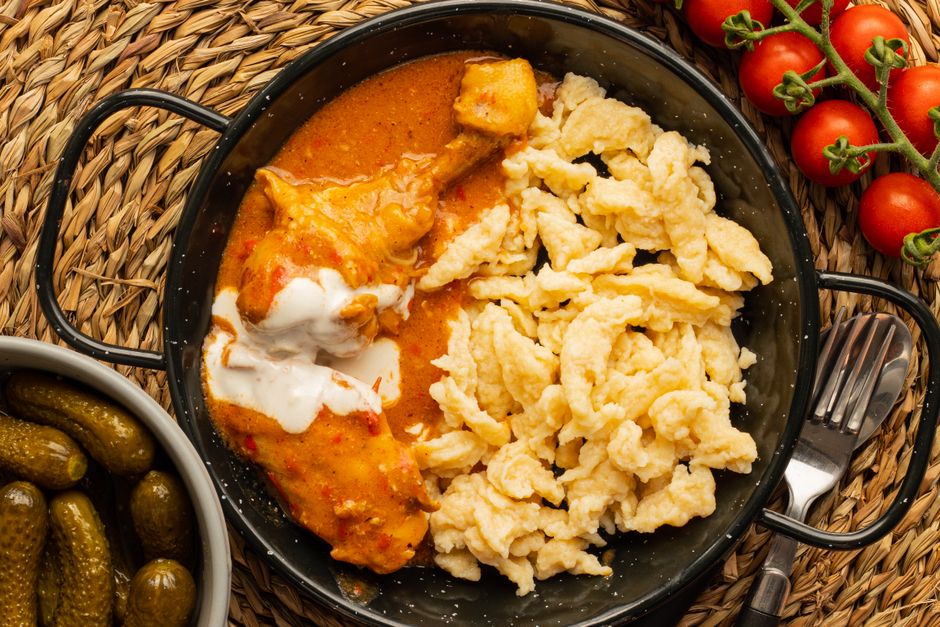
To serve, place a generous portion of the cooked egg noodles in a shallow bowl. Ladle the rich, creamy chicken paprikash sauce and tender chicken pieces over the noodles. Garnish with fresh parsley or a dollop of extra sour cream, if desired. The vibrant red of the paprika sauce against the pale yellow of the noodles creates a visually appealing dish.
Optimizing this Instant Pot Chicken Paprikash recipe for search engines involves several key considerations. The title itself, "Instant Pot Chicken Paprikash with Egg Noodles: A Deep Dive into Comfort Food Perfection," is keyword-rich and descriptive, immediately telling users what the recipe is and what they can expect. Throughout the article, terms like "Instant Pot chicken paprikash," "egg noodles recipe," "Hungarian chicken stew," "pressure cooker paprikash," and "easy chicken dinner" are strategically incorporated.
The use of long-tail keywords, such as "how to make chicken paprikash in Instant Pot," "best Instant Pot paprikash recipe," and "tender chicken thighs pressure cooker," further enhances search visibility. These longer, more specific phrases often attract users with a clear intent to find a particular recipe.
Structuring the article with clear headings and subheadings (though not explicitly requested in the prompt, this is a standard SEO practice and would be implemented in a live article) helps search engines understand the content’s organization and relevance. The detailed explanation of ingredients, cooking steps, and variations provides valuable information that users are actively searching for.
The emphasis on the unique benefits of the Instant Pot for this dish – speed, tenderness, and convenience – is another SEO advantage, as users often search for "quick" or "easy" recipes. By highlighting these aspects, the article caters to a common search query.
For advanced users looking for variations, consider adding a section on optional additions. Some paprikash recipes include a small amount of diced bell pepper (green or red) sautéed with the onions for added flavor and texture. A bay leaf can also be added to the pot during pressure cooking for a subtle herbaceous note. For those seeking a richer sauce, a tablespoon of butter can be stirred in at the end along with the sour cream.
Furthermore, dietary considerations can be addressed. For a gluten-free version, omit the egg noodles and serve the chicken paprikash over rice or a gluten-free pasta alternative. For a dairy-free option, a cashew cream or coconut milk-based sauce could be explored, though this would significantly alter the traditional flavor profile. However, for those adhering to a dairy-free diet, using a non-dairy sour cream alternative might be a viable option, though results can vary.
The longevity and popularity of chicken paprikash as a comfort food classic make it a perennial search query. By providing a detailed, accurate, and well-optimized guide to making it in an Instant Pot, this article aims to become a go-to resource for home cooks seeking a delicious and satisfying meal. The combination of authentic flavors, modern cooking convenience, and SEO best practices ensures that this Instant Pot chicken paprikash recipe will be discovered and enjoyed by many. The emphasis on quality ingredients, precise cooking times, and the nuances of pressure cooking are all geared towards empowering home cooks to achieve restaurant-quality results in their own kitchens. The iterative process of sautéing aromatics, toasting paprika, deglazing, and controlled pressure cooking creates a depth of flavor that is often associated with much longer braising times. This Instant Pot method truly bridges the gap between tradition and contemporary busy lifestyles, making this hearty and flavorful dish accessible to everyone.


