
Poor Mans Pepper Steak

Poor Man’s Pepper Steak: A Culinary Revelation in Economical Flavor
Poor Man’s Pepper Steak, a dish that belies its humble moniker with an explosion of savory, peppery goodness, stands as a testament to resourceful cooking and the ability to elevate inexpensive ingredients into something truly remarkable. Far from being a dish of scarcity, this meal is a celebration of texture and taste, relying on cuts of beef that, while less prized, offer a robust chew and a canvas for bold flavors. At its heart, Poor Man’s Pepper Steak is a stir-fry, a rapid cooking method that ensures the meat remains tender and the vegetables retain their crisp-tender bite. The "poor man" aspect refers not to a lack of quality but to the strategic selection of ingredients that deliver maximum flavor for minimal cost. This dish is a cornerstone of budget-conscious households and a favorite for those seeking hearty, satisfying meals without breaking the bank. The key to its success lies in the interplay of thinly sliced, economical beef, often flank steak, skirt steak, or even chuck roast, marinated to tenderize and infuse it with flavor, then quickly seared alongside vibrant bell peppers and onions, all coated in a rich, umami-laden sauce.
The history of Poor Man’s Pepper Steak is rooted in the culinary traditions of practicality and making the most of available resources. While not a dish with a precisely documented origin story, its evolution is deeply entwined with the history of American home cooking, particularly in regions where economic constraints were a common reality. Families sought ways to stretch their food budgets while still providing nutritious and flavorful meals. The use of tougher, less expensive cuts of beef was a necessity, and ingenious techniques like marinating and rapid stir-frying were developed to overcome their inherent chewiness. Bell peppers and onions, readily available and relatively inexpensive, became the natural companions to the meat, adding sweetness, a slight bitterness, and visual appeal. The development of soy sauce and other Asian-inspired flavorings also played a significant role, offering a readily accessible and potent source of umami that transformed simple ingredients into a culinary delight. This dish represents a powerful example of how necessity can breed invention, turning humble ingredients into a deeply satisfying and universally loved meal.
The fundamental components of Poor Man’s Pepper Steak are crucial to understanding its appeal and execution. The beef is paramount. While premium cuts might be tempting, the true spirit of this dish lies in embracing more economical options. Flank steak, skirt steak, and chuck roast are excellent choices. Flank and skirt steak are naturally tender and benefit greatly from thin slicing against the grain, a critical step for achieving a pleasant chew. Chuck roast, while tougher, is incredibly flavorful and, when sliced thinly and marinated properly, can yield wonderfully tender results. The marination process is not merely for flavor but also for tenderization. A typical marinade might include soy sauce for saltiness and umami, Worcestershire sauce for a tangy depth, garlic and ginger for aromatic punch, and a touch of cornstarch. The cornstarch acts as a tenderizer by breaking down protein fibers and also helps the sauce adhere to the meat.
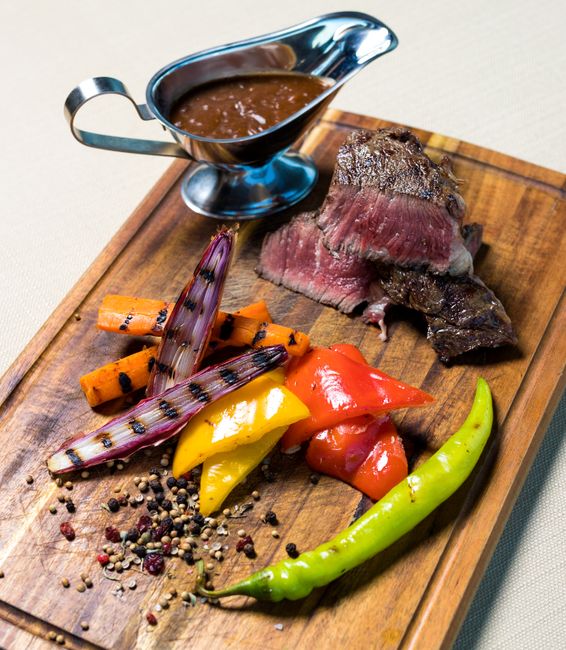
The vegetables are equally important, providing sweetness, texture, and visual contrast. Bell peppers, in a rainbow of colors – red, green, yellow, and orange – are traditional. Their natural sweetness mellows during cooking, and they retain a satisfying crispness when stir-fried correctly. Onions, typically yellow or white, add a pungent sweetness and aromatic base. The thickness of the vegetable slices should be considered; too thin and they’ll turn to mush, too thick and they might not cook through in the rapid stir-fry. A consistent medium-thickness is ideal.
The sauce is the unifying element that brings all the flavors together. A good Poor Man’s Pepper Steak sauce is a symphony of savory, sweet, and slightly tangy notes. The base is usually soy sauce, providing the foundational saltiness and umami. Worcestershire sauce adds another layer of complexity with its fermented and vinegary notes. Oyster sauce, if available, is a secret weapon, contributing a rich, seafood-like depth and a subtle sweetness that is hard to replicate. A touch of sugar or honey balances the saltiness, while a splash of rice vinegar or apple cider vinegar adds brightness. Cornstarch, dissolved in water or broth (a slurry), is essential for thickening the sauce, creating that glossy, clingy coating that makes the dish so irresistible. Garlic and ginger, minced or grated, are indispensable aromatics that infuse the entire dish with their pungent warmth.
The cooking technique for Poor Man’s Pepper Steak is as vital as the ingredients themselves. Stir-frying is the method of choice, demanding high heat and constant movement. A wok or a large, heavy-bottomed skillet is ideal. The key is to cook in batches, especially the meat, to avoid overcrowding the pan. Overcrowding leads to steaming rather than searing, resulting in gray, tough meat. The oil should be heated to shimmering before adding ingredients. The meat is seared quickly on all sides until browned, then removed from the pan. The vegetables are then added to the hot pan, stir-fried until crisp-tender, and then the sauce is introduced. Finally, the seared meat is returned to the pan, tossed with the sauce and vegetables, and cooked for just another minute or two to heat through and allow the sauce to thicken. This rapid cooking preserves the vibrant colors and textures of the vegetables and ensures the meat remains tender and juicy.
Seasoning plays a critical role throughout the preparation. The initial marinade infuses the beef with flavor. The sauce itself is a carefully balanced blend of salty, sweet, and savory elements. However, tasting and adjusting the seasoning before serving is crucial. A pinch of black pepper, freshly ground for maximum impact, is essential, living up to the "pepper steak" in the dish’s name. Some variations might include a pinch of red pepper flakes for a touch of heat, adding another dimension of flavor complexity.
Serving Poor Man’s Pepper Steak is typically straightforward and focuses on complementing the richness of the dish. Steamed white rice is the classic accompaniment, its neutral flavor providing the perfect canvas for the bold flavors of the pepper steak. The fluffy rice absorbs any excess sauce, making every bite a delight. Other serving suggestions include brown rice for added fiber and nuttiness, or even noodles, such as lo mein or chow mein, for a heartier meal. A side of steamed or stir-fried green beans or broccoli can add a fresh, crisp element to round out the meal.
The SEO potential of "Poor Man’s Pepper Steak" lies in its inherent searchability. Keywords such as "budget-friendly beef recipe," "easy pepper steak," "quick weeknight meal," "economic steak dinner," "best flank steak recipe," and "how to tenderize beef chuck" are all highly relevant. Optimizing for these terms will attract individuals actively seeking affordable, delicious, and time-efficient meal solutions. The dish’s popularity also means it’s likely to be searched for with specific ingredient combinations, like "beef and bell pepper stir fry" or "soy sauce beef recipe."
Variations and enhancements to Poor Man’s Pepper Steak abound, allowing for personalization and adaptation to different tastes and pantry staples. For instance, while bell peppers and onions are traditional, other vegetables like broccoli florets, snap peas, carrots, mushrooms, or even water chestnuts can be incorporated, adding different textures and nutritional value. The heat level can be adjusted by increasing or decreasing the amount of red pepper flakes, or by adding a dash of sriracha or chili garlic sauce to the marinade or final sauce. For those seeking a richer flavor profile, a splash of dark soy sauce can be added for deeper color and a more intense umami. A touch of sesame oil, added at the very end of cooking, imparts a fragrant, nutty aroma. Some cooks also prefer to add a bit of beef broth to the sauce for added depth and liquid. For those with dietary restrictions, gluten-free soy sauce can be substituted, and other thickening agents like arrowroot starch can be used in place of cornstarch.
The economic advantage of Poor Man’s Pepper Steak is a primary driver of its enduring popularity. By utilizing less expensive cuts of beef and readily available vegetables, the cost per serving is significantly lower compared to dishes featuring premium meats. This makes it an ideal choice for families, students, or anyone looking to manage their food budget without sacrificing flavor or satisfaction. The ability to stretch a pound of meat to feed multiple people is a hallmark of this resourceful cooking style. Furthermore, the ingredients are generally shelf-stable or have a long refrigerator life, reducing the likelihood of food waste.
The nutritional profile of Poor Man’s Pepper Steak, while centered on flavor and affordability, can be quite balanced. Beef, even the more economical cuts, provides essential protein, iron, and B vitamins. Bell peppers are rich in Vitamin C and antioxidants, while onions offer a good source of fiber and various nutrients. The sauce, while containing sodium from soy sauce, can be managed by choosing lower-sodium options. The overall dish, when served with whole grains like brown rice, can offer a well-rounded meal with a good balance of macronutrients. Portion control is, of course, a factor in managing the overall caloric intake.
In conclusion, Poor Man’s Pepper Steak is more than just a meal; it’s a culinary philosophy. It embodies resourcefulness, ingenuity, and the understanding that deliciousness is not solely dictated by the price of ingredients. Its ability to transform humble components into a deeply satisfying and flavorful dish makes it a timeless classic. The interplay of tender, marinated beef, crisp-tender vegetables, and a rich, savory sauce, all brought together by the magic of a high-heat stir-fry, creates a culinary experience that is both accessible and exceptionally rewarding. Whether you’re a seasoned home cook looking to revisit a comforting favorite or a beginner seeking an impressive yet easy recipe, Poor Man’s Pepper Steak offers a gateway to flavorful, economical, and satisfying home-cooked meals. Its enduring appeal lies in its adaptability, its deliciousness, and its fundamental message: that true culinary satisfaction can be found in the most unexpected of places, proving that a "poor man’s" meal can be exceptionally rich in flavor.


